Ghumoopedia — Explore, Discover, Experience
Sign in
Agra Fort, near Agra

City guide · Uttar Pradesh

Agra

Beyond its monuments, Agra remains a working commercial and industrial centre, with long-established footwear and leather businesses alongside tourism, hospitality and handicrafts. The city’s Mughlai-influenced food, especially its petha, is another draw.

Famous for

  • Taj Mahal
  • Agra Fort
  • Agra petha
  • Marble inlay craft
  • Leather footwear
In the city
10
District
Agra
Plan a tripHotels near Agra

Why Agra matters

Beyond its monuments, Agra remains a working commercial and industrial centre, with long-established footwear and leather businesses alongside tourism, hospitality and handicrafts. The city’s Mughlai-influenced food, especially its petha, is another draw. Its location on major road and rail routes makes it a practical base for exploring nearby heritage sites, though traffic and crowds can shape the pace of a visit. Agra’s enduring importance lies in this combination of imperial history, living craft traditions and an active role in the economy of western Uttar Pradesh.
Famous for: crafts, trade & products

Marble inlay work, inspired by the decoration of Mughal monuments, is among Agra’s best-known crafts. Small objects and panels may be displayed in workshops and shops, but buyers should check the material and workmanship before purchasing. Embroidery, including zardozi, and carpets are also sold locally. Agra petha, a sweet made from ash gourd, is a signature food product and has Geographical Indication recognition; established sweet shops in the old city and around Sadar Bazaar sell it in several varieties. Dalmoth, a savoury snack, is another popular local speciality. Agra College and Dr Bhimrao Ambedkar University are among the city’s longstanding educational institutions.

History

As Mughal power weakened, Agra passed through Maratha control before the East India Company took it in 1803. Under British rule it remained an important administrative and commercial centre. After Independence, manufacturing expanded, particularly in footwear and leather, while the city’s monuments helped tourism become a major part of the economy. Agra today is shaped both by its Mughal legacy and by its role as a regional centre for trade, industry and travel.

Food, festivals & culture

Holi in spring and Diwali in autumn are widely celebrated, alongside Eid and other religious observances. The Taj Mahotsav, usually held in February, presents regional crafts, food and performances; Ram Barat, generally in the autumn, is a prominent local procession and celebration. Hindustani music and devotional traditions form part of the region’s cultural life, while Kathak has wider roots in north India. Places of worship include Jama Masjid, Mankameshwar Temple and Gurudwara Guru ka Tal, reflecting the city’s varied religious communities.

Visiting the city

Auto-rickshaws, e-rickshaws, taxis and app-based cabs are useful for getting between monuments and markets; agree on the journey before setting off when using a non-metered vehicle. Taj Ganj is convenient for accommodation and access to the Taj Mahal. Explore the old city around Kinari Bazaar and Jama Masjid for shops and street life, or visit Sadar Bazaar for food and shopping. Allow time for traffic, especially around the main sights.

Attractions

Places to visit in Agra

Sights within about 12 km of each other, even when they fall in different districts.

Agra Fort

Agra district

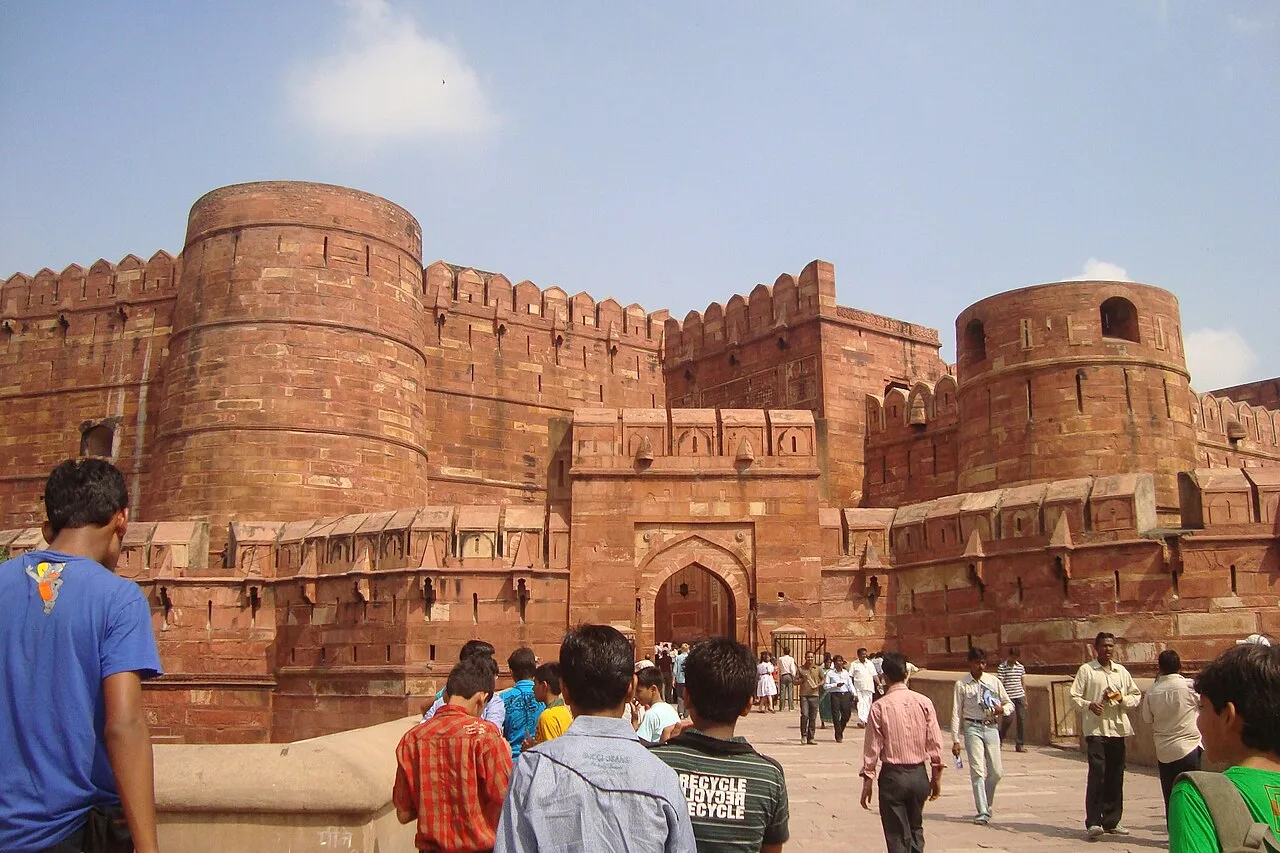
Agra Fort

Agra Fort is a major Mughal-era stronghold in Agra, rebuilt by Akbar and later expanded by Shah Jahan. Visitors come to see its palaces, mosques and historic gateways.

Akbar's tomb

Agra district

Akbar's tomb

The burial monument of Mughal ruler Akbar, this Agra site is visited for its historic association and buildings that combine red sandstone construction with white marble details.

Chini Ka Rauza

Agra district

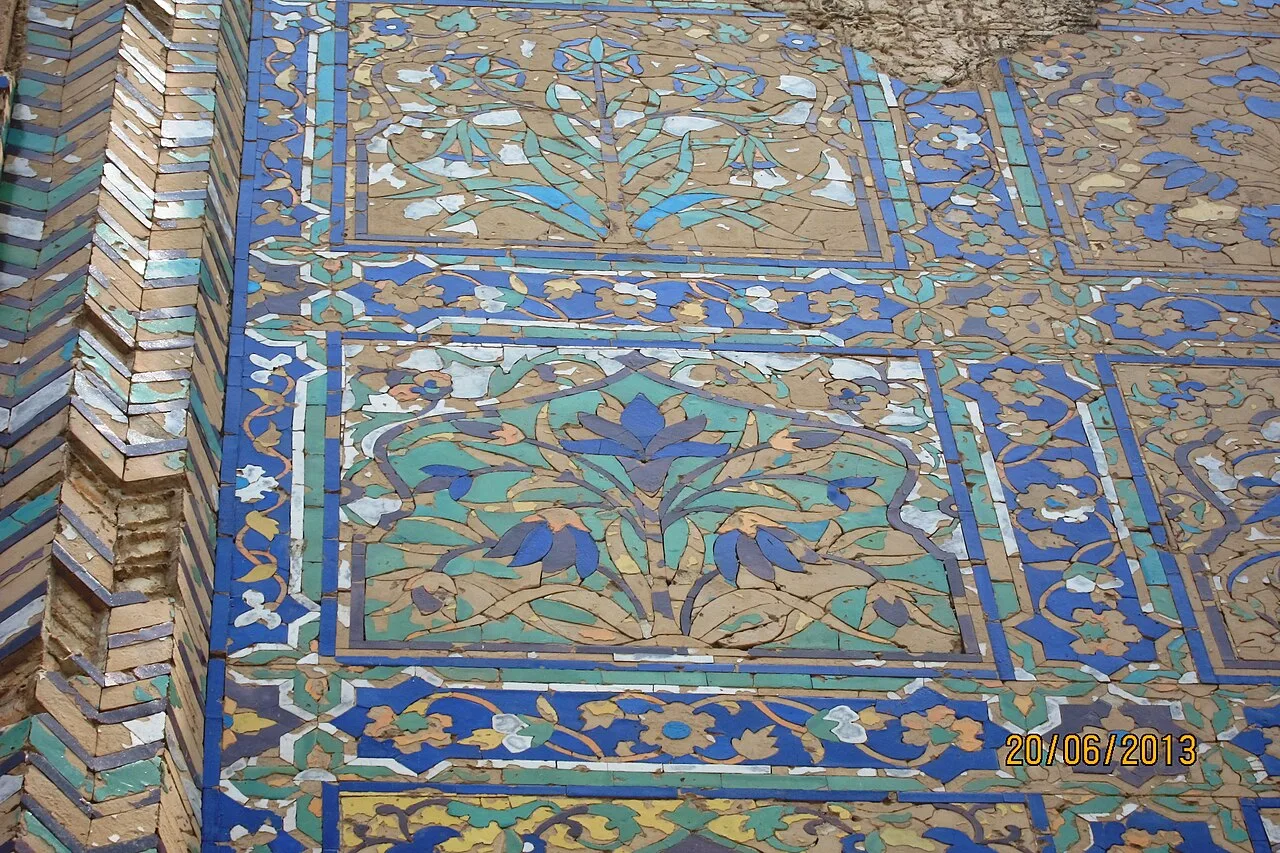
Chini Ka Rauza

Chini Ka Rauza is a funerary monument in Agra, built in 1635 for Afzal Khan Shirazi, a scholar, poet and Shah Jahan’s grand vizier. Visitors come to see its glazed tiles and learn about its history.

Agra district

Guru ka Taal Gurdwara

Guru ka Taal Gurdwara, near Sikandra in Agra, is a Sikh pilgrimage site honouring the ninth Guru, Tegh Bahadur. People visit to remember his martyrdom and the defence of religious freedom.

Itmad Ud Daulah

Agra district

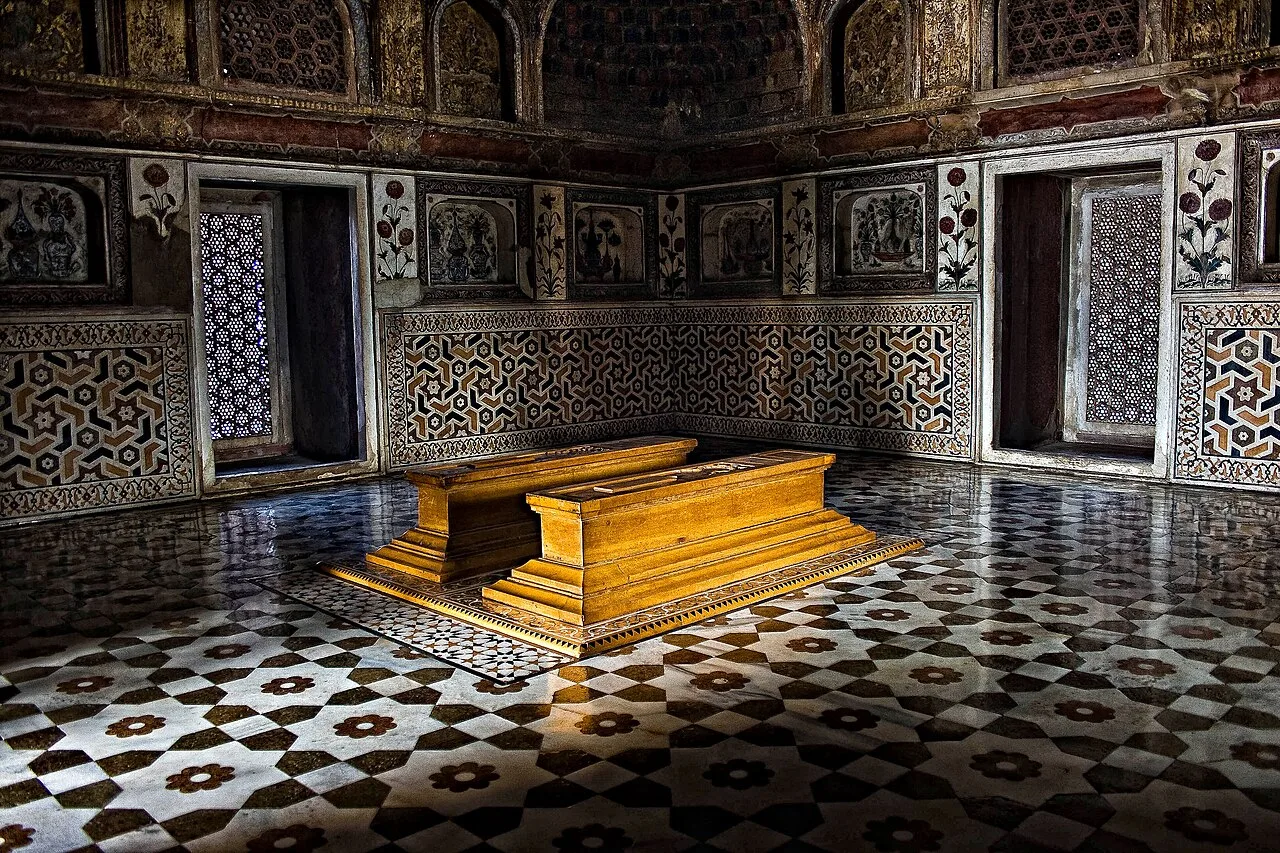
Itmad Ud Daulah

A Mughal marble mausoleum in Agra, Itmad Ud Daulah attracts visitors for its garden setting, intricate decoration and place in the evolution of Mughal architecture.

Jama Masjid, Agra

Agra district

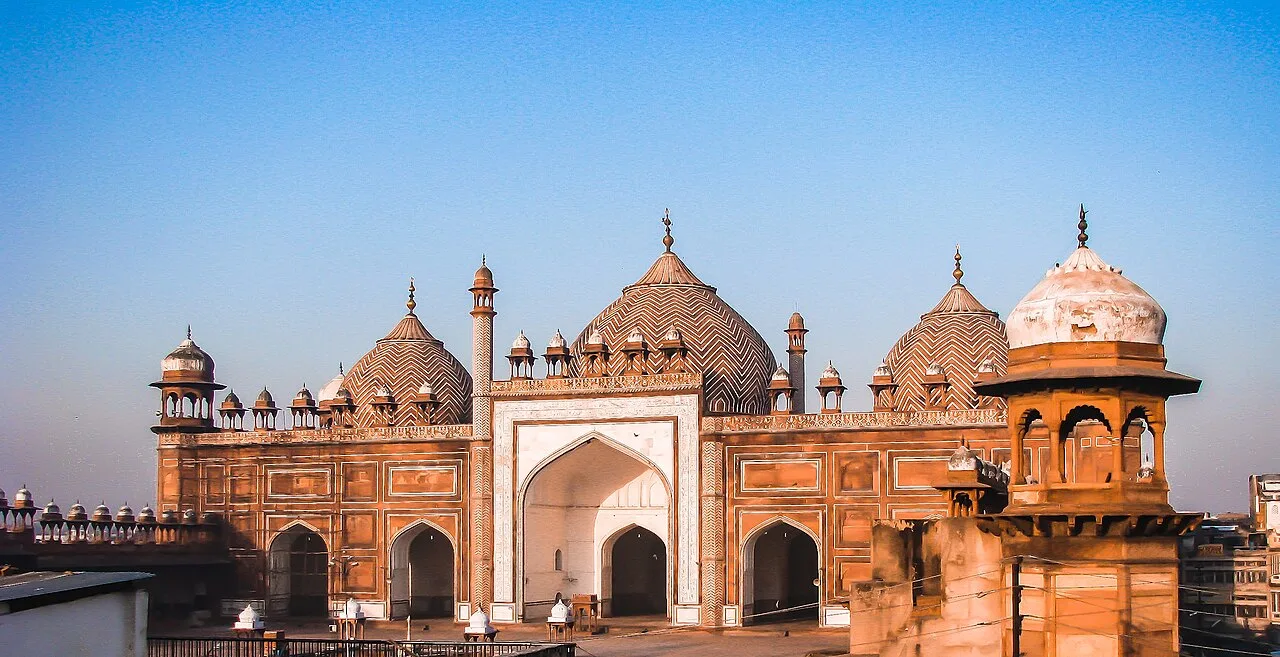
Jama Masjid, Agra

Jama Masjid is a seventeenth-century mosque in Agra, built by Jahanara Begum during Shah Jahan’s reign. Visitors come to see the city’s principal mosque, situated near Agra Fort.

Mehtab Bagh

Agra district

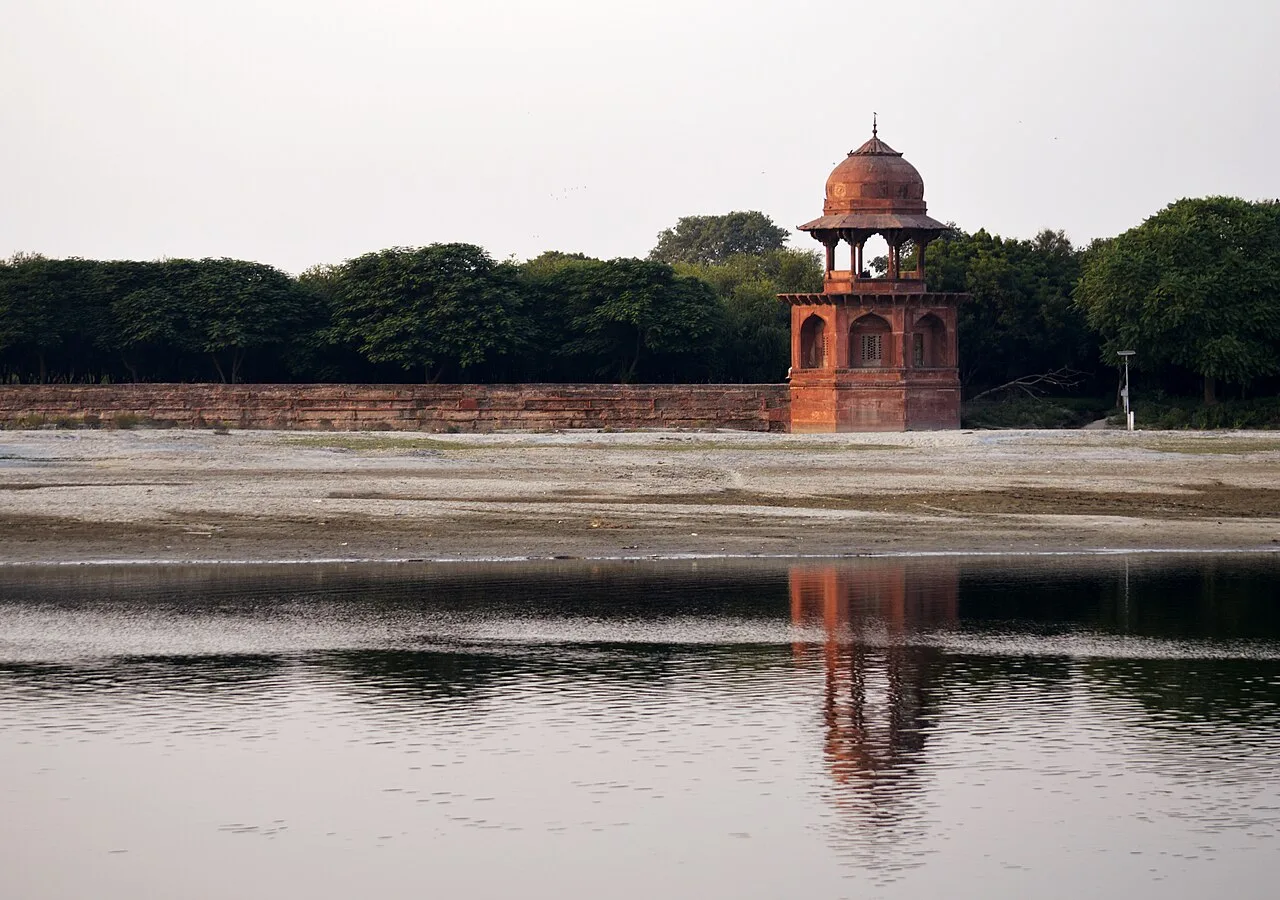
Mehtab Bagh

Mehtab Bagh is a square charbagh garden in Agra, Uttar Pradesh, across the Yamuna from the Taj Mahal. Visitors come to see its carefully aligned setting opposite the monument.

Agra district

Sur Sarovar Bird Sanctuary (Keetham Lake)

Sur Sarovar Bird Sanctuary, also called Keetham Lake, is a Ramsar-protected wetland in Agra district, Uttar Pradesh. Visitors come to see its birdlife, open water and artificial islands.

Taj Mahal

Agra district

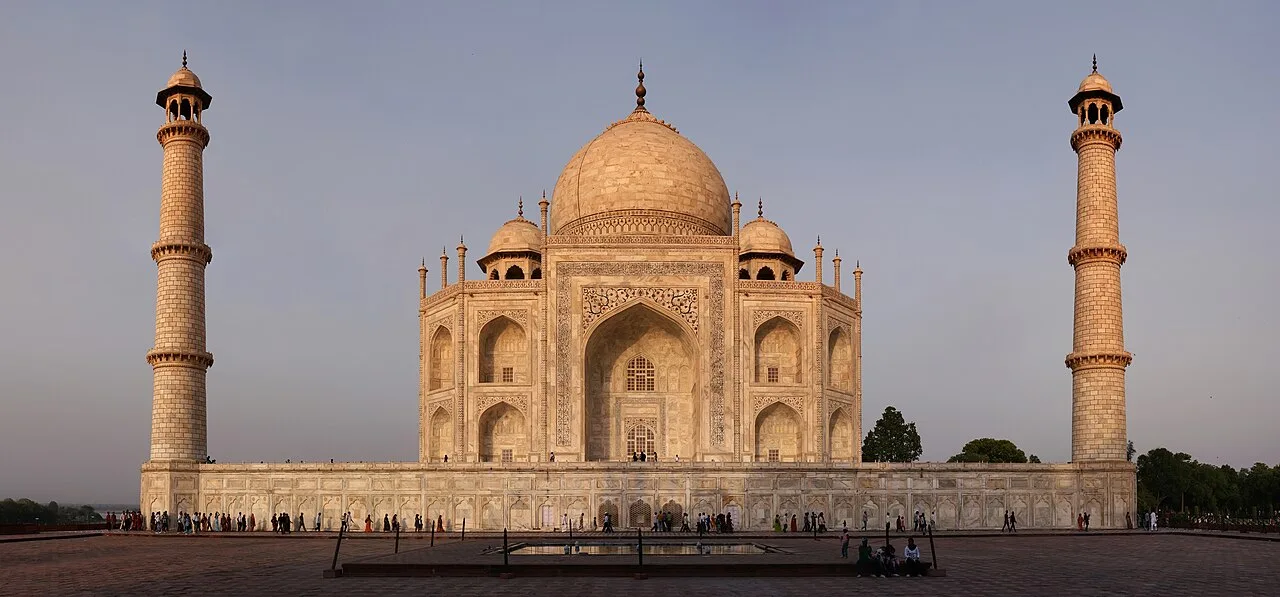
Taj Mahal

The Taj Mahal is a marble tomb complex in Agra, built for Mumtaz Mahal and Shah Jahan. Visitors come to see its Mughal architecture, gardens and memorials.

Tomb of Mariam-uz-Zamani

Agra district

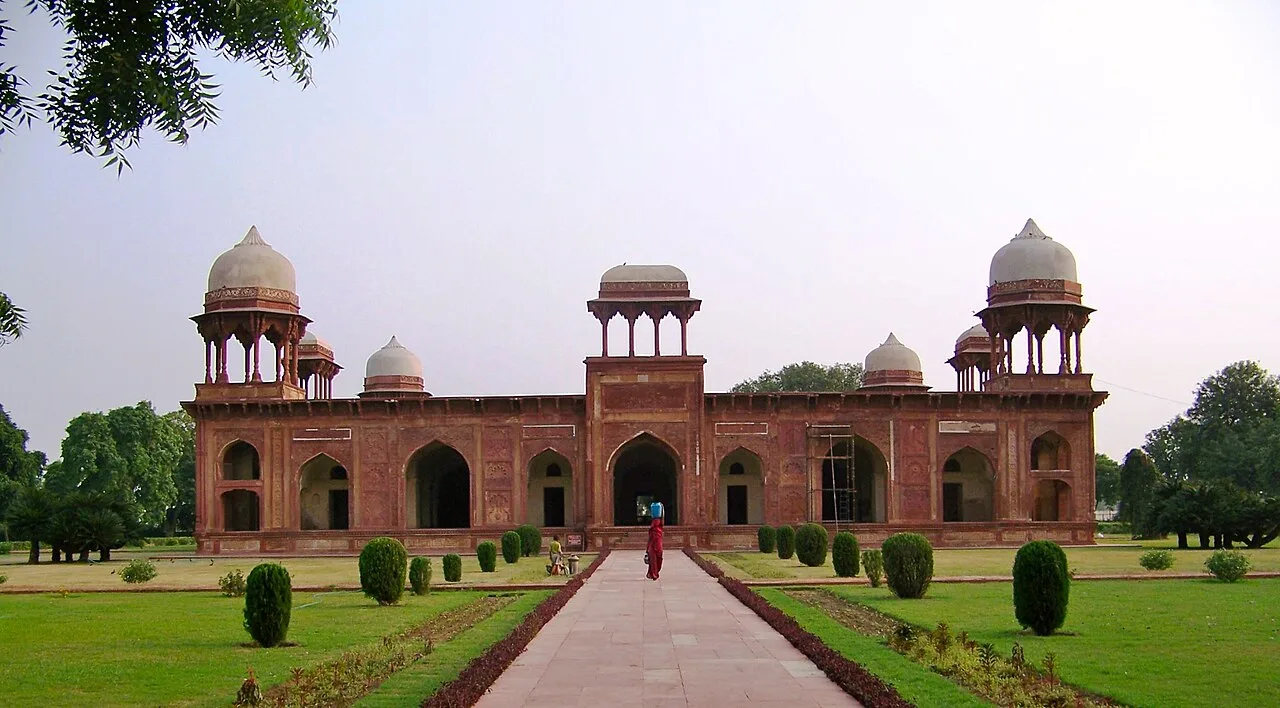
Tomb of Mariam-uz-Zamani

The Tomb of Mariam-uz-Zamani is the mausoleum of Akbar’s wife, built by their son Jahangir. Visitors come to see her burial place beside Akbar’s tomb.

Map

Agra on the map

  1. 1Agra Fort
  2. 2Akbar's tomb
  3. 3Chini Ka Rauza
  4. 4Guru ka Taal Gurdwara
  5. 5Itmad Ud Daulah
  6. 6Jama Masjid, Agra
  7. 7Mehtab Bagh
  8. 8Sur Sarovar Bird Sanctuary (Keetham Lake)
  9. 9Taj Mahal
  10. 10Tomb of Mariam-uz-Zamani

Uttar Pradesh

Other cities to explore