
Ghumoopedia — Explore, Discover, Experience
Sign in
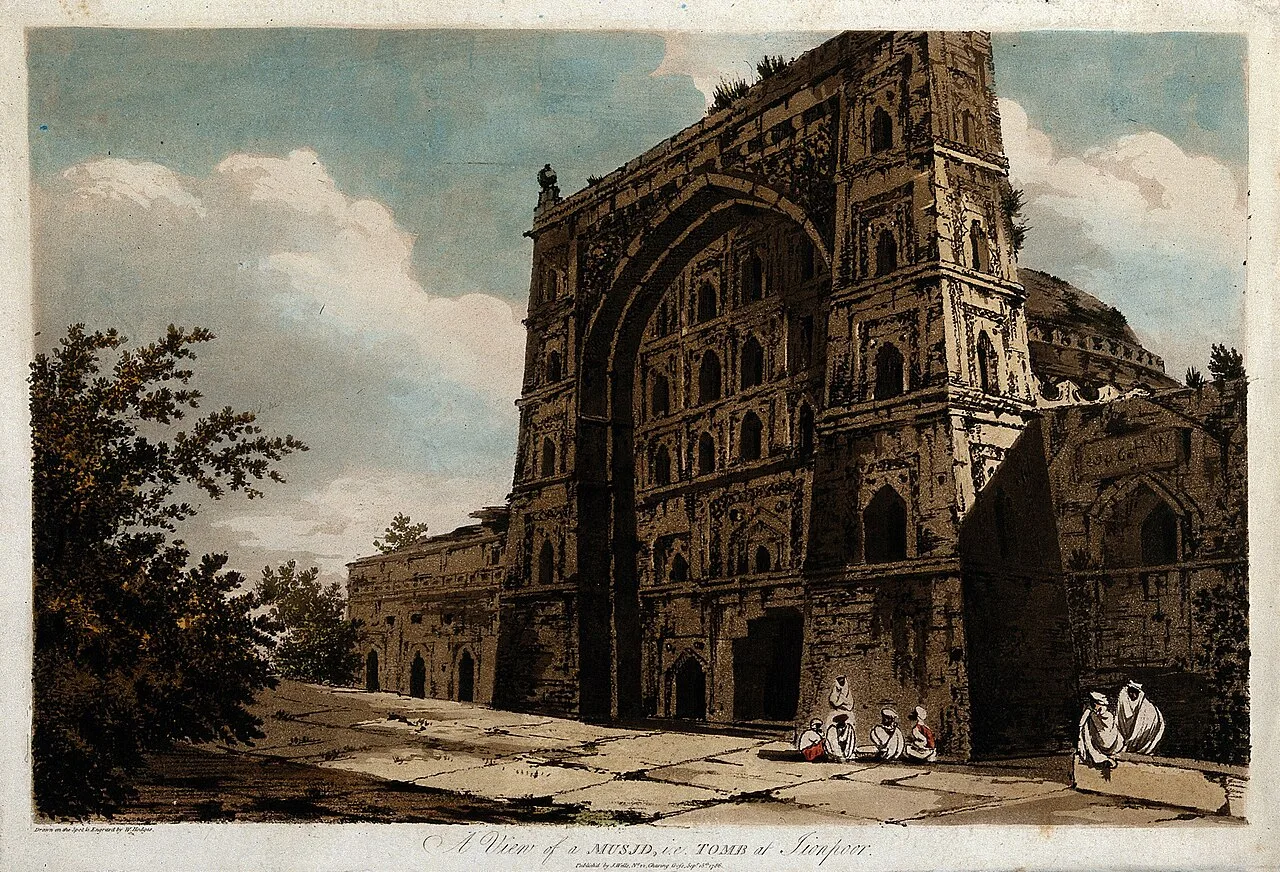
Atala Mosque, near Jaunpur

City guide · Uttar Pradesh

Jaunpur

Jaunpur is a historic city in eastern Uttar Pradesh and the administrative centre of its district. Set on the Gomti River, it serves as a regional hub for government services, education, trade and transport across the surrounding Purvanchal countryside.

Famous for

  • Atala Masjid
  • Sharqi architecture
  • Jaunpur Imarti
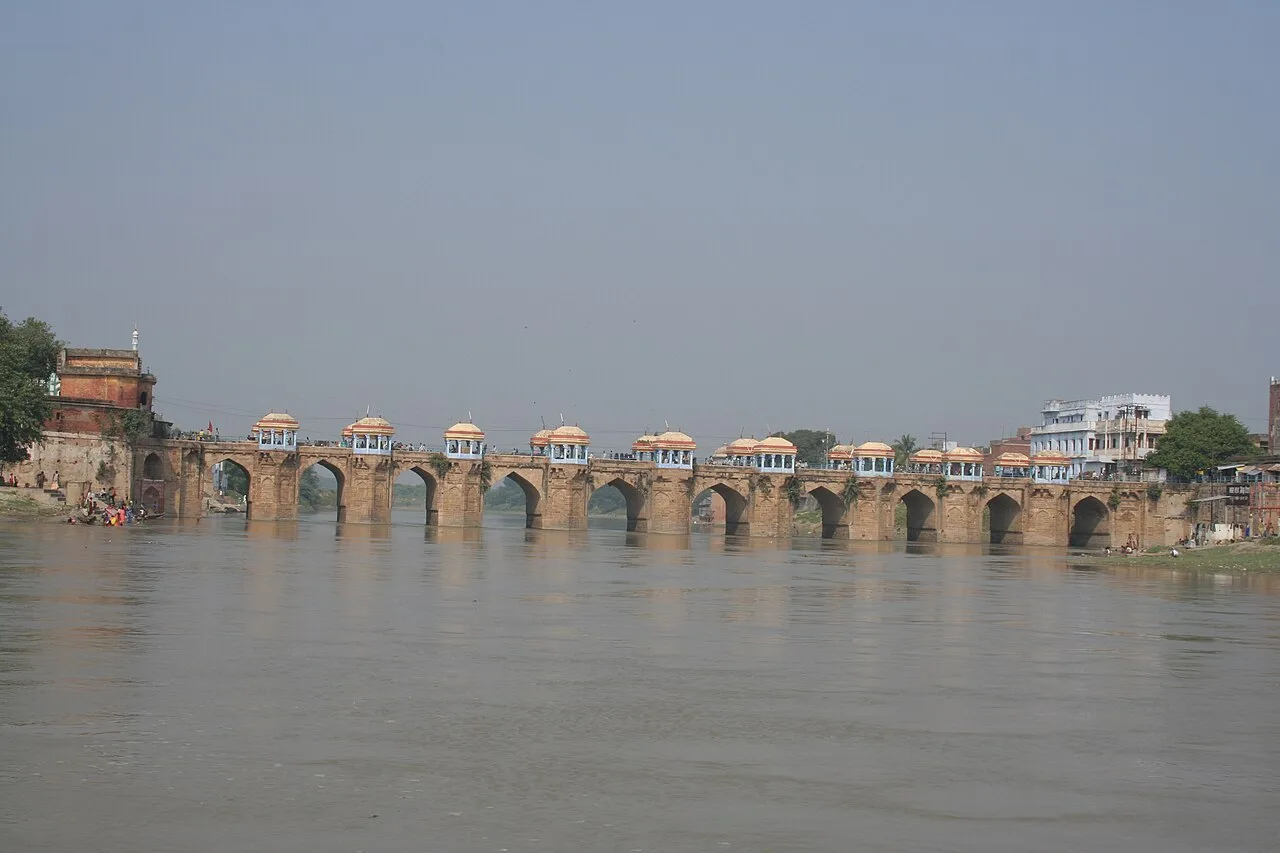
  • Gomti River bridge
  • Shahi Qila
In the city
2
District
Jaunpur

Why Jaunpur matters

Jaunpur is a historic city in eastern Uttar Pradesh and the administrative centre of its district. Set on the Gomti River, it serves as a regional hub for government services, education, trade and transport across the surrounding Purvanchal countryside. Its most distinctive legacy is the 15th-century Sharqi Sultanate, whose mosques give the city a striking architectural character found nowhere else in quite the same form.

Visitors come to see Atala Masjid, Jama Masjid and Lal Darwaza Masjid, as well as the riverside Shahi Qila and the old stone bridge across the Gomti. The monuments bring together Islamic design and elements shaped by local building traditions. Jaunpur is also associated with Jaunpur Imarti, a well-known local sweet, and with a lively calendar of Hindu and Muslim festivals. It makes a rewarding stop for travellers interested in medieval north Indian history, architecture and everyday life in a regional city. Its location within reach of Varanasi also makes it a possible addition to a wider eastern Uttar Pradesh itinerary.
Famous for: crafts, trade & products

Jaunpur’s best-known local food product is Jaunpur Imarti, a flower-shaped sweet made from urad-dal batter and fried before being soaked in syrup. It is sold at sweet shops across the city, including central market areas such as Olandganj. The imarti has received a Geographical Indication, recognising its association with the region. Visitors can ask local shopkeepers for a fresh batch rather than expecting a dedicated visitor centre or craft market.

Jaunpur is not particularly known as a major centre for sarees, textiles or a single signature handicraft. Its commercial life is instead rooted in everyday retail and regional trade: central bazaars supply food, clothing, household goods and farm-related needs to the city and nearby communities. These markets are useful places to sample sweets and observe local commerce, but they are not specialist craft districts. The city’s most distinctive heritage remains its Sharqi-era buildings, especially the mosques, whose stonework and architectural forms are a more visible expression of local identity than a widely marketed craft tradition.

History

Jaunpur’s early history includes local Ahir and Yadav rulers, while the Bhars also held influence in the area. In 1359, Delhi Sultan Firoz Shah Tughlaq captured the city and named it for Jauna Khan, the birth name of his cousin Muhammad bin Tughluq. Malik Sarwar asserted independence in the late 14th century, establishing the Sharqi dynasty with his adopted son. Under the Sharqis, Jaunpur became a powerful sultanate and a centre of learning and building; the Atala, Jama and Lal Darwaza mosques date from this era. The Delhi Sultanate regained control towards the end of the 15th century.

Mughal-era Jaunpur retained important landmarks, including the stone bridge over the Gomti, built in 1564 under Akbar. Under British rule the district became an administrative centre, and the region was affected by the 1857 uprising and its suppression. Today Jaunpur continues as the district headquarters, with its historic core alongside modern civic, educational and commercial activity.

Food, festivals & culture

Jaunpur’s food reflects eastern Uttar Pradesh’s everyday cooking, with wheat breads, rice, lentils and seasonal vegetables common at local tables. Jaunpur Imarti is the city’s signature sweet; jalebi and other familiar north Indian sweets are also easy to find. Central sweet shops and bazaars offer a taste of local food culture, while restaurants serve regional and broader north Indian dishes.

Hindi and Urdu are widely used, with local speech shaped by the languages and dialects of Purvanchal. Holi and Diwali bring seasonal Hindu celebrations, while Navratri and Chhath are observed in their usual autumn periods. Eid and Muharram are important occasions for the city’s Muslim communities. The historic mosques, including Atala Masjid, Jama Masjid and Lal Darwaza Masjid, sit alongside Hindu places of worship such as Chaukiya Devi temple. Folk singing traditions, including biraha and seasonal kajri, form part of the wider regional cultural setting; Jaunpur is better known for its architecture than for a distinct city-specific dance form.

Visiting the city

October to March is generally the most comfortable period to explore Jaunpur, with milder weather than the hot summer months and monsoon season. The nearest major airport is Lal Bahadur Shastri International Airport in Varanasi. Jaunpur Junction is the principal railway station; Jaunpur City is another station serving the city.

Auto-rickshaws and e-rickshaws are practical for short trips, and taxis can be useful for reaching sites farther apart. The old-city area around the Sharqi mosques is best explored at an unhurried pace; the Gomti riverfront, Shahi Qila and historic bridge are other worthwhile stops. Central areas such as Olandganj offer shops and places to try local sweets. Dress respectfully at religious sites and check locally for access conditions, as these can vary.

Attractions

Places to visit in Jaunpur

Sights within about 12 km of each other, even when they fall in different districts.

Map

Jaunpur on the map

  1. 1Atala Mosque
  2. 2Shahi Bridge

Uttar Pradesh

Other cities to explore