
Ghumoopedia — Explore, Discover, Experience
Sign in
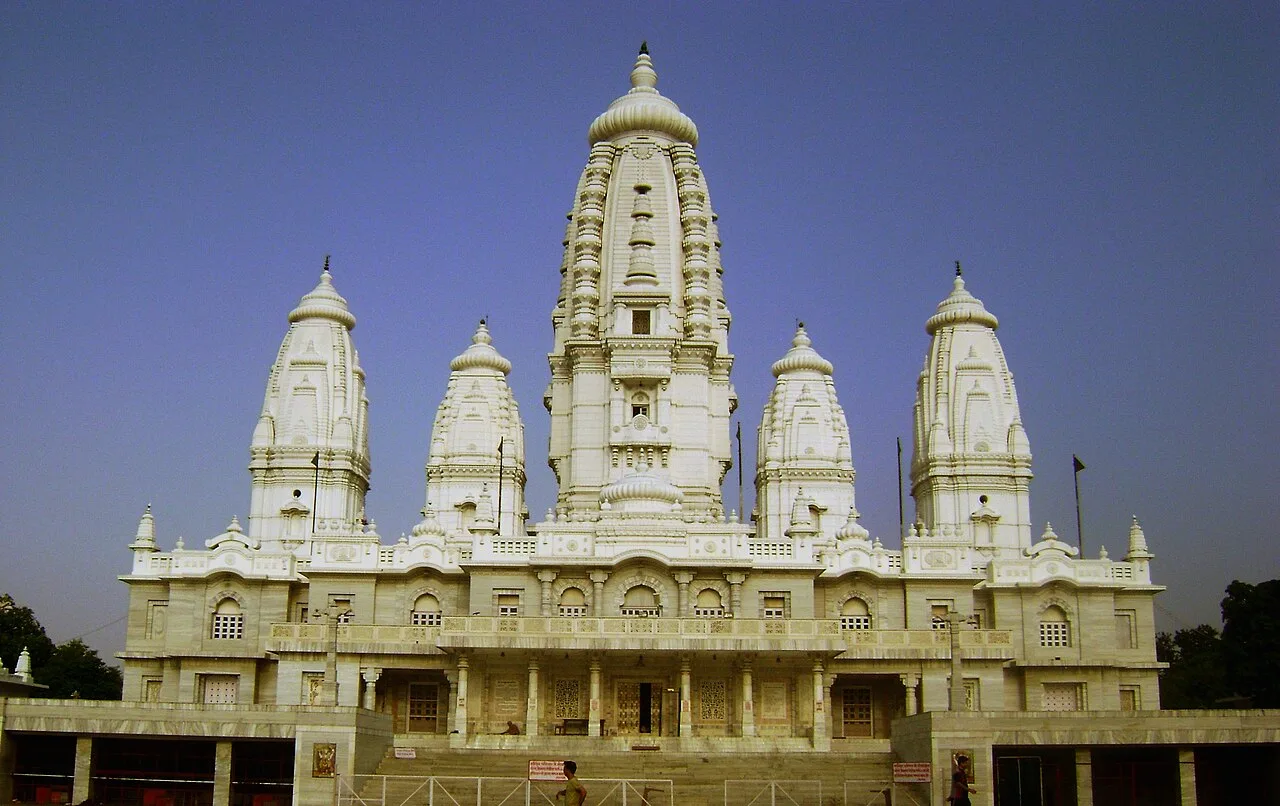
JK Temple, near Kanpur

City guide · Uttar Pradesh

Kanpur

Kanpur is a major industrial, educational and transport centre in central Uttar Pradesh. Set on the Ganga, it serves as a hub for the surrounding districts and is the headquarters of the Kanpur division.

Famous for

  • Leather goods and saddlery
  • Cotton textiles and hosiery
  • Ganga riverfront ghats
  • Kanpur Cantonment heritage
  • Thaggu ke Laddu
  • IIT Kanpur
In the city
1
District
Kanpur Nagar

Why Kanpur matters

Kanpur is a major industrial, educational and transport centre in central Uttar Pradesh. Set on the Ganga, it serves as a hub for the surrounding districts and is the headquarters of the Kanpur division. Its industries, universities and hospitals give the city an important role in the region, while Kanpur Cantonment adds a distinct military and colonial-era presence alongside the busy urban core.

Visitors can explore the riverfront at Sarsaiya and Sati Chaura ghats, the historic neighbourhood of Jajmau, and landmarks such as Nana Rao Park, the Kanpur Memorial Church and the Kanpur Museum at Phool Bagh. Temples, markets and old cantonment streets offer a sense of the city’s varied character. Kanpur is especially associated with leather goods, saddlery, textiles and hosiery, as well as popular sweets and street food. It also draws students and researchers to institutions including IIT Kanpur and the Harcourt Butler Technical University. Nearby Bithoor, with its riverside ghats and religious sites, makes a rewarding excursion.

Famous for: crafts, trade & products

Kanpur’s best-known traditional industries are leather goods and saddlery, with production and trade concentrated around Jajmau. The city also has a long association with cotton textiles, hosiery and other manufacturing. Shops and wholesalers in areas such as Naveen Market, Sisamau and Birhana Road offer clothing, footwear, accessories and everyday goods; Mall Road has a mix of established businesses and modern retail. Jajmau is the area to explore for leather workshops and outlets, though visitors should check product quality and sourcing before buying.

The city’s commercial identity is complemented by a strong network of technical and educational institutions. IIT Kanpur and Harcourt Butler Technical University are among its prominent institutions, while the cantonment and industrial estates reflect its military and manufacturing roles. Kanpur is not chiefly known for a signature saree tradition or a widely recognized local GI-tagged craft, so visitors looking for regional specialties are more likely to find leather accessories, saddlery, hosiery and locally made garments. For edible souvenirs, sweet shops sell laddus and other traditional mithai, including the widely recognized Thaggu ke Laddu.

History

Kanpur is widely believed to have grown from settlements founded by Raja Hindu Singh Chandel; the early name is often given as Kanhpur. Several villages later became part of the expanding town. The British established a military camp in the late eighteenth century, and the area passed under British control in 1801. Its position near the Ganga and the development of roads and trade helped turn it into a major military and commercial centre. Cawnpore, the city’s former anglicized name, became an important garrison town.

During the 1857 uprising, British troops and civilians were besieged, and killings around Sati Chaura Ghat and Bibighar were followed by severe British reprisals. Responsibility and the sequence of events remain contested in historical accounts. Under colonial rule, Kanpur developed as an industrial centre, particularly for textiles and leather. After independence, it continued to grow as a manufacturing, administrative and educational hub. Kanpur Cantonment remains a neighbouring military area, while the wider city has expanded with new institutions, transport links and residential districts.

Food, festivals & culture

Kanpur’s everyday food ranges from breakfast kachori and samosa to chaat, kebabs and hearty North Indian meals. Sweet shops are part of local life, with laddus, jalebis and kulfi among familiar treats; Thaggu ke Laddu is a well-known local name. Hindi is widely spoken, alongside Urdu and regional speech such as Kanauji. The city’s cultural life reflects its mixed communities and its connections to the wider Awadh and Ganga-Yamuna region.

Holi in spring and Diwali in autumn are widely celebrated, as are Navratri and Dussehra; Eid brings family gatherings and special foods. Ganga-related observances are marked at riverside ghats. Classical and devotional music, qawwali and popular theatre forms such as nautanki are part of the broader cultural scene. Places of worship include Anandeshwar Temple, J.K. Temple and Siddhnath Temple, as well as mosques and churches across the city. The Kanpur Memorial Church and churches in the cantonment reflect the area’s colonial history, while Jajmau and the riverfront retain older religious and community traditions.

Visiting the city

The most comfortable months to visit are generally October to March, when days are cooler than in the very hot summer. The monsoon, usually from June into September, can bring heavy rain. Kanpur Airport at Chakeri is the nearest airport; Lucknow’s Chaudhary Charan Singh International Airport offers a wider range of connections. Kanpur Central is the main railway station.

Auto-rickshaws, e-rickshaws, taxis, buses and the metro can help visitors get around, though journey times vary with traffic. Civil Lines and Mall Road are convenient for central landmarks and shopping; Swaroop Nagar has restaurants and city amenities. Explore Kanpur Cantonment for its broad avenues and historic buildings, and Jajmau for its old settlement, leather trade and Ganga-side sites. Bithoor is a popular nearby outing.

Attractions

Places to visit in Kanpur

Sights within about 12 km of each other, even when they fall in different districts.

Map

Kanpur on the map

  1. 1JK Temple

Uttar Pradesh

Other cities to explore