
Ghumoopedia — Explore, Discover, Experience
Sign in
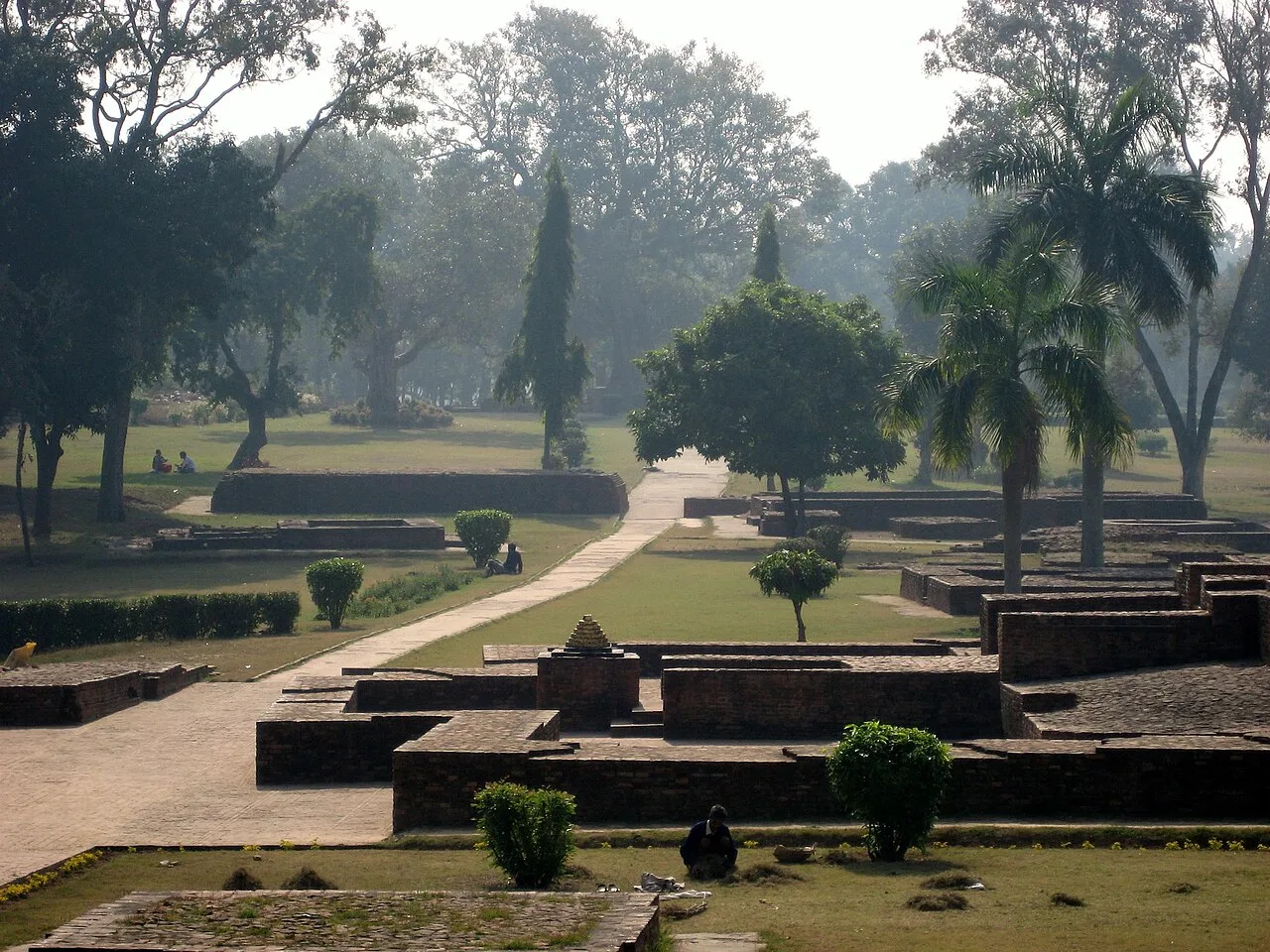
Jetavana, near Shravasti

City guide · Uttar Pradesh

Shravasti

Shravasti is a small town in northeastern Uttar Pradesh, near the Nepal border and the Rapti River. Its importance comes above all from its place in Buddhist history: ancient Shravasti was a capital of Kosala, and Buddhist tradition associates it with many of the Buddha’s teachings and years of residence.

Famous for

  • Jetavana Monastery
  • Buddha’s Sravasti miracles
  • Ancient Kosala capital
  • Buddhist pilgrimage
  • Jain heritage
In the city
2
District
Shravasti

Why Shravasti matters

Shravasti is a small town in northeastern Uttar Pradesh, near the Nepal border and the Rapti River. Its importance comes above all from its place in Buddhist history: ancient Shravasti was a capital of Kosala, and Buddhist tradition associates it with many of the Buddha’s teachings and years of residence. Pilgrims also remember it as the setting for the Sravasti miracles.

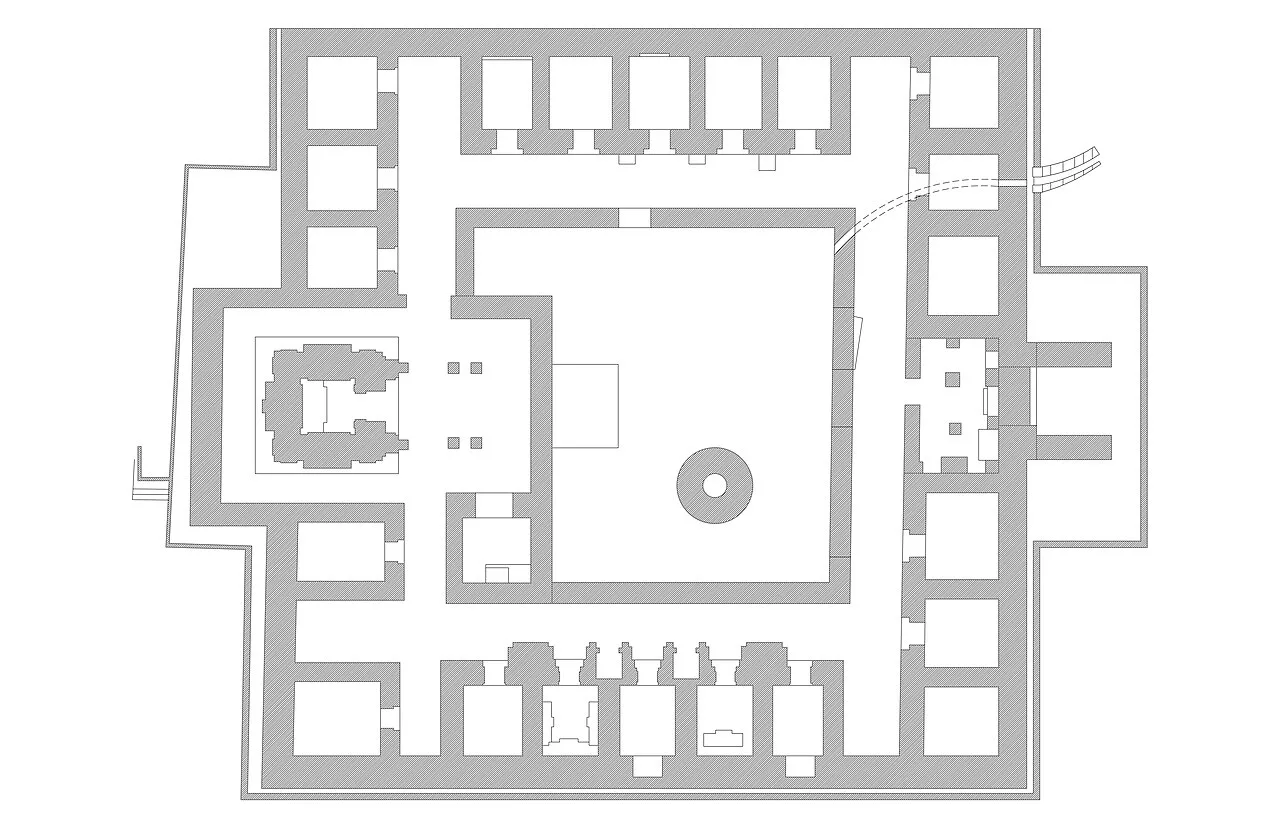
The main archaeological area is known as Saheth-Maheth. Saheth contains the Jetavana monastery remains, while Maheth preserves traces of the ancient walled city. Together, these sites draw Buddhist visitors from India and abroad, including people visiting monasteries and sacred places established by Buddhist communities from different countries. Excavations have also revealed Hindu and Jain remains, giving the area wider religious significance. Today Shravasti is a regional pilgrimage and heritage centre rather than a large commercial city. Its quiet setting, archaeological landscape and links to several Indian religious traditions make it a distinctive stop on a journey through Uttar Pradesh’s Buddhist circuit.
Famous for: crafts, trade & products

Shravasti is best known for its pilgrimage and archaeological heritage, not for a widely recognised textile, handicraft or GI-tagged product. Its local economy serves visitors as well as nearby residents. In the town bazaar and shops around the pilgrimage area, travellers can look for everyday provisions, simple clothing, snacks, पूजा items and practical travel supplies. Food and accommodation services are oriented largely towards pilgrims, with choices that may vary by season and visitor numbers.

The most distinctive local institutions are the Buddhist monasteries and religious centres near the ancient sites. Several reflect the traditions and architectural styles of Buddhist communities from different countries; they are places for worship, study and, in some cases, visitor support. Saheth and Maheth are the principal areas for heritage visits, rather than shopping districts. Visitors hoping to buy a particular craft or regional specialty should ask locally about current availability instead of assuming Shravasti has a signature product. For a broader selection of goods, larger nearby towns offer more extensive markets. The town’s strongest identity remains its role as a centre of pilgrimage and interpretation of ancient religious sites.

History

Ancient Shravasti was the capital of Kosala, a kingdom of northern India. Buddhist accounts associate it with King Prasenajit and the wealthy supporter Anathapindada, who is remembered for offering the Jetavana grove to the Buddha. Its position on major trade routes helped it grow into a prosperous urban centre. Buddhist tradition holds that the Buddha spent many rainy seasons here and taught extensively; Jain and Hindu traditions also connect the ancient city with important figures and events.

The archaeological remains at Saheth-Maheth show a long history of religious activity and construction, including Buddhist monuments and Hindu and Jain material. The city eventually declined and parts of the site were buried beneath mounds. Medieval Islamic tombs also survive near Maheth. British and Indian archaeologists brought the ruins to wider scholarly attention in the late nineteenth century, followed by further excavations over the next century. Modern Shravasti developed as a small district town and pilgrimage base, with its present identity shaped largely by heritage tourism, religious centres and the conservation of the ancient sites.

Food, festivals & culture

Shravasti’s daily life is shaped by its mix of local residents, pilgrims and monastic communities. Hindi and Awadhi are widely used, with Urdu also spoken in the region; visitors may hear other languages at monasteries serving international Buddhist communities. The town has no single nationally famous dish. Everyday meals draw on the wider Uttar Pradesh kitchen: breads, rice, lentils and seasonal vegetables, with snacks and sweets such as kachori or jalebi available in local eateries and markets. Vegetarian food is common around pilgrimage centres.

Buddha Purnima, usually in April or May, brings special observances and visitors to Buddhist sites. Jain communities mark occasions including Mahavir Jayanti in spring and Paryushana, usually in the monsoon season. Hindu festivals such as Diwali and Holi are also observed. Prayer, chanting and devotional singing are part of life at religious centres; local folk and devotional traditions are heard in the wider region. The monasteries at Saheth and nearby worship places, alongside Hindu and Jain remains, make Shravasti a meeting point for several religious traditions.

Visiting the city

The cooler, drier months from about October to March are generally the most comfortable for exploring Shravasti; summers can be very hot and the monsoon brings rain. Shravasti Airport is the nearest airport, but services can be limited, so check current connections. For a wider choice of flights, travellers commonly use Chaudhary Charan Singh International Airport in Lucknow. Balrampur railway station is a nearby rail option; Gonda Junction is a larger, well-connected rail hub farther away.

Road travel is the main way to reach the archaeological area. Local taxis, auto-rickshaws and hired vehicles can connect the town, accommodation and the sites. Allow time to explore both Saheth, with Jetavana, and Maheth, the ancient walled-city area; they are less than two kilometres apart. The town bazaar is useful for everyday needs, while the monastery precincts offer a quieter place to visit and reflect.

Attractions

Places to visit in Shravasti

Sights within about 12 km of each other, even when they fall in different districts.

Map

Shravasti on the map

  1. 1Jetavana
  2. 2Shravasti Buddhist Site

Uttar Pradesh

Other cities to explore