
Ghumoopedia — Explore, Discover, Experience
Sign in
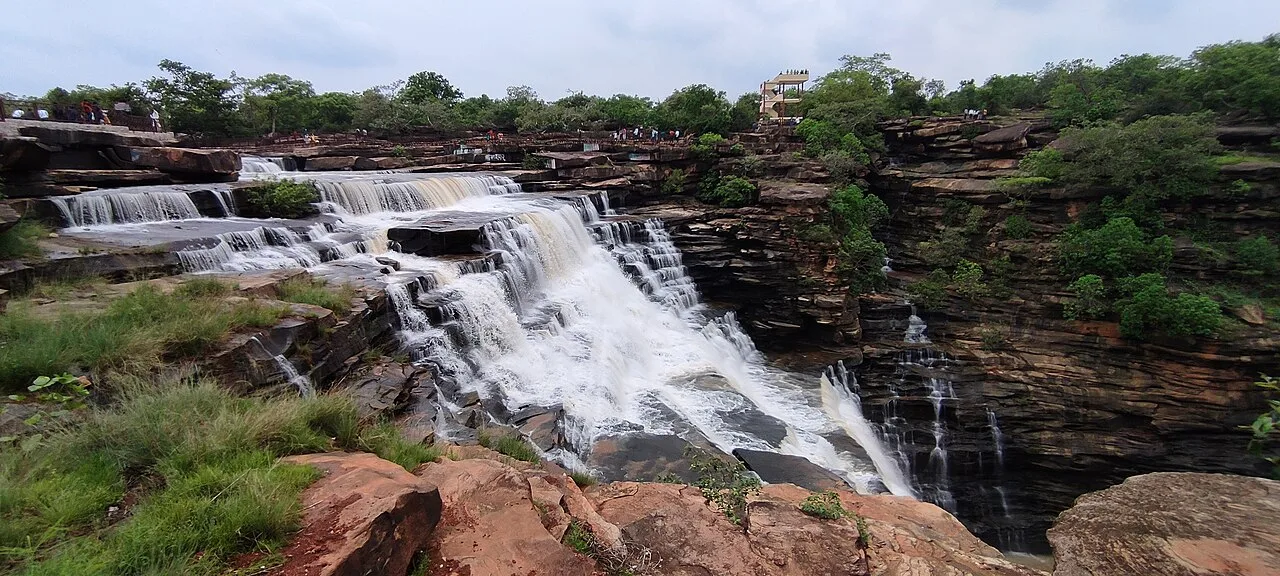
Chandra Prabha Wildlife Sanctuary, near Sadat

City guide · Uttar Pradesh

Sadat

Sadat is a town and nagar panchayat in Ghazipur district, eastern Uttar Pradesh. Its importance is chiefly regional: it is a market centre for residents of Sadat and nearby settlements in Jakhanian tehsil, where people come for everyday shopping and services.

Famous for

  • Jakhanian tehsil market
  • Ghazipur district town
  • Local bazaar trade
  • Eastern Uttar Pradesh setting
In the city
1
District
Chandauli

Why Sadat matters

Sadat is a town and nagar panchayat in Ghazipur district, eastern Uttar Pradesh. Its importance is chiefly regional: it is a market centre for residents of Sadat and nearby settlements in Jakhanian tehsil, where people come for everyday shopping and services. The bazaar gives the town its practical, locally focused character rather than making it a destination built around major monuments or resorts.

Visitors may find Sadat useful as a stop while travelling through the Ghazipur area, or as a way to experience the rhythms of a smaller Uttar Pradesh market town. Its streets, shops and transport connections reflect daily life in the surrounding countryside. The town lies at about 68 metres above sea level, in a landscape of the eastern Gangetic plain. There is no widely established signature attraction or nationally recognised product associated with Sadat, so a visit is best approached as an opportunity to explore the local market and the wider district rather than to seek a single landmark.

Famous for: crafts, trade & products

Sadat is best known locally for its bazaar and its role in everyday commerce for Jakhanian tehsil. Shops and market stalls cater to routine needs, including groceries, household goods, clothing and other small-town essentials. The market is the most useful place for visitors to observe local trade and look for ordinary regional goods; offerings vary between shops and market days.

No particular textile, saree, handicraft, food product or industry is widely established as Sadat’s defining speciality, and the town is not known for a distinctive GI-tagged product. Visitors looking for named craft traditions or specialised manufacturing may find a broader selection in larger centres elsewhere in the region. In Sadat, it is more realistic to expect general retail than a dedicated craft district or souvenir market. The bazaar and the streets around the town centre are the natural places to browse, ask about locally made goods and buy everyday items. For products tied to a particular district or craft, confirm their origin with sellers rather than assuming they are made in Sadat.

History

Sadat’s documented modern identity is closely tied to its role as a town and nagar panchayat in Ghazipur district and as a market centre in Jakhanian tehsil. Its growth appears most clearly in the everyday functions that support surrounding settlements: shops, local services and transport links. A distinct royal court, major monument or widely recorded historical event is not associated with the town in commonly known accounts.

The wider eastern Uttar Pradesh region experienced successive political changes before and during British rule, followed by the creation of independent India’s administrative system. Those regional shifts shaped the district, but should not be confused with a specific documented episode in Sadat itself. In modern times, municipal administration and the continuing importance of the bazaar have defined the town’s civic role. Its development is best understood as that of a local service centre, connected to a largely rural hinterland, rather than as a former capital or industrial city.

Food, festivals & culture

Daily life in Sadat reflects the food and customs of eastern Uttar Pradesh. Meals commonly draw on wheat-based breads, rice, lentils, seasonal vegetables and familiar snacks such as kachori or puri-sabzi; sweets such as jalebi may be found at local shops. These are regional favourites, not exclusive Sadat specialities. Hindi is widely used, and Bhojpuri is also spoken in the surrounding area.

Hindu festivals such as Holi, Diwali and Navratri are observed in their usual spring or autumn seasons, while Eid and Muharram are important occasions for Muslim residents. Chhath, celebrated after the monsoon and again in the cooler season, is also part of the wider regional calendar. Local temples and mosques serve as places of worship and community life; visitors should ask locally about specific sites and observances. Folk and devotional songs are part of regional celebrations, though Sadat is not especially known for a distinct dance or performance tradition. Festival activity and worship practices vary among families and neighbourhoods.

Visiting the city

The cooler months, roughly from November to February, are generally more comfortable for exploring Sadat; summer can be very hot, and the monsoon brings rain. The nearest major airport is Lal Bahadur Shastri International Airport in Varanasi. Sadat Railway Station is the town’s railway station; check current connections before planning onward travel.

Local movement is usually by auto-rickshaw or shared local transport, with walking practical around the bazaar and central streets. For travel beyond town, arrange a vehicle locally or use available road and rail connections. The market area and streets around the town centre are the most useful places to explore for a short visit. Sadat is better suited to a brief stop or a base for nearby district travel than to a sightseeing itinerary centred on major attractions.

Attractions

Places to visit in Sadat

Sights within about 12 km of each other, even when they fall in different districts.

Map

Sadat on the map

  1. 1Chandra Prabha Wildlife Sanctuary

Uttar Pradesh

Other cities to explore