
Ghumoopedia — Explore, Discover, Experience
Sign in
Jhansi Fort, near Jhansi

City guide · Uttar Pradesh

Jhansi

Jhansi is a historic city in southern Uttar Pradesh and an important administrative and transport centre for the Bundelkhand region. Its position near the Pahuj River and on major rail and road routes has made it a natural meeting point for trade and travel between Uttar Pradesh, Madhya Pradesh and central India.

Famous for

  • Jhansi Fort
  • Rani Lakshmibai
  • Rani Mahal
  • Bundelkhand gateway
In the city
1
District
Jhansi

Why Jhansi matters

Jhansi is a historic city in southern Uttar Pradesh and an important administrative and transport centre for the Bundelkhand region. Its position near the Pahuj River and on major rail and road routes has made it a natural meeting point for trade and travel between Uttar Pradesh, Madhya Pradesh and central India. The city is often called the Gateway to Bundelkhand.

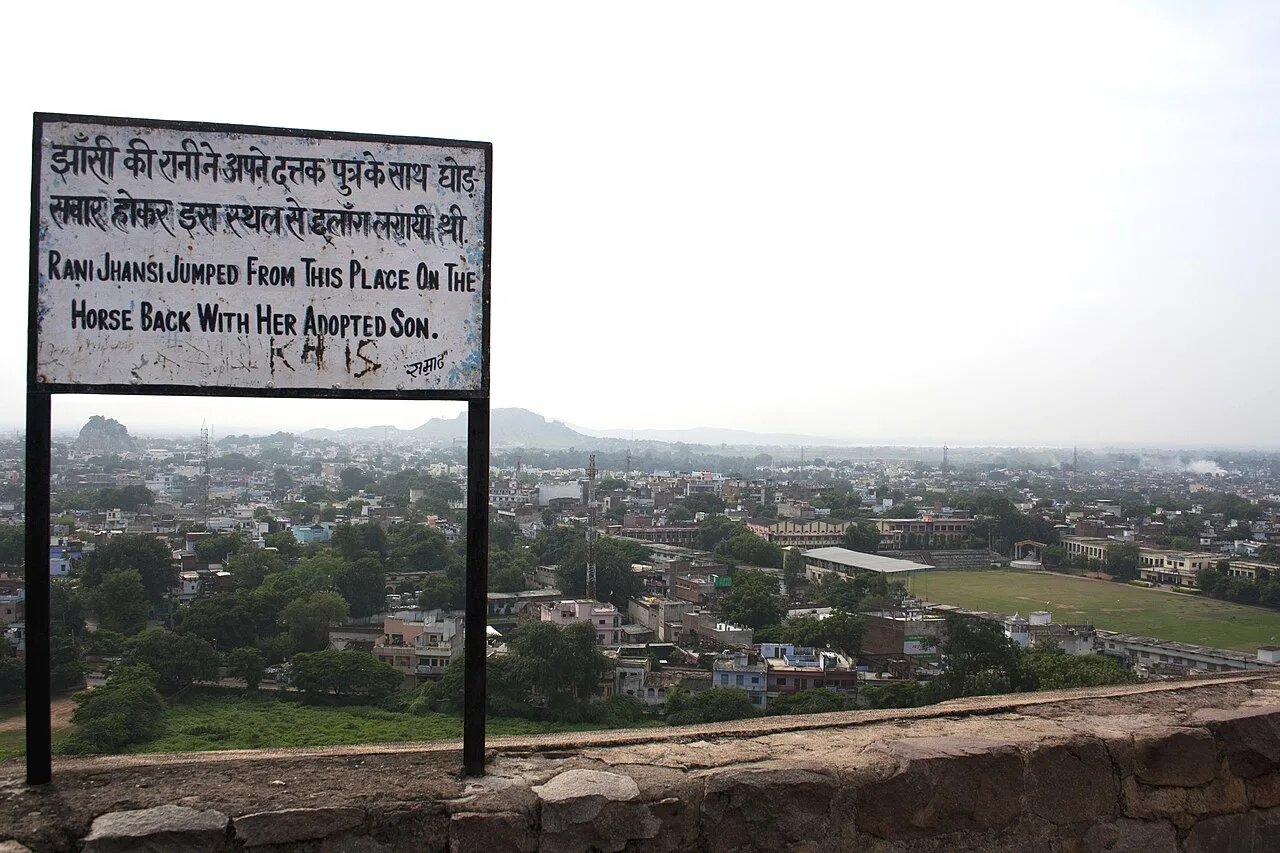
For visitors, Jhansi is closely associated with Rani Lakshmibai, the queen who became a leading figure in the uprising of 1857. Jhansi Fort, set on a rocky rise above the city, is its most prominent landmark; Rani Mahal and local museums add context to the city’s past. Travellers also use Jhansi as a base for excursions to nearby historic destinations, including Orchha. Today, government offices, railway activity, local commerce and developing industrial plans give the city a role beyond tourism. Its blend of regional history, everyday Bundeli life and convenient connections makes it a useful stop on journeys through central India.

Famous for: crafts, trade & products

Jhansi is better known for its history and regional trade than for a signature textile, handicraft or GI-tagged product. Agricultural goods have long moved through the city, and its markets serve residents and visitors from across Bundelkhand. Grain, pulses and other everyday provisions are among the kinds of goods found in local trading areas. There is no single Jhansi-made product that defines the city in the way a recognised regional craft might elsewhere.

For shopping, Sadar Bazaar, Sipri Bazaar and the old-city markets offer clothing, household goods, jewellery, snacks and everyday necessities. Shops may carry products from the wider region, including textiles and crafts brought in from neighbouring towns; ask sellers about a product’s origin if provenance matters. Visitors looking for souvenirs often choose images and small keepsakes connected with Rani Lakshmibai, the fort and the city’s heritage. Bundeli snacks and sweets are easy to find in market areas, though particular shops and specialities vary. Jhansi’s main commercial identity remains that of a busy regional market and transport hub rather than a specialised craft centre.

History

The settlement grew around Jhansi Fort, built on Bangra Hill by the Orchha ruler Bir Singh Deo in the early seventeenth century. The town was once known as Balwantnagar. It later passed through Mughal and Maratha control, and expanded significantly under Maratha governors in the eighteenth century. The Newalkar rulers subsequently governed Jhansi as a largely autonomous state.

Gangadhar Rao, the last ruler, died in 1853. The British rejected the succession of his adopted son, Damodar Rao, and annexed the state under the Doctrine of Lapse. In 1857, Lakshmibai became a prominent leader in the uprising against British rule; the fort and the queen remain central to Jhansi’s historical identity. Under British administration, a cantonment and railway connections helped shape the city’s later growth. Today Jhansi is the headquarters of its district and division, and its road and rail links support its continuing role as a regional centre.

Food, festivals & culture

Jhansi’s everyday culture reflects Bundelkhand, with Hindi and Bundeli widely heard in homes and markets. Local meals draw on the region’s hearty cooking, while street stalls and sweet shops commonly offer snacks such as kachori, samosa and jalebi. Sweets and savoury specialities vary from shop to shop, so asking locally is a good way to find seasonal or neighbourhood favourites.

Holi in spring and Diwali in autumn are major celebrations, alongside Navratri and Dussehra. Religious life is visible at the Mahalakshmi Temple and other Hindu shrines, as well as at St Jude’s Shrine, an important Catholic place of worship. Bundeli folk traditions include the energetic Rai dance and Alha ballads, which recount heroic stories and are performed at cultural gatherings. The city’s historical identity is also celebrated through events and public interest centred on Rani Lakshmibai. Visitors can encounter this mix of devotion, performance and regional pride in both formal celebrations and ordinary neighbourhood life.

Visiting the city

The most comfortable months to visit are generally October to March, when days are milder than in the hot summer season. Jhansi is served by Veerangana Lakshmibai Jhansi Junction, a major railway station. The nearest airport with regular commercial connections is Gwalior Airport; check current routes before planning onward travel. Local buses, auto-rickshaws, e-rickshaws and taxis are useful for getting around, while a hired vehicle can help with excursions beyond the city.

Allow time for Jhansi Fort, Rani Mahal and the old-city lanes and markets. Sadar Bazaar and Sipri Bazaar are useful areas for shopping and sampling local food; Civil Lines offers a more spacious, planned part of town. Jhansi also makes a practical base for visiting Orchha, though it is in neighbouring Madhya Pradesh. Carry water and sun protection when exploring exposed fort grounds in warmer weather.

Attractions

Places to visit in Jhansi

Sights within about 12 km of each other, even when they fall in different districts.

Map

Jhansi on the map

  1. 1Jhansi Fort

Uttar Pradesh

Other cities to explore