Ghumoopedia — Explore, Discover, Experience
Sign in
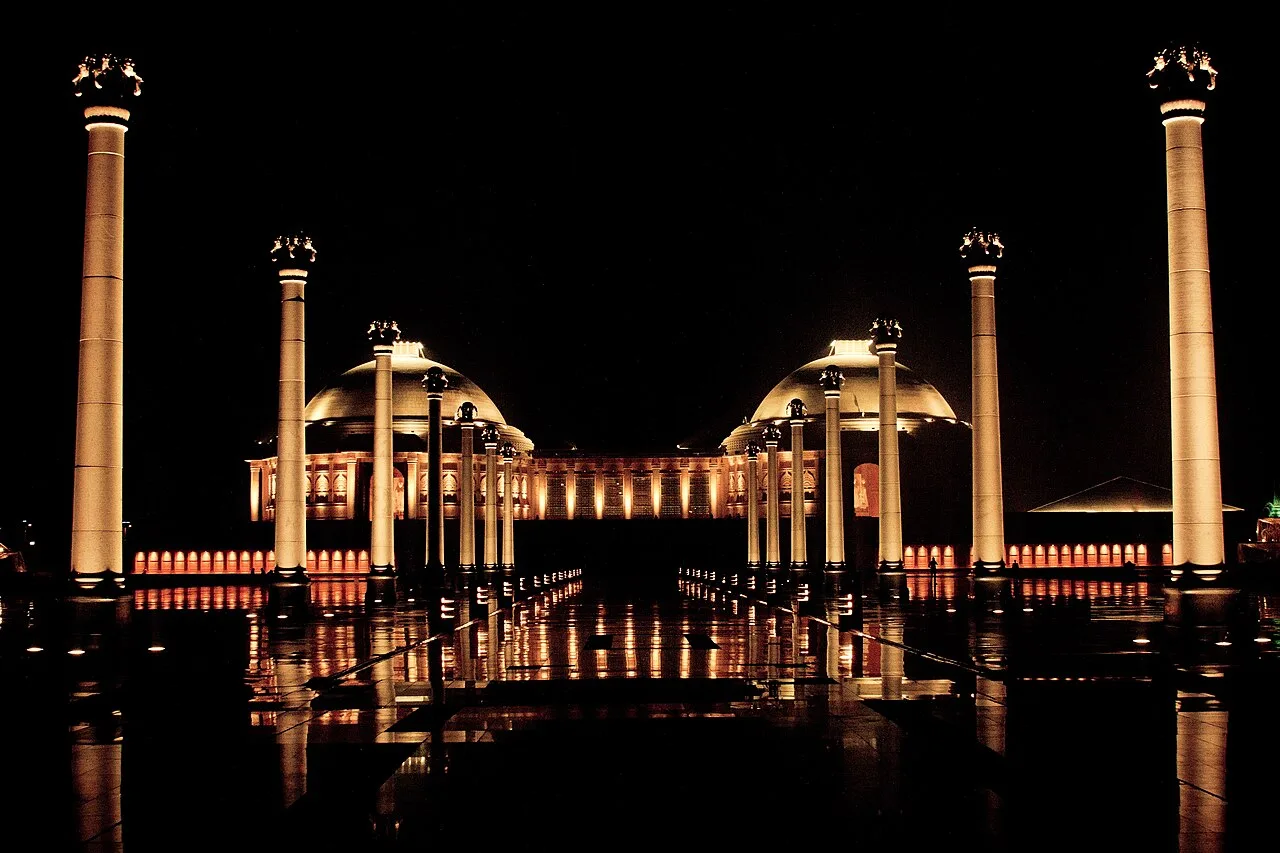
Ambedkar Memorial Park, near Lucknow

City guide · Uttar Pradesh

Lucknow

Lucknow is the capital of Uttar Pradesh and a major centre for government, education, business and culture in northern India. Its history as the capital of Awadh is visible in grand gateways, imambaras, mosques and the remains of the British Residency.

Famous for

  • Lucknow chikankari
  • Awadhi cuisine
  • Bara Imambara
  • Lucknow zardozi
  • Kathak and thumri
In the city
11
District
Lucknow

Why Lucknow matters

Lucknow is the capital of Uttar Pradesh and a major centre for government, education, business and culture in northern India. Its history as the capital of Awadh is visible in grand gateways, imambaras, mosques and the remains of the British Residency. Visitors come for this architectural heritage, the city’s distinctive Urdu and Awadhi traditions, and its celebrated food. UNESCO has recognised Lucknow as a City of Gastronomy, reflecting a culinary culture shaped by courtly kitchens and generations of local cooks.

The city is also a living urban centre, with universities, research institutions, information technology, pharmaceutical and automobile activity, and the Indian Army’s Central Command. Institutions such as IIM Lucknow and the Central Drug Research Institute contribute to its educational and research profile. In the old quarters, markets and historic lanes sit alongside newer commercial districts and expanding neighbourhoods. Lucknow’s reputation for hospitality and refined manners—often associated with the idea of Ganga-Jamuni tehzeeb—adds another dimension to a visit: its cultural identity has been formed through long interaction among communities and traditions.
Famous for: crafts, trade & products

Lucknow is especially associated with chikankari, a delicate form of hand embroidery worked on clothing and household textiles. It is a Geographical Indication-tagged craft, as is Lucknow zardozi, the use of metallic thread and embellishment. Traditional work can be found in the old city, particularly around Chowk, as well as in specialist shops and emporiums in Hazratganj. Aminabad is a busy place to browse for garments, accessories and everyday goods; compare workmanship and ask about the embroidery technique when shopping.

The city’s food trade ranges from kebab and biryani specialists to sweet shops and street-food stalls. Chowk and Aminabad are well known for food and shopping, while Hazratganj has established retailers and cafés. Uttar Pradesh’s Malihabadi Dussehri mango, a GI-tagged fruit grown in the wider Lucknow region, is sought after in its summer season; it is not a year-round market product. Lucknow also has modern activity in information technology, pharmaceuticals, automobile manufacturing and aerospace-related work. Its universities, research centres and institutions—including IIM Lucknow and the Central Drug Research Institute—are important parts of the city’s economic and intellectual life.

History

The Lucknow region was part of Kosala in the first millennium BCE. Over subsequent centuries it came under the Delhi Sultanate, the Sharqi rulers of Jaunpur and the Mughal Empire. Awadh emerged as a powerful province as Mughal authority weakened. Asaf-ud-Daula moved his court from Faizabad to Lucknow in 1775, beginning a period of major building and court patronage. The Bara Imambara, Chota Imambara and Rumi Darwaza reflect that era’s architectural ambition and cultural life.

The East India Company annexed Awadh in 1856, citing maladministration. Lucknow became a major centre of the 1857 uprising; the Residency, besieged during the conflict, is now a site of ruins and remembrance. Under British rule, the city became the provincial capital in 1920. The 1916 Congress session and Lucknow Pact also gave it a place in the history of India’s independence movement. After independence in 1947, Lucknow remained the capital of Uttar Pradesh. Its growth since then has included expanding public institutions, universities, transport links and newer commercial districts.

Food, festivals & culture

Awadhi cooking is central to Lucknow’s identity. Galouti and kakori kebabs, biryani, nihari with kulcha, and sheermal are among the dishes to seek out. Street food includes basket chaat, while sweets and seasonal treats range from rewadi to winter malai makhan. Long-established food shops are found in areas such as Chowk and Aminabad, alongside restaurants across the city.

Hindi and Urdu are widely spoken, and Awadhi remains part of local speech and expression. The city is closely linked with kathak, thumri, dadra, poetry and refined Urdu literary traditions. Diwali is celebrated in autumn and Holi in spring; Eid follows the Islamic lunar calendar, while Muharram is observed with solemn religious gatherings and processions. The old city’s imambaras and mosques are important places of worship and heritage. Temples, including Hanuman Setu, serve Hindu devotees, and the city’s religious life reflects its varied communities and traditions.

Visiting the city

October to March is generally the most comfortable period to visit, with cooler days for exploring monuments and markets. Summers can be very hot, while the monsoon brings rain and humid conditions. Chaudhary Charan Singh International Airport serves the city. Lucknow Charbagh railway station is the principal rail hub, with Lucknow Junction nearby in the same station district.

The Lucknow Metro, city buses, taxis, auto-rickshaws and e-rickshaws are useful for getting around; walking works well in compact market lanes, though traffic can be busy. Explore the old city around Chowk, the Imambaras and Rumi Darwaza, then browse Aminabad or the more central shops and cafés of Hazratganj. The Residency offers a quieter visit focused on the events of 1857. Gomti Nagar provides a contrasting view of newer offices, shopping and dining areas.

Attractions

Places to visit in Lucknow

Sights within about 12 km of each other, even when they fall in different districts.

Ambedkar Memorial Park

Lucknow district

Ambedkar Memorial Park

Dr. Bhimrao Ambedkar Samajik Parivartan Sthal in Gomti Nagar, Lucknow, is a public memorial honouring B. R. Ambedkar and other leaders. Visitors come to view its commemorative features, including 124 monumental elephants.

Bara Imambara

Lucknow district

Bara Imambara

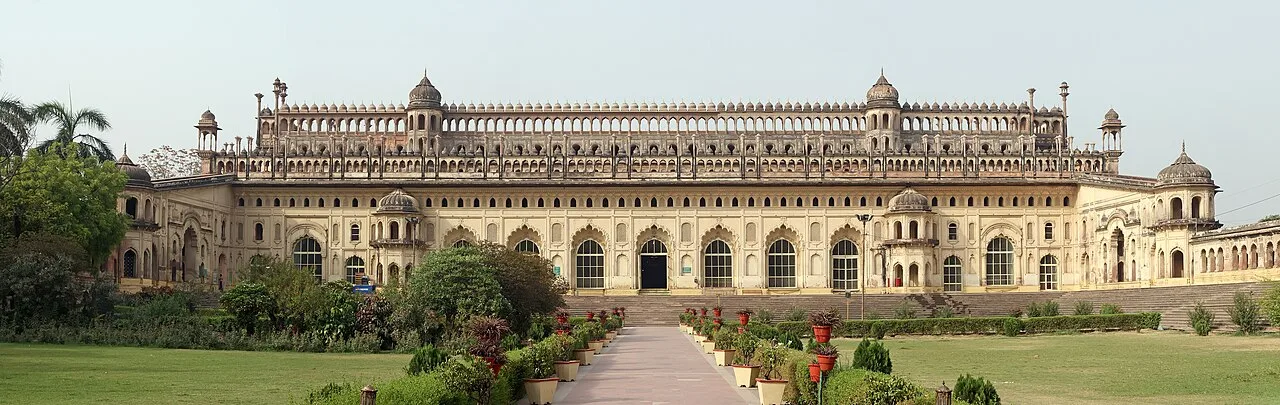
Bara Imambara, also known as the Asafi Imambara, is a religious complex in Lucknow. Visitors come to see its imambara and mosque and its status as a nationally important monument.

Chota Imambara

Lucknow district

Chota Imambara

Chota Imambara, also called Imambara Hussainabad Mubarak, is a Shia religious hall and mausoleum in Lucknow. Visitors come to see its decorated interiors, calligraphy and distinctive ceremonial features.

Dilkusha Kothi

Lucknow district

Dilkusha Kothi

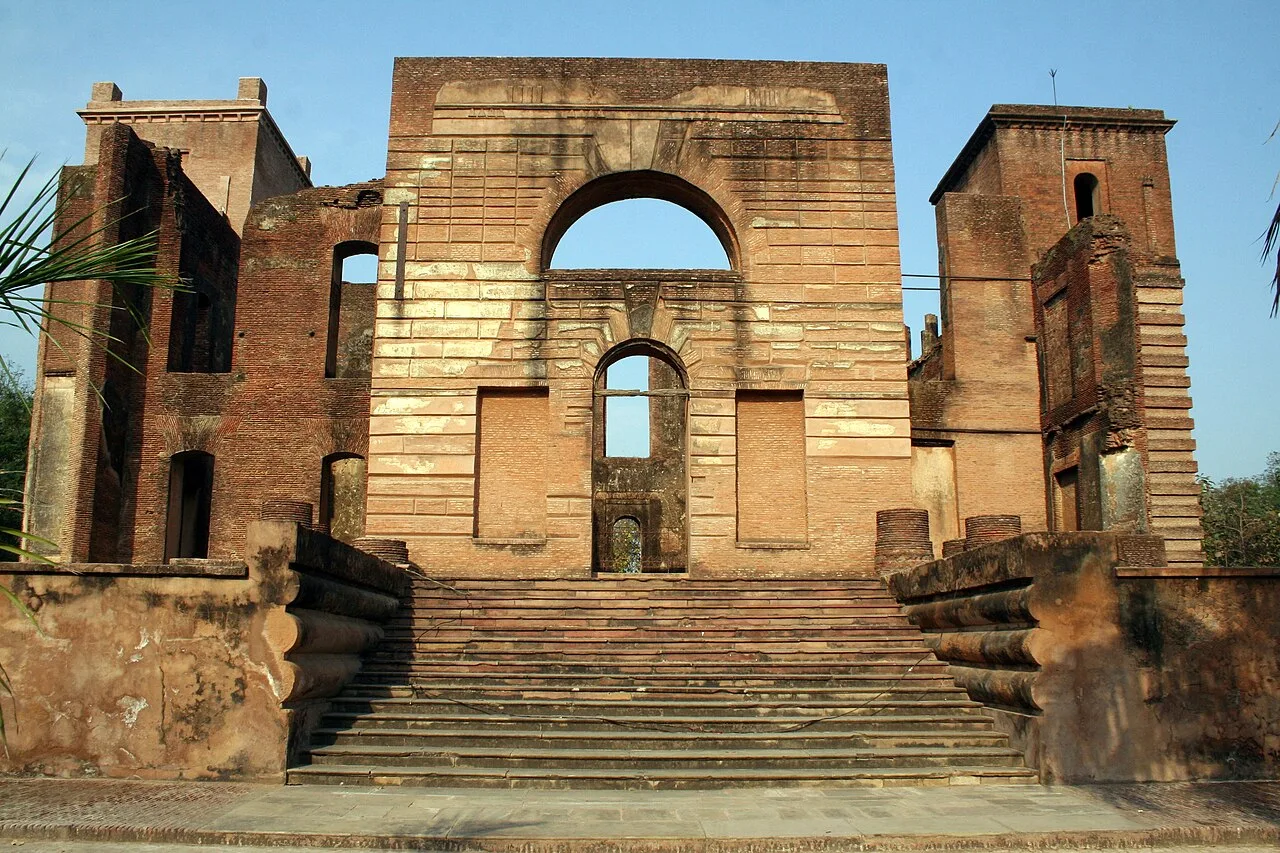
Dilkusha Kothi is an eighteenth-century English Baroque residence in Lucknow, now a monument of surviving towers, outer walls and gardens, visited for its historic remains and links to the 1857 siege.

Hazratganj Market

Lucknow district

Hazratganj Market

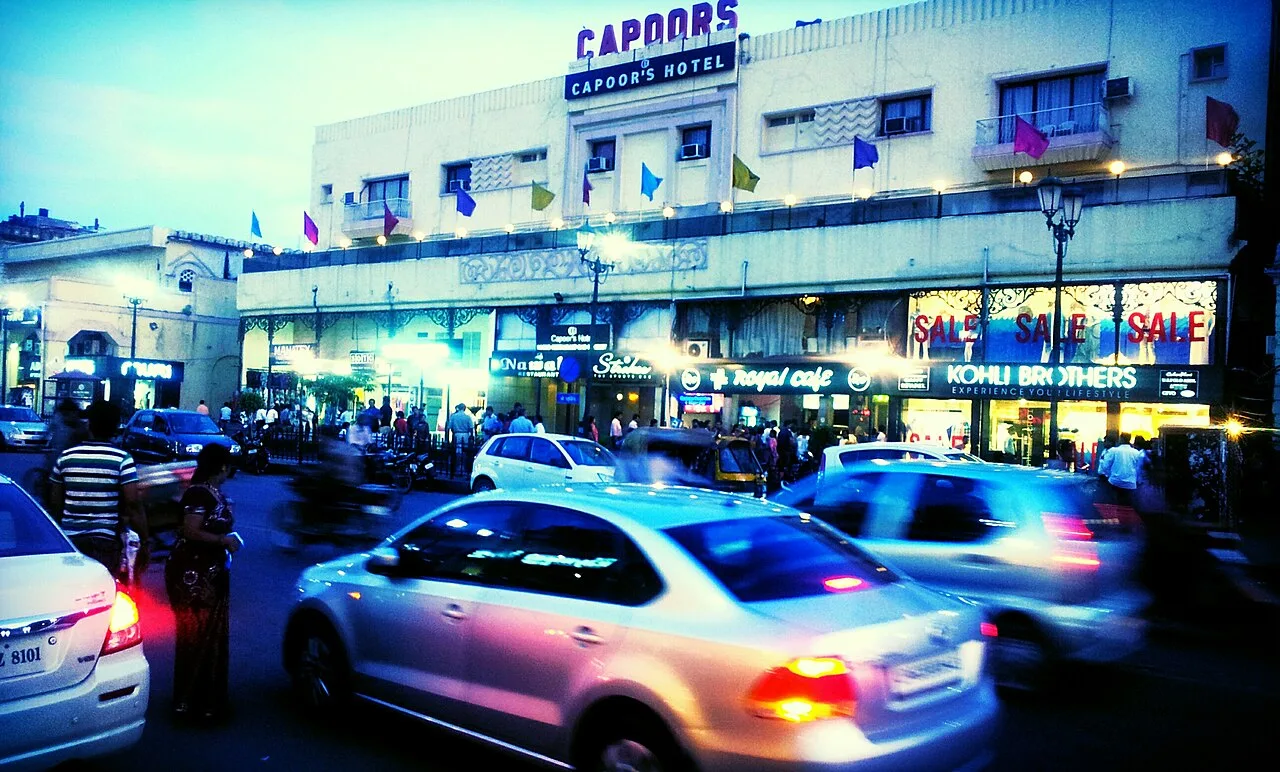
Hazratganj Market is a commercial and shopping area in Lucknow, Uttar Pradesh. Visitors come for its bazaars, retail and dining options, entertainment venues and access to the metro.

Husainabad Clock Tower

Lucknow district

Husainabad Clock Tower

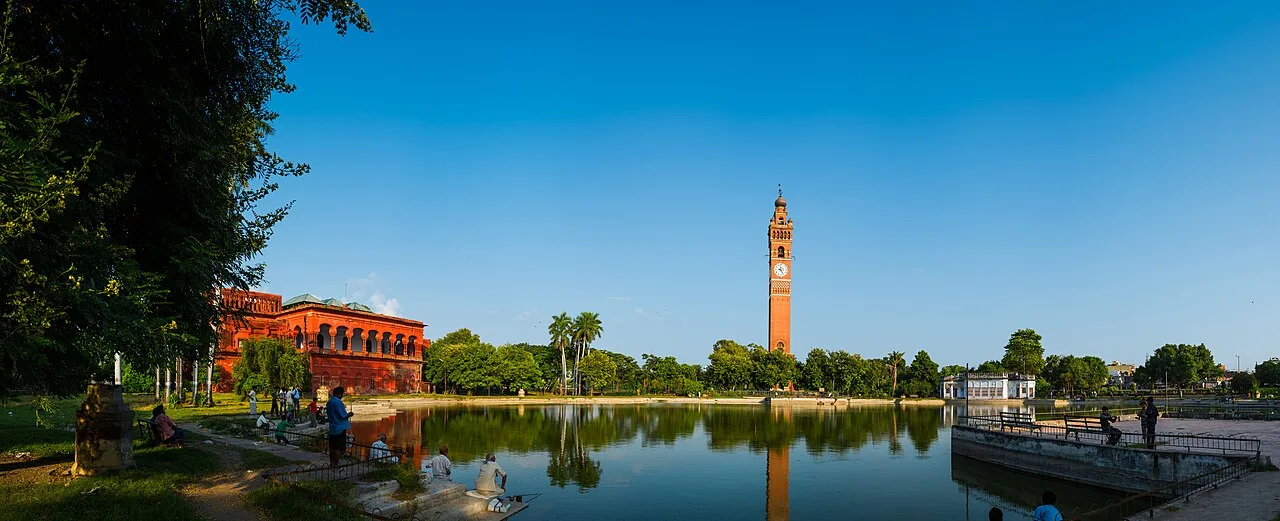
Husainabad Clock Tower is a historic structure in Lucknow, Uttar Pradesh, built to commemorate an official’s arrival. Visitors come to see its combination of Mughal and Victorian architectural features.

Janeshwar Mishra Park

Lucknow district

Janeshwar Mishra Park

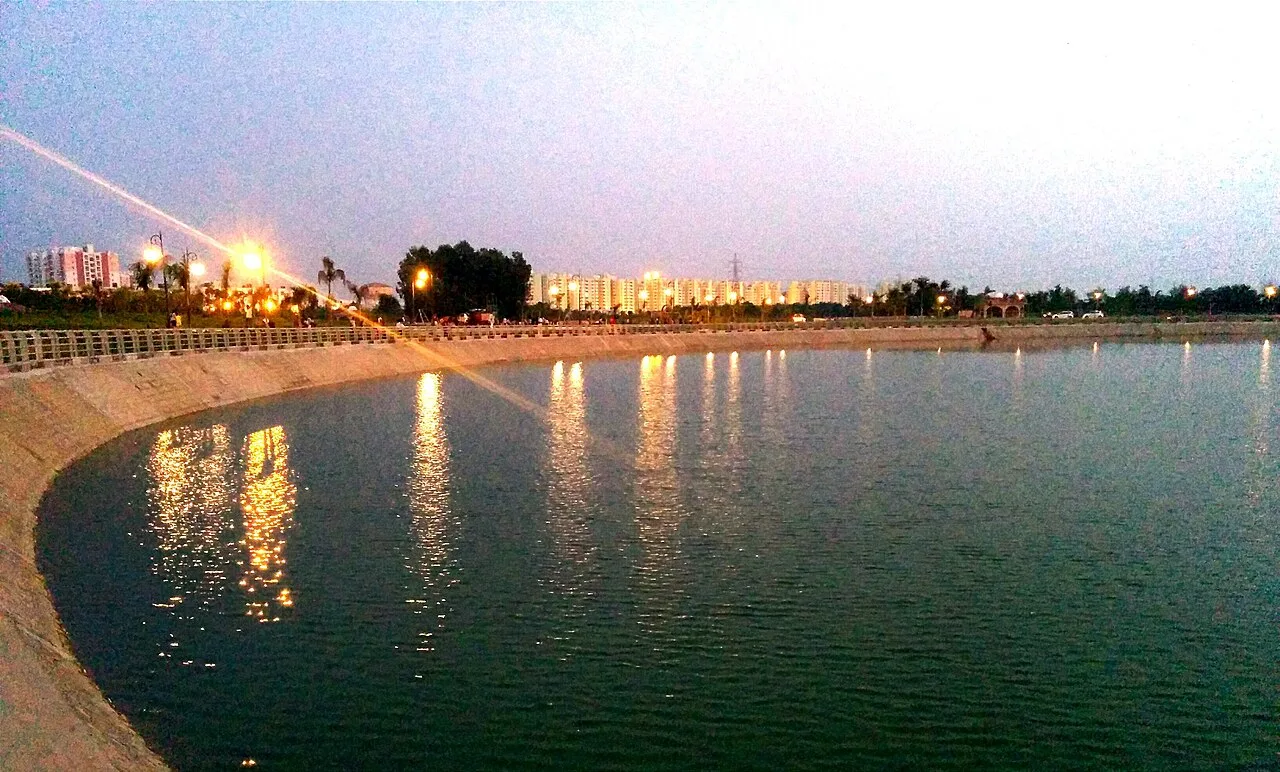
Located in Gomti Nagar, Lucknow, Janeshwar Mishra Park is a vast urban green space named for Samajwadi Party politician Janeshwar Mishra; visitors come to spend time in this city park.

Lucknow Zoo (Nawab Wajid Ali Shah Prani Udyan)

Lucknow district

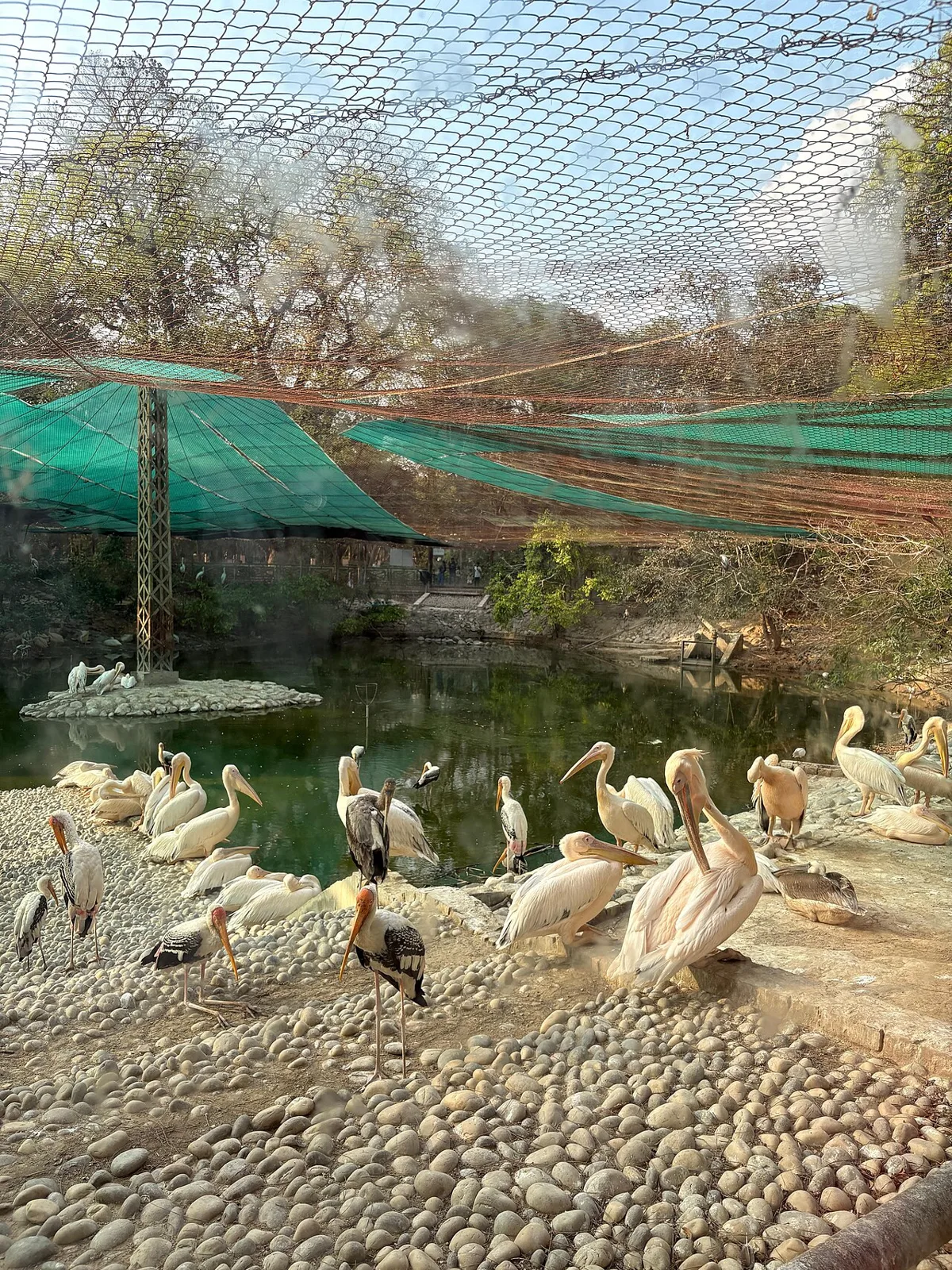
Lucknow Zoo (Nawab Wajid Ali Shah Prani Udyan)

Lucknow Zoo, also called Nawab Wajid Ali Shah Prani Udyan, is a large zoological garden in Uttar Pradesh’s capital, known for its history and its connection to a royal visit.

Rumi Darwaza

Lucknow district

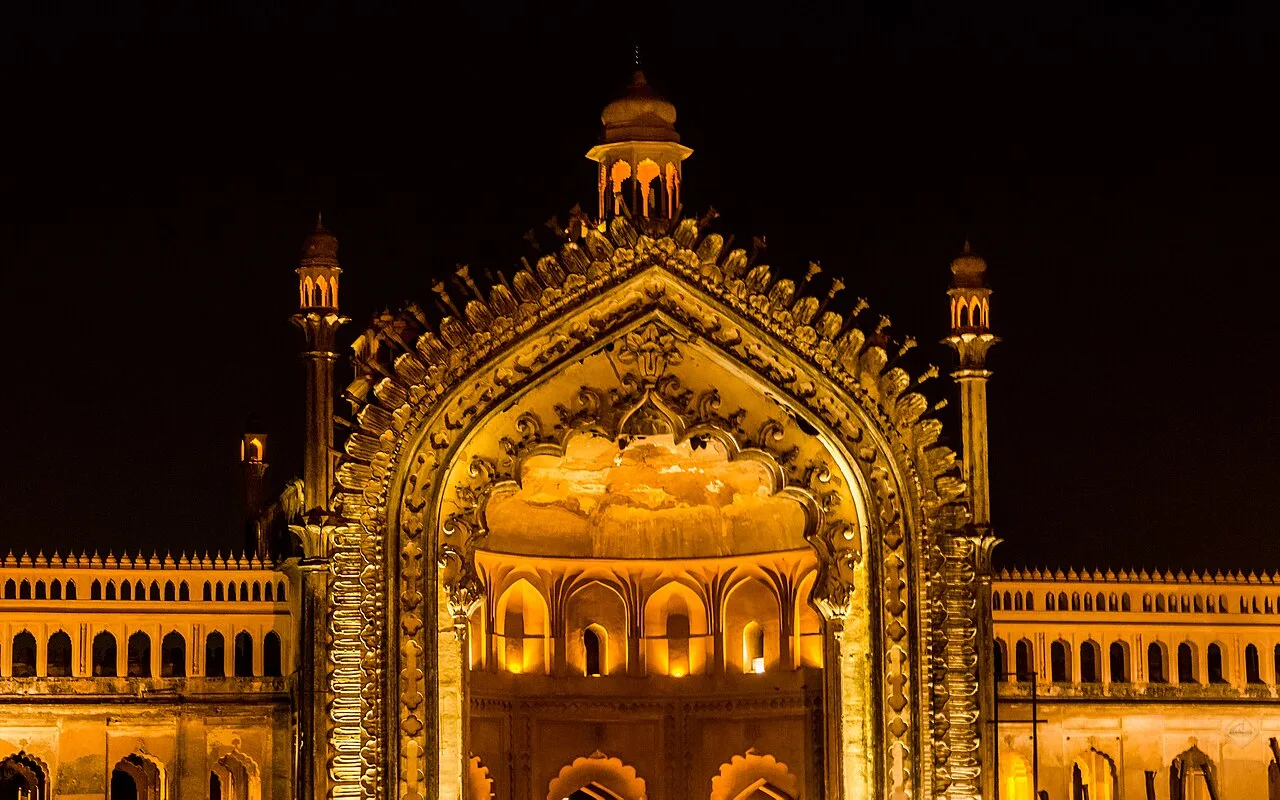
Rumi Darwaza

Rumi Darwaza is an 18th-century gateway in Lucknow, known for its Awadhi design and links to the city’s past. Visitors come to see its architecture and historic setting.

State Museum, Lucknow

Lucknow district

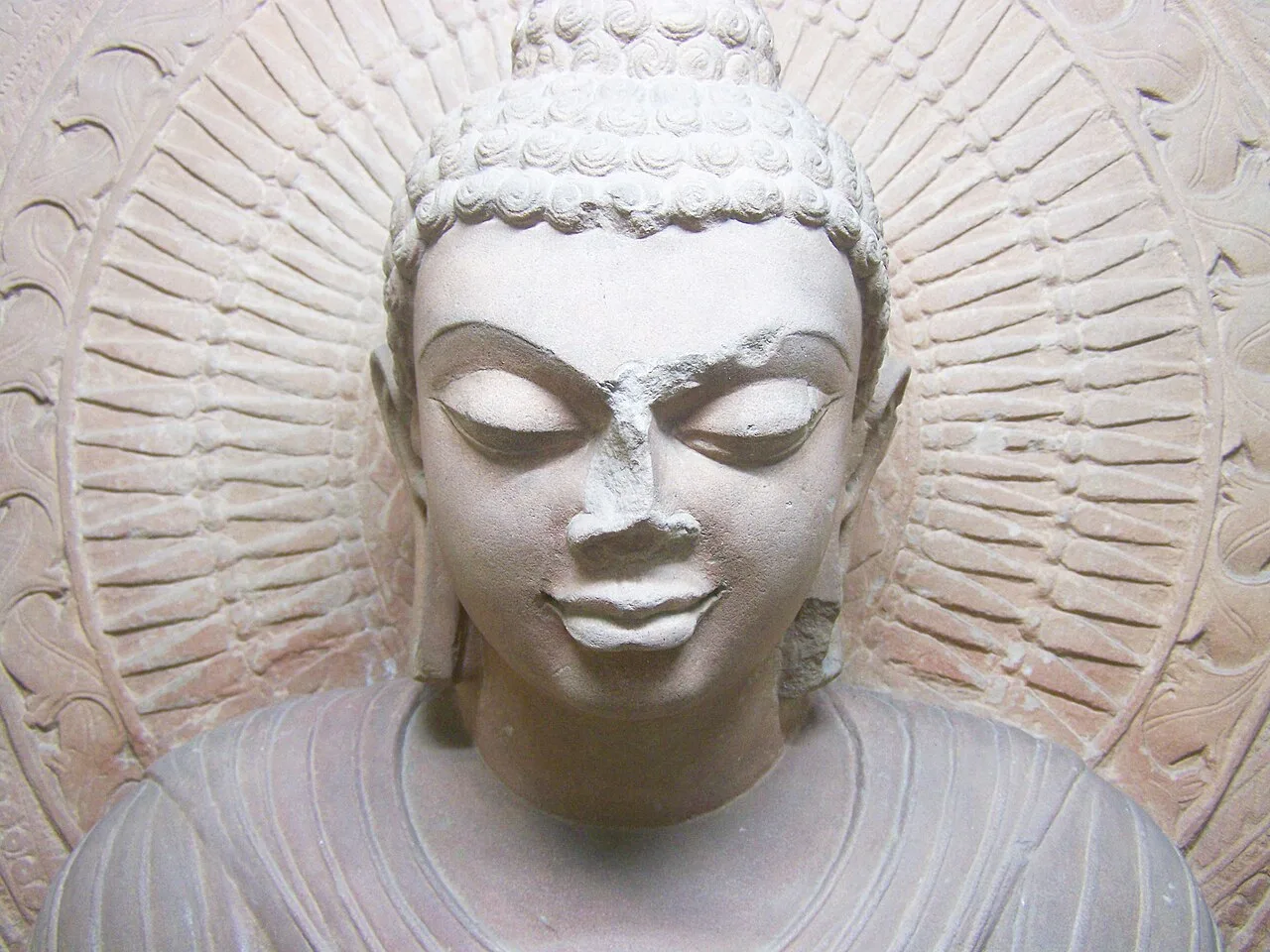
State Museum, Lucknow

Lucknow’s State Museum is a cultural institution in Uttar Pradesh’s capital. Visitors come to see collections ranging from prehistoric objects and coins to paintings, manuscripts and textiles.

The Residency, Lucknow

Lucknow district

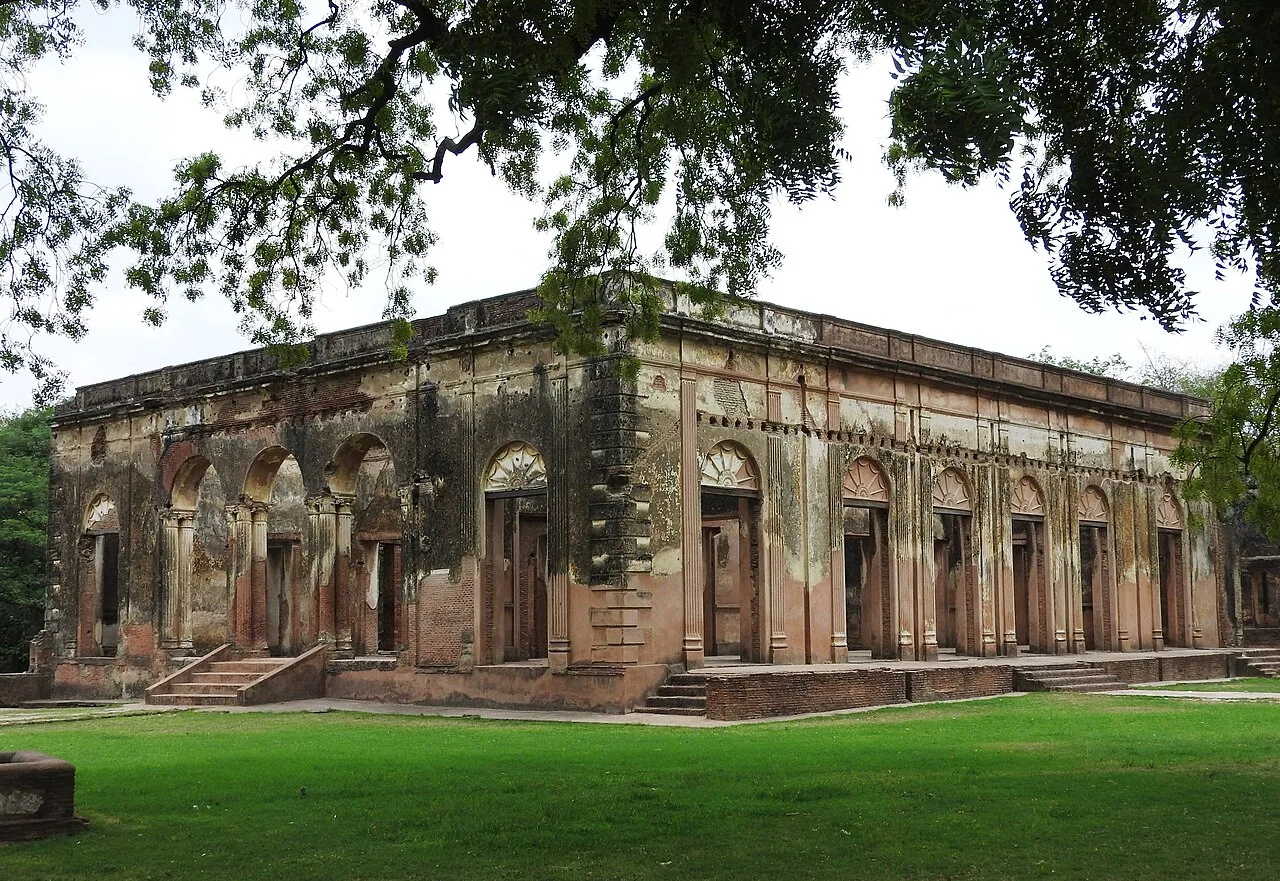
The Residency, Lucknow

The Residency is a collection of buildings in Lucknow associated with the British representative at the Nawab of Awadh’s court. Visitors can explore its former residential role and its setting near other landmarks.

Map

Lucknow on the map

  1. 1Ambedkar Memorial Park
  2. 2Bara Imambara
  3. 3Chota Imambara
  4. 4Dilkusha Kothi
  5. 5Hazratganj Market
  6. 6Husainabad Clock Tower
  7. 7Janeshwar Mishra Park
  8. 8Lucknow Zoo (Nawab Wajid Ali Shah Prani Udyan)
  9. 9Rumi Darwaza
  10. 10State Museum, Lucknow
  11. 11The Residency, Lucknow

Uttar Pradesh

Other cities to explore