Ghumoopedia — Explore, Discover, Experience
Sign in
Ayodhya Old Town, near Ayodhya

City guide · Uttar Pradesh

Ayodhya

Ayodhya Old Town is the historic centre of a city in Uttar Pradesh, associated with early Buddhist and Jain traditions and the Hindu epic Ramayana. Visitors come chiefly for its religious importance and links to Rama.

Famous for

  • Ram Mandir pilgrimage
  • Saryu river ghats
  • Ram Ki Paidi
  • Deepotsav celebrations
  • Jain sacred heritage
In the city
4
District
Ayodhya

Why Ayodhya matters

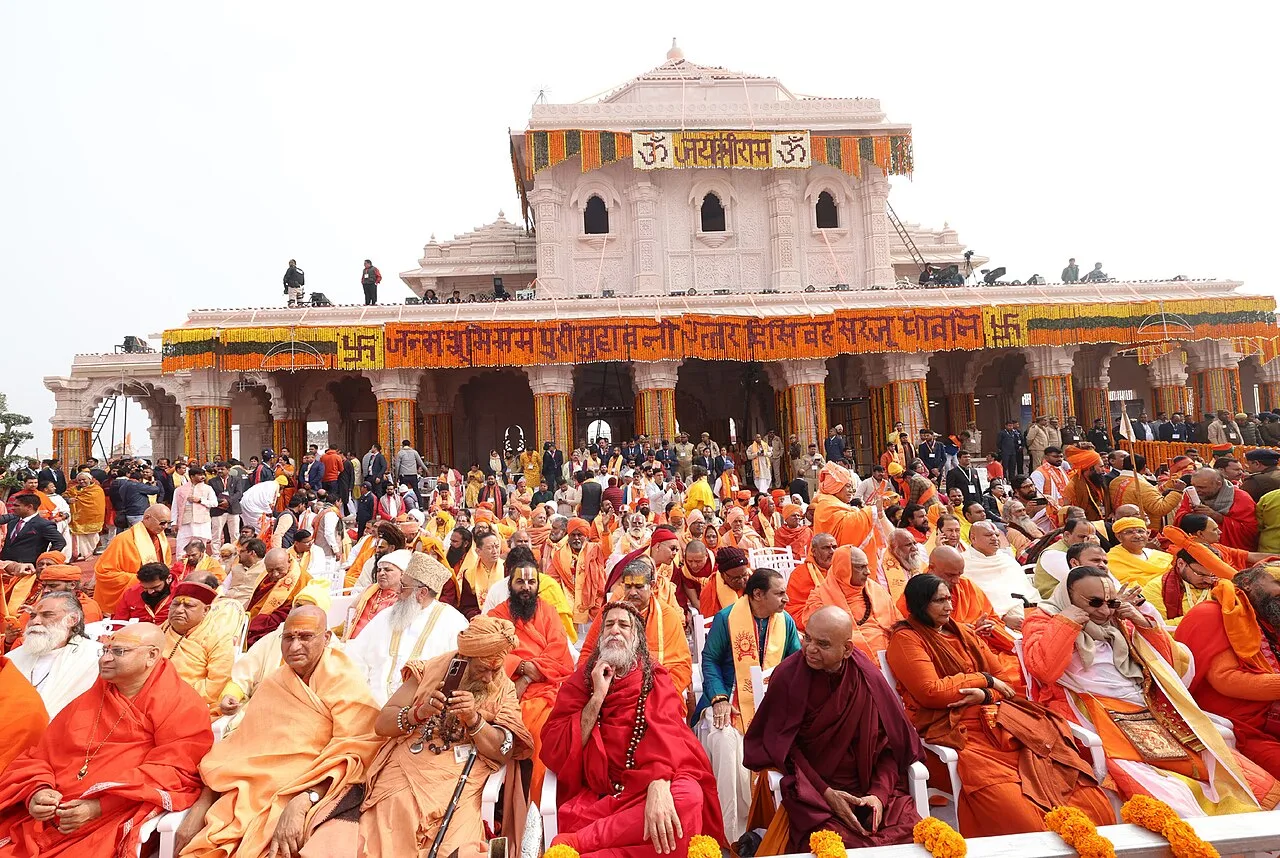
Ayodhya is a major pilgrimage city on the Saryu River in Uttar Pradesh and the administrative headquarters of Ayodhya district and division. It is most closely associated with Rama: Hindu tradition identifies the city as his birthplace, and the Ram Mandir has made it a major destination for worshippers and visitors. The riverfront, including Ram Ki Paidi, is another focal point for bathing, prayer and evening rituals.

Ayodhya’s significance reaches beyond its best-known Hindu story. Ancient sources refer to a city called Saketa, and Buddhist and Jain traditions connect the area with visits by religious teachers and the lives of Jain tirthankaras. Today, temples, ghats and pilgrimage services shape much of the city’s visitor economy, while new transport links and public works are changing how people arrive and move around. Festivals such as Ram Navami and Deepotsav draw particularly large crowds. Ayodhya is both a living religious centre and a place where layered traditions and contested history remain part of public life.
Famous for: crafts, trade & products

Ayodhya’s commercial identity is centred more on pilgrimage than on a signature textile, craft industry or major manufacturing tradition. Visitors will find devotional goods such as prayer beads, incense, small metal puja articles, flags, religious images and offerings in shops around Ram Path, Hanuman Garhi and the temple approaches. These are convenient places to browse for souvenirs, though the city is not especially known for a distinct, widely recognised craft or GI-tagged product.

Food shops and stalls serve sweets and snacks that pilgrims often take home, including peda, jalebi and other traditional mithai, alongside savoury items such as kachori. Markets near the main temples and ghats are the easiest places to find these goods. Much of the local trade supports visitors through accommodation, food, transport and religious services. For a more varied shopping experience, look around the central market areas and established commercial streets rather than expecting a dedicated craft bazaar or a specialised saree district.

History

Ayodhya’s history is closely linked with Saketa, an ancient settlement associated with the Kosala region. Buddhist and Jain texts refer to Saketa, while the Ramayana and other Hindu traditions describe Ayodhya as the capital of the Ikshvaku line and the birthplace of Rama. From the Gupta period, written sources increasingly used Ayodhya and Saketa for the same city. The area’s religious importance continued through successive centuries, with temples and pilgrimage institutions shaping its growth.

Awadh came under British control in 1856, during a period when nearby Faizabad was an important administrative centre. The modern history of the city has also been shaped by the dispute over the Babri mosque, demolished in 1992. In 2019, the Supreme Court of India awarded the disputed land for a temple trust and directed that separate land be provided for a mosque. The Ram Mandir was consecrated in January 2024. Ayodhya is now undergoing major transport and civic development as pilgrimage grows.

Food, festivals & culture

Religious life is central to Ayodhya’s culture. Hindi and Awadhi are widely spoken, and devotional singing, bhajans, kirtan and Ramlila performances are part of the city’s public life. Temples and riverfront shrines draw worshippers throughout the year, while Jain places of worship reflect another long-standing sacred tradition in the area.

Ram Navami, usually in March or April, marks Rama’s birth in the Hindu calendar and brings processions and worship. Diwali, generally in October or November, is celebrated with lamps and the city’s Deepotsav events. The monsoon season brings the Shravan Jhula Mela, while Kartik Purnima is observed with prayers and bathing at the river. Food is often vegetarian, with sattvik meals available near pilgrimage sites. Kachori and jalebi are popular snacks, and sweet shops sell peda and other mithai for offerings and gifts.

Visiting the city

October to March is generally the most comfortable season to visit; summer can be very hot, while major festivals bring heavy crowds. The nearest airport is Maharishi Valmiki International Airport, Ayodhyadham. The main rail station is Ayodhya Dham Junction; Ayodhya Cantt is another useful station. Auto-rickshaws, e-rickshaws and taxis connect the stations, markets, temples and riverfront. Walking is practical around the older pilgrimage core, though roads can be congested during festivals.

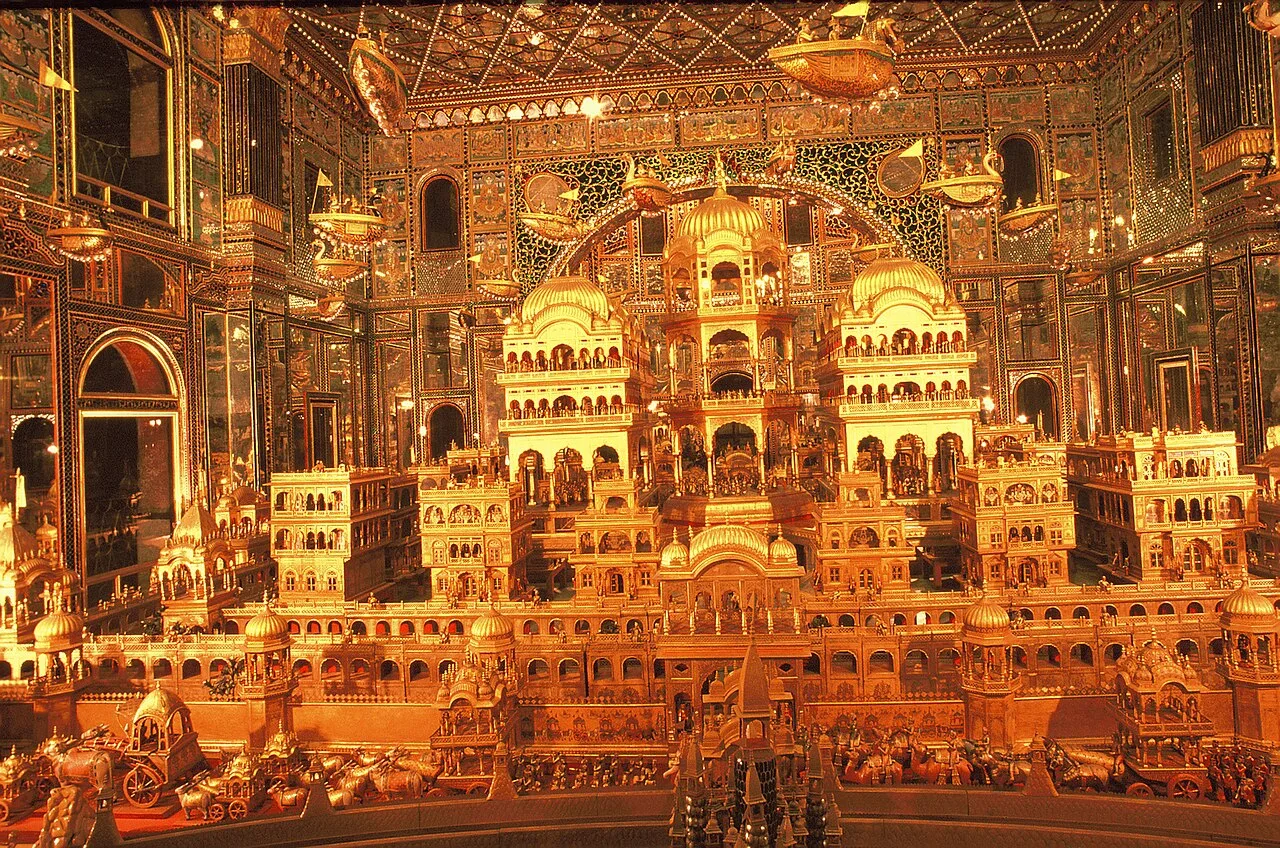
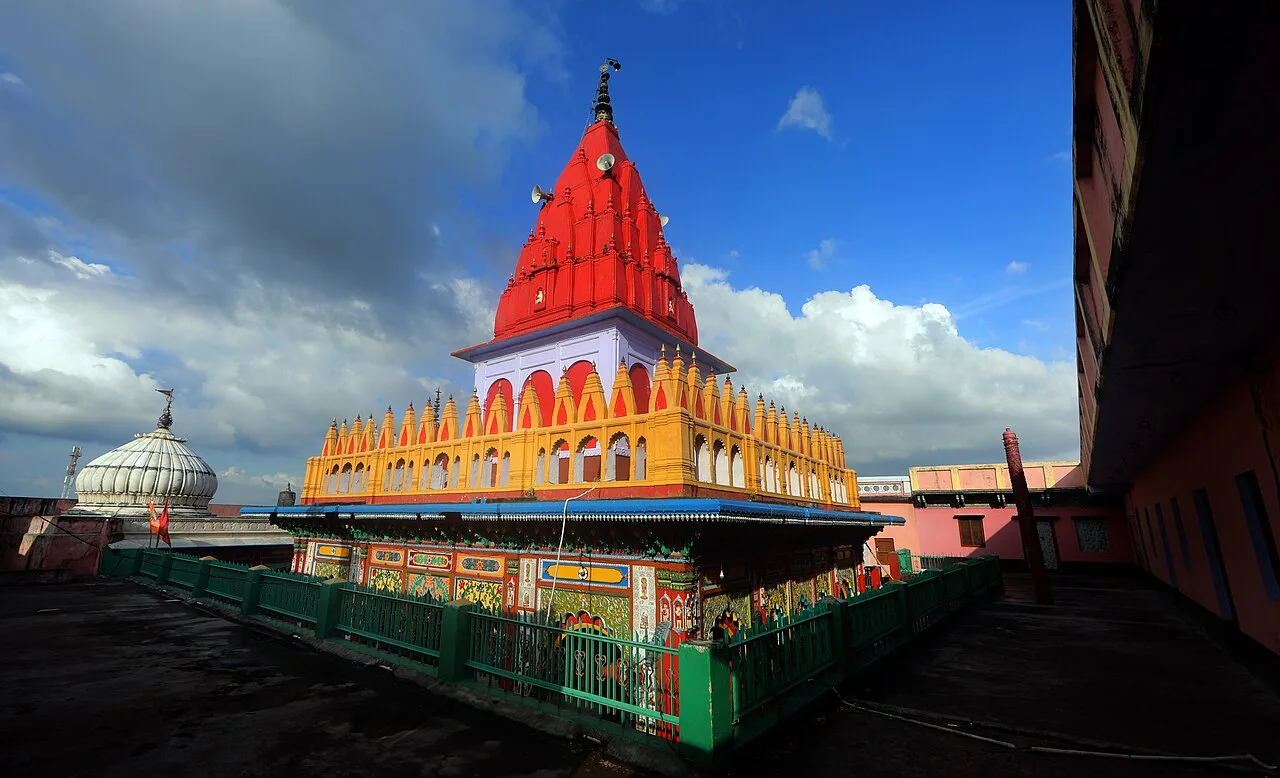
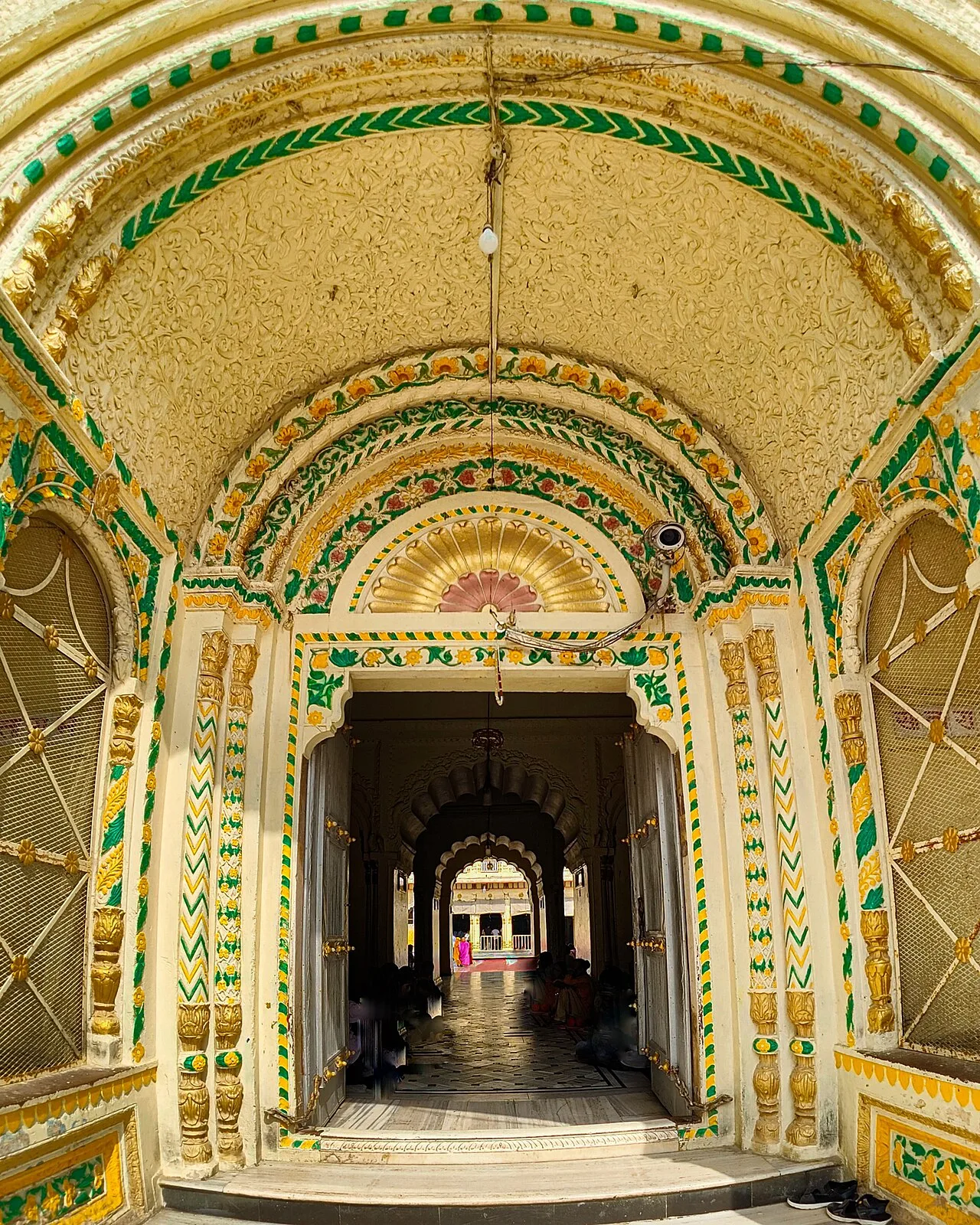
Explore the Ram Mandir precinct, Hanuman Garhi and Kanak Bhawan, then spend time at Ram Ki Paidi and the Saryu ghats. Ram Path and the surrounding market lanes are convenient for food and devotional shopping. Guptar Ghat offers another riverside stop beyond the busiest central area. Check local access arrangements before visiting major religious sites, as routes and security measures may change.

Attractions

Places to visit in Ayodhya

Sights within about 12 km of each other, even when they fall in different districts.

Map

Ayodhya on the map

  1. 1Ayodhya Old Town
  2. 2Hanuman Garhi
  3. 3Kanak Bhawan
  4. 4Ram Mandir

Uttar Pradesh

Other cities to explore