
Ghumoopedia — Explore, Discover, Experience
Sign in
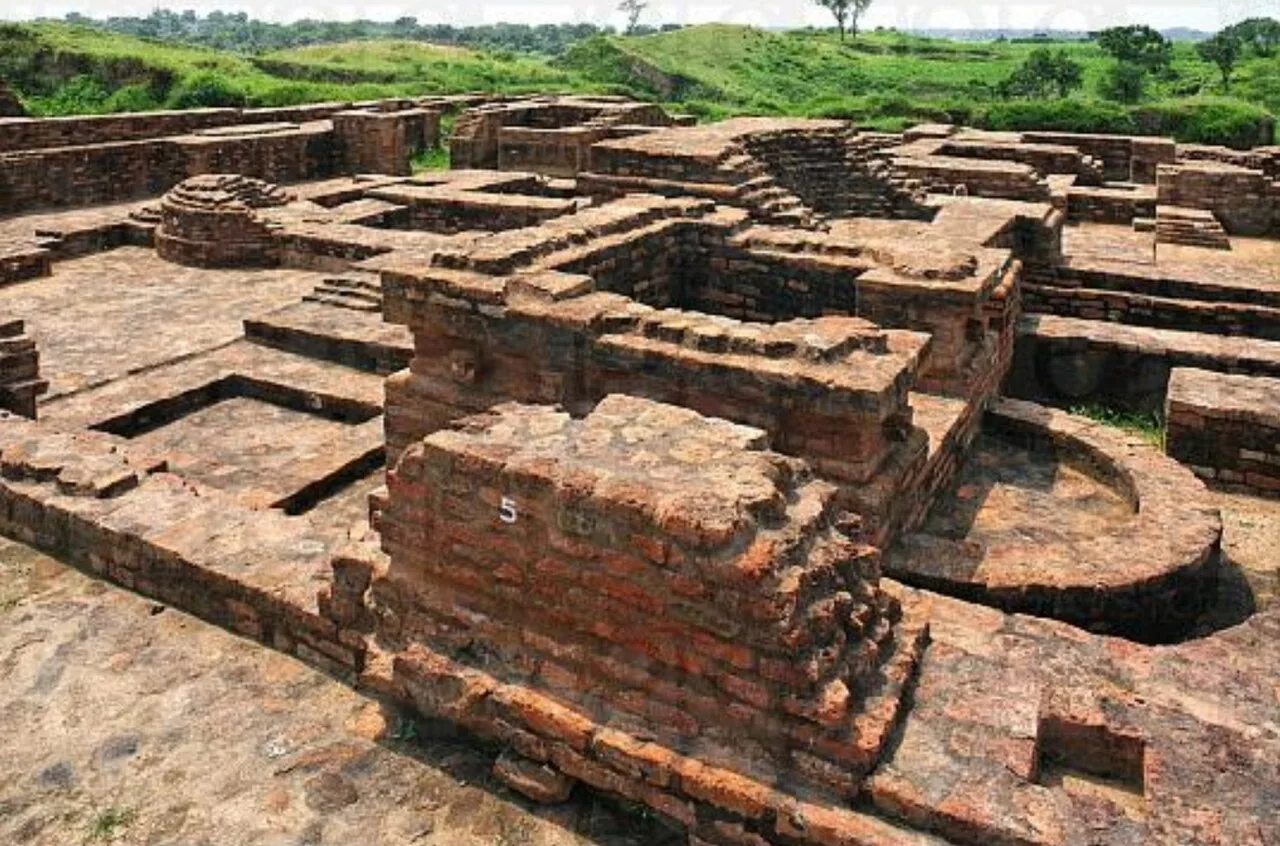
Kaushambi Archaeological Site, near Sarai Aquil

City guide · Uttar Pradesh

Sarai Aquil

Sarai Aquil is a town and nagar panchayat in Kaushambi district, in the lower Ganga-Yamuna region of Uttar Pradesh. Its importance is primarily local: it provides a town centre for nearby residents and forms part of the district’s network of settlements, services and markets.

Famous for

  • Kaushambi district setting
  • Nagar panchayat town
  • Local market-town character
  • Rural Uttar Pradesh surroundings
In the city
0
Nearby
1
District
Kaushambi
Plan a trip

Why Sarai Aquil matters

Sarai Aquil is a town and nagar panchayat in Kaushambi district, in the lower Ganga-Yamuna region of Uttar Pradesh. Its importance is primarily local: it provides a town centre for nearby residents and forms part of the district’s network of settlements, services and markets. It is not widely known as a major holiday destination, and visitors should not expect a large concentration of purpose-built tourist attractions within the town itself.

For travellers, Sarai Aquil can offer a closer look at everyday life in a smaller North Indian town. Shops, neighbourhood streets and local activity are more central to its character than a signature monument or nationally recognised craft. The wider district has a deeper historical dimension: the archaeological remains associated with ancient Kaushambi are elsewhere in the district, not in Sarai Aquil, and can be considered as a separate regional excursion. The town is therefore most useful as a local centre or a base for visiting nearby places, rather than as a destination with a defined sightseeing circuit.

Famous for: crafts, trade & products

It is better understood as a local market town serving residents of the town and surrounding settlements. Its shops are likely to be most useful for everyday needs and locally available goods; visitors looking for specialist crafts or a particular regional product should ask locally about current sellers rather than assume a dedicated market or workshop exists.

The town centre and its ordinary shopping streets are the natural places to look for daily-use merchandise and snacks, while larger or more specialised retail choices may be easier to find in bigger regional centres. Kaushambi’s historic significance is associated with archaeological remains at sites elsewhere in the district, not with a particular product made in Sarai Aquil. Travellers seeking locally made goods can ask shopkeepers about their origin and production, and should distinguish items sold locally from products actually made in the town.

History

Sarai Aquil’s documented identity is that of a town and nagar panchayat in Kaushambi district. Its growth is best understood in the context of settlements that serve surrounding rural areas, with local administration, shops and everyday services supporting the town and its neighbours. Detailed accounts of the town’s founding, particular rulers or a major historic event are not readily established, so it should not be assigned a royal or archaeological story without evidence.

The wider Kaushambi region has a much older history. The ancient city of Kaushambi, associated with the Vatsa kingdom and known through archaeological remains, is a separate historic site in the district; its past should not be conflated with Sarai Aquil’s own history. The area later came under British colonial rule as part of the broader Allahabad region, but no specific colonial-era development is firmly associated here with Sarai Aquil. In modern times, the town has continued as a local administrative and service centre within Kaushambi district.

Food, festivals & culture

Daily life in Sarai Aquil reflects the wider culture of eastern Uttar Pradesh. Hindi is widely used, and regional speech commonly includes Awadhi and other local varieties; language can vary between households and visitors will generally find Hindi useful. There is no single dish or sweet that is particularly documented as unique to the town. Everyday North Indian meals, snacks and sweets may be available from local eateries and shops, but menus and specialities vary by season and business.

Major Hindu festivals such as Holi, usually in spring, and Diwali, usually in autumn, are observed across the region; Eid is also celebrated by Muslim communities, with dates following the lunar calendar. Local observance is centred on homes and neighbourhood places of worship, including temples and mosques, rather than on a widely publicised city festival. Devotional music, seasonal songs and popular film music are part of the broader regional soundscape. Visitors should ask residents about current celebrations and local worship sites, as no single venue or annual performance is established as a signature attraction of Sarai Aquil.

Visiting the city

The cooler months, roughly October to March, are generally the most comfortable time to visit Uttar Pradesh; summers can be very hot and the monsoon brings rain. Prayagraj Airport is the nearest airport serving the area. Bharwari railway station is a nearby rail stop, while Prayagraj Junction offers a larger rail hub; check current connections before travelling, as onward road transport may be needed.

Within Sarai Aquil, walking is practical for short visits around the town centre, while auto-rickshaws or other locally available vehicles can help with longer journeys. The central market streets and residential neighbourhoods are the most useful areas to explore for a sense of everyday town life. There is no established tourist district or formal sightseeing route. Those interested in the region’s ancient history can plan a separate trip to the archaeological remains associated with Kaushambi elsewhere in the district, arranging local transport in advance.

Short trips

Around Sarai Aquil

Within about 40 km — easy half-day or day trips from the city.

Map

Sarai Aquil on the map

  1. 1Kaushambi Archaeological Site

Uttar Pradesh

Other cities to explore