
Ghumoopedia — Explore, Discover, Experience
Sign in
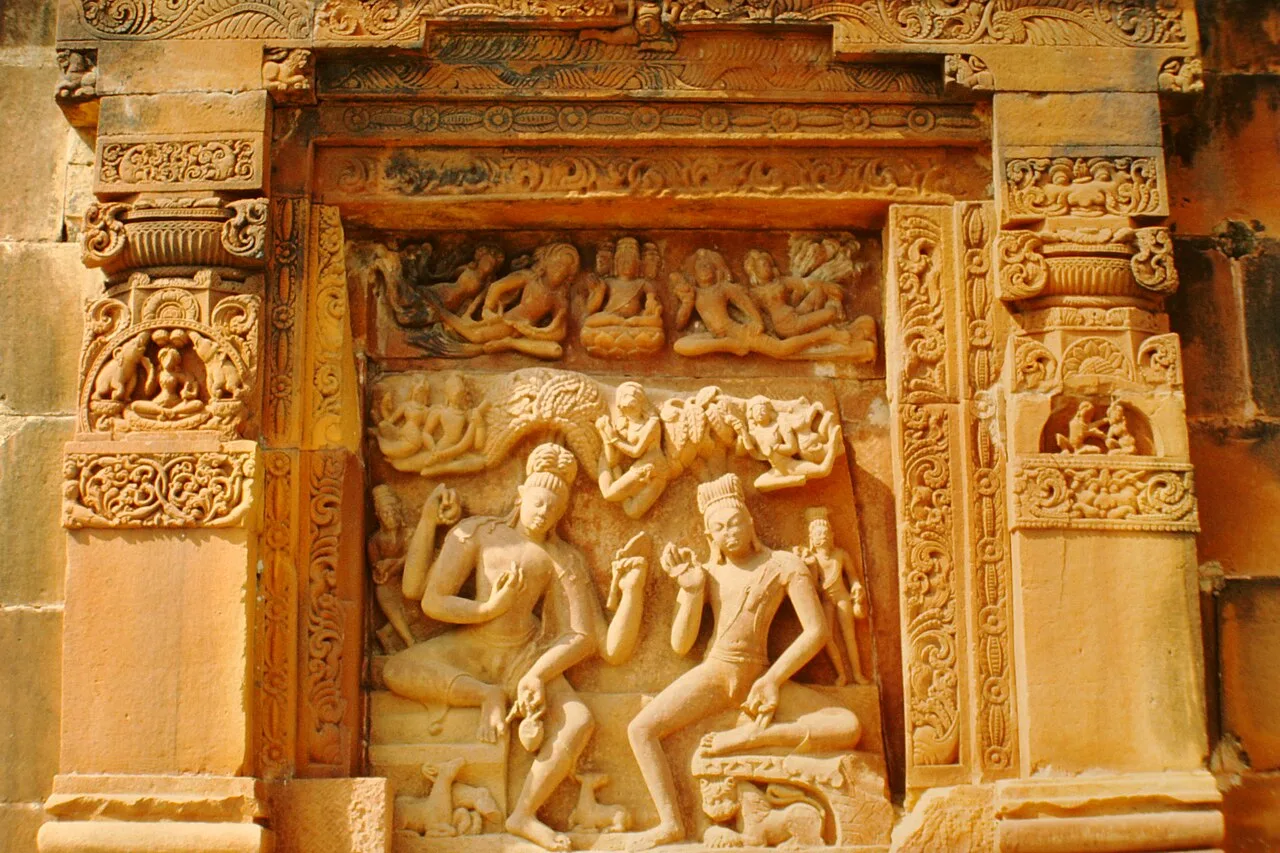
Dashavatara Temple, near Lalitpur

City guide · Uttar Pradesh

Lalitpur

Lalitpur is the administrative centre of its district in southern Uttar Pradesh, within the historic Bundelkhand region. Its position links the smaller towns and rural communities of the district with the wider rail and road network, and its markets and government services make it a practical base for exploring the area.

Famous for

  • Deogarh temple heritage
  • Bundela history
  • Govind Sagar reservoir
  • Matatila Dam
  • Bundelkhand landscapes
In the city
0
Nearby
1
District
Lalitpur
Plan a trip

Why Lalitpur matters

Lalitpur is the administrative centre of its district in southern Uttar Pradesh, within the historic Bundelkhand region. Its position links the smaller towns and rural communities of the district with the wider rail and road network, and its markets and government services make it a practical base for exploring the area. The city’s identity is shaped by Bundela history and by the dry uplands, seasonal rivers and reservoirs of the surrounding countryside.

Visitors come for a quieter, less crowded view of Bundelkhand and for excursions to sites across the district. Deogarh is known for its early Hindu and Jain temple remains, while Matatila Dam and the Govind Sagar reservoir offer a contrast of water and open landscape. Lalitpur itself is a useful starting point for these trips, with local bazaars and places of worship reflecting everyday regional life. It is not a large resort destination; its appeal lies in its historical setting, district connections and access to nearby heritage and scenery.

Famous for: crafts, trade & products

Lalitpur is not especially known as a major centre for a signature saree, textile, handicraft or GI-tagged product. Rather than seeking a single specialist craft market, visitors are more likely to find everyday clothing, household goods and regional produce in the city’s general bazaars. These shops serve residents from Lalitpur and nearby settlements, so the market experience is grounded in local needs rather than tourism-focused retail.

The surrounding district has an agricultural economy, and local trading areas reflect the movement of food staples and other farm produce. For a sense of the city’s commercial life, explore the central market streets and shops around the main town centre; the railway-station area also has practical stores and food outlets. Ask locally about seasonal produce and goods from nearby villages, since availability changes through the year. Deogarh’s temples and the reservoirs are the district’s more distinctive visitor draws, rather than shopping for a nationally recognised craft. Travellers looking for a particular textile or artisan-made souvenir may find a wider choice in larger regional centres.

History

Local tradition attributes Lalitpur’s foundation to Raja Sumer Singh Bundela, who is said to have named the settlement for his queen, Lalita Devi. The story links the name to her curing him of a snake believed to have entered his stomach; it is best understood as a founding legend rather than a firmly established account. Bundela Rajputs shaped the region’s political history, and the wider district preserves important remains from earlier Hindu and Jain traditions, notably at Deogarh.

During the uprising of 1857, Raja Mardan Singh Bundela of Lalitpur was among the prominent local rulers who took up arms against British authority. Under colonial rule, the area became part of the changing administrative landscape of Bundelkhand. After independence, Lalitpur developed as a district headquarters, with public administration, rail links and local commerce supporting its growth. Its modern role is largely regional: it connects surrounding settlements while retaining a strong association with Bundela and Bundelkhand history.

Food, festivals & culture

Everyday food in Lalitpur draws on the home-style cooking of Bundelkhand and neighbouring Uttar Pradesh: breads, lentils, seasonal vegetables and simple grain-based meals are common. Tea stalls and sweet shops offer familiar North Indian snacks and sweets, though individual specialties vary from one shop to another. The city’s cultural calendar follows major Hindu and Muslim festivals. Diwali, usually in autumn, brings lamps and family gatherings; Holi, in spring, is marked with colour and community celebrations. Navratri and Dussehra are also observed, alongside Eid celebrations among Muslim residents.

Hindi is widely used, and Bundeli is part of the region’s everyday speech and oral culture. Bundelkhand is associated with folk ballads such as Alha and with lively Rai and Diwari performance traditions; opportunities to see them in Lalitpur may depend on local events and the season. Hindu temples and neighbourhood shrines serve as regular places of worship, while Deogarh, in the district, is notable for its historic Jain temples as well as Hindu monuments.

Visiting the city

October to March is generally the most comfortable season to visit, with milder weather for town walks and trips around the district. Summers can be very hot, while monsoon conditions may affect road journeys. Lalitpur Junction is the city’s main railway station. The nearest commonly used airport is Khajuraho Airport; check current flight connections and onward road options before planning, as services can be limited.

Auto-rickshaws and local taxis are useful for getting around town, while a hired vehicle is more practical for visiting Deogarh, Matatila Dam and other outlying sites. Explore the central bazaar for daily market life and local food, and ask locally about access to the Govind Sagar reservoir. Lalitpur works well as a base for district excursions, though visitors should plan transport for sites beyond the town centre.

Short trips

Around Lalitpur

Within about 40 km — easy half-day or day trips from the city.

Map

Lalitpur on the map

  1. 1Dashavatara Temple

Uttar Pradesh

Other cities to explore