Ghumoopedia — Explore, Discover, Experience
Sign in
Assi Ghat, near Varanasi

City guide · Uttar Pradesh

Varanasi

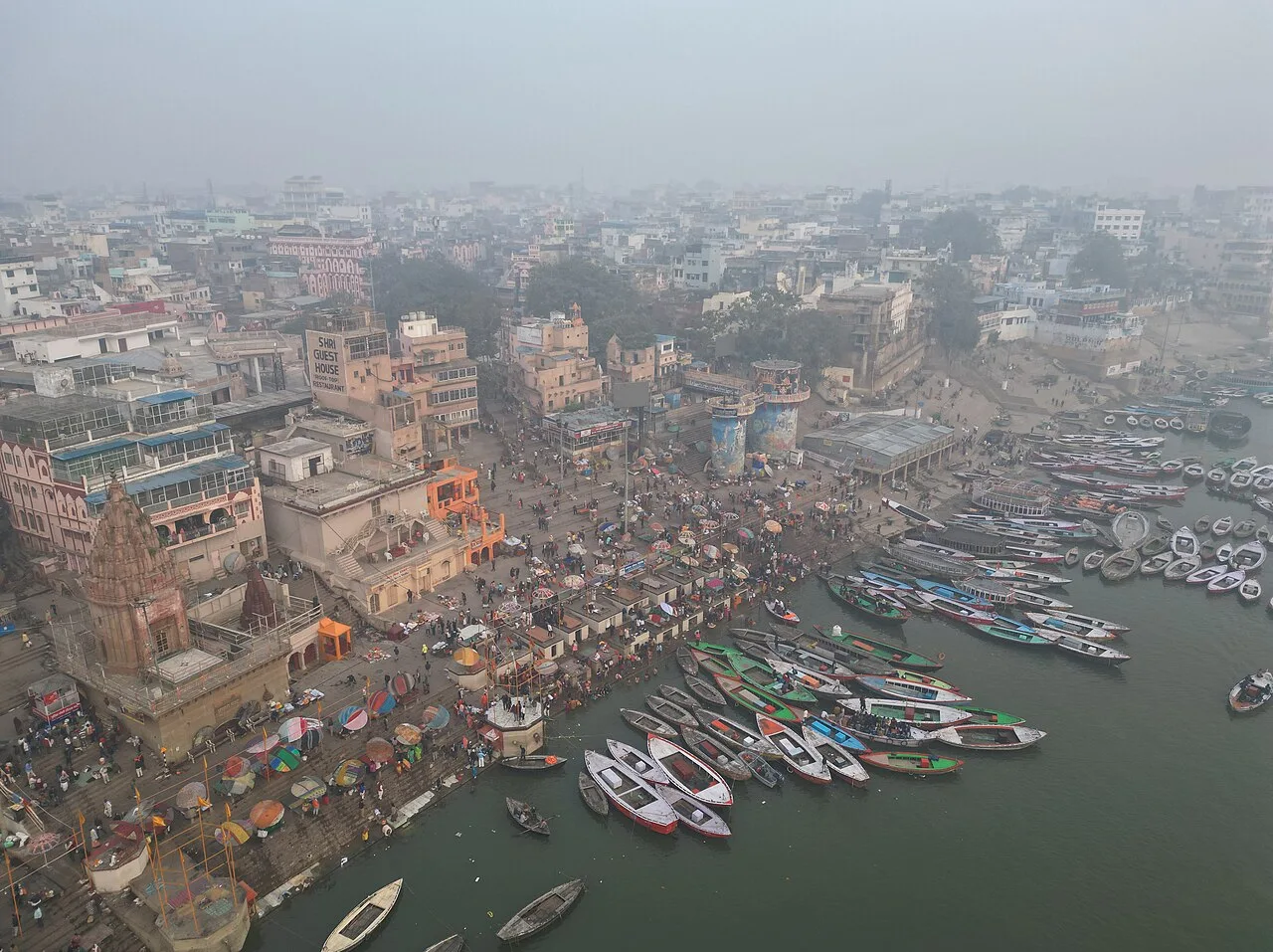
Varanasi, also known as Banaras or Kashi, is a major pilgrimage city on the Ganges in eastern Uttar Pradesh. Its riverfront ghats, where people bathe, pray and carry out ceremonies, give the city much of its distinctive character.

Famous for

  • Ganga ghats
  • Kashi Vishwanath Temple
  • Banarasi silk sarees
  • Banarasi paan
  • Benares gharana music
In the city
12
District
Varanasi

Why Varanasi matters

Varanasi, also known as Banaras or Kashi, is a major pilgrimage city on the Ganges in eastern Uttar Pradesh. Its riverfront ghats, where people bathe, pray and carry out ceremonies, give the city much of its distinctive character. For many Hindus, Kashi is a sacred place of worship and pilgrimage, closely associated with Shiva and with beliefs about death and liberation. The Kashi Vishwanath Temple is among its best-known places of worship.

Visitors come for the temples, boat rides and evening Ganga aarti, as well as the old city’s narrow lanes, food and textile workshops. Nearby Sarnath, where the Buddha is traditionally said to have delivered his first sermon, adds an important Buddhist heritage site to the region. Varanasi is also a centre for education, music and trade, with Banaras Hindu University among its prominent institutions. Its economy includes tourism, silk weaving, crafts and industry. The city’s Hindu and Muslim traditions are especially visible in its religious life and its artisan communities.
Famous for: crafts, trade & products

Banarasi silk brocades and sarees are the city’s signature products, known for intricate woven patterns and zari work. The Banaras Brocades and Sarees GI designation recognises this weaving tradition. Weaving communities and workshops are found in areas including Madanpura, Lallapura and Alaipura; shops around Chowk, Godowlia and Vishwanath Gali offer sarees and textiles, though buyers may wish to ask about materials and workmanship. Silk, brocade fabrics and carpets are also part of the city’s trade.

Other crafts include gulabi meenakari enamel work, wooden lacquerware and toys, metalwork, and zardozi embroidery. Traditional markets and specialist shops in the old city are places to look for these goods; Thatheri Bazaar is associated with metalware, while Chowk has a broad mix of craft and textile retailers. Banaras is also famous for paan and related ingredients sold by local vendors. The city’s economic landscape extends beyond crafts: Banaras Locomotive Works is a major industrial institution, and Banaras Hindu University is a prominent centre for education and research.

History

Varanasi’s ancient name, Kashi, is associated with a kingdom known in the first millennium BCE. The wider region has a long record of settlement, and Sarnath became an important Buddhist site after the Buddha’s first sermon there. Emperor Ashoka supported Buddhist monuments at Sarnath, while the city itself grew as a centre of learning and Shiva worship. Adi Shankara is associated with strengthening the city’s Shaiva tradition in the eighth century. In the medieval period, Varanasi remained a centre of religious scholarship; figures including Kabir, Ravidas and Tulsidas shaped devotional and literary traditions. Rajput patrons supported temple building during the Mughal era.

The Benares Estate was established in the eighteenth century, and the East India Company took control of the city in 1775. Under British rule, Varanasi developed as an administrative, educational and commercial centre. Banaras Hindu University, founded in 1916, and Kashi Vidyapith, established in 1921, helped shape its modern educational life. After independence, the city continued to grow through education, tourism, crafts and industry, including Banaras Locomotive Works.

Food, festivals & culture

Banarasi food is known for street snacks and sweets. Kachori with sabzi, tamatar chaat and baati chokha are popular savoury choices; jalebi, rabri and lassi are widely enjoyed. Winter brings malaiyyo, a light, airy milk-based sweet. Banarasi paan is a familiar local speciality. Food stalls and shops around the old city and its markets offer a chance to sample these tastes.

Major celebrations include Mahashivaratri, usually in February or March, and Dev Deepawali, held on the Kartik full moon, usually in November, when the ghats are illuminated. Ganga Mahotsav is another autumn cultural event. Hindi and Bhojpuri are widely spoken, alongside Urdu and other languages. Varanasi has a rich tradition of Hindustani classical music, including the Benares gharana of tabla, and is closely associated with shehnai maestro Bismillah Khan. Kathak and devotional singing are also part of its cultural life. The Kashi Vishwanath Temple, Sankat Mochan Hanuman Temple and Durga Temple are among its notable places of worship.

Visiting the city

October to March is generally the most comfortable season to visit, with cooler weather for walking and time by the river. Summers can be very hot, while monsoon rains may affect outdoor plans. Lal Bahadur Shastri International Airport is the nearest airport serving the city. Varanasi Junction, also called Varanasi Cantt, is the main railway station; Banaras station is another useful railhead.

Auto-rickshaws, cycle-rickshaws, taxis and app-based cabs serve different parts of the city. In the old town, walking is often the easiest way to explore the narrow lanes, though the crowds can be substantial. The ghats and temple lanes around Dashashwamedh, Godowlia and Chowk are central areas to explore. Assi Ghat offers a different riverfront atmosphere, while Sarnath makes a worthwhile excursion beyond the old city.

Attractions

Places to visit in Varanasi

Sights within about 12 km of each other, even when they fall in different districts.

Assi Ghat

Varanasi district

Assi Ghat

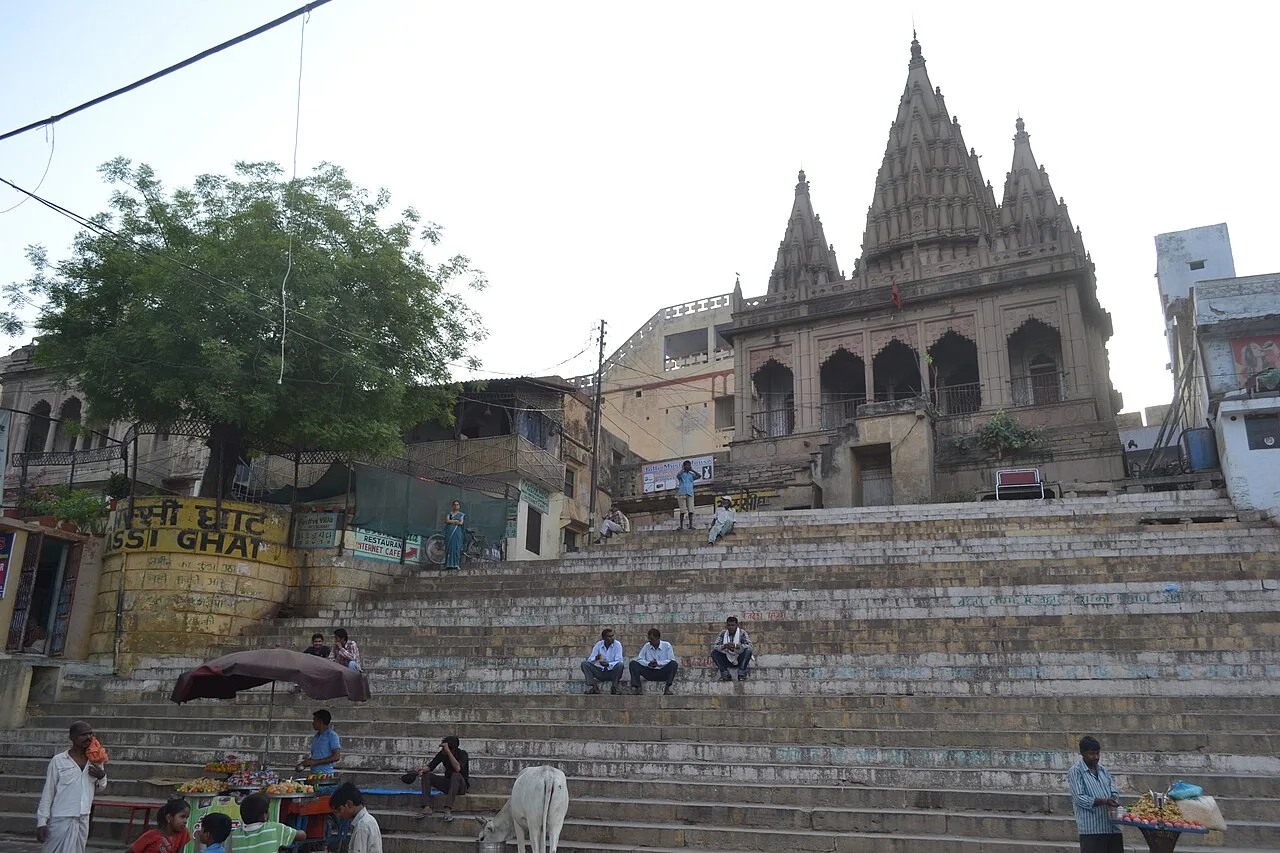
Assi Ghat is the southernmost ghat in Varanasi, Uttar Pradesh. Visitors know it as a place where foreign students, researchers and tourists stay, and where the morning cultural and spiritual event Subah-e-Banaras takes place.

Bharat Kala Bhavan

Varanasi district

Bharat Kala Bhavan

Bharat Kala Bhavan is a university museum within Banaras Hindu University in Varanasi. Visitors can learn about its contribution to knowledge of Indian art and culture and its place among the university’s and city’s attractions.

Chaukhandi Stupa

Varanasi district

Chaukhandi Stupa

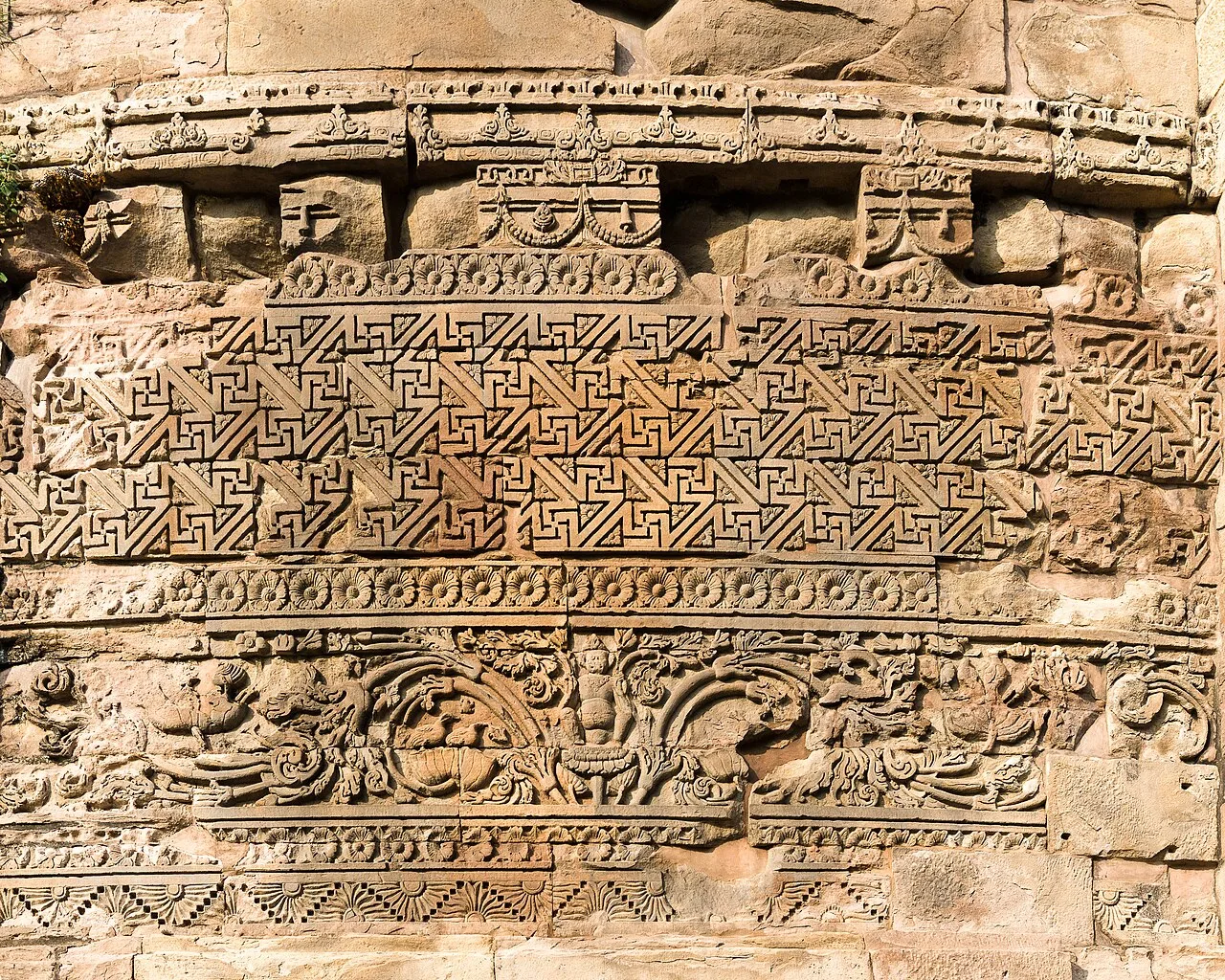
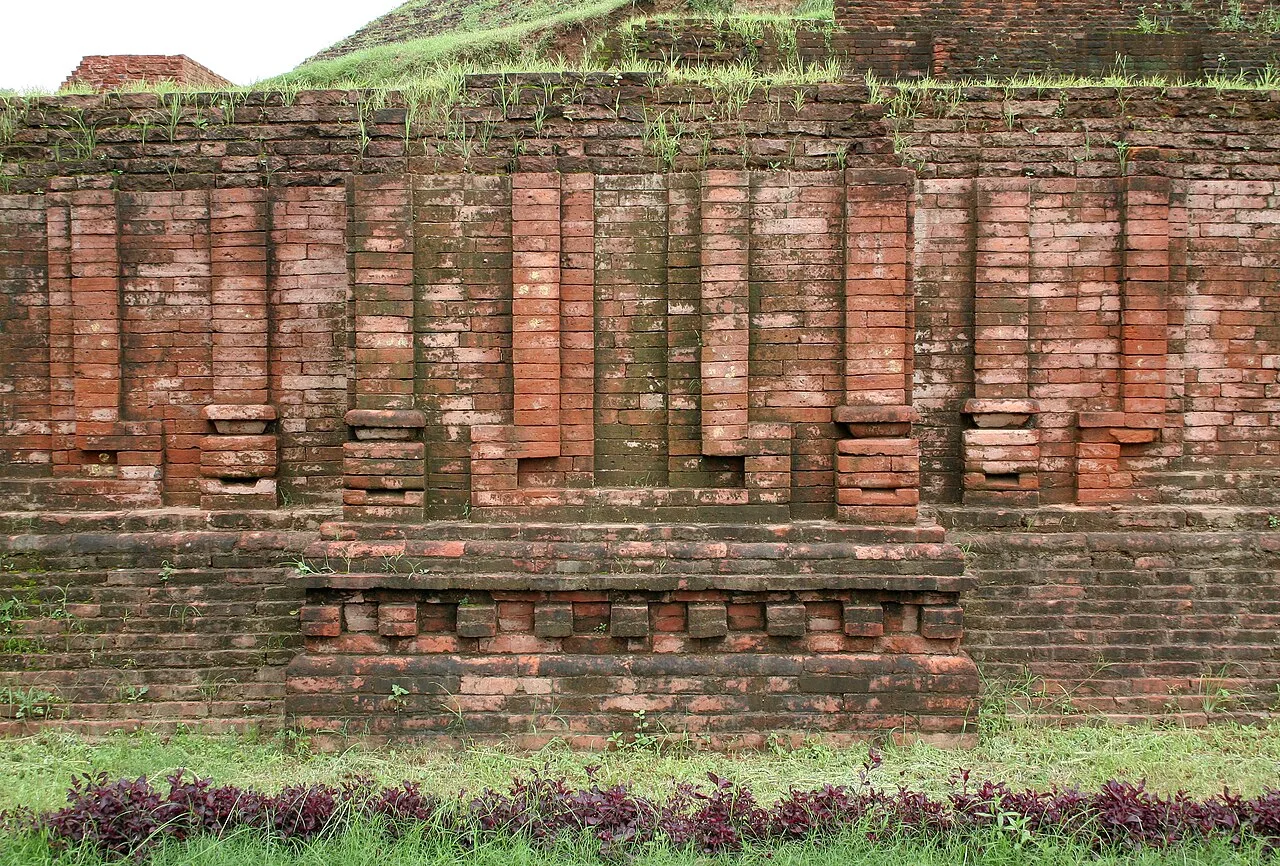
Chaukhandi Stupa is a Buddhist monument at Sarnath in Uttar Pradesh’s Varanasi district. Visitors come to see this nationally important site, recognised by the Archaeological Survey of India in 2019.

Dashashwamedh Ghat

Varanasi district

Dashashwamedh Ghat

A prominent riverside ghat in Varanasi, Dashashwamedh is visited for its connection to Hindu legends and the city’s history, as well as its position beside the Ganges and near Vishwanath Temple.

Dhamek Stupa

Varanasi district

Dhamek Stupa

Dhamek Stupa is a large Buddhist monument at Sarnath in Uttar Pradesh, associated with the Buddha’s first teaching and visited as an important pilgrimage place.

Durga Kund Mandir

Varanasi district

Durga Kund Mandir

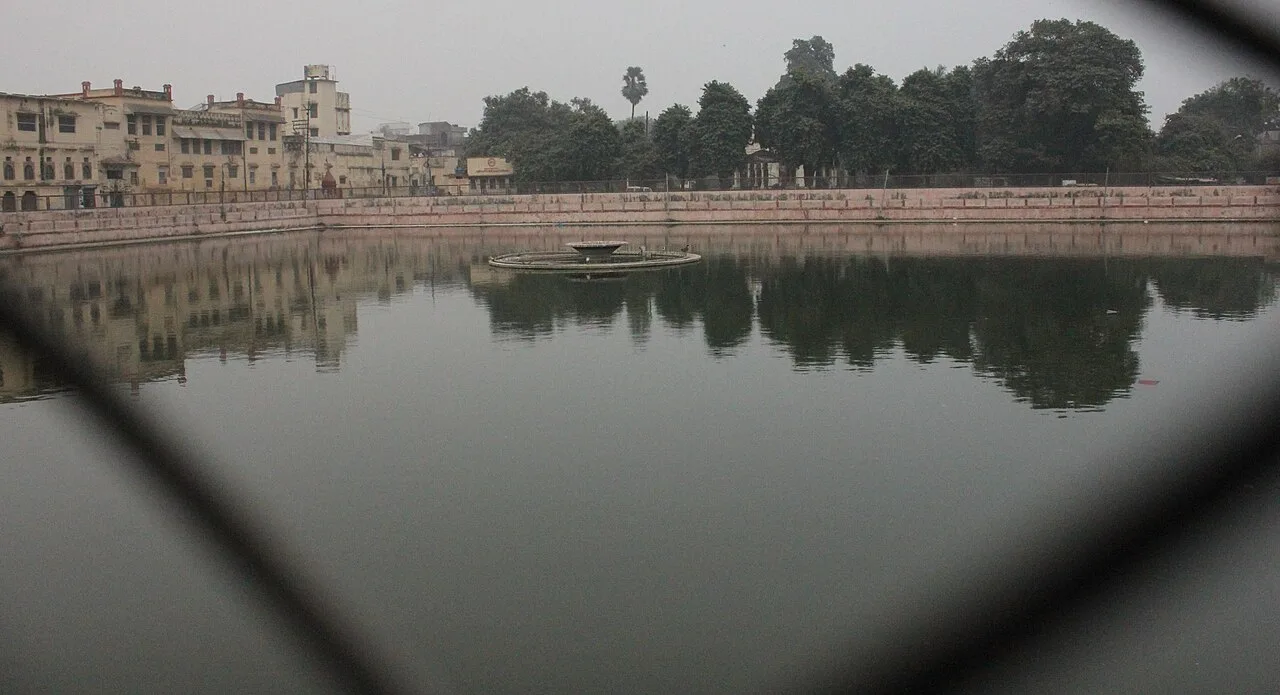
Durga Kund Mandir is a Hindu shrine to Durga in Varanasi district, Uttar Pradesh. People visit for its religious significance and its place among the city’s well-known temples.

Kashi Vishwanath Temple

Varanasi district

Kashi Vishwanath Temple

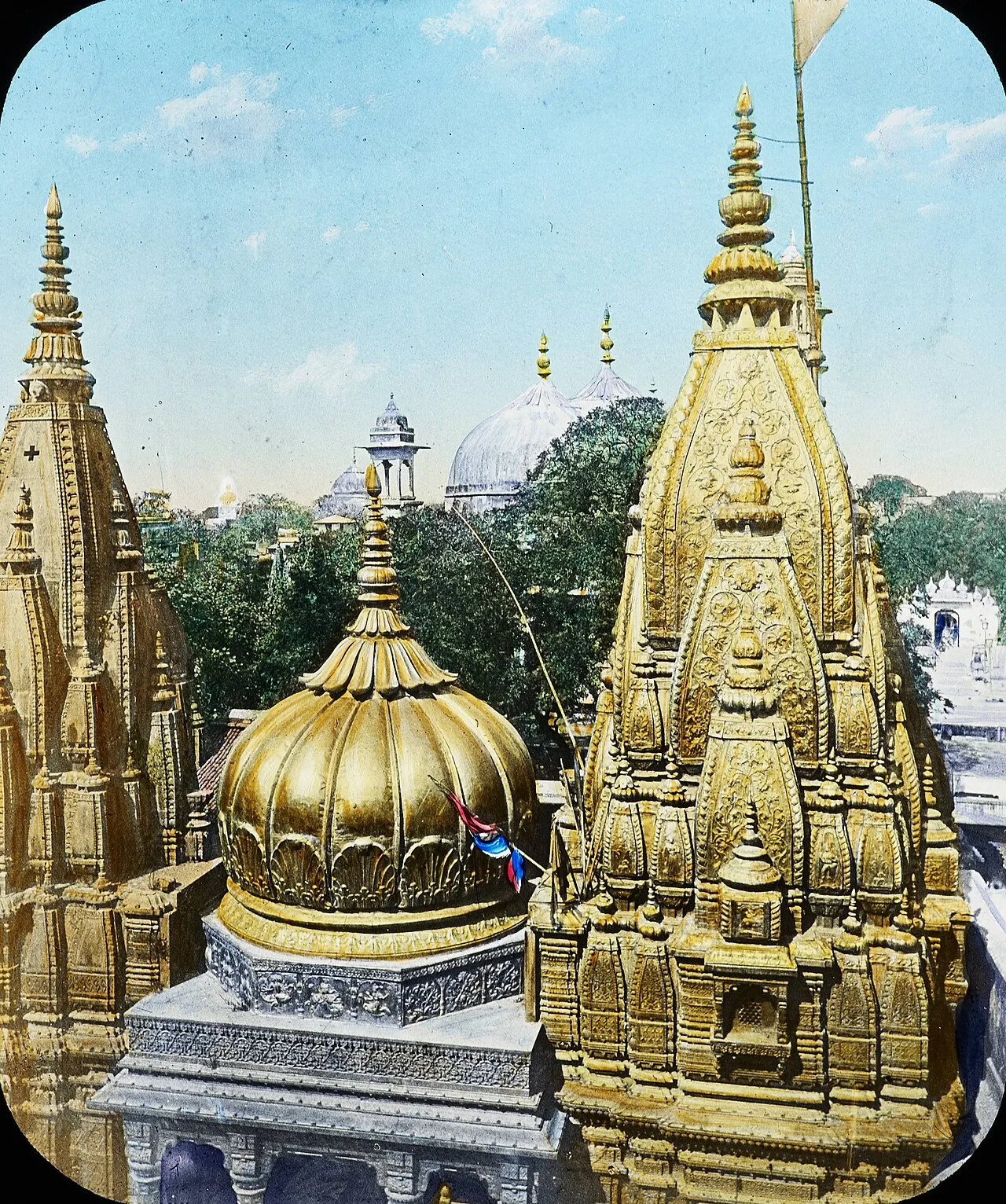
Kashi Vishwanath Temple is a Shiva shrine in Varanasi and one of the twelve Jyotirlinga sites. Hindu pilgrims visit to worship Shiva, revered here as Vishwanath or Vishweshwara.

Manikarnika Ghat

Varanasi district

Manikarnika Ghat

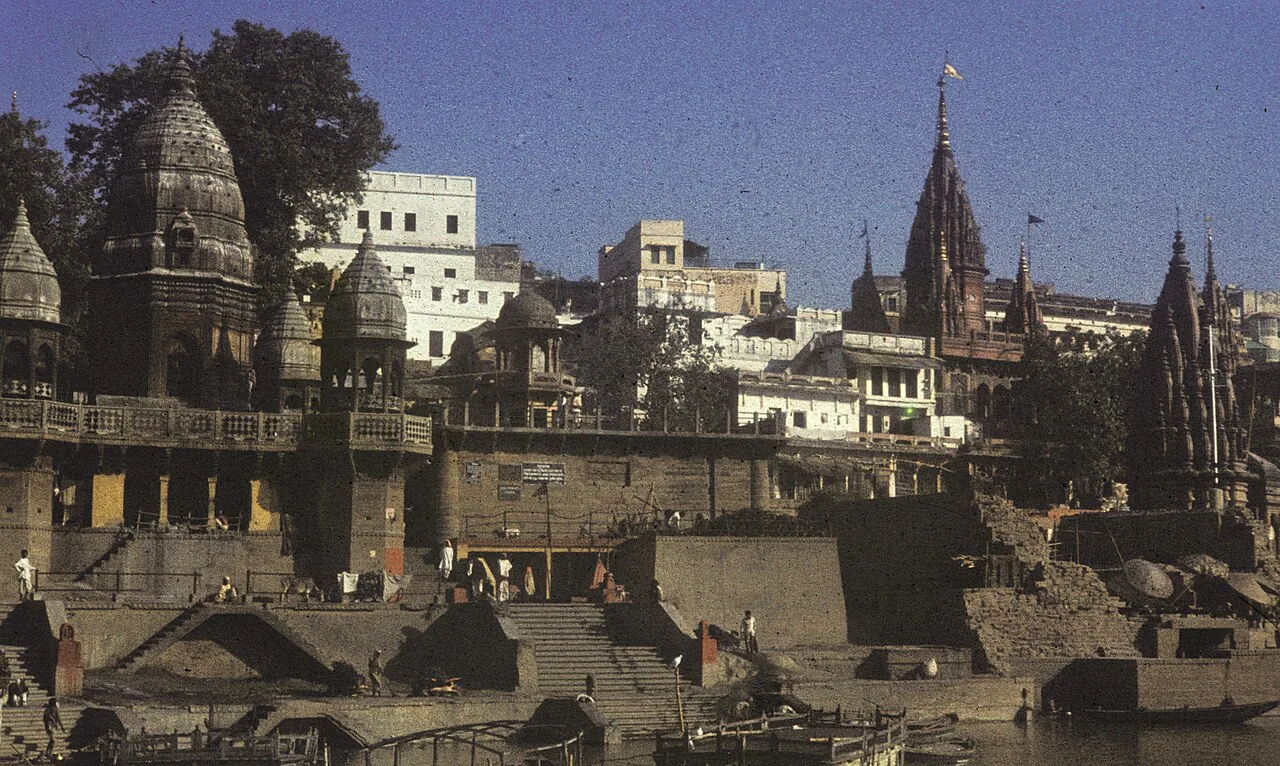
Manikarnika Ghat is a sacred Ganges-side site in Varanasi, Uttar Pradesh, visited for Hindu rites and cremations and revered for beliefs about moksha.

Ramnagar Fort

Varanasi district

Ramnagar Fort

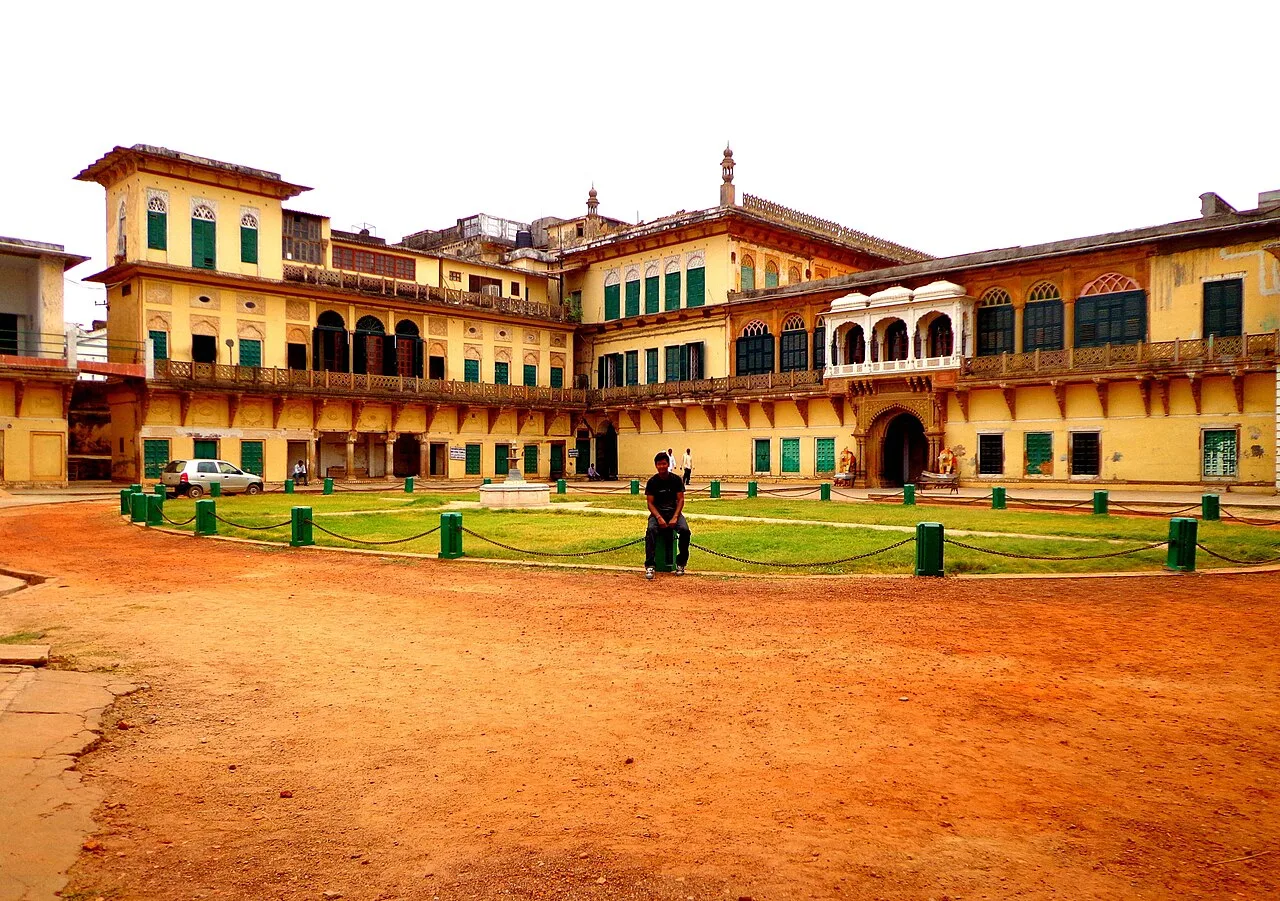
Ramnagar Fort is a sandstone fortification in Ramnagar, Varanasi district, on the Ganges’ eastern bank. Visitors come to view the structure and its position opposite Tulsi Ghat.

Sankat Mochan Hanuman Temple

Varanasi district

Sankat Mochan Hanuman Temple

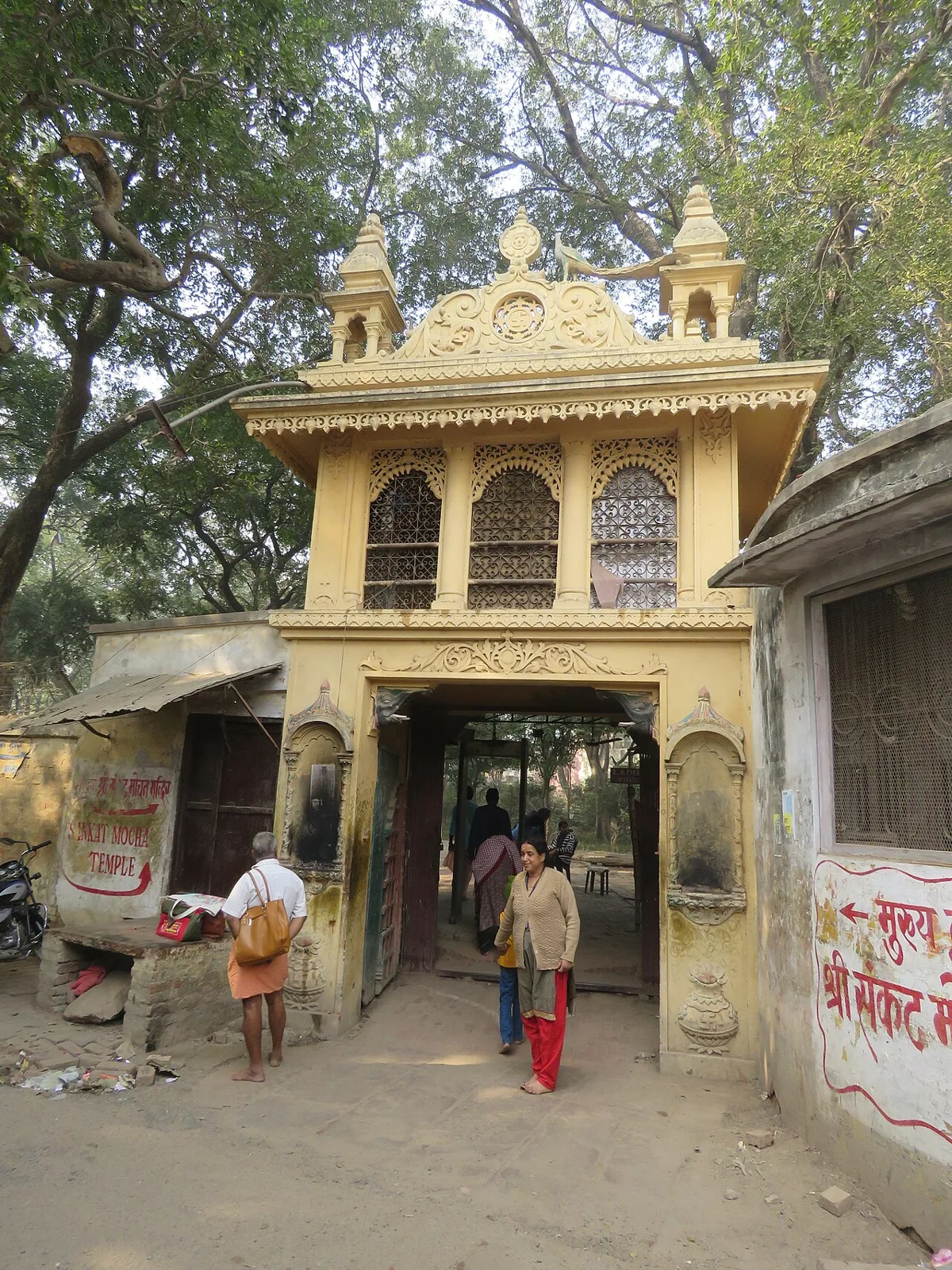
In Varanasi, Uttar Pradesh, this Hindu shrine honours Hanuman as Sankat Mochan, the one who relieves hardship. Visitors come to worship the deity in this form.

Sarnath Buddhist Site

Varanasi district

Sarnath Buddhist Site

Sarnath is a Buddhist pilgrimage town near Varanasi, remembered as the place where Gautama Buddha first taught after his enlightenment. Visitors come to see its important religious and historical associations.

Tulsi Manas Mandir

Varanasi district

Tulsi Manas Mandir

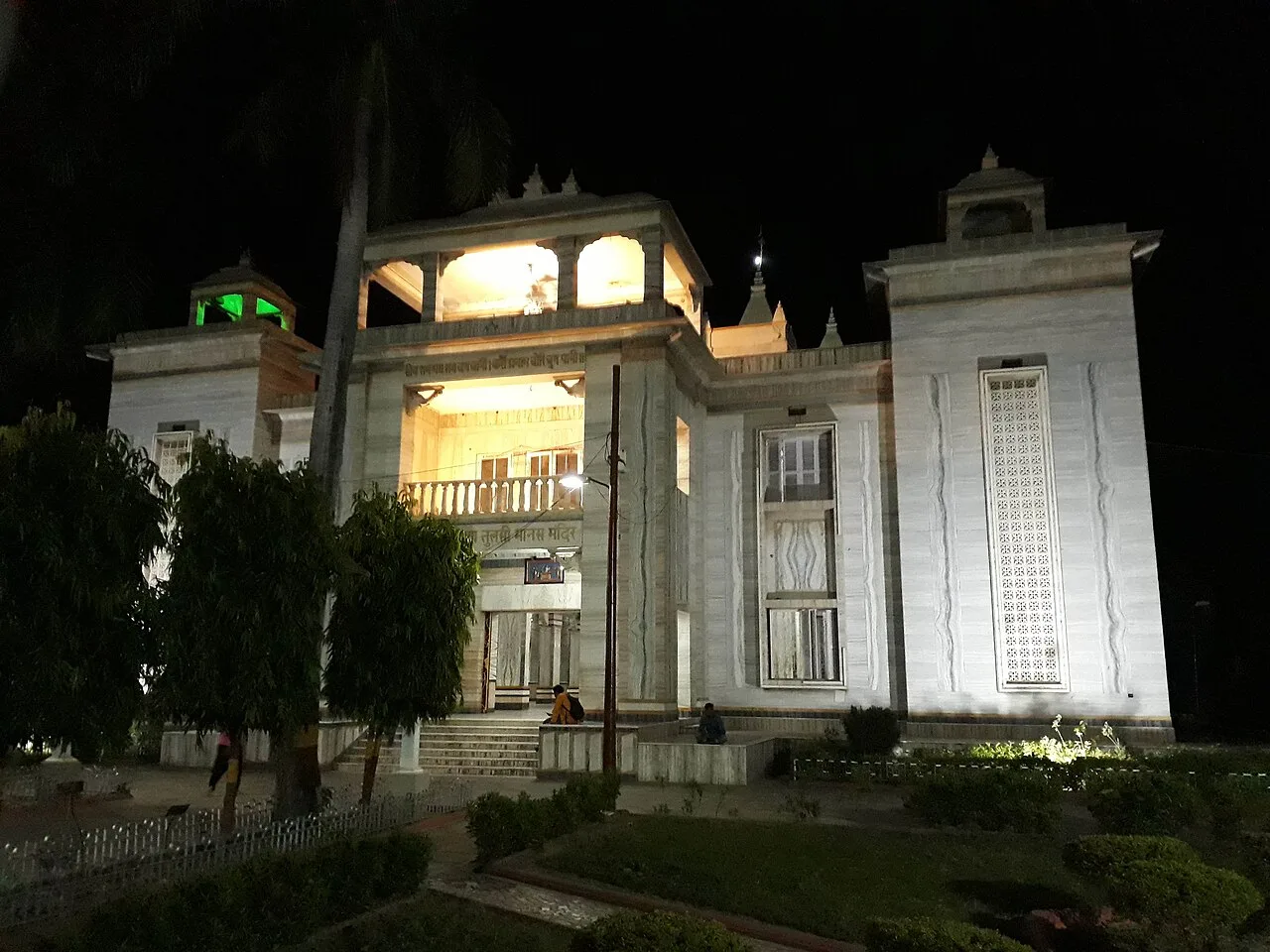
In Varanasi, Uttar Pradesh, Tulsi Manas Mandir is a Hindu temple associated with the Ramcharitmanas, which Goswami Tulsidas wrote there during the sixteenth century.

Map

Varanasi on the map

  1. 1Assi Ghat
  2. 2Bharat Kala Bhavan
  3. 3Chaukhandi Stupa
  4. 4Dashashwamedh Ghat
  5. 5Dhamek Stupa
  6. 6Durga Kund Mandir
  7. 7Kashi Vishwanath Temple
  8. 8Manikarnika Ghat
  9. 9Ramnagar Fort
  10. 10Sankat Mochan Hanuman Temple
  11. 11Sarnath Buddhist Site
  12. 12Tulsi Manas Mandir

Uttar Pradesh

Other cities to explore