Ghumoopedia — Explore, Discover, Experience
Sign in
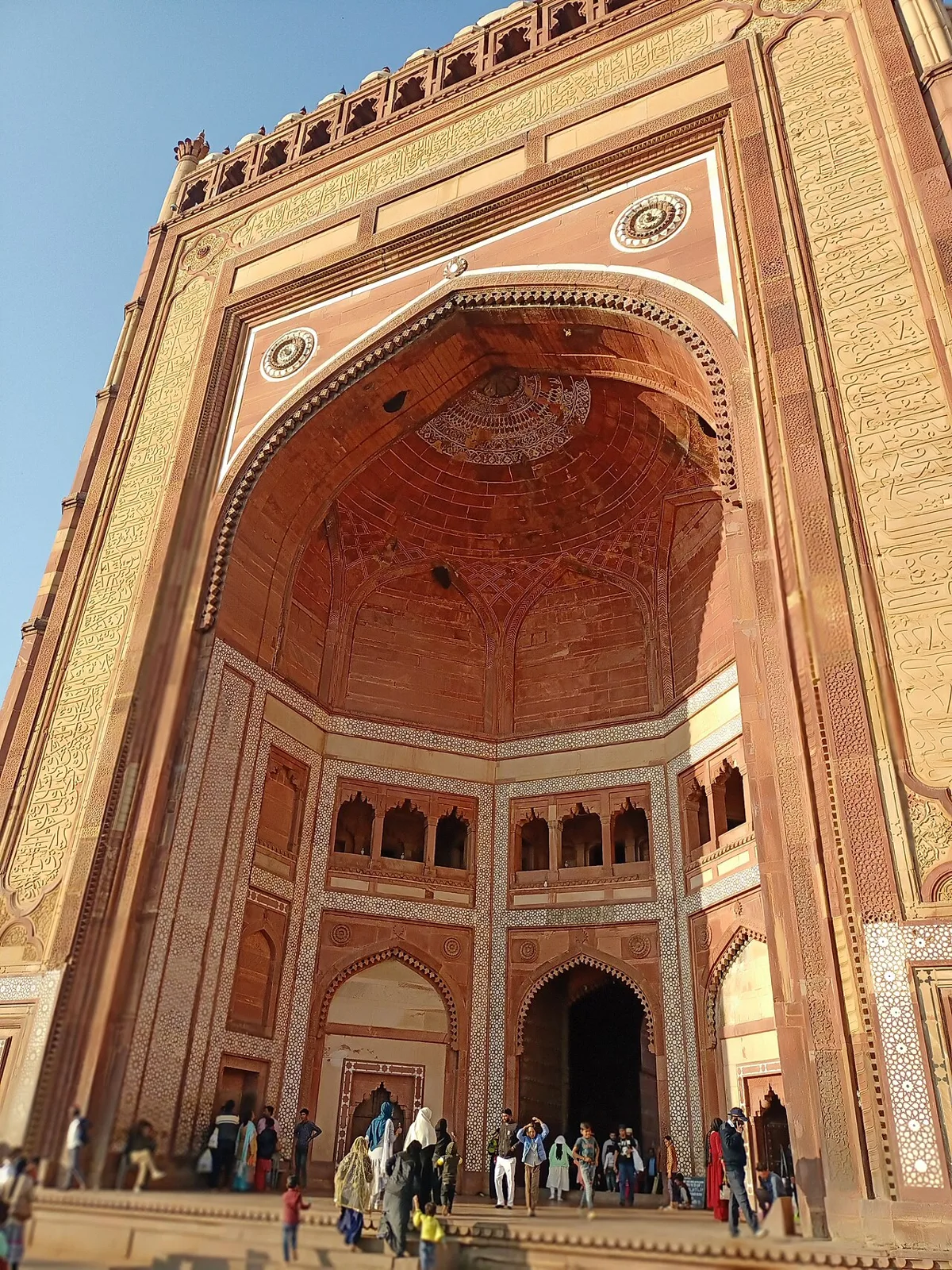
Buland Darwaza, near Fatehpur Sikri

City guide · Uttar Pradesh

Fatehpur Sikri

Fatehpur Sikri is a historic town in Agra district, about 36 kilometres from Agra. Emperor Akbar made it the Mughal imperial capital in the 16th century, and its carefully planned palace and religious complex remains the town’s defining landmark.

Famous for

  • Mughal palace complex
  • Buland Darwaza
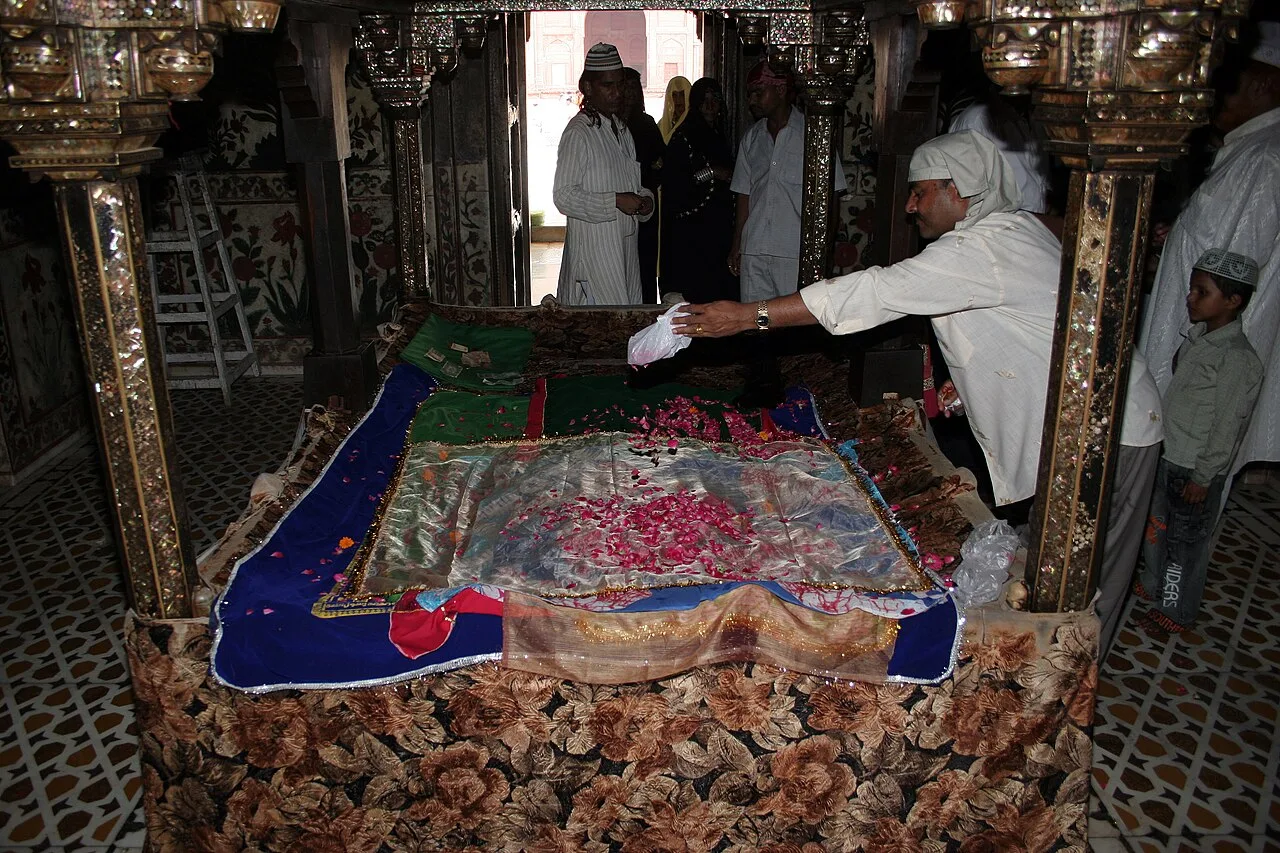
  • Salim Chishti’s tomb
  • Red sandstone architecture
  • UNESCO World Heritage Site
In the city
4
District
Agra

Why Fatehpur Sikri matters

Fatehpur Sikri is a historic town in Agra district, about 36 kilometres from Agra. Emperor Akbar made it the Mughal imperial capital in the 16th century, and its carefully planned palace and religious complex remains the town’s defining landmark. The site became a UNESCO World Heritage Site in 1986 and is among the most notable examples of Mughal architecture in India.

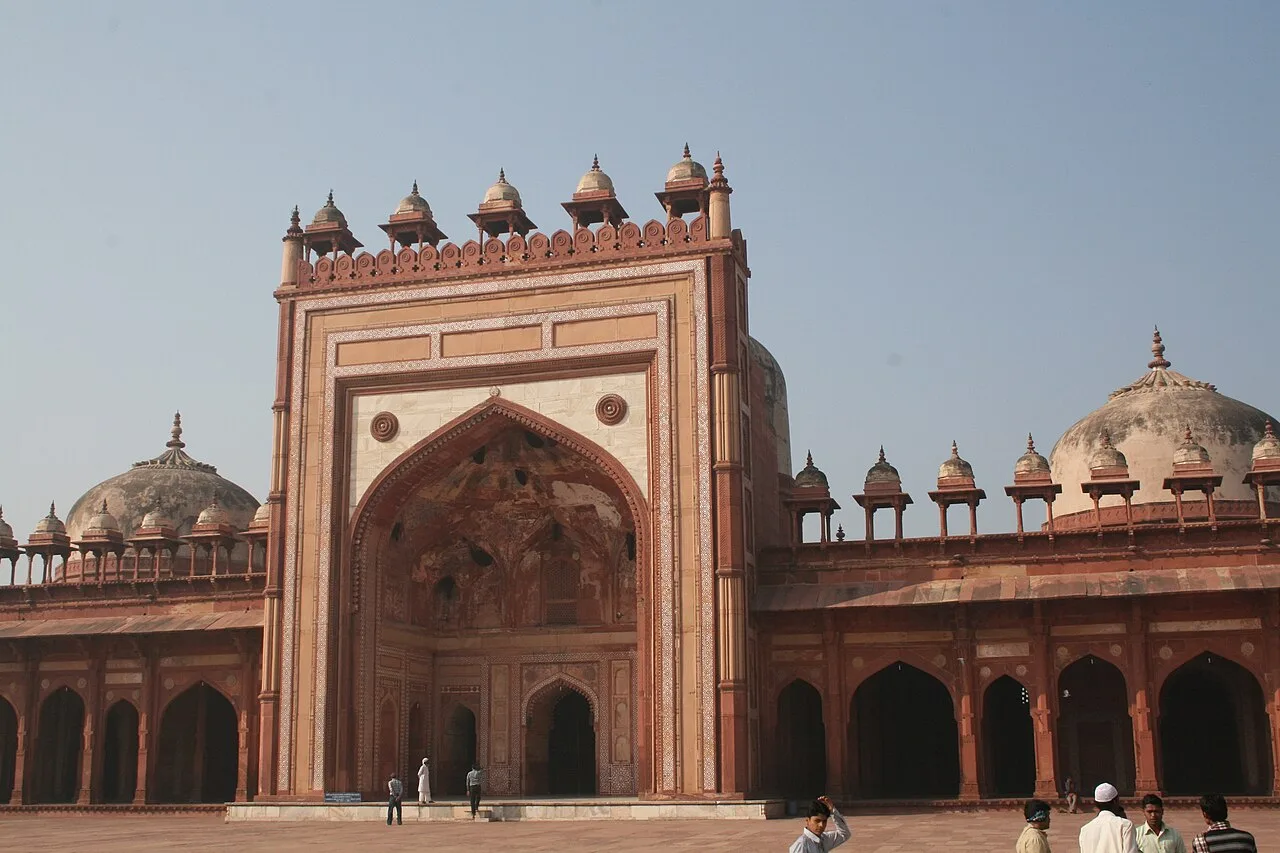
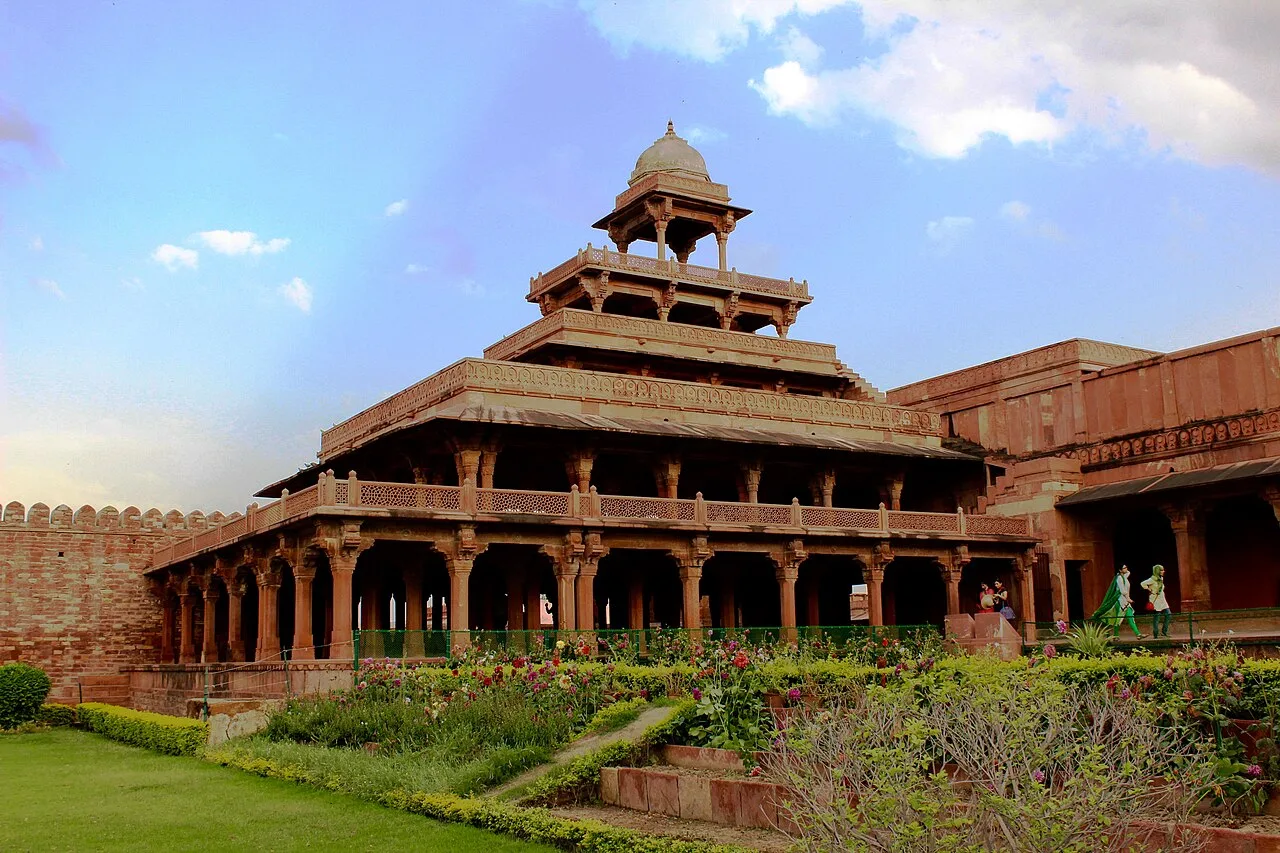
Visitors come to explore Buland Darwaza, Jama Masjid, the white-marble tomb of Sheikh Salim Chishti, and palace buildings such as Panch Mahal and Diwan-i-Khas. Red sandstone, carved screens, courtyards and distinctive combinations of architectural styles make the complex rewarding to explore on foot. The town also has religious significance: the shrine of the Chishti Sufi saint continues to draw pilgrims. Today, heritage tourism and pilgrimage shape Fatehpur Sikri’s place in the region, while its proximity to Agra makes it a popular stop on journeys through the area’s Mughal-era sites.
Famous for: crafts, trade & products

Fatehpur Sikri is best known for its historic architecture, rather than for a major textile, handicraft or industrial tradition. Its red sandstone buildings, carved details and lattice screens are the town’s most distinctive local legacy. There is no widely recognised GI-tagged product associated with the town, and visitors should not expect it to function as a specialist craft or wholesale market.

Small shops around the monument and in the old town may offer souvenirs and regional handicrafts. For a broader choice of established crafts, Agra is the nearby destination: its markets are known for marble inlay work, leather goods and other visitor-oriented products. Agra’s petha is a familiar regional sweet, but it is associated with Agra rather than being a signature product of Fatehpur Sikri. Visitors interested in local commerce can browse near the heritage complex, while those seeking a wider selection of crafts and goods can plan time in Agra. The town’s principal draw remains the monuments and shrine, not shopping.

History

The area around Sikri was settled long before Akbar’s capital was built. Archaeological finds point to earlier habitation and religious activity, including Jain remains, while local power later passed through several regional rulers. The village gained imperial importance after Akbar’s son Jahangir was born there in 1569. Akbar began building a religious complex associated with the Sufi saint Sheikh Salim Chishti, followed by a walled city and palace. The capital was established in 1571 and, after Akbar’s Gujarat campaign, became known as Fatehpur Sikri, or the City of Victory.

Akbar left for a campaign in Punjab in 1585, and the city was largely abandoned by 1610. Water constraints are often cited as one reason for its decline. After the East India Company took control of Agra in 1803, Fatehpur Sikri served as an administrative centre until 1850. Monument repairs were ordered in 1815. In modern times, conservation and heritage tourism have become central to the town’s identity; its historic complex received UNESCO World Heritage status in 1986.

Food, festivals & culture

The town’s food reflects the wider western Uttar Pradesh and Agra region. Visitors can find familiar North Indian meals, snacks and Mughlai-influenced dishes, though Fatehpur Sikri is not especially known for a distinct local cuisine. Agra petha is a well-known regional sweet and is more readily associated with Agra. For a fuller choice of restaurants and local specialities, many travellers eat in Agra before or after visiting.

Holi, usually celebrated in spring, and Diwali, generally in autumn, are observed alongside Eid festivals, whose dates follow the Islamic lunar calendar. The shrine of Sheikh Salim Chishti is an important place of worship and pilgrimage, and Jama Masjid serves the town’s Muslim community. Religious observances at the shrine bring devotional traditions into the town’s daily life. Hindi and Urdu are widely used, and Braj, the regional language, is also spoken. The broader area has strong devotional traditions; music and dance are best understood as part of regional culture rather than as a performance tradition unique to Fatehpur Sikri.

Visiting the city

The most comfortable season to visit is generally from October to March, when conditions are cooler for walking through the extensive monument complex. Summers can be very hot, and the monsoon brings rain. Agra Airport (Kheria) is the nearest airport, while Agra Cantt is the main railway station for most visitors. Fatehpur Sikri also has a local railway station, but travellers should check connections when planning a journey.

The town is about 36 kilometres from Agra and can be reached by road, taxi or local transport. Autos and taxis are useful for reaching the site; within the historic complex, walking is the best way to see its courtyards and buildings. Focus on the UNESCO-listed complex, Jama Masjid and the shrine of Salim Chishti, then explore the old town around the monument. Allow time for the scale of the site and for respectful visits to places of worship.

Attractions

Places to visit in Fatehpur Sikri

Sights within about 12 km of each other, even when they fall in different districts.

Map

Fatehpur Sikri on the map

  1. 1Buland Darwaza
  2. 2Fatehpur Sikri
  3. 3Panch Mahal, Fatehpur Sikri
  4. 4Tomb of Salim Chishti

Uttar Pradesh

Other cities to explore