Ghumoopedia — Explore, Discover, Experience
Sign in

City guide · Uttar Pradesh

Kabrai

Kabrai is a small urban centre in Mahoba district, in Uttar Pradesh’s Bundelkhand region. Its present-day importance comes chiefly from stone mining: quarries and stone-crushing units in and around the town supply building material and underpin much of the local economy.

Famous for

  • Stone mining
  • Stone-crushing industry
  • Bundelkhand road links
  • Kabrai Railway Station

Why Kabrai matters

Kabrai is a small urban centre in Mahoba district, in Uttar Pradesh’s Bundelkhand region. Its present-day importance comes chiefly from stone mining: quarries and stone-crushing units in and around the town supply building material and underpin much of the local economy. The industry gives Kabrai a distinctly working-town character and connects it to construction and trade across the region.

Set between Banda and Mahoba, Kabrai is also a road and rail stop for journeys through this part of Bundelkhand. National highways link it with nearby towns, while Kabrai Railway Station provides another way to reach the area. Visitors are more likely to use the town as a base or a stop while exploring the wider district than as a conventional sightseeing destination. Mahoba’s historic sites and the broader Bundelkhand landscape offer regional context, while Kabrai itself gives a closer view of a town shaped by quarrying, transport and local commerce.
Famous for: crafts, trade & products

Kabrai is best known for stone extraction and processing rather than for a distinctive textile, handicraft or GI-tagged product. Quarries and stone-crushing units around the town turn locally sourced rock into material used in construction. The industry is a major part of the local economy, and its presence is visible in the movement of trucks and the working landscape around the town. Visitors should treat quarry and crusher areas as industrial sites, not as visitor attractions, and should not enter without permission.

For everyday shopping, the town’s local market is the practical place to look for groceries, household goods and refreshments. It serves residents and people travelling between Kabrai, Mahoba and Banda; it is not especially known as a specialist craft or textile bazaar. Anyone seeking regional handicrafts or a wider choice of products may find more options in larger nearby centres. Kabrai’s most notable commercial identity remains its stone trade, while its road and rail connections support the movement of goods and people through this part of Bundelkhand.

History

Kabrai’s growth is closely tied to its location in Bundelkhand, between the district centre of Mahoba and Banda, and to its later role in transport and industry. The wider region has a much older history, including the legacy of the Chandela rulers around Mahoba, but Kabrai is chiefly notable as a developing town rather than as a major historic capital. Its local story is best understood through the changing links between settlements, markets and routes across the district.

During the colonial period, Bundelkhand came under British administration through a mix of directly governed districts and princely territories. Kabrai’s development in the modern era has been shaped more by transport access and quarrying than by a documented royal or colonial centre. Road connections and the railway station helped link the town to nearby markets, while the expansion of stone mining and crushing made it an important industrial locality. Today it functions as a nagar panchayat and a centre serving surrounding villages.

Food, festivals & culture

Kabrai shares the everyday cultural life of Bundelkhand. Hindi is widely used, alongside Bundeli in local conversation. Meals commonly draw on the region’s home-style cooking, including breads, pulses and seasonal vegetables; visitors will find simple food at local eateries rather than a food scene built around a signature dish. As in much of Uttar Pradesh, Holi in spring and Diwali in autumn are major occasions, while Navratri brings seasonal worship and community observances.

Bundeli folk songs and performance traditions, including the regionally known Rai dance, form part of the wider cultural setting, though performances are not a guaranteed feature of a visit to Kabrai. Temples and mosques serve local communities, and smaller shrines may be part of neighbourhood life. For a broader view of the area’s religious and historical heritage, visitors can explore sites in nearby Mahoba. Festival dates follow the Hindu lunar calendar and therefore vary from year to year.

Visiting the city

The cooler months, roughly from October to March, are generally the most comfortable time to visit; summers in Bundelkhand can be very hot, while monsoon conditions may affect road travel. Khajuraho Airport is a nearby air option, with onward travel by road. Kabrai Railway Station is the town’s main rail connection. National highways link Kabrai with Mahoba and Banda, and local taxis or auto-rickshaws can help with short trips; arrange onward transport in advance if travelling beyond the town.

Explore the central market and the streets around the railway station for a sense of everyday town life. The surrounding stone-working areas are industrial, often busy with heavy vehicles, and are not places to wander without permission. Kabrai can also serve as a stop for visiting Mahoba and other parts of the Bundelkhand region.

Trips from the city

Nearest places to visit from Kabrai

Our closest destination guides, by straight-line distance.

Kalinjar Fort

66 km away · Banda district

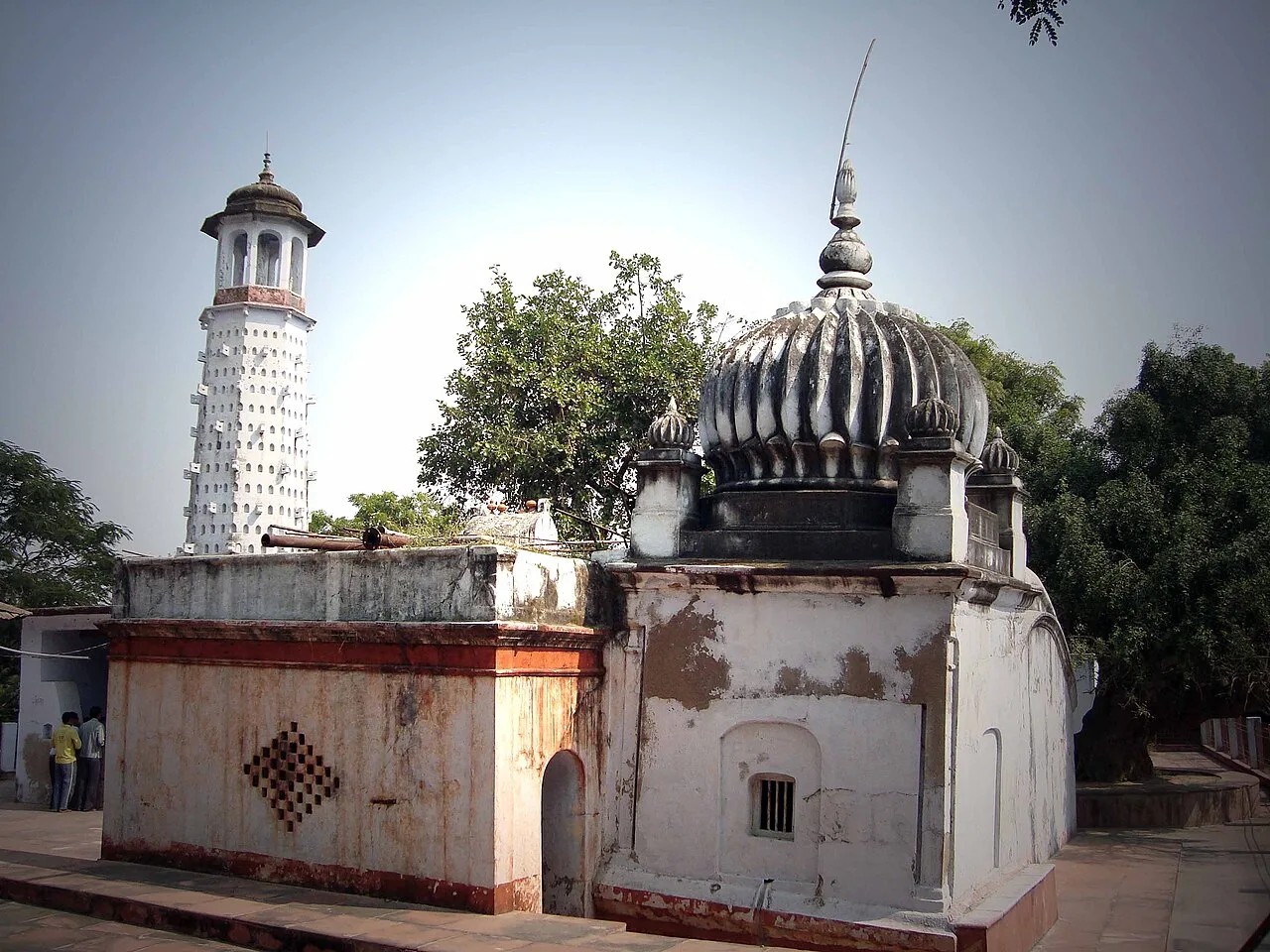
Kalinjar Fort

Travellers visit Kalinjar for its extensive fortifications, its association with Chandela rule and its long religious history, including sacred structures dating to the Gupta period.

JK Temple

123 km away · Kanpur Nagar district

JK Temple

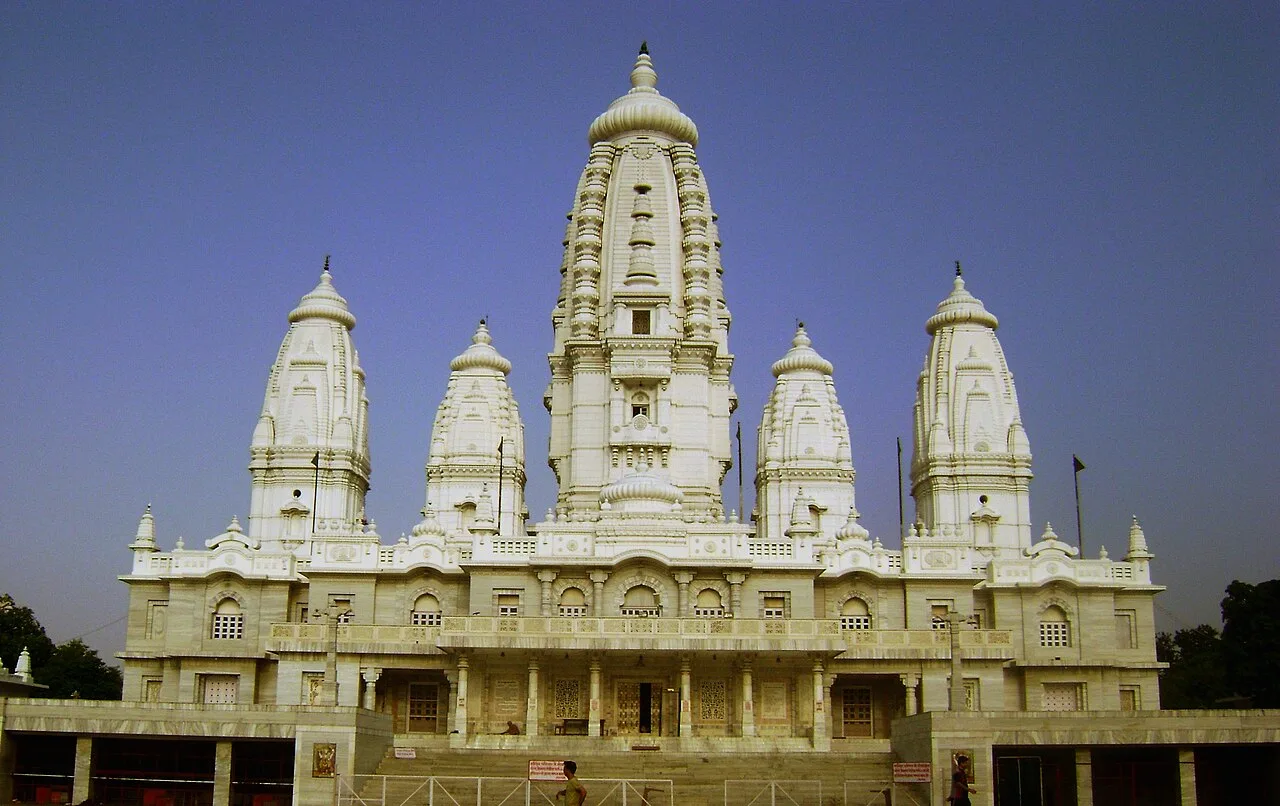
Known also as the Juggilal Kamlapat Temple and Radhakrishna Temple, this Hindu place of worship in Kanpur draws visitors for its combination of traditional and modern architectural features.

Bithoor Ghats

137 km away · Kanpur Nagar district

Bithoor Ghats

Bithoor Ghats are part of Bithoor, a town in Uttar Pradesh beside the Ganges. People visit for its importance as a Hindu pilgrimage centre and its connection with Nana Sahib and the 1857 uprising.

Kaushambi Archaeological Site

140 km away · Kaushambi district

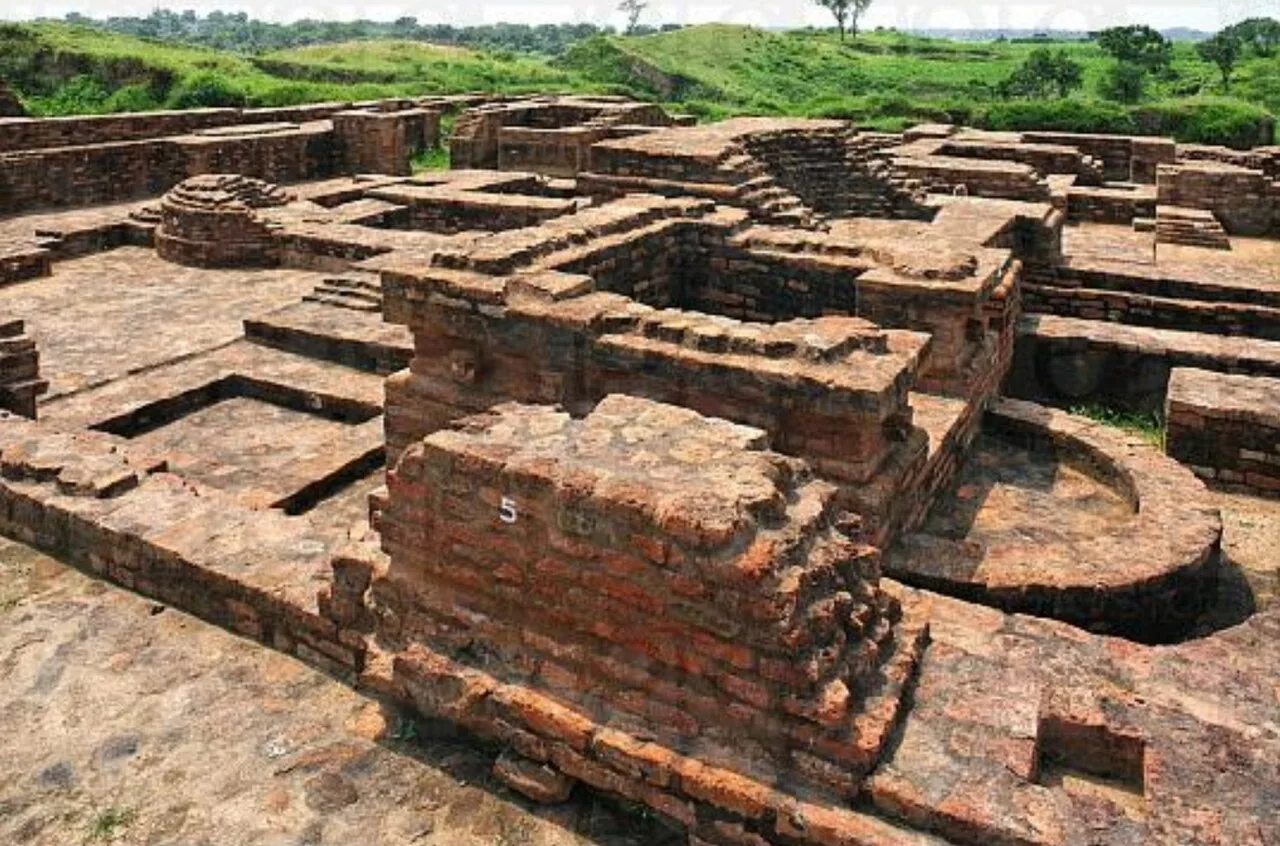
Kaushambi Archaeological Site

Kaushambi Archaeological Site is associated with an ancient city that served as the Vatsa kingdom’s capital and a trading centre on the Ganges Plain, attracting interest for its historical significance.

Jhansi Fort

143 km away · Jhansi district

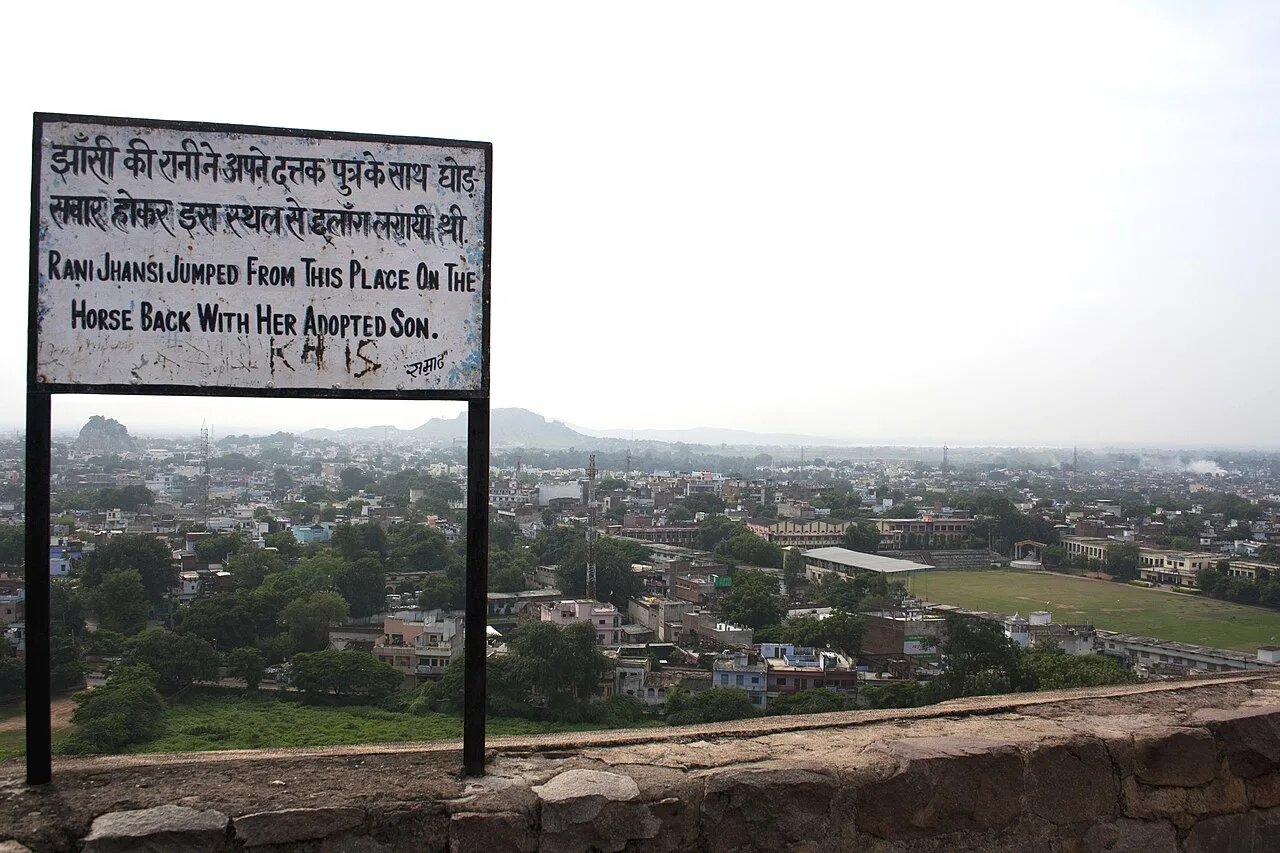
Jhansi Fort

Jhansi Fort is a historic stronghold on Bangira in Jhansi, Uttar Pradesh. Visitors can explore its links to the Karhade Brahmin rulers and the town’s later British-era history.

Nawabganj Bird Sanctuary

150 km away · Unnao district

Nawabganj Bird Sanctuary

Nawabganj Bird Sanctuary, renamed Shahid Chandra Shekhar Azad Bird Sanctuary in 2015, is a wetland reserve in Unnao district, visited for its migratory birds, deer park, watchtowers and boats.

Samaspur Bird Sanctuary

154 km away · Raebareli district

Samaspur Bird Sanctuary

In Uttar Pradesh’s Raebareli district, Samaspur is a wetland reserve where visitors can see resident birds, long-distance migrants and a variety of fish.

Shringverpur

166 km away · Prayagraj district

Shringverpur

The Uttar Pradesh village of Shringverpur is also known as Shringaverpur or Singraur; its alternate names help visitors identify the settlement in references using different spellings.

Map

Kabrai on the map

  1. 1Kalinjar Fort
  2. 2JK Temple
  3. 3Bithoor Ghats
  4. 4Kaushambi Archaeological Site
  5. 5Jhansi Fort
  6. 6Nawabganj Bird Sanctuary
  7. 7Samaspur Bird Sanctuary
  8. 8Shringverpur

Uttar Pradesh

Other cities to explore