Ghumoopedia — Explore, Discover, Experience
Sign in
Hastinapur Heritage Town, near Bijnor

City guide · Uttar Pradesh

Bijnor

Bijnor is the administrative centre of Bijnor district in western Uttar Pradesh, serving as a market and service hub for the surrounding towns and rural communities. Its location in the fertile Ganga plain connects it with a district economy shaped by farming, especially sugarcane, as well as trade and small-scale industry.

Famous for

  • Rohilla-era history
  • Nearby Vidur Kuti
  • Ganga-side excursions
  • Nagina wood carving
  • Regional sugarcane trade

Why Bijnor matters

Bijnor is the administrative centre of Bijnor district in western Uttar Pradesh, serving as a market and service hub for the surrounding towns and rural communities. Its location in the fertile Ganga plain connects it with a district economy shaped by farming, especially sugarcane, as well as trade and small-scale industry. The city is also a useful base for exploring the region’s river landscape and historic sites.

Visitors come for a quieter, locally rooted view of western Uttar Pradesh rather than a major monument circuit. Nearby Vidur Kuti is associated with the Mahabharata tradition, while the Ganga and its barrage offer a change of scenery outside the town. Bijnor’s history adds another dimension: the area passed through Mughal and Rohilla rule, and its past is reflected in regional stories and older religious places. The neighbouring town of Nagina, known for wood carving, is a notable excursion for visitors interested in craft. Bijnor is best approached as a district gateway, where everyday markets, agricultural trade and nearby heritage are part of the experience.
Famous for: crafts, trade & products

Bijnor’s commercial life serves an agricultural hinterland where sugarcane is a major crop. Sugar, jaggery and other farm goods move through the district’s trading network, while the town’s central market is the practical place to browse everyday produce, groceries, clothing and household wares. These are regional strengths rather than a single signature product made exclusively in the city. The district also has food-processing and small industrial activity, though visitors should not expect a large specialist shopping quarter.

For a distinctive craft, look to Nagina, another town in Bijnor district, celebrated for finely worked wooden objects and inlay. Its workshops and local shops are the best places to see the craft and ask about buying directly; it is not a craft that should be confused with Bijnor city’s own market identity. Bijnor is not especially known as a centre for a particular saree or textile tradition, and no widely recognised GI-tagged product is closely identified with the city. In town, explore the bazaar lanes for locally traded goods and regional snacks; for carved wood, plan a separate visit to Nagina.

History

Local tradition credits Bijli Pasi with founding Bijnor, though accounts of the city’s early beginnings are not fully documented. The region later formed part of the Mughal Empire. During the eighteenth century, Rohilla Pashtun chiefs established power across Rohilkhand; Ali Muhammad Khan extended his authority into Bijnor, and Najib-ud-Daula became an influential Rohilla leader and Mughal court figure. Conflict with the Marathas and shifting alliances shaped the wider region during this period.

Bijnor came under British control as Rohilkhand was ceded to the East India Company in the early nineteenth century. The district experienced the upheavals of the 1857 uprising, as did much of north India. Under colonial administration the town developed as a district headquarters and centre for courts, public offices and local commerce. After independence, roads, rail connections, education and agricultural processing strengthened its role as a service town for the surrounding countryside. Sugarcane cultivation remains important to the district’s economy, while Bijnor continues to function chiefly as its administrative and market centre.

Food, festivals & culture

Everyday food in Bijnor reflects the wheat-growing plains of western Uttar Pradesh. Meals commonly include rotis, lentils, seasonal vegetables and dairy, while market stalls and sweet shops offer familiar regional snacks such as kachori and jalebi. Sweets made with milk and seasonal produce are popular, though individual shops may have their own specialities. The area’s cuisine is shaped by both Hindu and Muslim household traditions, rather than by one dish unique to the city.

Hindi and Urdu are widely used, alongside local varieties of Khari Boli. Holi, Diwali, Navratri and Dussehra bring seasonal gatherings, while Eid and Muharram are important observances for Muslim residents; dates for lunar-calendar festivals vary each year. Temple worship, mosque congregations and community events are part of daily life. Bhajans, devotional singing and qawwali can be heard at religious or cultural gatherings, while folk songs accompany family celebrations. Bijnor does not have a single dance form strongly associated with it; performances and music generally draw on broader western Uttar Pradesh traditions.

Visiting the city

October to March is generally the most comfortable period to visit, with cooler weather for town walks and nearby excursions. Summers can be very hot, and monsoon months bring rain and humidity. The nearest practical commercial airport is Jolly Grant Airport in Dehradun; check current flight connections before planning. Bijnor railway station is the town’s main rail stop, with road links to other centres in western Uttar Pradesh.

Auto-rickshaws and e-rickshaws are useful for getting around town, while buses and hired cars suit trips farther afield. Explore the central bazaar and older town streets for daily market life, then arrange a visit to Vidur Kuti or the Ganga barrage area. Nagina is a worthwhile separate outing for its wood-carving workshops and shops. Local transport availability can vary, so allow time to organise trips beyond the town centre.

Trips from the city

Nearest places to visit from Bijnor

Our closest destination guides, by straight-line distance.

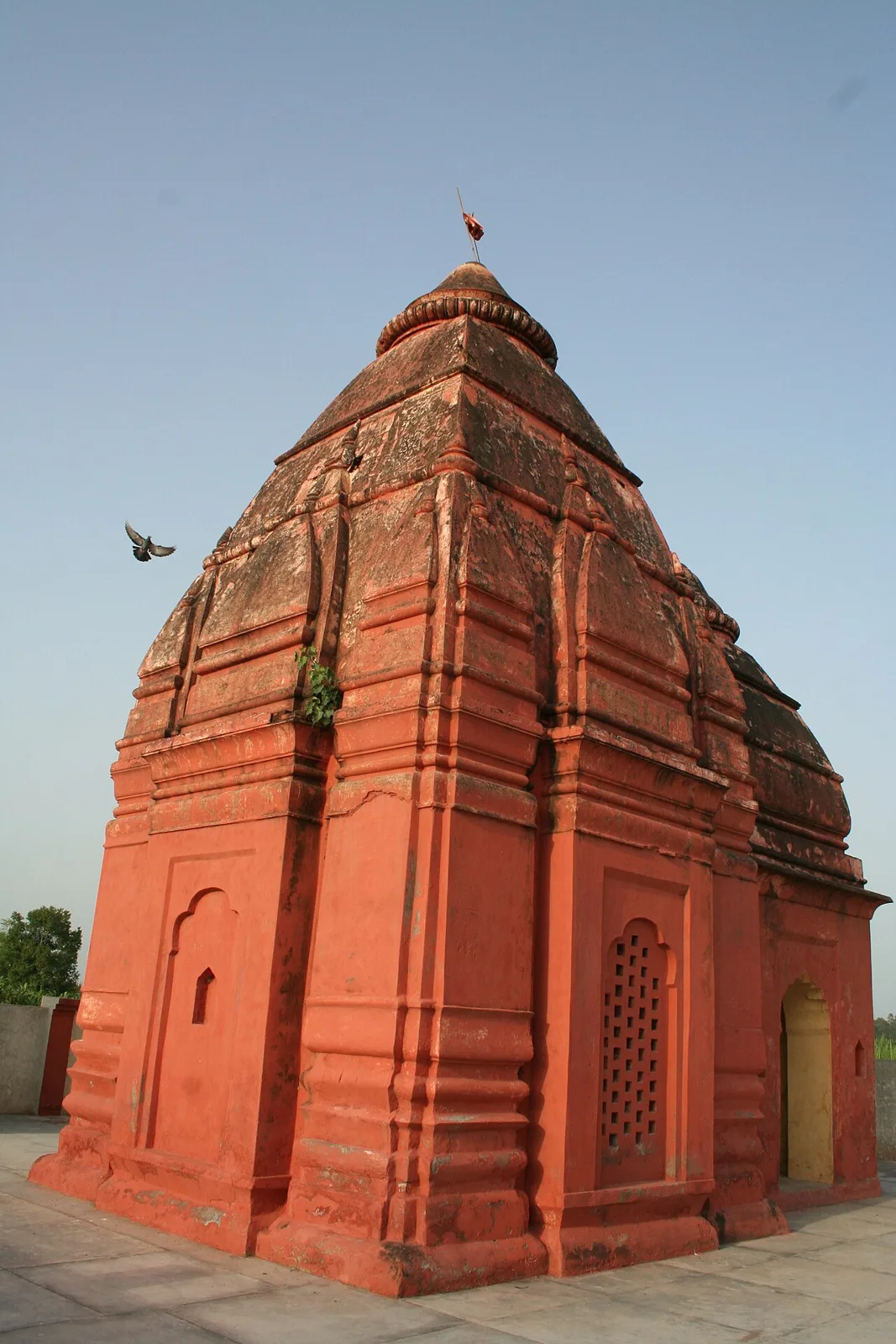
Hastinapur Heritage Town

25 km away · Meerut district

Hastinapur Heritage Town

Hastinapur is a town in Uttar Pradesh’s Meerut district, known for its place in Hindu accounts of the Kuru kingdom and its Jain associations with three Tirthankaras.

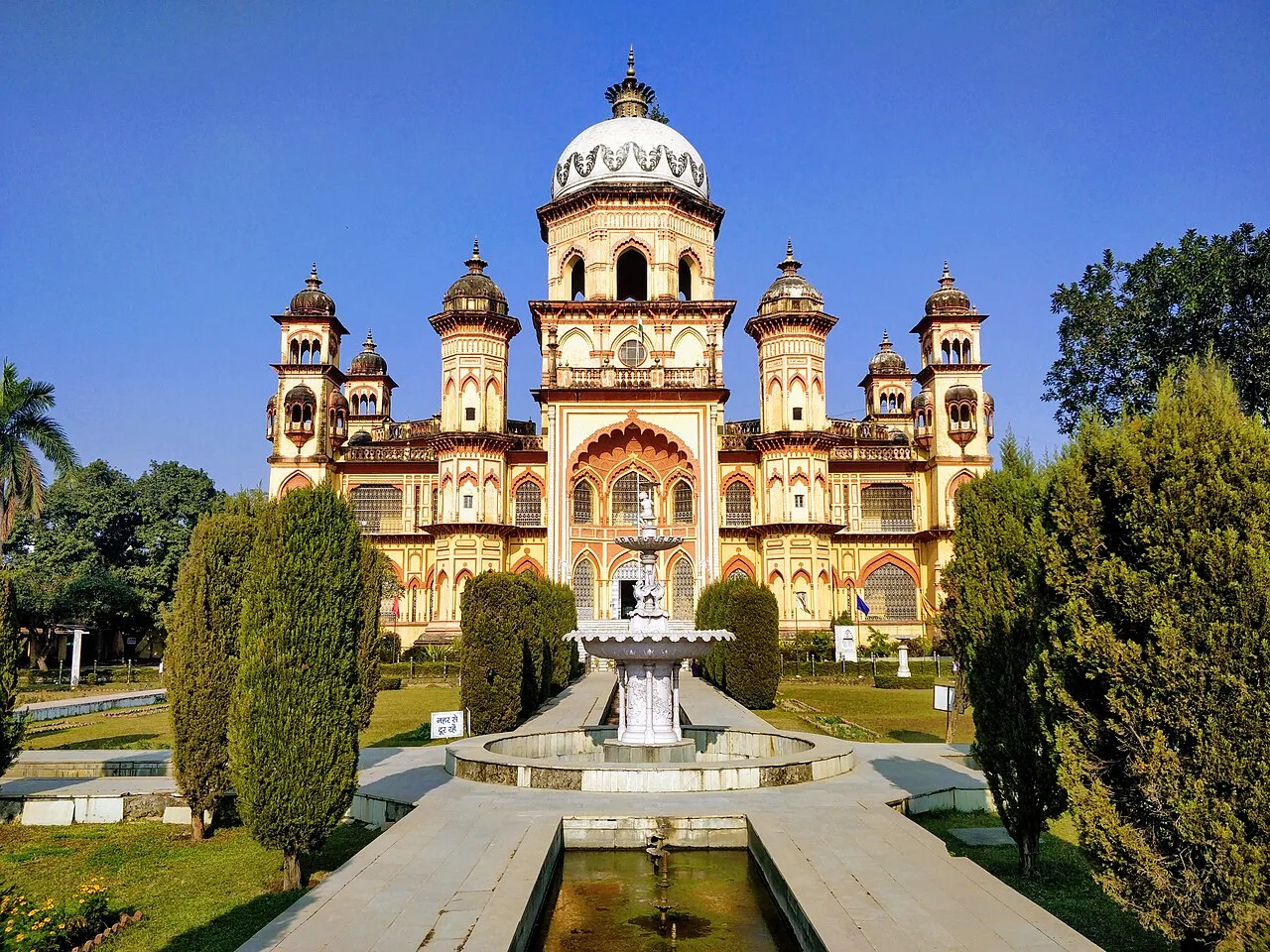
Rampur Raza Library

106 km away · Rampur district

Rampur Raza Library

In Rampur, Uttar Pradesh, the Rampur Raza Library preserves Indo-Islamic cultural heritage dating to the late eighteenth century. Visitors come to see its manuscripts, artworks, historical records and varied printed collection.

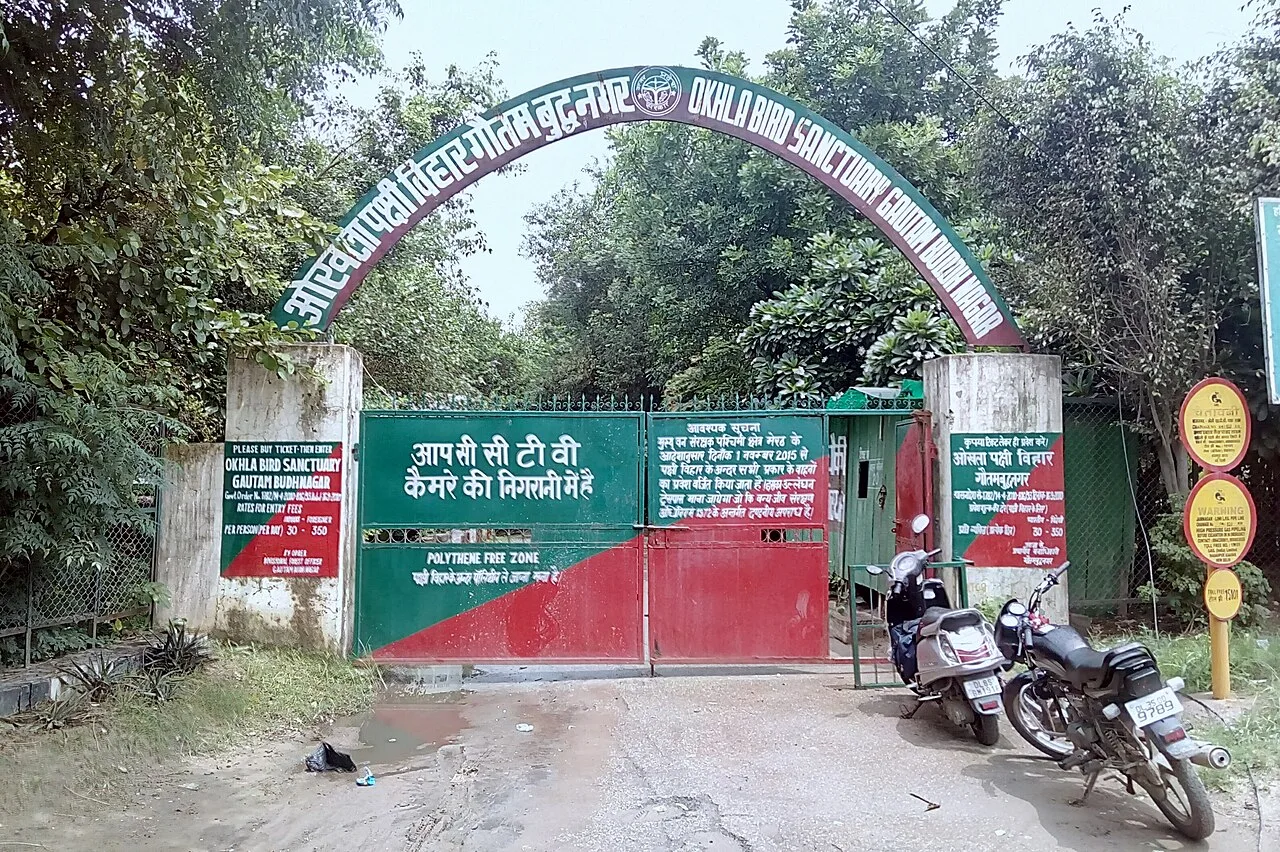
Okhla Bird Sanctuary

121 km away · Gautam Buddh Nagar district

Okhla Bird Sanctuary

At the Yamuna’s crossing from Delhi into Uttar Pradesh, Okhla Bird Sanctuary protects a barrage-created wetland that visitors come to explore and watch its varied birdlife.

Pilibhit Tiger Reserve

202 km away · Pilibhit district

Pilibhit Tiger Reserve

Pilibhit Tiger Reserve is a protected tiger habitat in Uttar Pradesh’s Pilibhit district, designated in 2014. Visitors come to explore its forests, grasslands, wetlands and wildlife, including tigers and deer.

Banke Bihari Temple

204 km away · Mathura district

Banke Bihari Temple

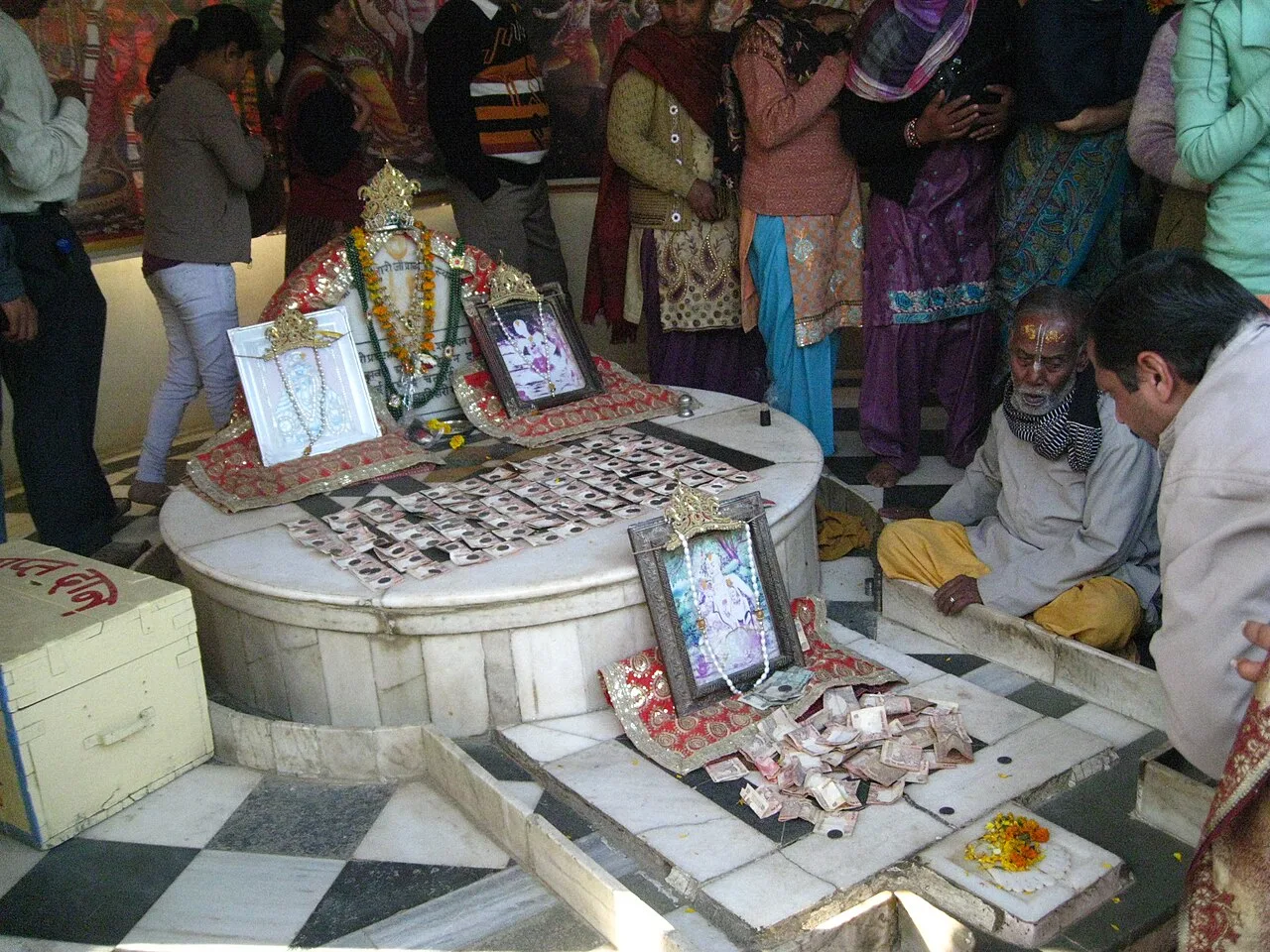
Banke Bihari Temple is a Hindu place of worship in Vrindavan, Mathura district, visited by devotees to honour Banke Bihari, regarded as Radha and Krishna united.

Vrindavan Town

204 km away · Mathura district

Vrindavan Town

Vrindavan is a historic town in Uttar Pradesh’s Mathura district, within Braj Bhoomi. Visitors come for its Hindu associations with Krishna and its many temples to Krishna and Radha.

ISKCON Temple, Vrindavan

205 km away · Mathura district

ISKCON Temple, Vrindavan

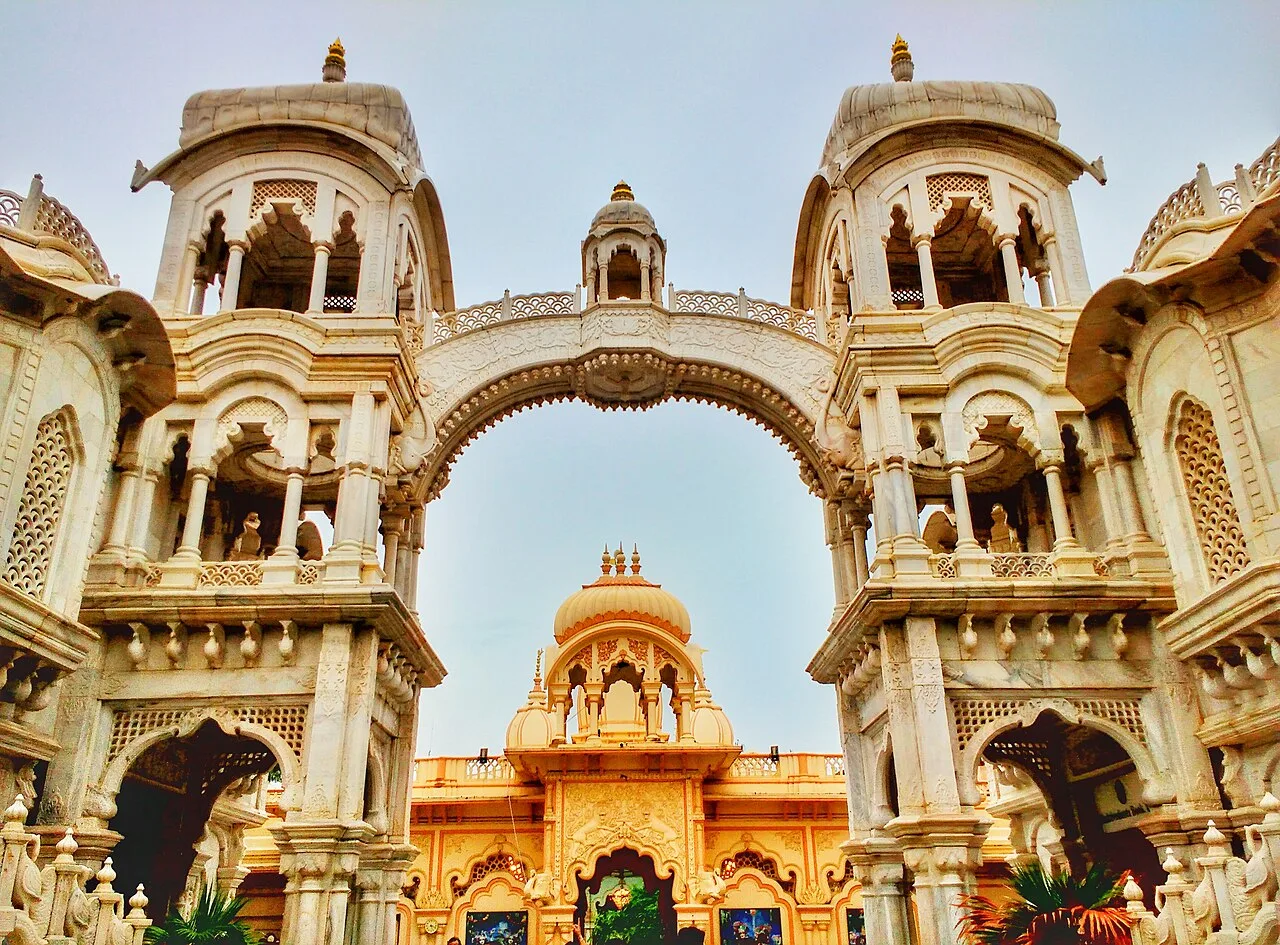
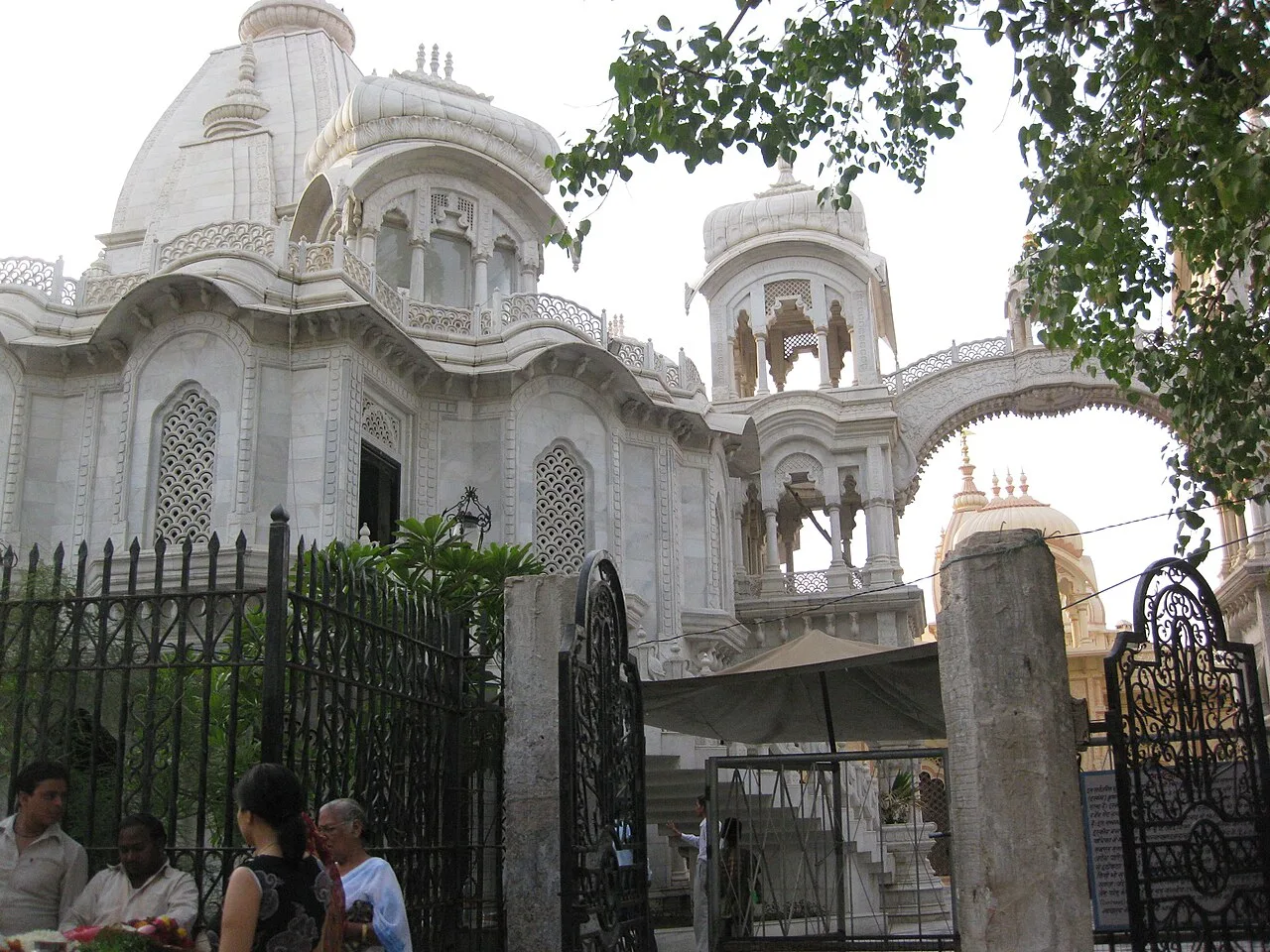
In Vrindavan, Uttar Pradesh’s Mathura district, this Gaudiya Vaishnava temple is devoted to Krishna and Balarama. Visitors come to worship these deities and the other figures honoured there.

Prem Mandir

205 km away · Mathura district

Prem Mandir

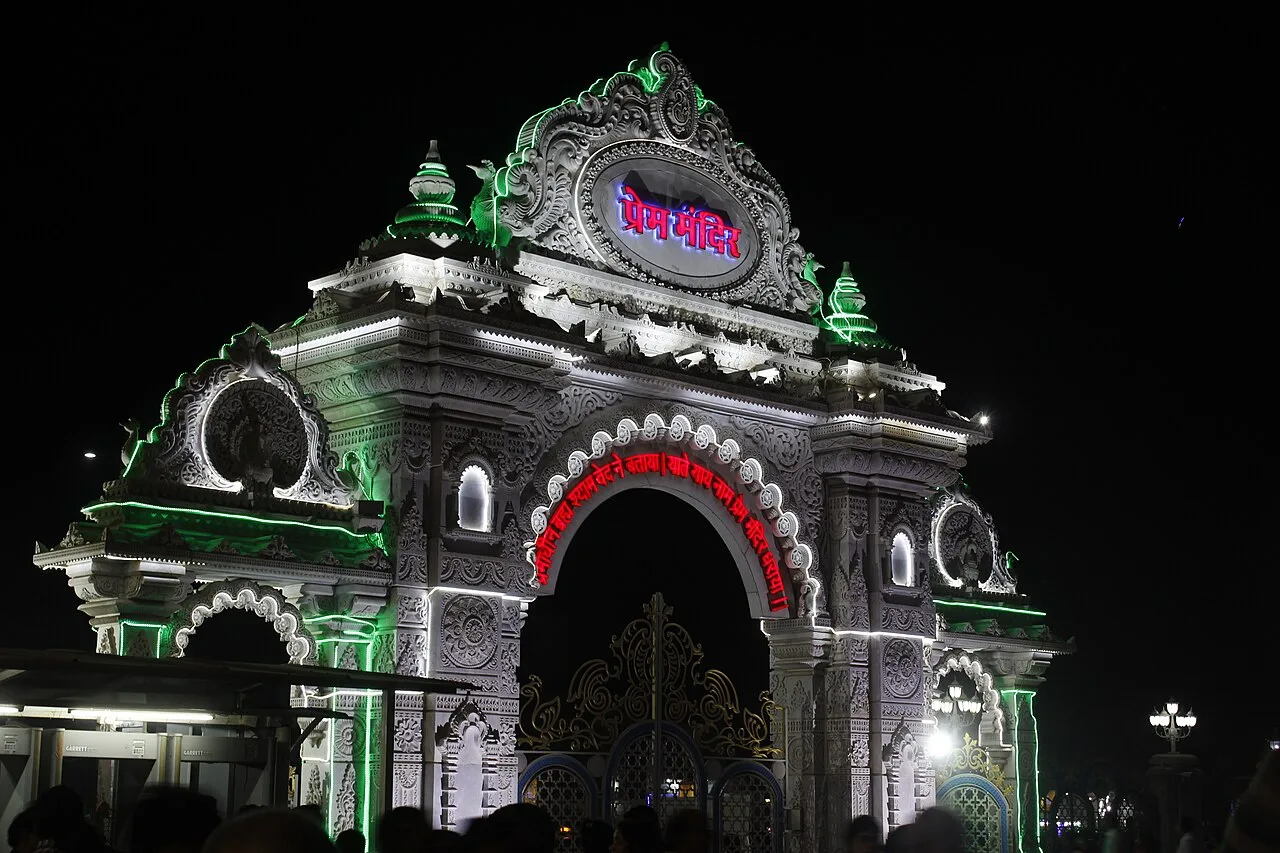
Prem Mandir is a Hindu temple in Vrindavan, Mathura district, Uttar Pradesh. Visitors come to see its dedications to Radha Krishna and Sita Ram, as well as a tribute to four earlier Jagadgurus.

Map

Bijnor on the map

  1. 1Hastinapur Heritage Town
  2. 2Rampur Raza Library
  3. 3Okhla Bird Sanctuary
  4. 4Pilibhit Tiger Reserve
  5. 5Banke Bihari Temple
  6. 6Vrindavan Town
  7. 7ISKCON Temple, Vrindavan
  8. 8Prem Mandir

Uttar Pradesh

Other cities to explore