
District · Uttar Pradesh
Agra
Agra district brings together Mughal-era monuments, historic towns and riverine landscapes in western Uttar Pradesh.
Agra district lies in the western Uttar Pradesh plains, with the Yamuna running through its best-known urban centre and agricultural land and smaller settlements beyond it. Its history spans several eras, but the district is especially associated with the Mughal period: Agra served as an imperial capital, while nearby Fatehpur Sikri was built as a major court city. The Taj Mahal, Agra Fort and Akbar’s tomb are among its prominent historic sites; gardens, shrines and riverfront places add to the picture. Today, Agra is a busy regional hub where monumental architecture and pilgrimage sites sit alongside markets, workshops and everyday city life.
Agra district brings together Mughal-era monuments, historic towns and riverine landscapes in western Uttar Pradesh. Agra city is best known for the Taj Mahal and Agra Fort, while Fatehpur Sikri preserves a major planned Mughal capital and Bateshwar is associated with a riverside temple complex and fair. The district also includes gardens, tombs, a Sikh pilgrimage site and the wetland at Sur Sarovar. These places make Agra a useful base for exploring the Yamuna region and its layered history.
The Agra region was part of several north Indian kingdoms before becoming important under the Delhi Sultanate. Sikandar Lodi established Agra as a capital in the early sixteenth century. Under the Mughals, Agra became a major imperial centre: Akbar developed the city and commissioned a new capital at Fatehpur Sikri, while later emperors built forts, gardens and mausoleums along the Yamuna. Shah Jahan’s reign left a particularly visible imprint in Agra’s monumental architecture. Mughal power waned in the eighteenth century, when the region experienced Maratha influence and conflict before coming under British control. During the colonial period, Agra was an important administrative centre in the North-Western Provinces and later the United Provinces. The present district is part of Uttar Pradesh, formed in 1950. Its towns and monuments reflect successive political eras, while the historic core of Agra continues to be shaped by conservation and tourism.
15 destination guides
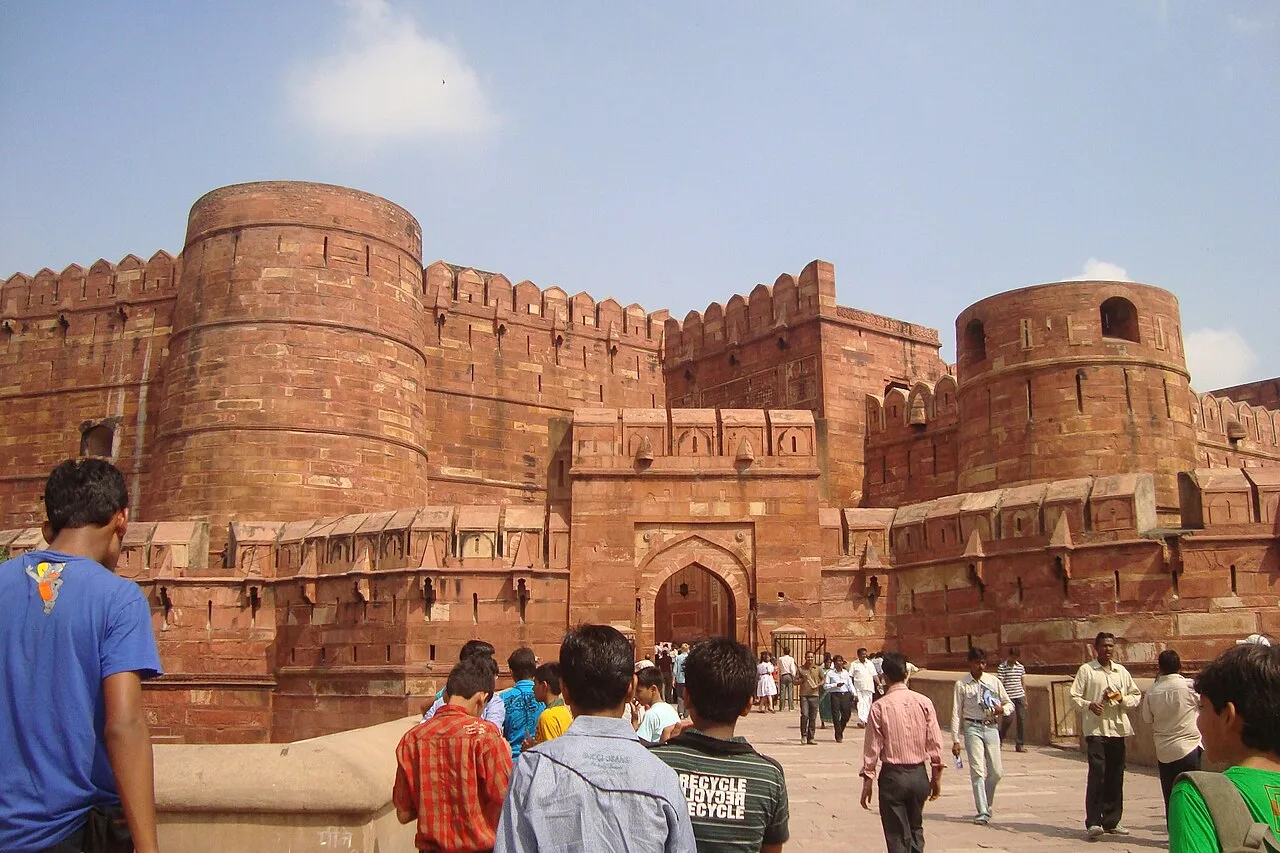
Agra Fort
Agra Fort is a major Mughal-era stronghold in Agra, rebuilt by Akbar and later expanded by Shah Jahan. Visitors come to see its palaces, mosques and historic gateways.
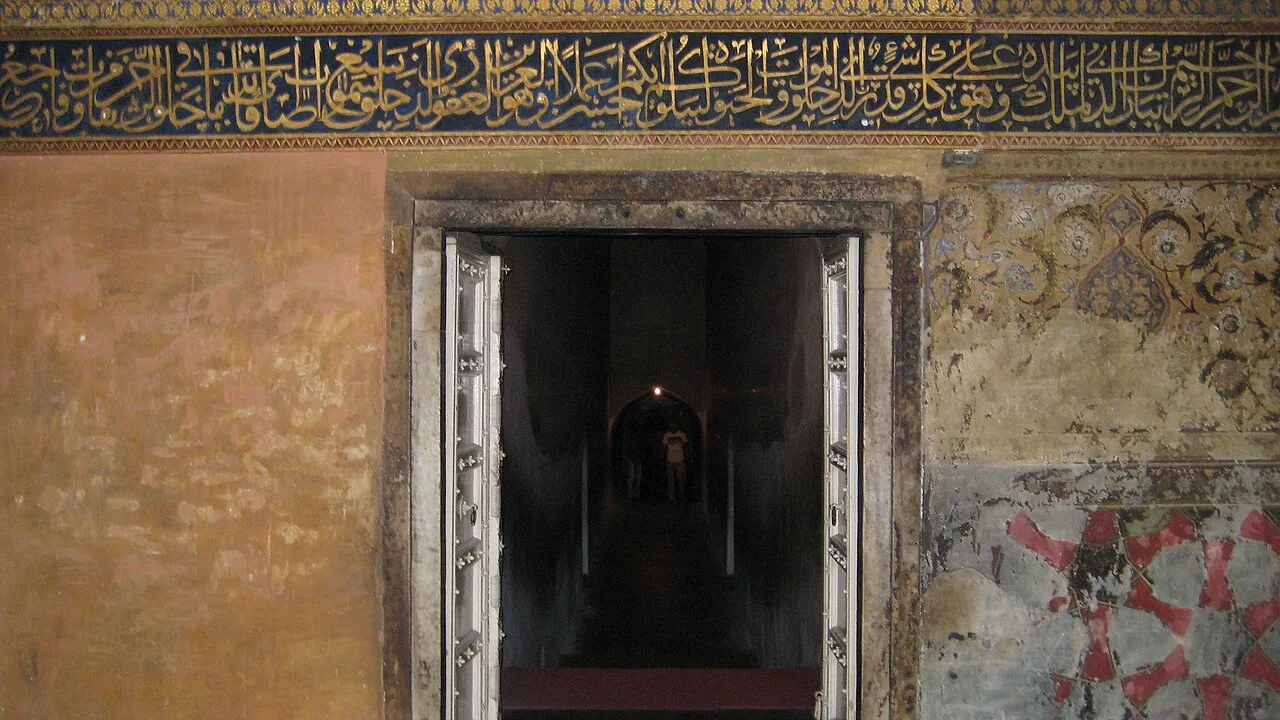
Akbar's tomb
The burial monument of Mughal ruler Akbar, this Agra site is visited for its historic association and buildings that combine red sandstone construction with white marble details.
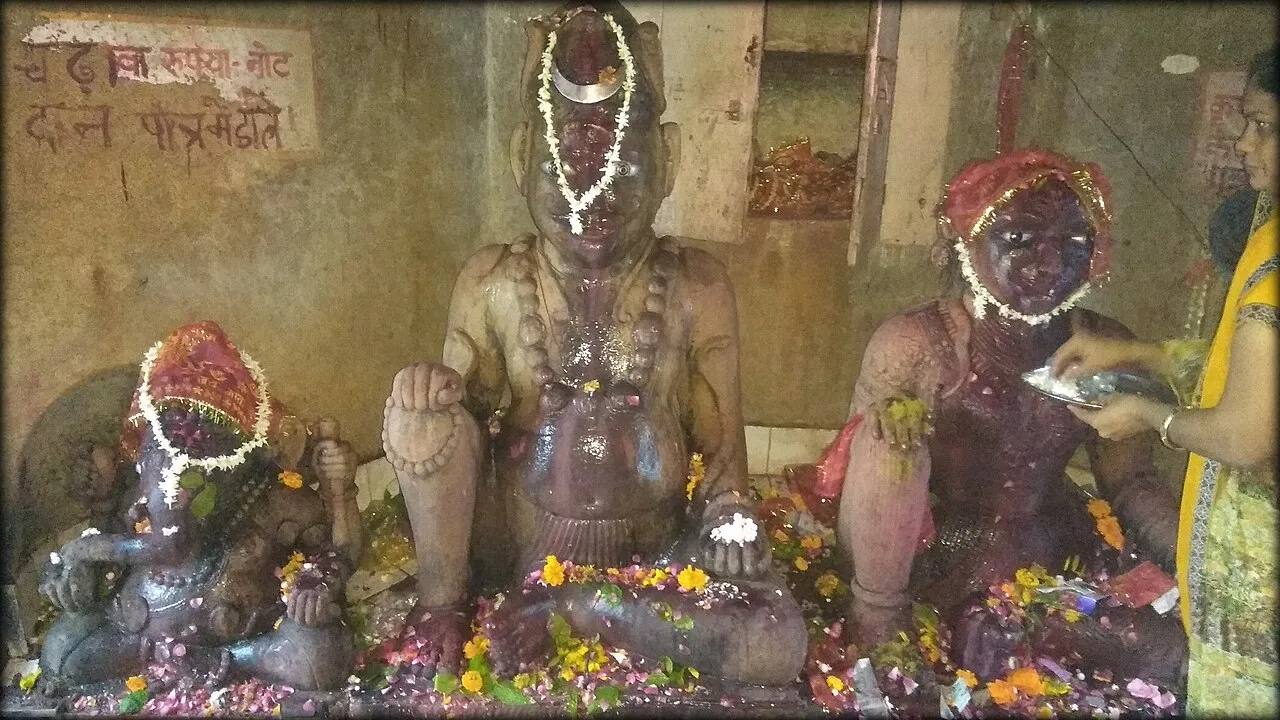
Bateshwar Temples, Agra
Bateshwar is a village in Uttar Pradesh’s Agra district, known as a spiritual centre for Hindus and Jains, with 101 Shiva temples and an annual fair.
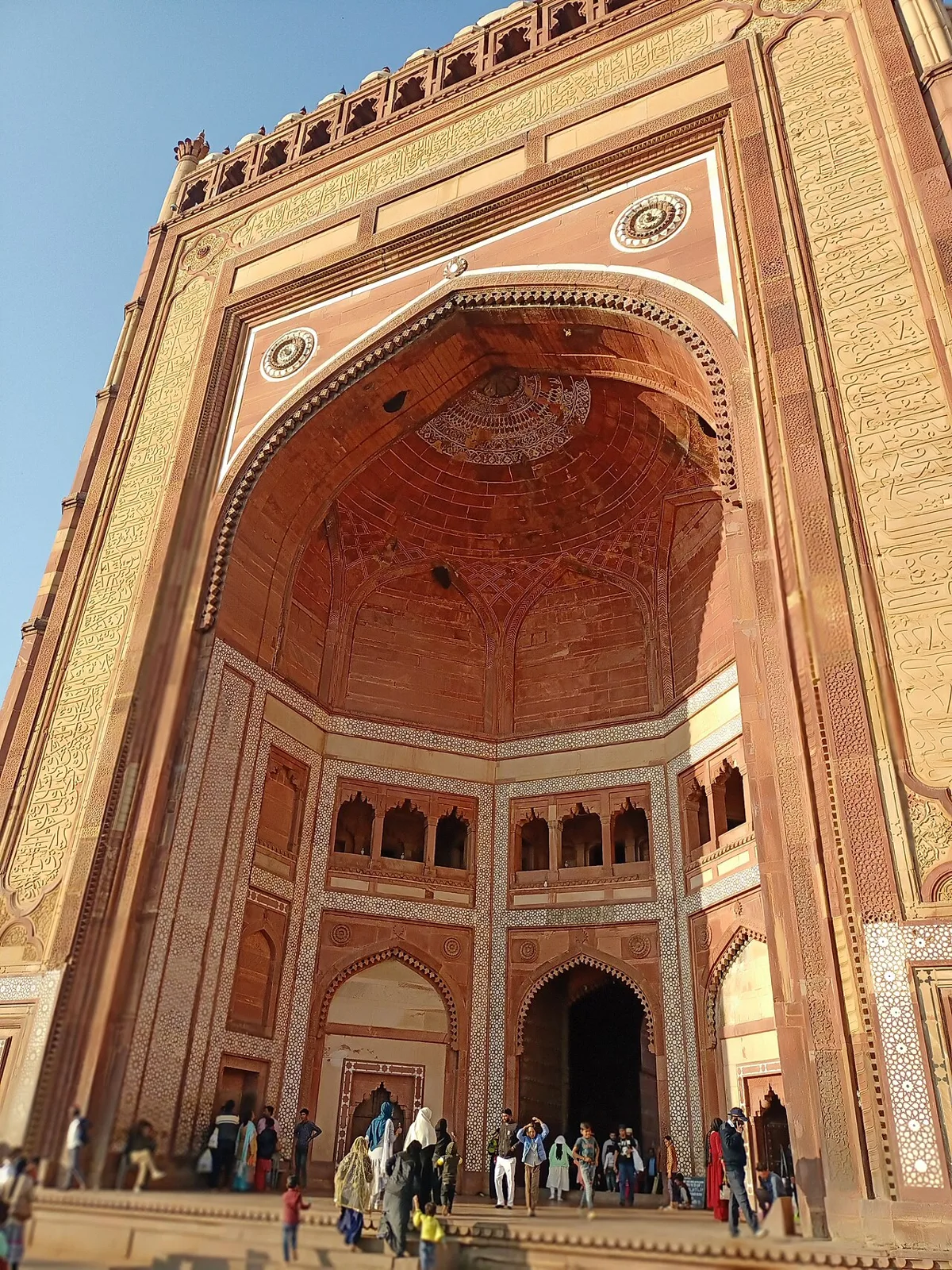
Buland Darwaza
Buland Darwaza is a Mughal gateway at Fatehpur Sikri, raised under Akbar to mark his victory in Gujarat. Visitors see its architectural scale and its place at the entrance to the Jama Masjid.
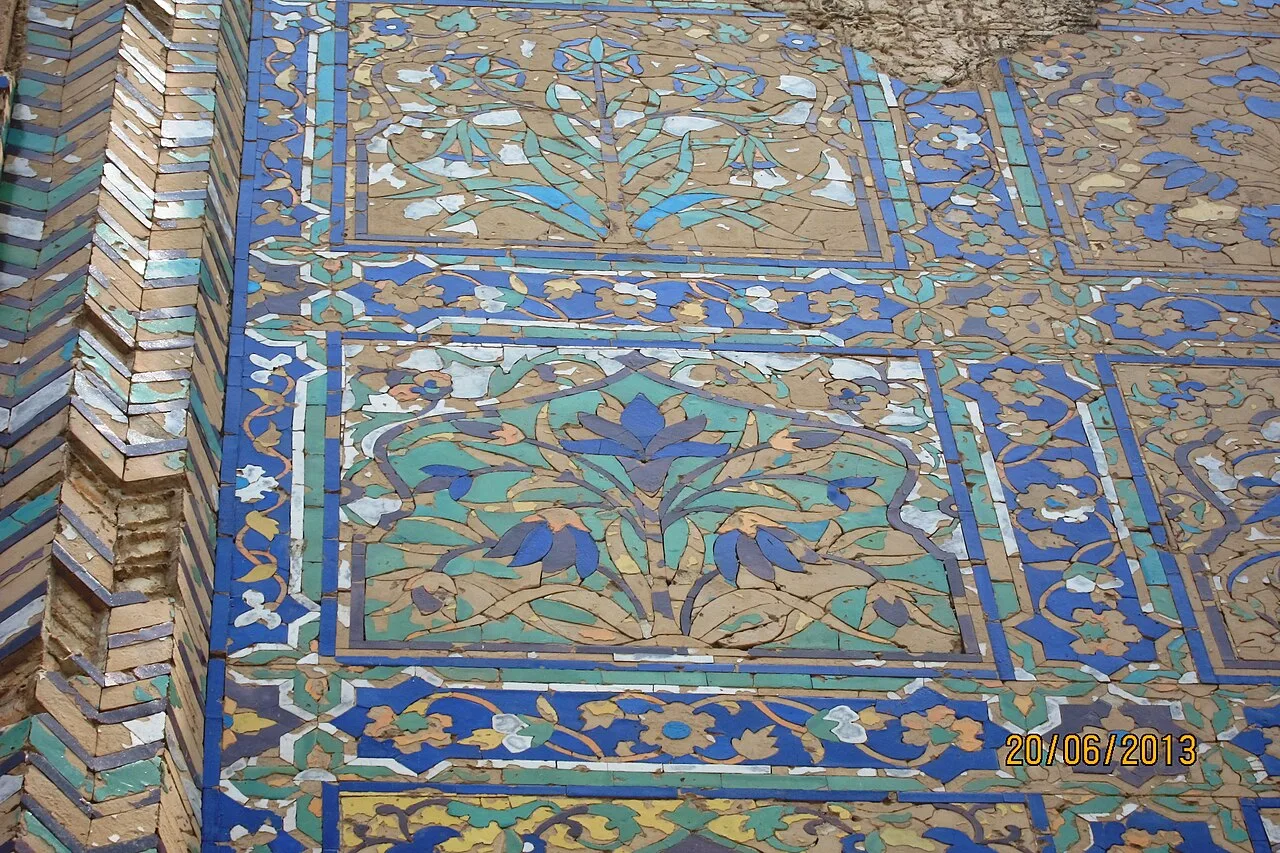
Chini Ka Rauza
Chini Ka Rauza is a funerary monument in Agra, built in 1635 for Afzal Khan Shirazi, a scholar, poet and Shah Jahan’s grand vizier. Visitors come to see its glazed tiles and learn about its history.
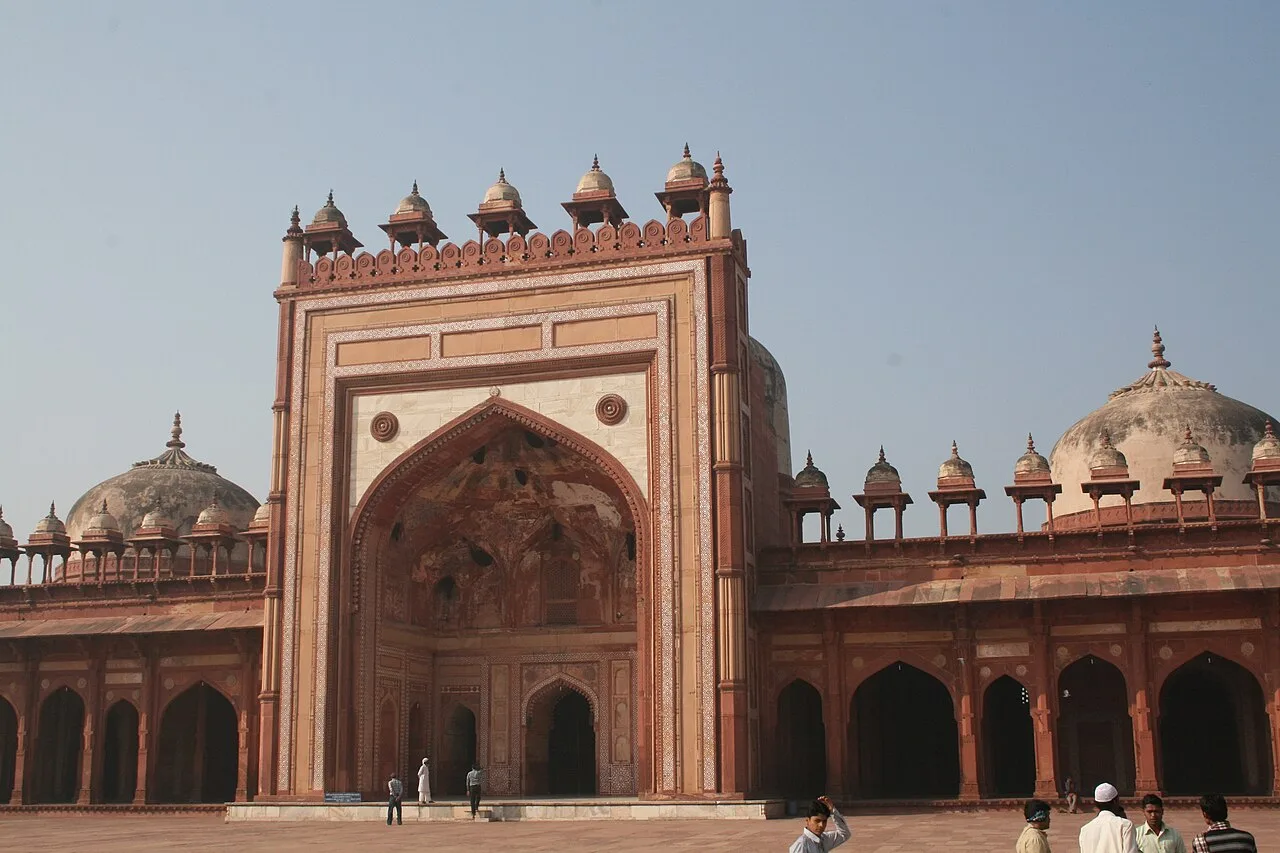
Fatehpur Sikri
Fatehpur Sikri is a town in Uttar Pradesh’s Agra district, known for its short-lived role as Akbar’s Mughal capital. Visitors come to see its historic palace complex and religious buildings.
Guru ka Taal Gurdwara
Guru ka Taal Gurdwara, near Sikandra in Agra, is a Sikh pilgrimage site honouring the ninth Guru, Tegh Bahadur. People visit to remember his martyrdom and the defence of religious freedom.
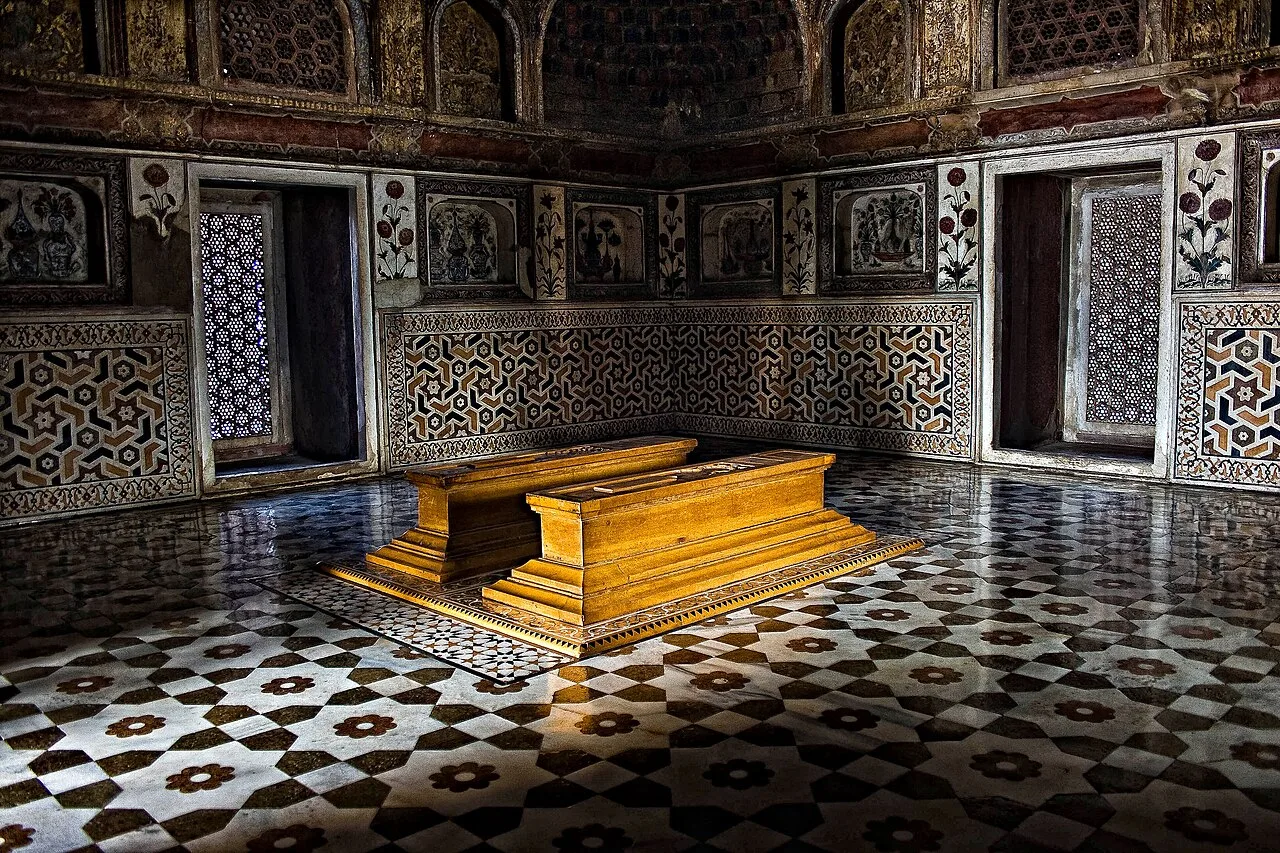
Itmad Ud Daulah
A Mughal marble mausoleum in Agra, Itmad Ud Daulah attracts visitors for its garden setting, intricate decoration and place in the evolution of Mughal architecture.
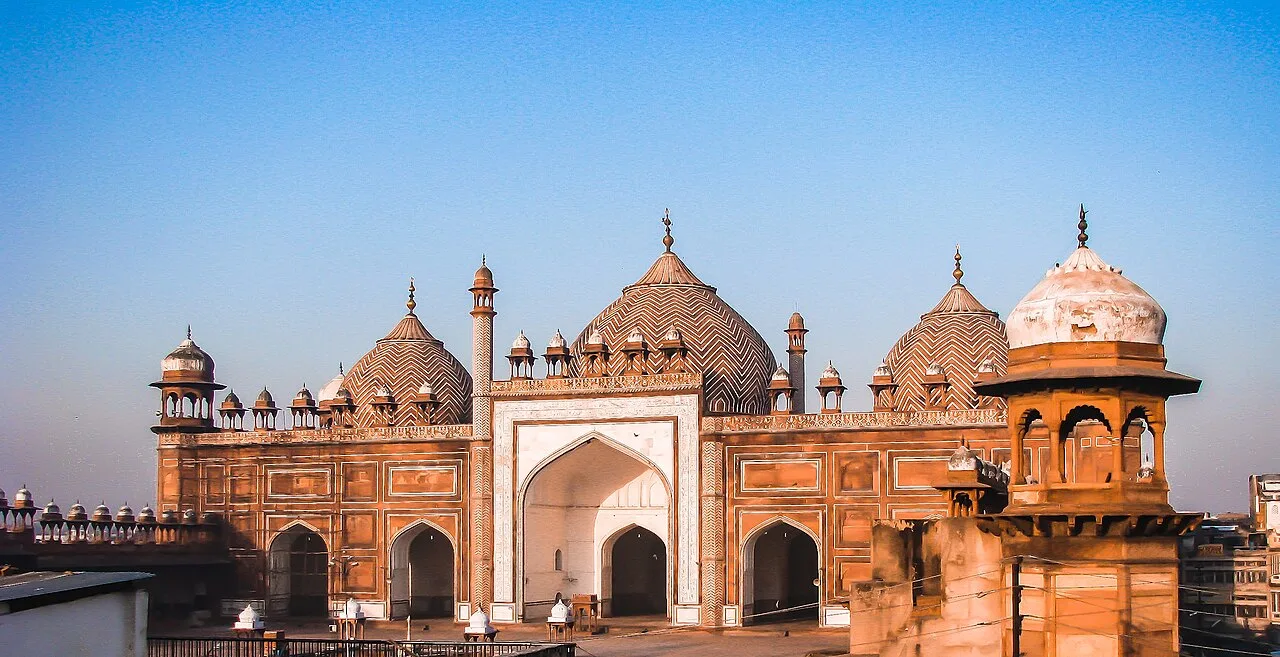
Jama Masjid, Agra
Jama Masjid is a seventeenth-century mosque in Agra, built by Jahanara Begum during Shah Jahan’s reign. Visitors come to see the city’s principal mosque, situated near Agra Fort.
Agra’s best-known local sweets include petha, made from ash gourd and sold in many varieties. Bedai, a spiced, fried bread commonly served with potato curry, is a popular breakfast, often paired with jalebi. Mughal-era culinary traditions are part of the city’s food culture, while the wider Uttar Pradesh region offers dishes such as kebabs, biryani and rich breads. Menus vary between restaurants and small eateries; ask what is freshly prepared. Street food can be rewarding, but choose busy stalls where food is cooked fresh in front of you.
Agra is known for marble inlay work, often called pietra dura, in which coloured stones are set into marble to create floral and geometric designs. The craft is associated with the region’s Mughal architecture and continues in workshops producing decorative objects and souvenirs. Agra also has a longstanding leather and footwear industry, alongside shops and makers selling embroidered goods and other handicrafts. These traditions are part of a broader craft culture in Uttar Pradesh rather than being exclusive to the district; quality and materials can vary, so compare items before buying.
Agra’s Taj Mahotsav is usually held in February and brings performances, crafts and food stalls, drawing visitors and increasing demand for rooms. The Bateshwar fair, associated with the Kartik season in autumn, attracts pilgrims and traders to the Yamuna-side temples. Eid, Diwali, Holi and other widely observed festivals are celebrated across the district; their dates vary, and busy periods can affect local traffic and accommodation availability. Festival programmes and access arrangements can change, so visitors should check current local information and book stays ahead during major events.
Elsewhere in Uttar Pradesh
Much of Agra district lies on the level plains of the Yamuna basin, with the river running through and beside settled areas. Its banks include gardens, historic sites and stretches of erosion-shaped ravines; the landscape around Bateshwar is especially associated with the river. Sur Sarovar is a wetland and lake environment that attracts waterbirds. There are no high mountain routes, but summer heat, exposed roads and uneven ground at heritage sites can make walking tiring. Distances between Agra city, Fatehpur Sikri and outlying destinations mean that road travel is an important part of visiting.
Agra has hot summers, a monsoon season and cooler winters. The hottest period is generally from late spring into early summer; outdoor sightseeing then is more comfortable early or late in the day. Monsoon rains can bring humidity, wet surfaces and occasional disruption to road journeys. Winter is usually the most comfortable season for extended sightseeing, although mornings and evenings can be chilly and fog may affect travel. October through March is generally a good window to visit. Pack sun protection and light clothing for warm days, a light layer for winter, and rain protection during the monsoon. Comfortable walking shoes are useful year-round.
Agra is served by Agra Cantt, its principal railway station, with other stations including Agra Fort. Agra Airport (Kheria) is in the city, but commercial flight availability can be limited or change, so check before planning around it; Delhi is another major gateway for air travel. Road connections include the Yamuna Expressway from the Delhi region and routes linking Agra with other Uttar Pradesh cities. Within the district, auto-rickshaws, taxis and buses serve the city and nearby attractions; taxis or buses can be useful for places such as Fatehpur Sikri. Check current services locally before travelling.
Agra city sights can be reached by auto-rickshaw, e-rickshaw, taxi or app-based cab, with local buses serving some routes. Taxis or hired cars are practical for linking Agra with Fatehpur Sikri, Bateshwar and other outlying places; buses and shared vehicles may also serve inter-town roads, though routes and availability vary. Sur Sarovar is reached by road, and local transport options may be less frequent there than in the city. Walking is useful within some monument areas, but expect security checks and restricted vehicle access near major sites. Confirm return transport before travelling to quieter locations.
2 days: Taj Mahal → Agra Fort → Mehtab Bagh → Itmad Ud Daulah; sleep both nights in Agra. 3 days: Jama Masjid, Agra → Chini Ka Rauza → Akbar's tomb → Guru ka Taal Gurdwara → Sur Sarovar Bird Sanctuary (Keetham Lake) → Fatehpur Sikri → Buland Darwaza → Panch Mahal, Fatehpur Sikri → Tomb of Salim Chishti; sleep nights one and three in Agra, night two in Fatehpur Sikri. 4 days: Taj Mahal → Agra Fort → Mehtab Bagh → Itmad Ud Daulah → Chini Ka Rauza → Jama Masjid, Agra → Akbar's tomb → Guru ka Taal Gurdwara → Sur Sarovar Bird Sanctuary (Keetham Lake) → Fatehpur Sikri → Buland Darwaza → Panch Mahal, Fatehpur Sikri → Tomb of Salim Chishti → Bateshwar Temples, Agra; sleep nights one and two in Agra, night three in Fatehpur Sikri.
Agra city is the most practical base for the Taj Mahal, Agra Fort and the city’s other monuments, with a broad choice of hotels, guesthouses and some homestays. Fatehpur Sikri can suit visitors who want an early start or an overnight stop while exploring its monuments; accommodation options are more limited than in Agra. For Bateshwar, check locally for suitable lodging, as options may be fewer and simpler. Dharamshalas and government lodges may be available in some places, but provision and access vary. Reserve ahead during winter weekends and festival periods.
Agra’s main visitor areas are busy, so keep valuables secure, agree transport arrangements clearly and allow time for monument security checks. Summer heat can cause dehydration: carry drinking water, use sun protection and pace outdoor walks. Use sealed or treated water if unsure about local supplies. Roads between towns can be congested, and conditions and lighting vary; avoid rushing after dark, especially on unfamiliar rural routes. At Sur Sarovar, keep to permitted visitor areas and do not approach or feed wildlife. Mobile coverage is generally available in settled areas but may vary outside them. Special protected-area permits are not generally associated with these listed visits; confirm current access rules with official site or forest authorities.
- Mathuraabout 47 km
- Bharatpur · Rajasthanabout 47 km
- Morena · Madhya Pradeshabout 87 km
- Bhind · Madhya Pradeshabout 96 km
- Gwalior · Madhya Pradeshabout 108 km
- Etawahabout 112 km
- Dausa · Rajasthanabout 128 km
- Alwar · Rajasthanabout 152 km
Straight-line distance between the centres of each district's destinations; road distance is longer.
Q: How many days should I spend in Agra district? A: Two days can cover the principal Agra city sights. Three or four days allow time for Fatehpur Sikri and selected outlying places such as Sur Sarovar or Bateshwar. Q: When is the best time to visit? A: October through March is generally comfortable for sightseeing. Summer is very hot, while monsoon travel can be humid and affected by rain. Q: Where is the best base? A: Agra city offers the widest choice of stays and convenient access to its major monuments. Consider an overnight stay in Fatehpur Sikri for a longer circuit. Q: How do I get to and around the district? A: Agra is connected by rail and road, and visitors can use taxis, autos and local buses in the city. Hired cars or inter-town buses can link outlying destinations; check current services before setting out. Q: Is Agra suitable for families or elderly travellers? A: Yes, with planning. Choose transport that reduces long walks, allow rest breaks, prepare for heat and crowds, and check accessibility and current site conditions in advance.
This page draws on our 15 destination guides for Agra and is updated as our team checks it.
Be the first to share photos, stories, advice or a helpful contact for Agra.
Loading…