
District · Madhya Pradesh
Morena
Morena lies in northern Madhya Pradesh, in the Chambal region near the borders of Rajasthan and Uttar Pradesh.
Morena lies in northern Madhya Pradesh, in the Chambal region near the Uttar Pradesh and Rajasthan borders. Its landscape ranges from cultivated plains to the striking ravines carved by the Chambal and its tributaries. The river country also supports the National Chambal Sanctuary, known for conservation of gharials and other threatened wildlife. Morena’s history is visible in an extraordinary cluster of early medieval temples: the sandstone ruins at Bateshwar and the hilltop Chausath Yogini Temple at Mitaoli are among the district’s best-known sites. Together, the temples, riverine terrain and rural settlements give Morena a character distinct from the state’s better-known central and western destinations. Gwalior is a useful nearby hub for visitors exploring the area.
Morena lies in northern Madhya Pradesh, in the Chambal region near the borders of Rajasthan and Uttar Pradesh. It is best known for three very different attractions: the sandstone ruins of Bateshwar Hindu temples, the hilltop Chausath Yogini Temple at Mitaoli, and the National Chambal Sanctuary, established to protect the gharial and other river wildlife. The district’s ravines and river landscapes add context to visits between these sites. Morena suits travellers interested in temple architecture, regional history and wildlife, and can be visited as a focused trip or as part of a wider journey through the Gwalior and Chambal region.
Morena’s history is visible in its temple remains and in its position along the Chambal frontier. Bateshwar’s temples are generally dated to the post-Gupta period, especially the eighth to tenth centuries, and are associated with the Gurjara-Pratihara architectural tradition. The Chausath Yogini Temple at Mitaoli dates to the eleventh century. In later centuries, the wider region experienced the influence of successive central Indian powers, including the Tomars of Gwalior and the Maratha rulers of the Scindia house. During the colonial era, much of the area was administered through the princely state of Gwalior rather than as part of British-ruled territory. After Indian independence, Gwalior became part of Madhya Bharat, and Morena developed as a district within the reorganized state structure. Madhya Bharat was merged into Madhya Pradesh in 1956. The district’s present identity therefore reflects both older regional ties to Gwalior and its location in the Chambal basin.
3 destination guides
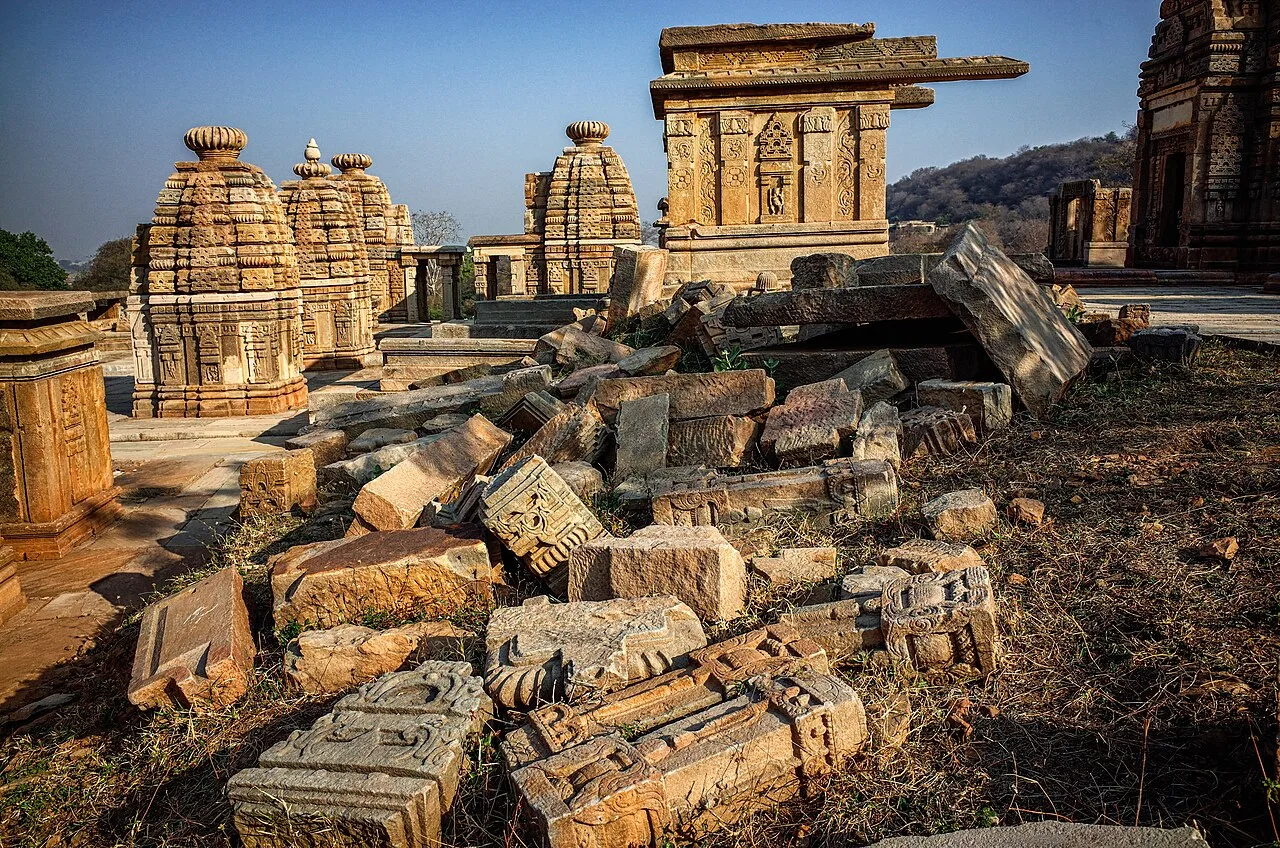
Bateshwar Hindu temples
Bateshwar is a cluster of sandstone Hindu shrines and ruins in Madhya Pradesh, visited for its early temple architecture and the remains of a complex dedicated to Shiva, Vishnu and Shakti.
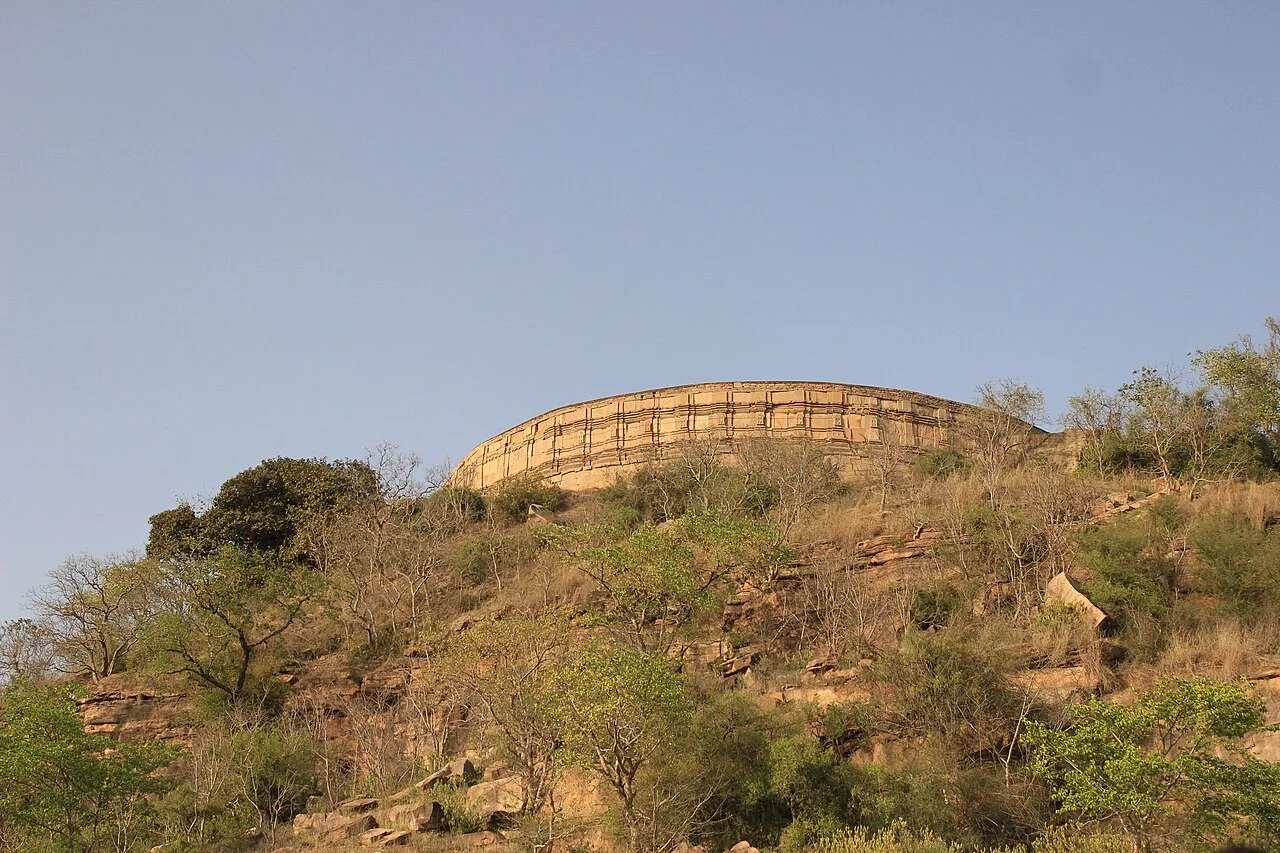
Chausath Yogini Temple
In Morena district, Madhya Pradesh, the 11th-century Chausath Yogini Temple is a Kachchhapaghata-period shrine. Visitors come to see its circular design and chambers associated with the yoginis.
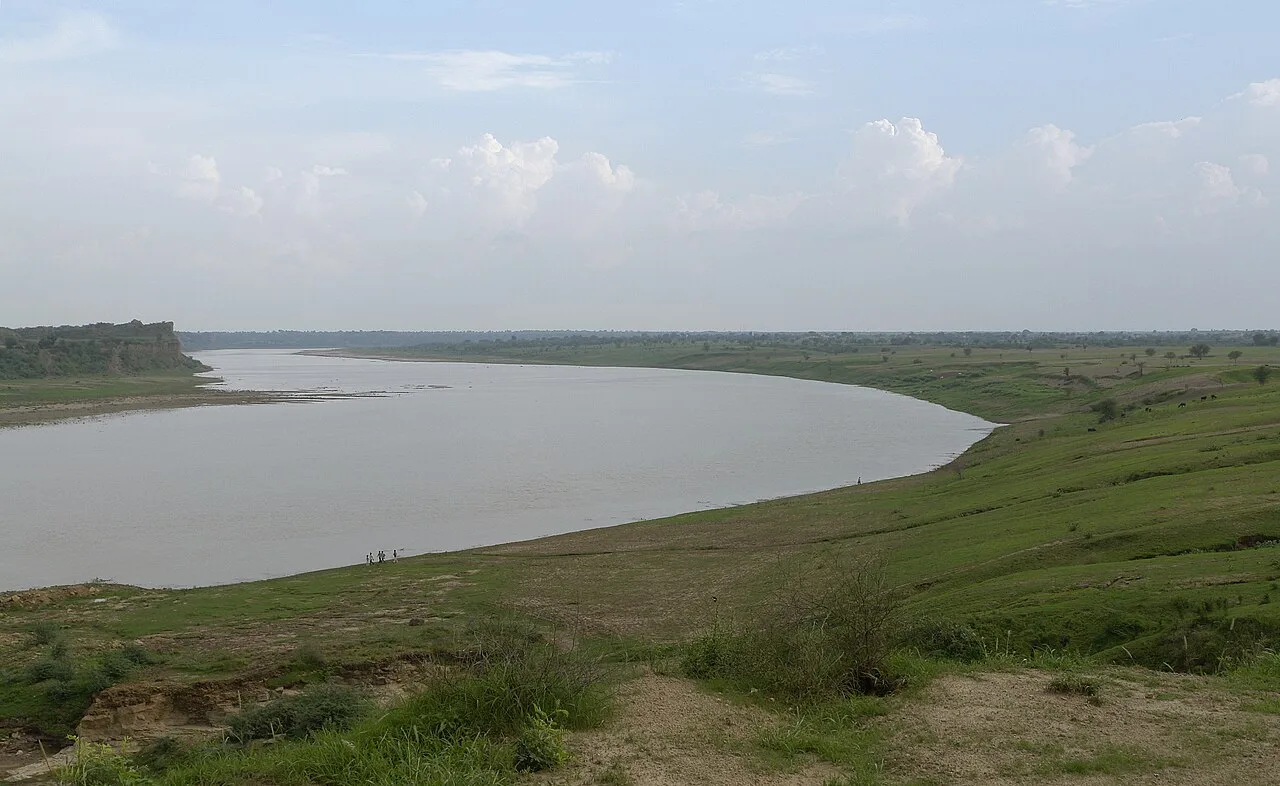
National Chambal Sanctuary
This protected river reserve safeguards rare reptiles and the Ganges river dolphin. Visitors are drawn to its wildlife and the Chambal’s course through rugged ravines and hills.
Morena is especially associated with gajak, a crisp sesame-and-jaggery sweet also popular across the wider Gwalior region. More broadly, local meals draw on the food traditions of northern Madhya Pradesh and neighbouring Bundelkhand: poha, dal-based dishes, wheat breads and seasonal vegetables are common. Dal bafla is a hearty regional option, while poha with jalebi is a familiar breakfast combination in many parts of Madhya Pradesh. Food choices can be modest outside larger towns, and small eateries may prepare only a limited selection each day. Ask what is freshly cooked, and check ingredients if you have dietary requirements.
Morena is better known for its historic temples and stone architecture than for a widely documented, district-specific handicraft. The finely worked sandstone at Bateshwar and Mitaoli is evidence of skilled medieval building and carving, but should not be taken as proof of a continuous local craft industry today. Pottery, weaving and other everyday craft traditions are found in parts of Madhya Pradesh and the broader region, though their availability and origin vary. Visitors interested in contemporary work can ask locally about artisans and markets, and confirm where an item was made before buying.
Holi, Diwali, Navratri and Makar Sankranti are observed in Morena, as they are across much of Madhya Pradesh and the wider north Indian region. Shivaratri is also relevant for visitors to the district’s Shiva temples, though the scale of local gatherings can vary. Religious occasions and school holidays may bring more visitors to temples and busier markets; larger festivals can make rooms harder to find in town. Travellers planning around a festival should check locally for any events or temporary access changes rather than assume that a particular temple fair is held every year.
Elsewhere in Madhya Pradesh
The district combines cultivated plains with the Chambal River and the rugged ravines carved into its banks and nearby terrain. The river forms part of the region’s boundary landscape and supports the protected habitat of the National Chambal Sanctuary. Scrub, open countryside and scattered low hills shape journeys to temple sites such as Mitaoli and Bateshwar. Roads between attractions pass through rural areas, so travel can take longer than the map suggests. The sanctuary is a river landscape rather than a conventional forest park; wildlife viewing depends on conditions and authorized access.
Morena has hot summers, a monsoon season and generally milder, drier winters. Summer heat can make temple visits and time outdoors tiring, while monsoon rain may affect rural roads and access around ravines. The most comfortable months for sightseeing are usually from late autumn through winter and into early spring. Pack sun protection and light clothing for daytime visits, with a warmer layer for cool winter mornings and evenings. During the monsoon, carry rain protection and allow flexibility for road conditions. For sanctuary visits, follow local guidance on suitable clothing and conditions near the river.
Morena railway station serves the district town, while Gwalior Junction is a useful rail gateway for the temple sites, particularly Mitaoli. Gwalior Airport is the nearest operating airport for the main sights described here. National Highway 44 links Morena with the wider north–south road network, and Gwalior is a practical base for onward travel. Roads connect the district’s towns and monuments, but public transport may not reach every site conveniently. Auto-rickshaws serve local journeys; taxis or a hired car can make visits to scattered temples and sanctuary areas easier. Check current services locally before setting out.
Morena town is the most practical starting point for road journeys to Bateshwar Hindu temples, Chausath Yogini Temple and access points for the National Chambal Sanctuary. Buses connect Morena with nearby towns and larger regional centres, but services may not line up conveniently with a multi-stop sightseeing plan. Shared jeeps and autos can help with local travel where available; a hired taxi or car is often more practical for visiting several rural sites in one day. Do not assume boats operate at every sanctuary access point: use only authorized arrangements and check current local access before setting out.
2 days: Day 1: Chausath Yogini Temple, Bateshwar Hindu temples; sleep in Morena town. Day 2: National Chambal Sanctuary. 3 days: Day 1: Chausath Yogini Temple; sleep in Morena town. Day 2: Bateshwar Hindu temples; sleep in Morena town. Day 3: National Chambal Sanctuary. 4 days: Day 1: National Chambal Sanctuary; sleep in Morena town. Day 2: Bateshwar Hindu temples; sleep in Morena town. Day 3: Chausath Yogini Temple; sleep in Morena town. Day 4: National Chambal Sanctuary.
Morena town is the most useful base for all three destinations, with the broadest choice of hotels and guesthouses and access to transport and everyday services. For a short temple-focused visit, staying in town and arranging day trips is usually simplest. Options close to the rural sites are more limited, so do not rely on finding accommodation there without checking ahead. Dharamshalas may be available in the wider area, but facilities and access vary. Confirm current availability and suitability before making a plan, particularly outside busy town centres.
Summer heat can be severe: carry water, sun protection and more time than a direct road journey might suggest. Use treated or sealed drinking water, and take care on uneven temple ruins and exposed steps. Ravines and river edges can be unstable; keep to established access areas and follow local instructions. In the sanctuary, do not approach wildlife or enter restricted areas independently; confirm any current access or permit requirements with sanctuary authorities. Rural road conditions can change after rain, and mobile connectivity may be weaker away from Morena town. Arrange transport back before travelling to remote sites.
- Bhindabout 20 km
- Gwaliorabout 25 km
- Etawah · Uttar Pradeshabout 85 km
- Agra · Uttar Pradeshabout 87 km
- Datiaabout 88 km
- Shivpuriabout 112 km
- Bharatpur · Rajasthanabout 114 km
- Jhansi · Uttar Pradeshabout 114 km
Straight-line distance between the centres of each district's destinations; road distance is longer.
All districts of Madhya Pradesh
Q: How many days should I spend in Morena? A: Two days can cover the main temples and a sanctuary visit at a brisk pace; three days allow more time between sites. Q: When is the best time to visit? A: Late autumn, winter and early spring are generally more comfortable for sightseeing than the hot summer or rainy monsoon season. Q: Where is the best base? A: Morena town is the most practical base for transport, services and day trips to the listed attractions. Q: How do I get to Morena? A: Morena is reachable by rail and road. Gwalior is a common regional air gateway, followed by onward travel by road. Q: Is Morena suitable for families or elderly travellers? A: Yes, with planning. Rural drives, uneven temple grounds, heat and limited facilities near some sites may require a slower itinerary and assistance.
This page draws on our 3 destination guides for Morena and is updated as our team checks it.
Be the first to share photos, stories, advice or a helpful contact for Morena.
Loading…