
District · Madhya Pradesh
Satna
Satna offers a view of northeastern Madhya Pradesh and the historic Baghelkhand region, where cultivated plains meet Vindhyan hill country.
Satna lies in northeastern Madhya Pradesh, within the historic Baghelkhand region. Its landscape combines cultivated plains, villages and stretches of Vindhyan hill country, while limestone resources have helped shape its modern industrial character. Satna city is a practical urban base rather than a single-monument destination. The district’s most important archaeological association is Bharhut, where an ancient Buddhist stupa once stood. Much of its celebrated sculptural material is now preserved in museums, notably the Indian Museum in Kolkata, so visitors should distinguish the historic site from the surviving museum collections. Maihar and its Sharda Temple are often included in older Satna itineraries, but Maihar now belongs to a separate district.
Satna offers a view of northeastern Madhya Pradesh and the historic Baghelkhand region, where cultivated plains meet Vindhyan hill country. Its best-known archaeological association is Bharhut, the site of an ancient Buddhist stupa. The remains at the village are distinct from the celebrated sculptures and other material removed from the site and now held in museums, including the Indian Museum in Kolkata. Satna city is a useful base for exploring Bharhut and the surrounding countryside, and its limestone resources are part of the district’s modern industrial identity. Maihar and its Sharda Temple appear in many older Satna itineraries, but Maihar is now in a separate district.
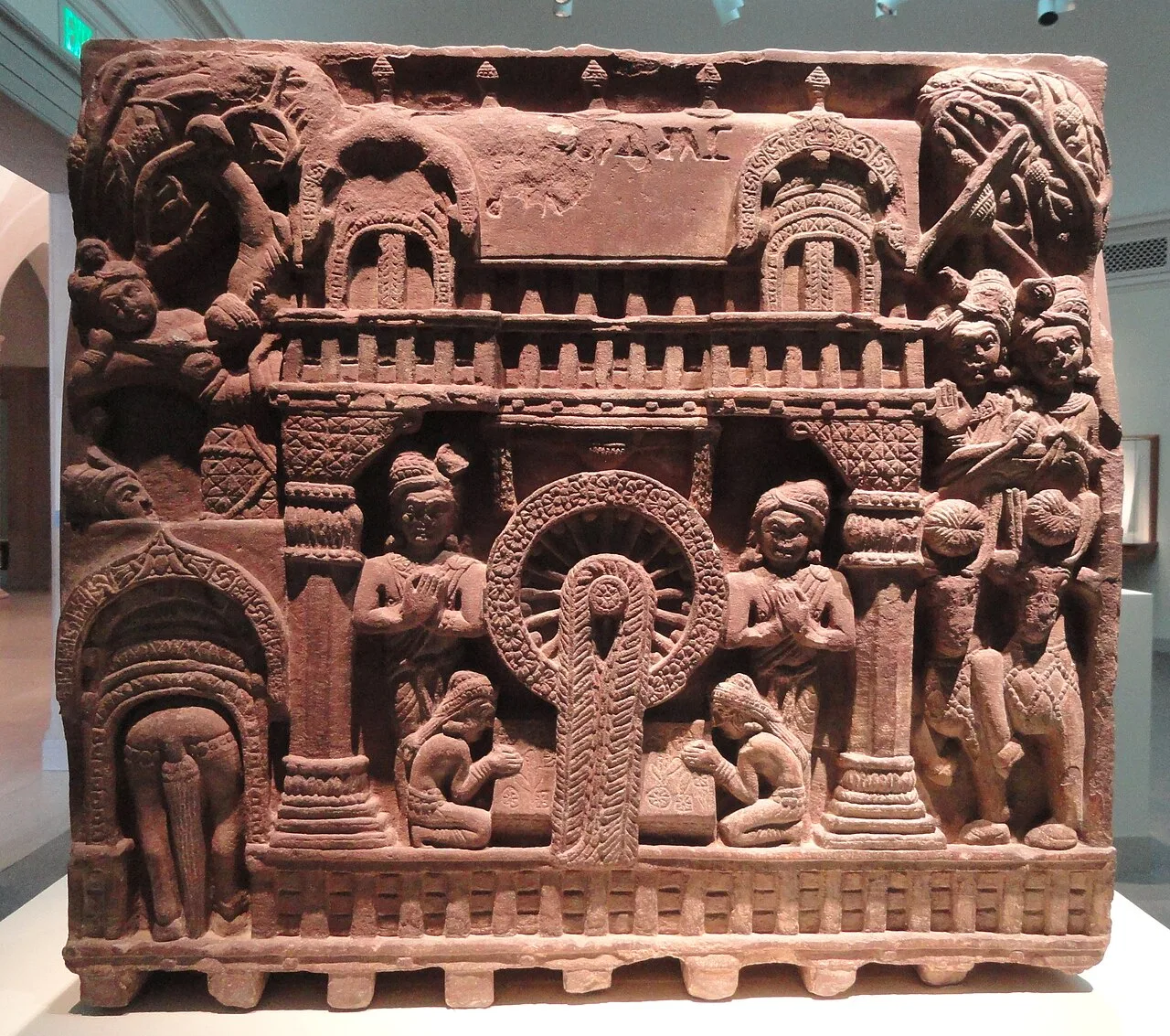
Bharhut gives the region an important place in the history of early Buddhist art. The stupa’s surviving sculptural remains and inscriptions are generally associated with the second century BCE and the Shunga period. Much of the material was excavated in the nineteenth century and removed to museums; the village site and museum collections should not be confused. Over later centuries, Baghelkhand was shaped by changing regional powers, including the Kalachuris and the Baghela rulers, whose kingdom was centred at Rewa. Under British rule, Rewa was a princely state rather than a directly governed British province, and the surrounding area formed part of the wider political landscape of central India. After independence, the former princely territories were reorganised within Vindhya Pradesh and later incorporated into Madhya Pradesh when states were reorganised in 1956. Satna developed as a district and rail-linked town within this changing administrative region. In the modern period, quarrying and cement production have become prominent because of local limestone resources.
2 destination guides
Bharhut Stupa Remains
Bharhut Stupa Remains are the surviving traces of a Buddhist stupa in Madhya Pradesh. Visitors come to learn about its early carvings, labelled relief panels and history, though most sculptures are now held elsewhere.
Maihar Sharda Temple
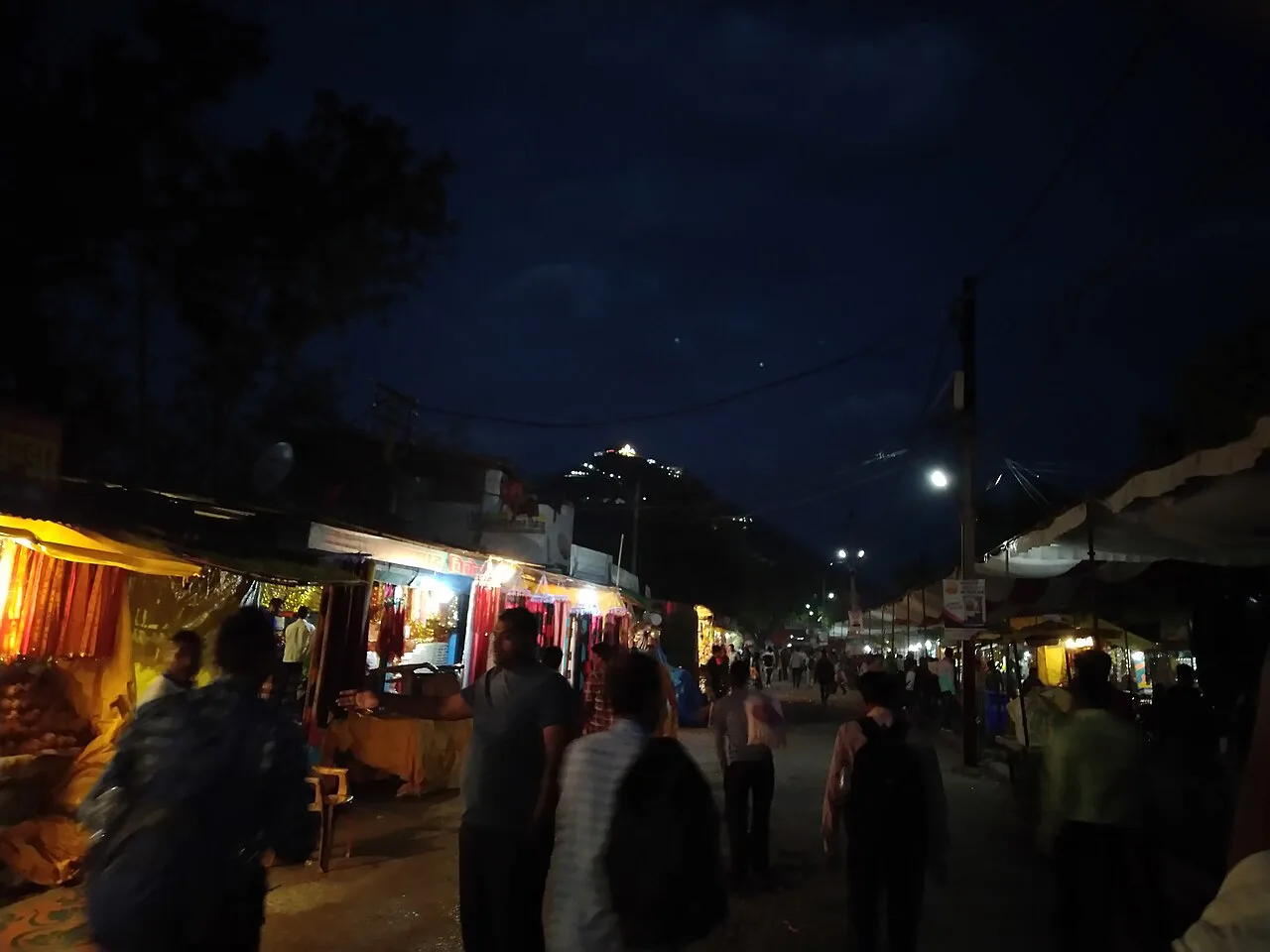
Maihar Sharda Temple is a religious shrine in Madhya Pradesh, associated with Maa Sharda and counted among the Shakti Peeth. Worshippers visit for its religious significance.
Food in Satna is best approached through the everyday cooking of Baghelkhand and wider Madhya Pradesh: wheat breads, rice, dal, seasonal vegetables and simple thalis. Poha with jalebi is a familiar breakfast combination across the state, while samosas and other freshly fried snacks are common tea-time choices. Dal bafla and sweets such as mawa-bati belong to the broader Madhya Pradesh repertoire rather than being Satna specialities. Small eateries may prepare only a limited daily selection, so ask what has been freshly cooked. Vegetarian meals are generally straightforward to find.
Satna’s best-documented artistic connection is Bharhut’s ancient Buddhist stone sculpture, especially its carved railings and narrative reliefs. This is an archaeological heritage, not evidence of an unchanged living craft industry. Across the wider Baghelkhand region, everyday craft traditions include pottery, basket-making and household decorative practices associated with rural life and festivals. Availability varies, and market goods are not necessarily locally made. Ask sellers about the maker and place of production before buying. Madhya Pradesh’s famous Chanderi and Maheshwari textiles come from other parts of the state.
Holi, Diwali, Dussehra and the Navratri period are observed across Satna and the wider Baghelkhand region, with local religious gatherings and fairs varying by community. Navratri can draw pilgrims to temples in the region; the Sharda Temple fair at Maihar is associated with a city now in Maihar district, not Satna district. These periods may make transport and accommodation busier, especially around major shrines. For a quieter visit to Bharhut and the countryside, avoid major festival days where possible and confirm local event arrangements before travelling.
Elsewhere in Madhya Pradesh
Satna combines cultivated plains and villages with Vindhyan plateau and hill country. The Tons (Tamsa) and its tributaries are among the region’s important rivers, while patches of woodland and rocky ground occur beyond the more settled agricultural areas. Limestone-bearing terrain has also influenced quarrying and industry. Roads link the district’s towns, but journeys to archaeological remains and villages can involve rural stretches with fewer services. In the monsoon, runoff and rough road sections may slow travel; in dry months, exposed routes can be dusty and hot.
Satna has hot summers, a monsoon season and cooler, generally drier winters. Summer heat can make outdoor visits uncomfortable, particularly in the middle of the day. Monsoon rains bring greener scenery but can affect rural roads and make some journeys less predictable. The cooler months, broadly from late autumn through winter, are usually the most comfortable time to explore Bharhut and travel around the district. Pack sun protection and light clothing for warm days; in winter, bring a warm layer for mornings and evenings. During the monsoon, carry rain protection and check road conditions locally.
Satna Junction is the main railway arrival point for the district and a useful base for onward road travel to Bharhut. Rewa Airport is a nearby air option, but confirm that current flights suit your itinerary before planning around it. Roads connect Satna with Rewa, Maihar and other regional centres; buses and hired cars provide onward travel. Within Satna, auto-rickshaws and taxis are practical options. For archaeological sites and villages, arrange the return journey in advance rather than assuming transport will be waiting. Check current services locally.
Satna Junction and the city are practical starting points for road journeys to Bharhut and other parts of the district. Regional roads connect Satna with Rewa, Maihar and neighbouring centres, while buses and shared vehicles serve some routes; service frequency can vary, particularly for village destinations. Auto-rickshaws and taxis are useful within Satna, and a hired car can make a rural itinerary easier. Arrange a return ride in advance for Bharhut or other outlying places rather than assuming transport will be available when you finish. Check current services locally.
2 days: Bharhut Stupa Remains; sleep in Satna both nights. 3 days: Bharhut Stupa Remains → Maihar Sharda Temple (regional extension; Maihar is outside Satna district); sleep in Satna, then Maihar.
Satna city is the most practical base for a district visit focused on Bharhut, with hotels and other basic urban accommodation. It also offers more access to transport and everyday services than the village surroundings. For an itinerary extending to Maihar, which is in a separate district, an overnight stay there can reduce backtracking. Accommodation options in the wider region may include guesthouses, dharamshalas and occasional government-run lodges, but availability varies. Confirm arrangements ahead of festival periods and for rural trips.
Carry drinking water and sun protection, and avoid long outdoor visits in strong summer heat. Rural roads can be uneven, dusty or affected by monsoon conditions; allow flexibility and arrange return transport before travelling to Bharhut. Mobile connectivity and roadside services may be limited away from towns. Take ordinary precautions around excavation remains, rocky ground and roadside traffic, and do not climb on or remove archaeological material. Crowds can increase around regional festivals. No special permit requirement for these listed destinations is established here; confirm any access rules with official local authorities before travel.
- Rewaabout 64 km
- Chitrakootabout 72 km
- Bandhavgarhabout 76 km
- Banda · Uttar Pradeshabout 79 km
- Chhatarpurabout 93 km
- Khajurahoabout 105 km
- Sidhiabout 115 km
- Damohabout 117 km
Straight-line distance between the centres of each district's destinations; road distance is longer.
All districts of Madhya Pradesh
Q: How many days should I spend in Satna district? A: Two days can cover Satna as a base and a visit to Bharhut. Allow an extra day if adding a regional trip to Maihar, which is outside the district. Q: When is the best time to visit? A: The cooler months from late autumn through winter are generally most comfortable. Summer is hot, while monsoon travel can be affected by rain. Q: What is the best base for visiting Bharhut? A: Satna city is the most practical base for transport, services and accommodation. Q: How do I get to Satna? A: Satna Junction is the main rail arrival point. Rewa Airport may be an option, but check current flights; buses and hired cars connect regional towns by road. Q: Is Satna suitable for families or elderly travellers? A: Yes, with planning. Satna city has useful services, but rural sites may involve uneven ground, heat and limited transport, so arrange assistance and a return ride in advance.
This page draws on our 2 destination guides for Satna and is updated as our team checks it.
Be the first to share photos, stories, advice or a helpful contact for Satna.
Loading…