
District · Madhya Pradesh
Hoshangabad
Narmadapuram district brings together two distinct sides of central Madhya Pradesh: the Narmada River valley, with its fertile plains and pilgrimage ghats, and the forested Satpura hills around Pachmarhi.
Known historically as Hoshangabad and officially renamed Narmadapuram, the district brings together the broad Narmada valley and the forested Satpura hills. The river shapes its fertile agricultural plains and gives Narmadapuram town a strong pilgrimage character, especially at the old Sethani Ghat. Farther south, Pachmarhi’s wooded plateau, waterfalls and ravines offer a cooler landscape, while Satpura Tiger Reserve protects forests and wildlife. The area’s story is tied to the Narmada, long-established settlements and the communities of the Satpura region. Its appeal lies in this contrast: riverfront rituals and market-town life in the plains, and hiking, viewpoints and nature experiences in the hills.
Narmadapuram district brings together two distinct sides of central Madhya Pradesh: the Narmada River valley, with its fertile plains and pilgrimage ghats, and the forested Satpura hills around Pachmarhi. Travellers come for riverfront rituals at Sethani Ghat, hill walks and viewpoints, waterfalls, caves and access to Satpura Tiger Reserve. Narmadapuram town offers a glimpse of everyday market-town life, while Pachmarhi provides a cooler base for exploring the plateau. The district is a good choice for combining cultural visits and nature outings, though travel between its plains and hill attractions takes planning.
The Narmada valley and Satpura region have long supported settlements, farming and routes across central India. Political authority varied over time: parts of the wider region were associated with Gond kingdoms, and later came under Sultanate, Mughal and Maratha influence. These powers did not always govern the same boundaries as the present district. British control expanded in the early 19th century as Maratha authority receded. The area became part of the Central Provinces, established in 1861, and was administered as a district under British rule. After independence, it became part of Madhya Pradesh when the state was formed in 1956. Hoshangabad was the district’s former official name; in 2022, the state government renamed it Narmadapuram, after the river. The name Hoshangabad remains familiar in older records and may still appear in travel references. Pachmarhi’s history is also linked to its colonial-era development as a hill station, while the Narmada’s religious importance continues to shape life around the river ghats.
8 destination guides · 6 on the map
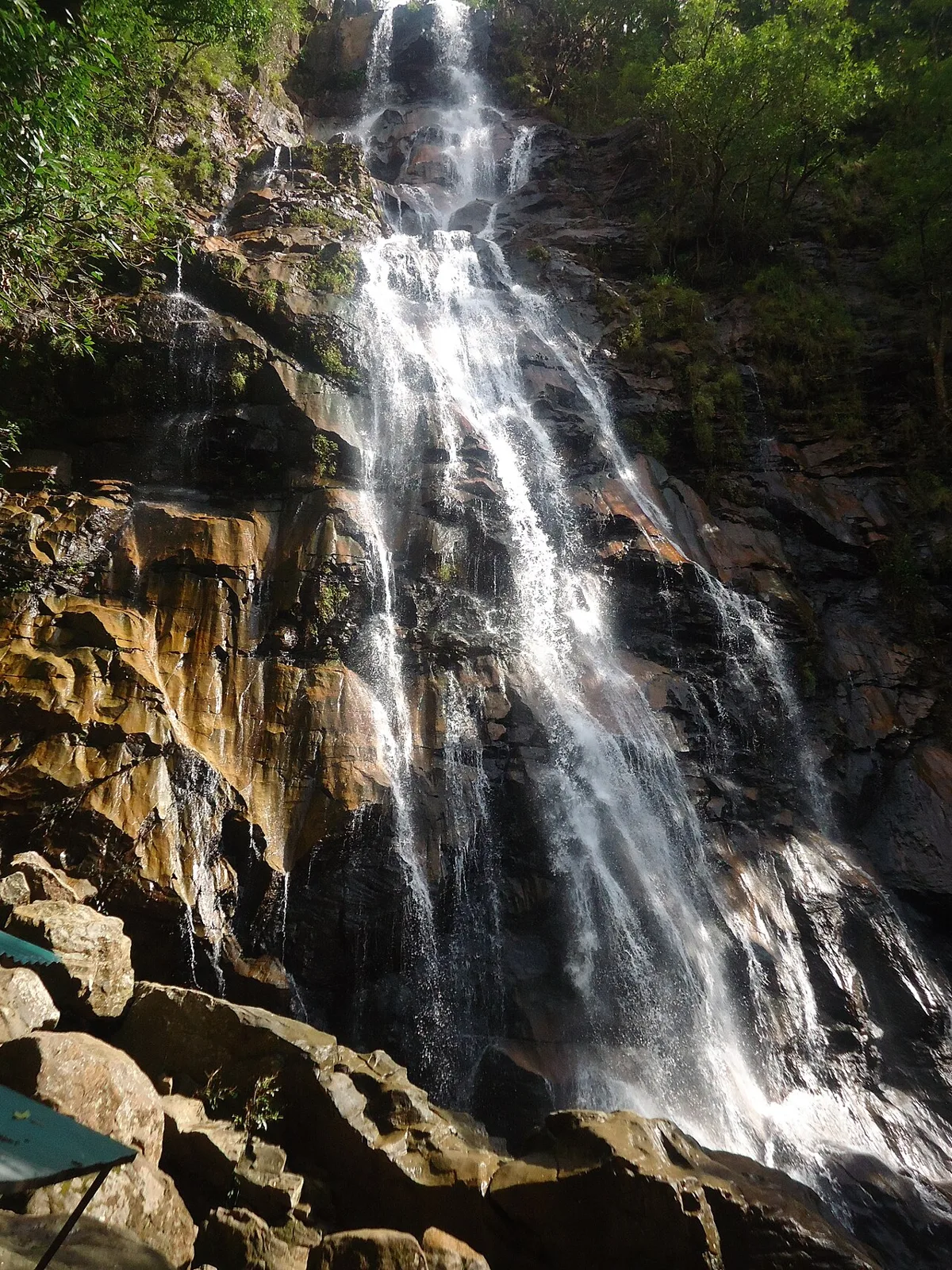
Bee Falls
Located within Hoshangabad district, Bee Falls is a waterfall in Madhya Pradesh; visitors come to view this natural feature of the area.
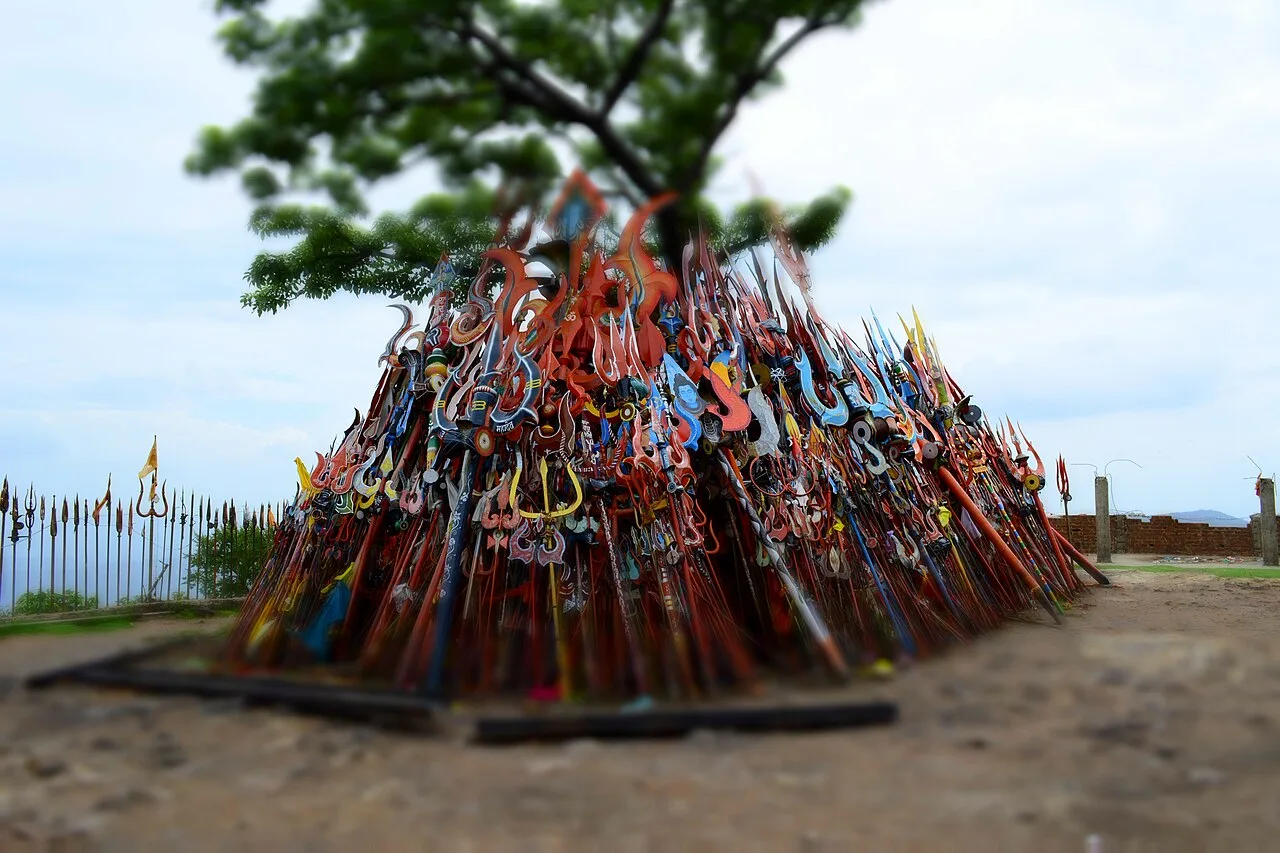
Chauragarh Temple
Chauragarh Temple is a historic religious and fort complex in Madhya Pradesh, set on a Satpuda peak. Visitors come to see its shrine, fort remains and structures associated with Gond rulers.
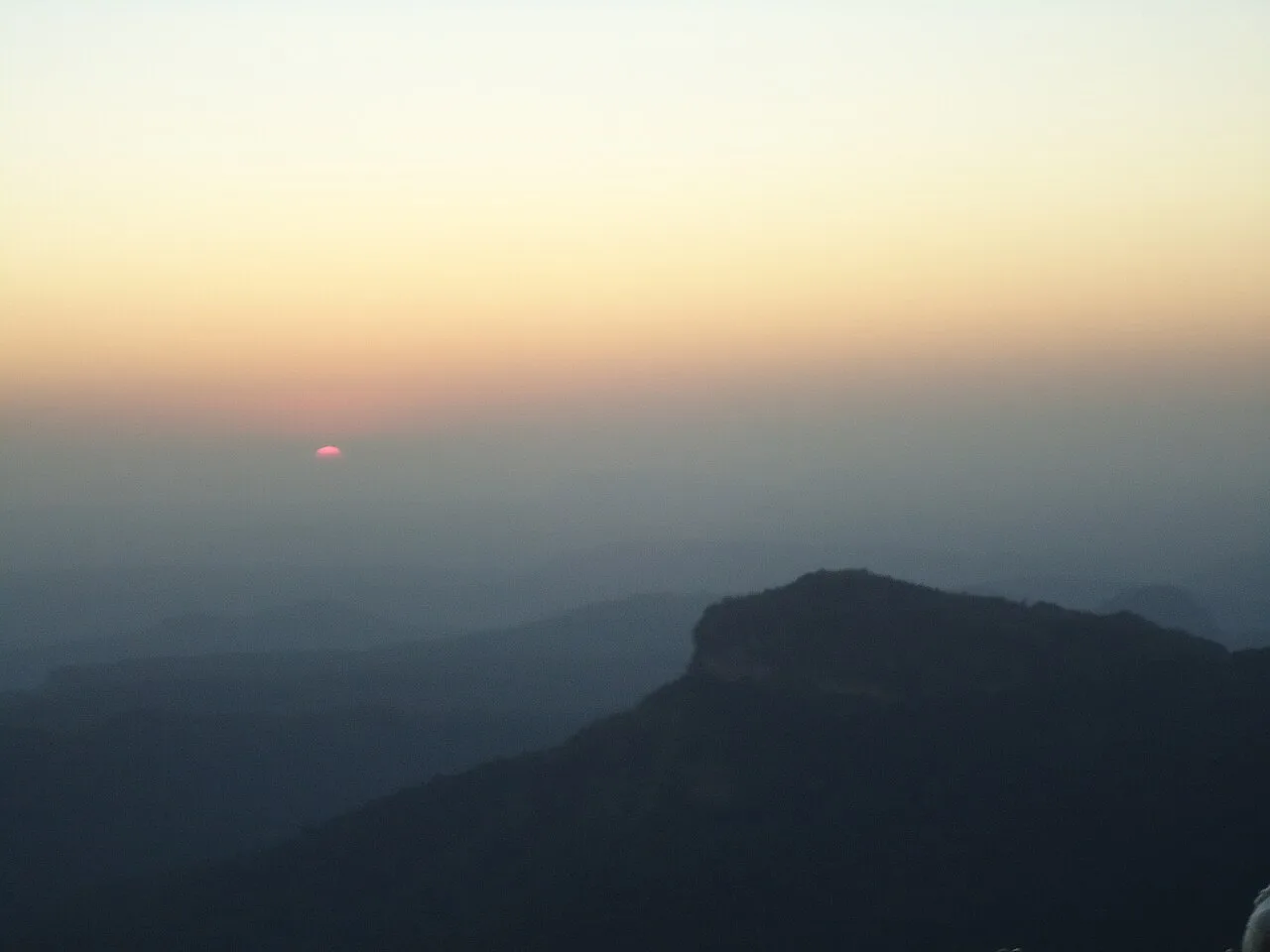
Dhupgarh Peak
Dhupgarh, also known as Dhoopgarh, is a summit in Madhya Pradesh’s Satpura Range. Visitors go to the peak in Pachmarhi to watch the sun set.
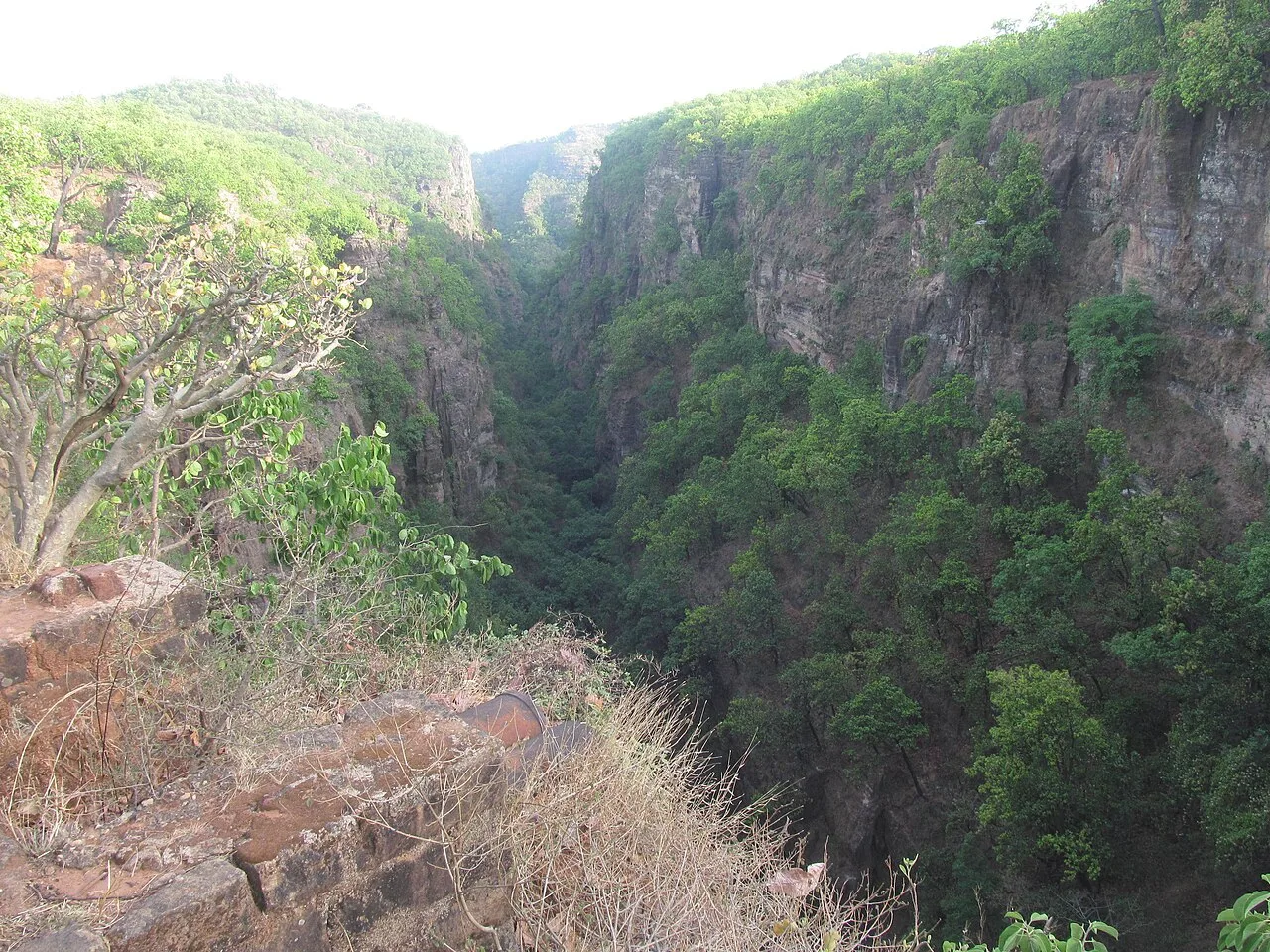
Handi Khoh
Handi Khoh is a valley in Hoshangabad district, Madhya Pradesh. Visitors come to see the valley and its geographical setting.
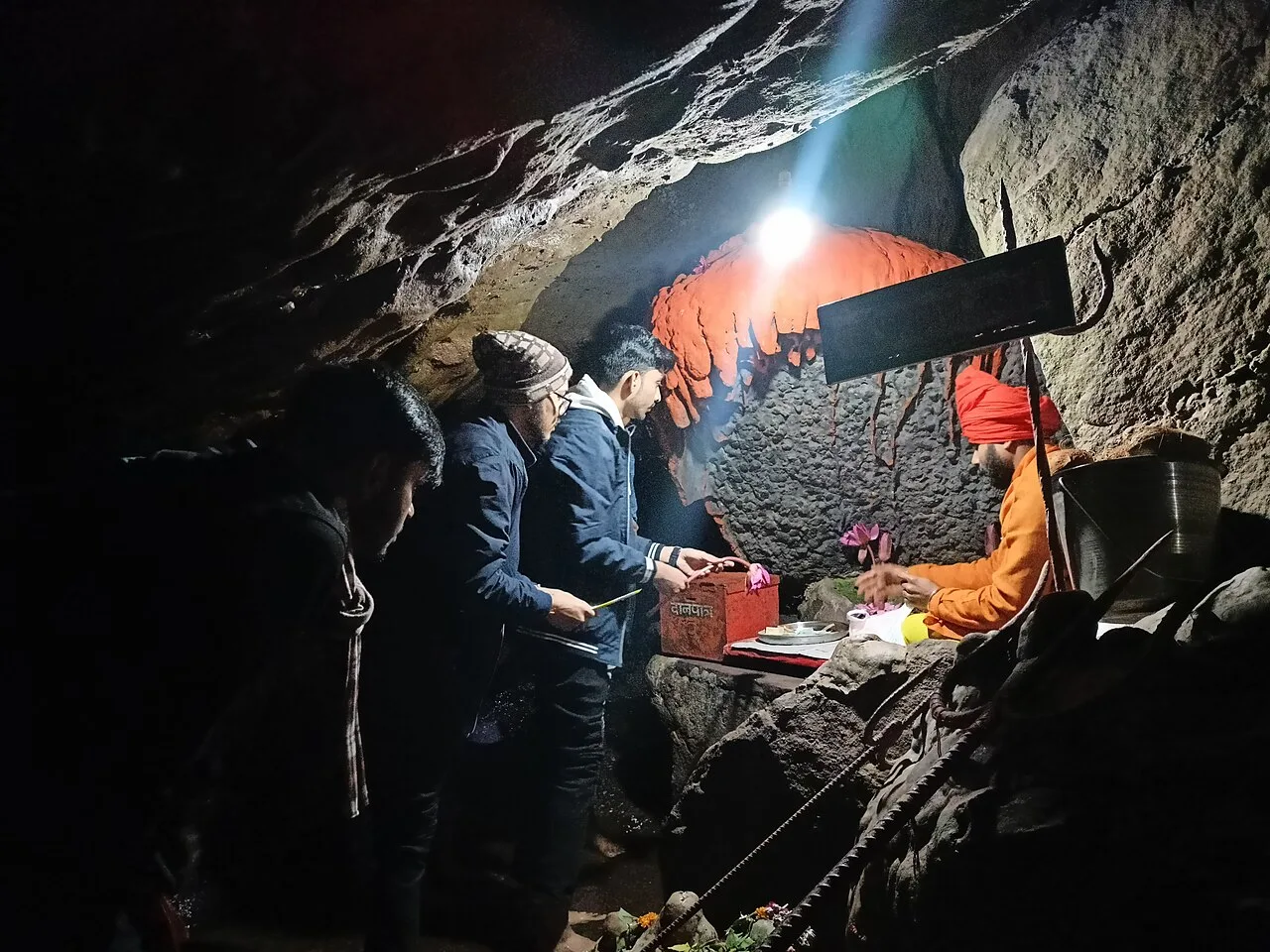
Jatashankar
Jatashankar, also called Jata Shankar, is a cave shrine dedicated to Shiva north of Pachmarhi in Madhya Pradesh, visited by pilgrims to worship its natural lingams.
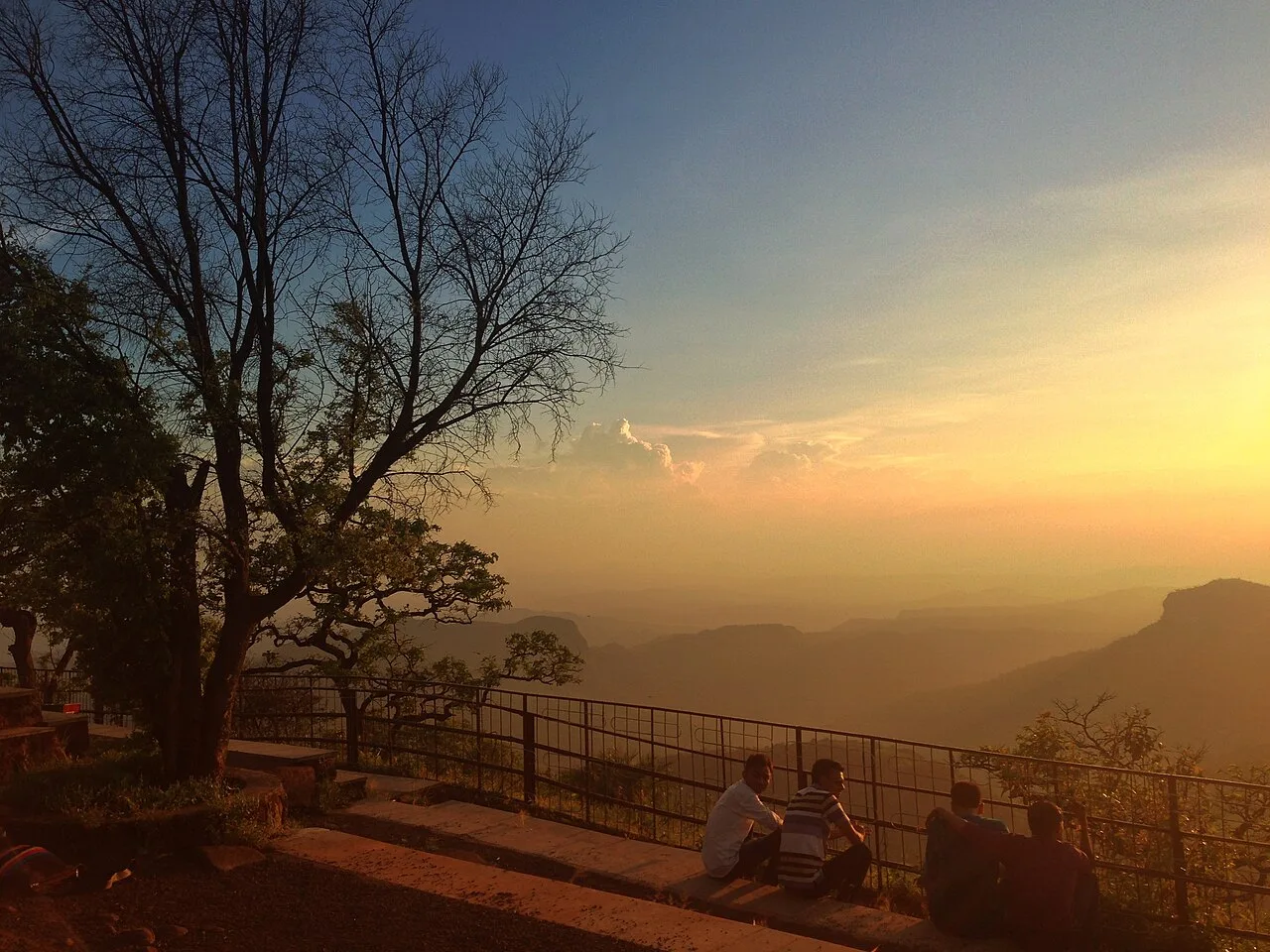
Pachmarhi Hill Station
Pachmarhi is a hill station in Madhya Pradesh’s Satpura range, known as the Queen of Satpura. Visitors come for its elevated setting and its location within protected natural areas.
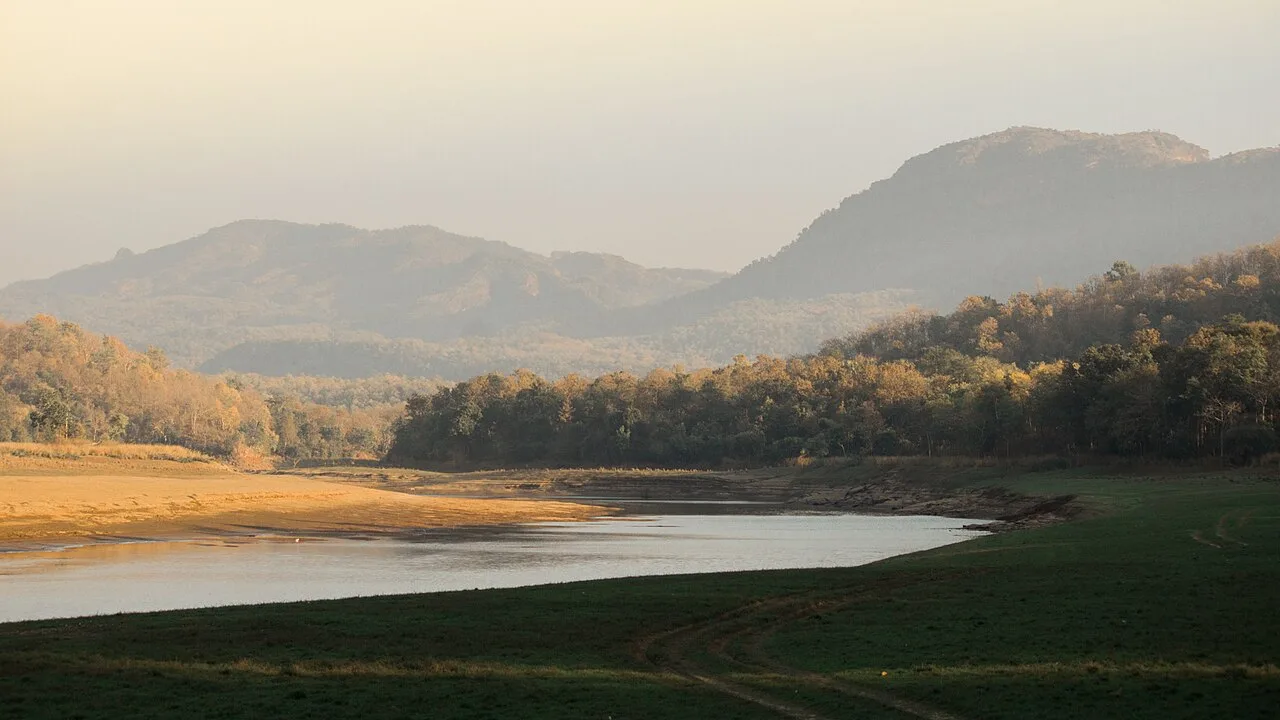
Satpura Tiger Reserve
In Madhya Pradesh’s Narmadapuram district, Satpura Tiger Reserve takes its name from the Satpura Range. Visitors come to experience its abundant plant life and wildlife.
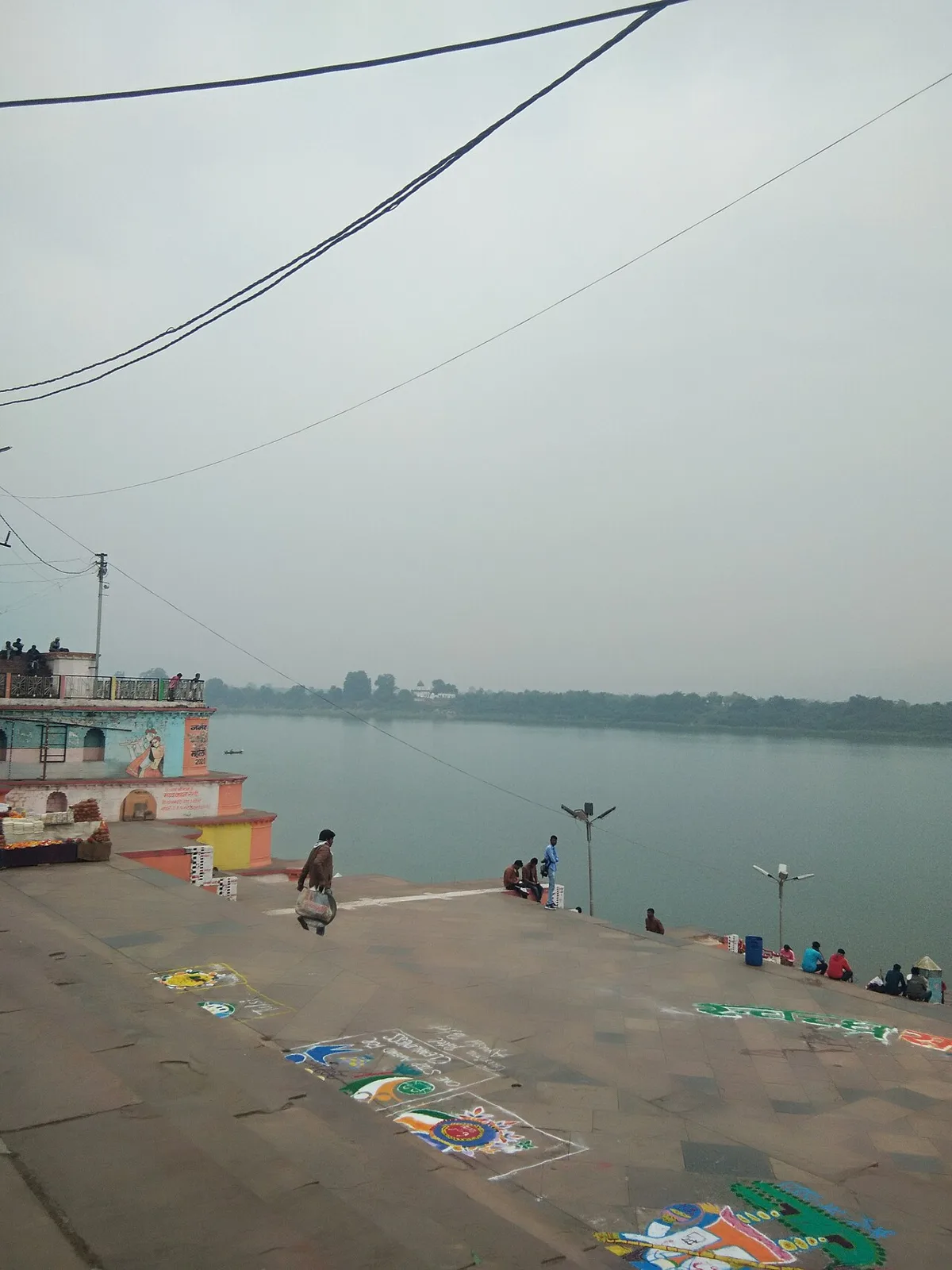
Sethani Ghat, Narmadapuram
Sethani Ghat is a nineteenth-century riverfront structure at Narmadapuram, Madhya Pradesh. People visit for its scale and for Narmada Jayanti, when devotees gather and float lamps on the river.
The district shares the wider food traditions of Madhya Pradesh. Poha, often served with jalebi, is a popular breakfast; other regional favourites include bhutte ka kees, dal bafla and dal baati. In Narmadapuram and Pachmarhi, eateries serve familiar vegetarian meals as well as North Indian staples, with menus varying by season and establishment. Forest-belt communities also have food traditions shaped by locally available ingredients, including mahua, though these dishes may not be commonly offered in restaurants. Ask what has been prepared fresh that day, as smaller eateries may have a limited menu.
The district is not widely identified with one signature craft, but its Satpura setting connects it to the broader craft traditions of central Madhya Pradesh. Tribal communities in the wider region make practical and decorative objects using locally available materials, including bamboo and other forest resources. Gond painting and woodcraft are also known across parts of central India, though they should be understood as regional traditions rather than crafts exclusive to Narmadapuram. Local markets and cultural events are the best places to look for work by nearby artisans; availability can vary.
Narmada Jayanti, usually observed in winter, is marked with worship and activity along the riverfront at Narmadapuram. Makar Sankranti and other Hindu festivals also draw visitors to the ghats. Mahashivratri brings pilgrims to Shiva shrines in the wider region, including Chauragarh, where the steep approach can become particularly busy. Holi and Diwali are celebrated in towns and villages. Festival periods may mean larger crowds, busier roads and fewer available rooms, especially around Narmadapuram and Pachmarhi; booking ahead is sensible when travelling then.
Elsewhere in Madhya Pradesh
The Narmada flows through broad, cultivated plains in the northern part of the district, while the Satpura range rises to the south. Around Pachmarhi, the plateau is cut by ravines and dotted with waterfalls, caves and forested viewpoints. Satpura Tiger Reserve protects a substantial forest landscape. These contrasts make road journeys and travel times important: river towns are generally easier to navigate, while hill and forest visits involve winding roads, walks or authorised vehicles. Monsoon conditions can affect trails and access to some natural sites.
Summer is generally hot in the plains, while Pachmarhi’s higher elevation can feel more temperate. The monsoon, broadly from June into September, brings greener scenery but can make trails slippery and affect road access to waterfalls and forest areas. Winter is usually the most comfortable season for sightseeing, especially from around October to March, and is a popular time to visit Pachmarhi. Pack light, breathable clothing for the plains, a warmer layer for winter evenings in the hills, sturdy footwear and rain protection during the monsoon. Carry sun protection and drinking water on walks in every season.
Narmadapuram town has its own railway station, while Pipariya is a useful railhead for Pachmarhi and nearby hill attractions. Raja Bhoj Airport in Bhopal is the main air gateway for the area. National and state highways connect the district with Bhopal and other central Madhya Pradesh towns; buses and private coaches serve major routes, with onward journeys often requiring a taxi or local vehicle. Auto-rickshaws are useful in towns, while taxis or hired jeeps are practical for hill and forest sites. Check current services locally before setting out.
Roads link Narmadapuram town with Pipariya, Pachmarhi and other regional centres. Buses serve major routes, but services to individual viewpoints and forest attractions may be limited; confirm onward options locally. Auto-rickshaws are useful within towns. Taxis or hired vehicles are more practical for Pachmarhi’s scattered sights, and authorised jeeps may be needed for some forest visits. The Satpura Tiger Reserve has designated access points, so do not assume a regular taxi can enter safari areas. There are no routine visitor boat journeys needed for the destinations listed here.
2 days: Sethani Ghat, Narmadapuram; Pachmarhi Hill Station. Sleep in Narmadapuram on night one and Pachmarhi on night two. 3 days: Pachmarhi Hill Station, Jatashankar, Bee Falls, Handi Khoh, Dhupgarh Peak. Sleep in Pachmarhi each night. 4 days: Sethani Ghat, Narmadapuram; Satpura Tiger Reserve; Pachmarhi Hill Station, Jatashankar, Bee Falls. Sleep in Narmadapuram, near the chosen reserve access point, and Pachmarhi, in that order.
Narmadapuram is a practical base for Sethani Ghat and rail connections through the plains. Pachmarhi has the widest choice for hill sightseeing, with hotels, guesthouses and homestays, as well as some government accommodation. For Satpura Tiger Reserve, stay near the access point used for your confirmed visit; options may be more limited than in Pachmarhi. Dharamshalas can be available in pilgrimage areas, but facilities vary. Reserve rooms ahead during festivals, school holidays and the busy winter travel season.
Wear sturdy shoes on uneven paths, cave approaches and waterfall trails; rocks can be slippery during and after monsoon rain. In forest areas, follow guide and forest staff instructions, keep a safe distance from wildlife and never walk off permitted routes. Use treated or sealed drinking water. Mobile coverage can be patchy outside towns. Check local road and weather conditions before setting out. Reserve visits and safari access are regulated; confirm current entry requirements and permits through official forest or reserve channels before travel.
- Chhindwaraabout 27 km
- Narmadapuramabout 43 km
- Raisenabout 106 km
- Seoniabout 128 km
- Sanchiabout 129 km
- Vidishaabout 133 km
- Bhopalabout 133 km
- Sehoreabout 137 km
Straight-line distance between the centres of each district's destinations; road distance is longer.
All districts of Madhya Pradesh
Q: How many days should I spend in the district? A: Allow two days for a brief visit, or three to four days to combine Pachmarhi with the riverfront or a reserve visit. Q: When is the best time to visit? A: October to March is generally the most comfortable period; monsoon brings lush scenery but can affect trails and access. Q: What is the best base for sightseeing? A: Pachmarhi suits hill attractions, while Narmadapuram town is convenient for Sethani Ghat and the plains. Q: How do I get to the district? A: Reach Narmadapuram or Pipariya by rail, or travel via Bhopal by air and road; use local road transport for onward journeys. Q: Is the district suitable for families or elderly travellers? A: Yes, with planning. Riverfront and town visits are more accessible, while hill trails, steps and uneven terrain may not suit everyone.
This page draws on our 8 destination guides for Hoshangabad and is updated as our team checks it.
Be the first to share photos, stories, advice or a helpful contact for Hoshangabad.
Loading…