
District · Madhya Pradesh
Bhopal
Bhopal is the capital district of Madhya Pradesh and a practical base for exploring the state’s central region.
Bhopal district lies on the central Indian plateau, where low hills, wooded stretches and settled farmland surround the state capital. The city is known for Bhojtal, also called Upper Lake, and the adjoining urban landscape of lakes and ridges. Bhopal grew as a princely state in the early eighteenth century under Dost Mohammad Khan and later became notable for its succession of women rulers, the Begums of Bhopal. Its character brings together historic mosques and old-city neighbourhoods with government institutions, museums and contemporary cultural venues such as Bharat Bhavan. The district offers a mix of urban heritage, lakeside recreation and rural settlements, with Bhopal serving as Madhya Pradesh’s political and cultural centre.
Bhopal is the capital district of Madhya Pradesh and a practical base for exploring the state’s central region. It is best known for the historic lakeside city, its mosques and princely-state heritage, and cultural institutions such as Bharat Bhavan and the Tribal Museum. The district also brings together urban attractions, the historic settlement of Islamnagar, and green space at Van Vihar National Park. Bhojtal and Sair Sapata offer ways to experience the city’s lakefront, while the museums and heritage sites provide context for Madhya Pradesh’s artistic and social traditions. Visitors can combine these varied places without making long journeys between towns.
The history of Bhopal includes both older regional traditions and the rise of a princely state. Local accounts associate the area’s early history with the Paramara ruler Raja Bhoj and a settlement called Bhojpal, though the details of this association are not uniformly documented. Bhopal as a political centre took shape in the early eighteenth century under Afghan leader Dost Mohammad Khan, who established a state in the region. Islamnagar, then known as Jagdishpur, became one of his early centres. Bhopal later developed as a princely state, ruled for long periods by women of the Begum dynasty during the nineteenth and early twentieth centuries. The state entered into an alliance with the British in the early nineteenth century and remained a princely state under British paramountcy until Indian independence. After independence, Bhopal state joined the Indian Union and was merged into Madhya Pradesh when states were reorganised in 1956. Bhopal became the capital of the new state, and the district grew around the expanding city and its surrounding settlements.
7 destination guides · 5 on the map
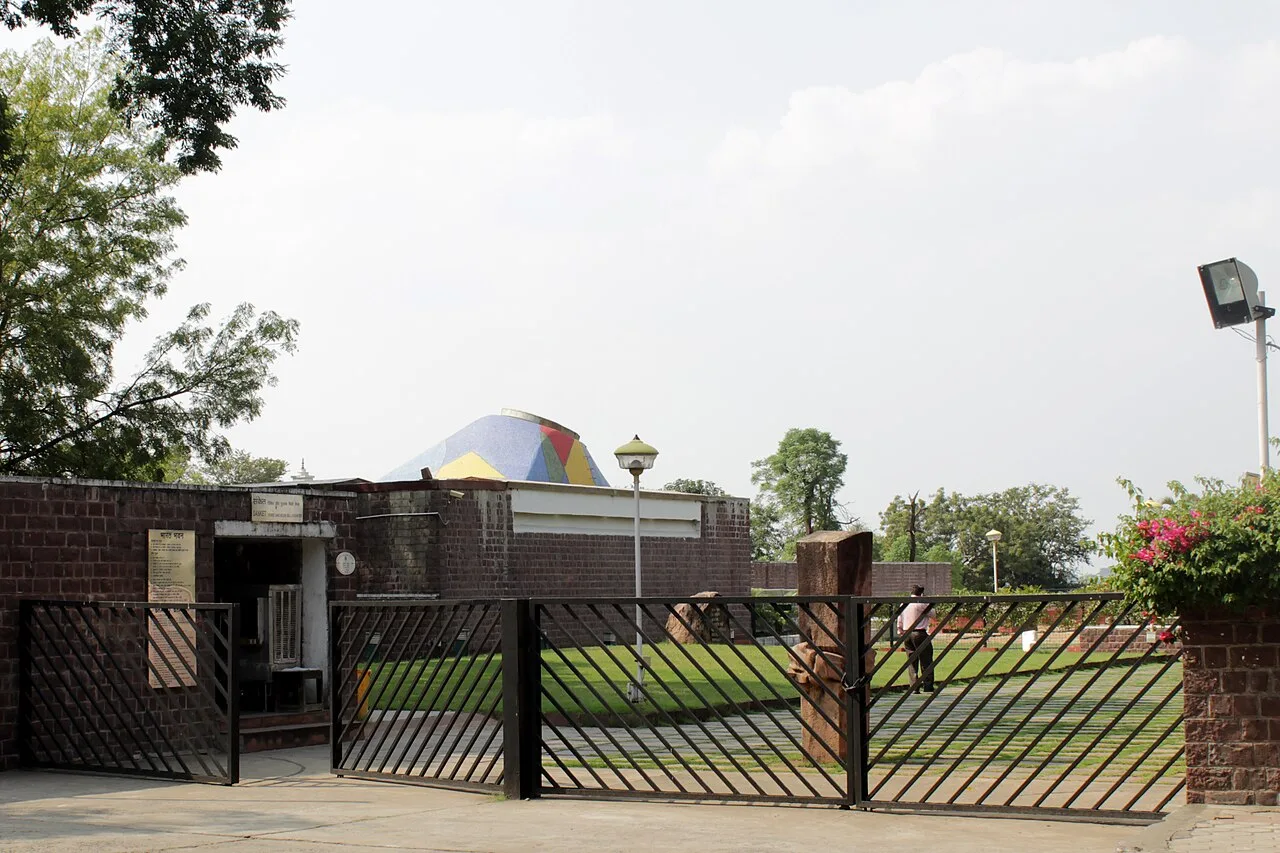
Bharat Bhavan
Bharat Bhavan is a government-established arts centre and museum in Bhopal, designed by Charles Correa. Visitors can explore its galleries, creative workshops, performance spaces and cultural collections.
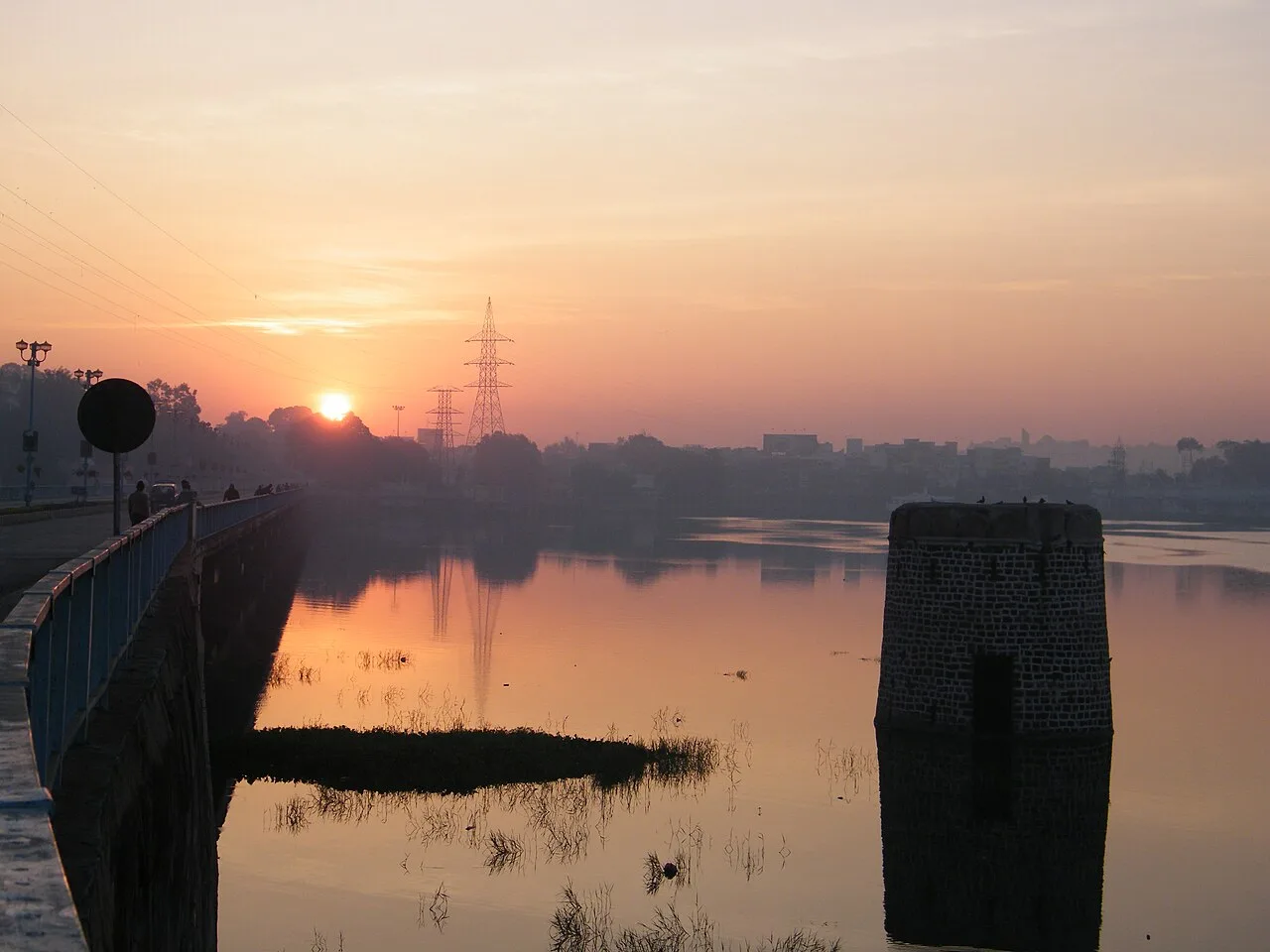
Bhojtal
Bhojtal, also called Upper Lake, is a large lake on Bhopal’s western side. Visitors can see it as part of the Bhoj Wetland, formed with nearby Lower Lake and designated a Ramsar site.
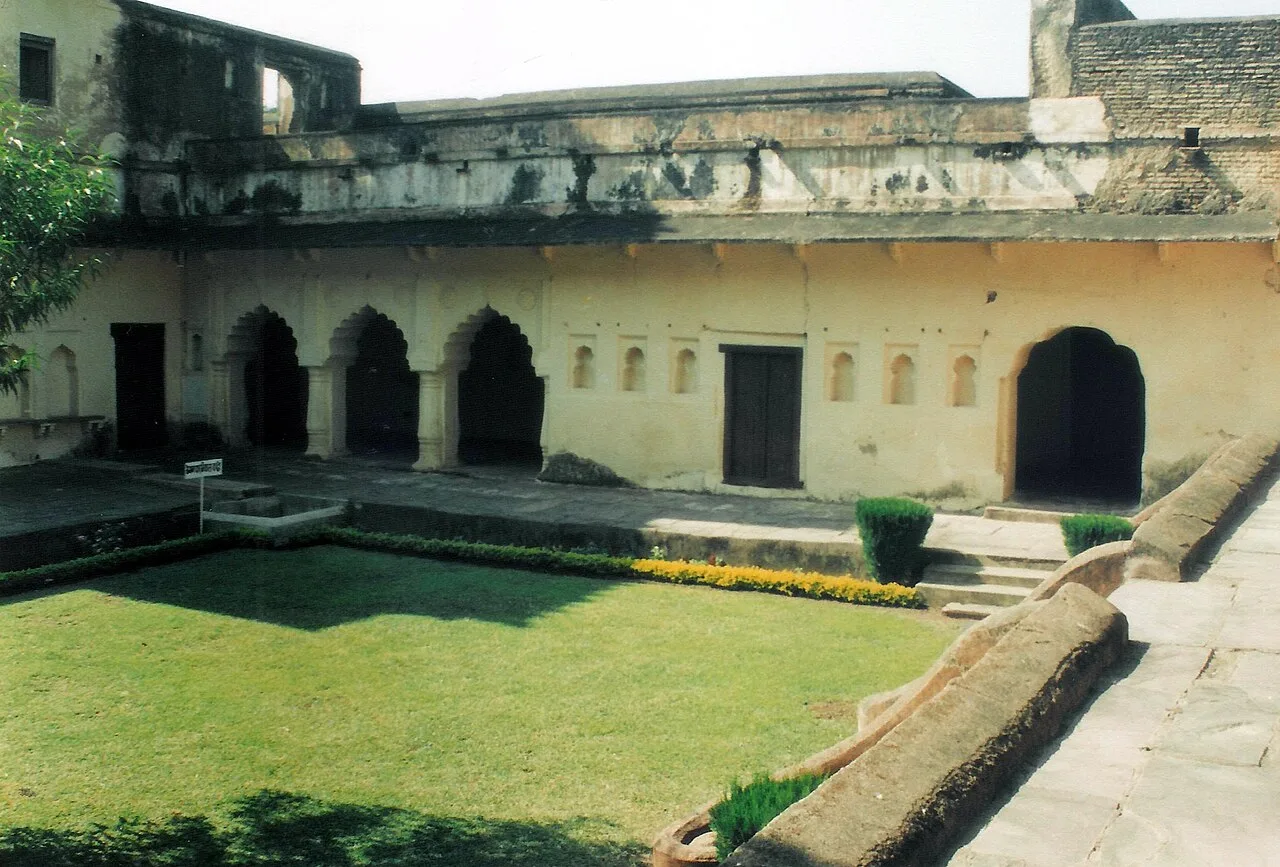
Islamnagar
Islamnagar, officially Jagdishpur since February 2023, is a panchayat village in Bhopal district, Madhya Pradesh, visited for the ruined palaces built by Bhopal’s founder.
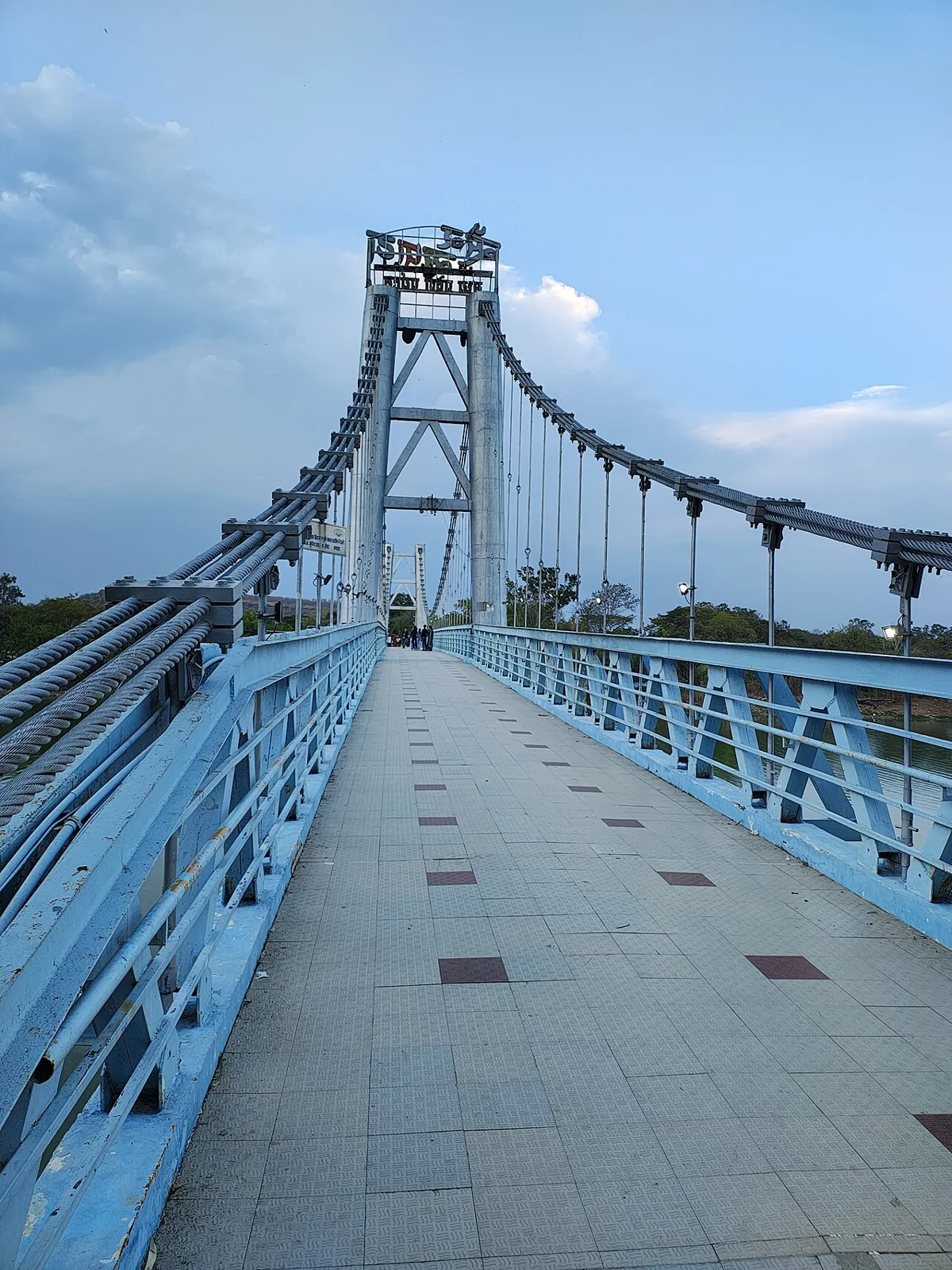
Sair Sapata, Bhopal
Sair Sapata is a tourism and leisure complex beside Upper Lake in Bhopal. Visitors come for its attractions, which include a musical fountain, a children’s play area, a toy train and a suspension bridge.
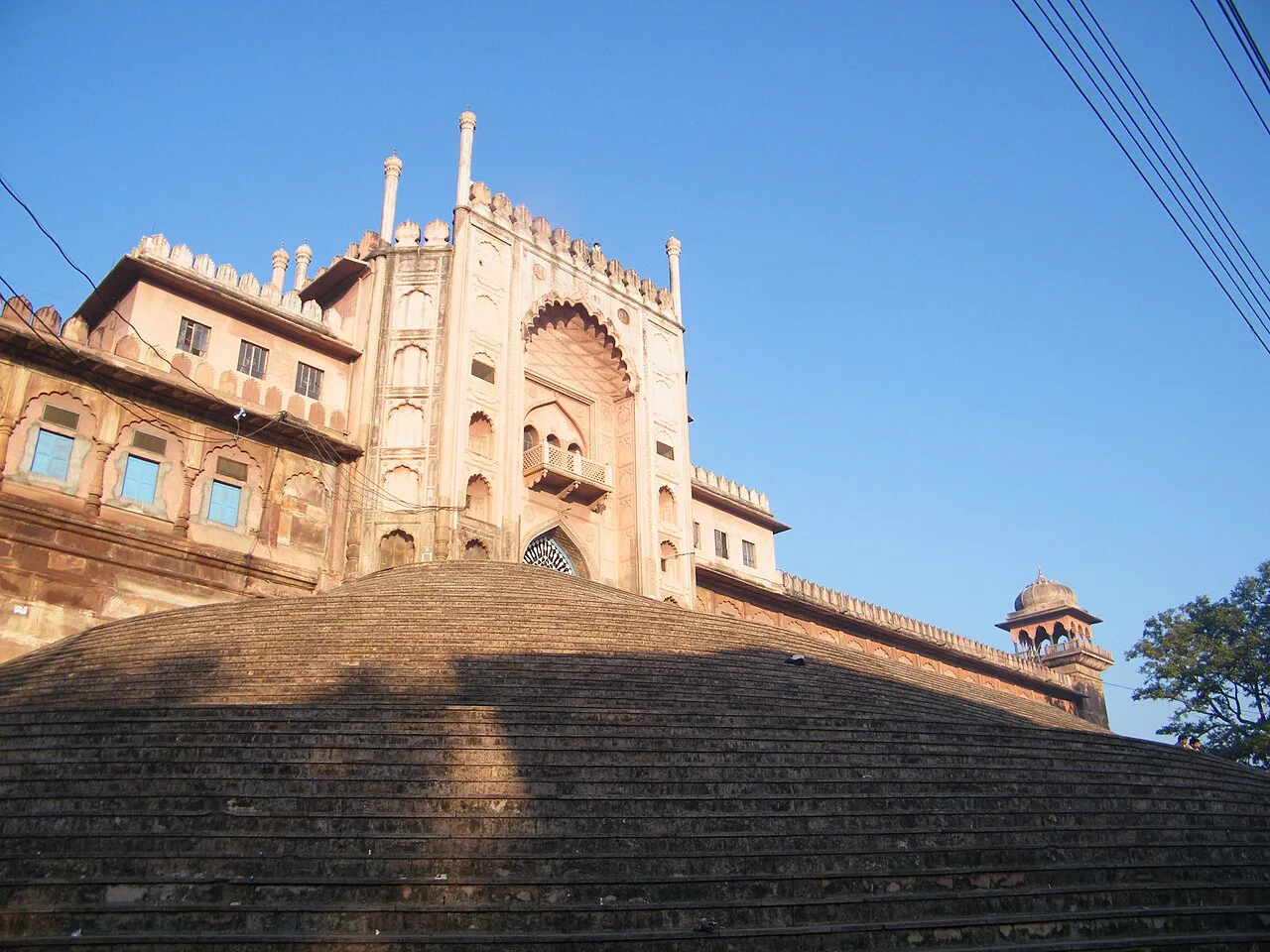
Taj-ul-Masajid
Taj-ul-Masajid is a Sunni mosque in Bhopal, Madhya Pradesh, associated with Tablighi Jamaat and the Deobandi movement. People visit for prayer and to see one of India’s largest mosques.
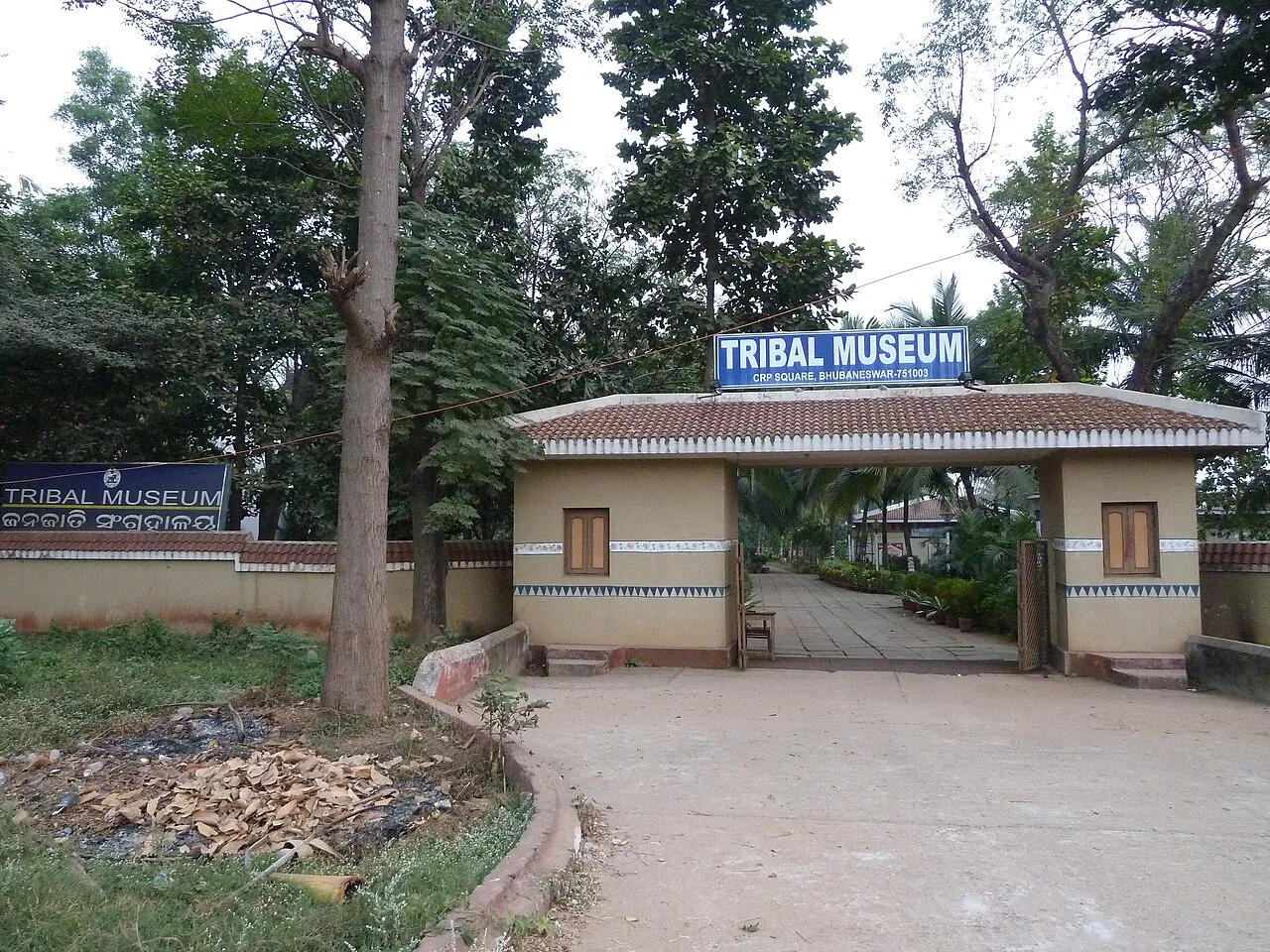
Tribal Museum
Tribal Museum is a museum or cultural centre in Bhopal district, Madhya Pradesh. Visitors may come to engage with its role as a cultural place.
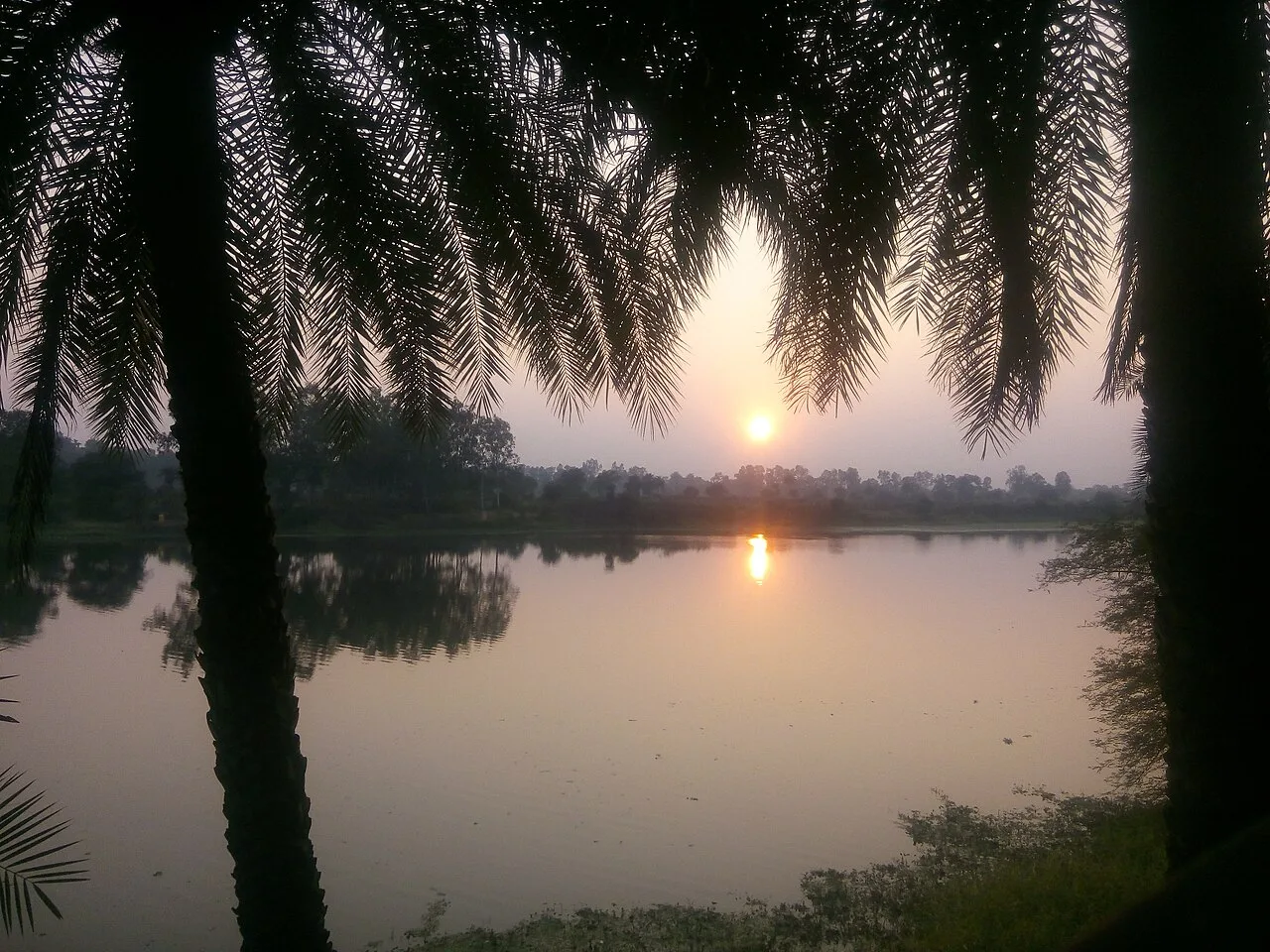
Van Vihar National Park
Van Vihar is a national park and zoological facility in Bhopal, visited for its animal habitats and a road that runs through the grounds.
Bhopal’s food reflects both central Indian and north Indian influences, with a well-known tradition of meat dishes. Seekh kebabs, biryani, korma and other slow-cooked preparations are common features of the city’s dining scene. Poha, often served with jalebi, is a familiar breakfast across Madhya Pradesh, while snacks and sweets vary by neighbourhood and season. Vegetarian travellers will also find plenty of everyday options, including dal, breads and seasonal vegetable dishes. Mawa-bati and gajak are sweets found in the wider region. Small eateries may prepare a limited menu each day, so asking what is fresh can be useful.
Bhopal is associated with zari and zardozi work, in which metallic thread and embellishments are used to decorate fabric. Embroidered purses and other accessories are among the traditional items found in local markets. The district’s cultural institutions, including Bharat Bhavan and the Tribal Museum, offer ways to encounter art and material traditions from Madhya Pradesh more broadly. Gond painting and the crafts of the state’s Adivasi communities are regional traditions rather than crafts exclusive to Bhopal. Visitors can look for locally made work in city markets and ask sellers about its origin and materials.
Eid, Ramadan, Muharram, Diwali, Navratri and Ganesh Chaturthi are observed in Bhopal, reflecting the district’s diverse communities. Religious occasions can bring busy markets, heavier traffic near places of worship and increased demand for accommodation, particularly around major celebrations. Cultural programmes and exhibitions are also held at venues such as Bharat Bhavan, though schedules vary. Tribal festivals and fairs are celebrated in parts of Madhya Pradesh, but their customs and timing differ by community and location. Visitors planning around a festival season should check local event information and arrange rooms ahead, especially in the city.
Elsewhere in Madhya Pradesh
Bhopal lies on the Malwa-Vindhya plateau, amid low hills, rocky ground and urban development. Bhojtal, also called Upper Lake, is a major feature on the western side of the city; connected waterways and smaller water bodies shape parts of the urban landscape. Patches of woodland and scrub remain around the city, including within Van Vihar National Park, while Islamnagar lies in the surrounding district landscape. Roads link these sites, but city traffic and the spread of built-up areas can make short journeys take longer than expected. The lakeside and park settings offer a contrast to the busy central city.
Bhopal has hot summers, a monsoon season and comparatively mild, cooler winters. Summer days can be uncomfortable for extended outdoor sightseeing, so plan walks for cooler parts of the day and carry water and sun protection. Monsoon brings greener surroundings and replenishes the lakes, but rain can make roads slower and outdoor plans less predictable. Winter is generally the most comfortable season for visiting museums, heritage sites and lakeside attractions. The period from about October to March is usually a good choice. Pack light clothing for warm days, a warmer layer for winter evenings, comfortable walking shoes, and rain protection if travelling during the monsoon.
Bhopal is served by Raja Bhoj Airport and Bhopal Junction, the city’s principal railway station. Rail services connect the capital with major cities in Madhya Pradesh and elsewhere in India; road links and intercity buses connect it with places such as Indore, Vidisha and Sanchi. Within the district, local buses, auto-rickshaws, taxis and app-based cabs are useful for getting around, while a hired car can help reach sites outside the city centre. Travel times and available services vary by route and season. Check current services locally before setting out.
Bhopal city has local buses, auto-rickshaws and taxis for getting between central neighbourhoods and the listed attractions. App-based taxi services may also be available. Road travel connects the city with Islamnagar and other settlements in the district; confirm the return transport arrangement before leaving the city centre. Traffic can be slow at busy times, so allow flexibility between visits. Boats operate on parts of Bhojtal as a visitor activity, subject to local operation and conditions; check on arrival rather than relying on a particular service. Walking is useful within individual sites, but distances between attractions are generally better covered by road.
2 days: Bharat Bhavan → Tribal Museum → Taj-ul-Masajid → Bhojtal → Sair Sapata; sleep both nights in Bhopal. 3 days: Taj-ul-Masajid → Islamnagar → Bharat Bhavan → Tribal Museum → Bhojtal → Sair Sapata → Van Vihar National Park; sleep all nights in Bhopal.
Bhopal city is the most convenient base for all the listed destinations, with the broadest choice of hotels and other visitor accommodation. Staying centrally can suit museum and heritage visits, while a lake-area base may be convenient for Bhojtal and Sair Sapata. Islamnagar is close enough to visit from the city, so changing accommodation is usually unnecessary for a short circuit. Guesthouses and homestays may be available alongside hotels; government lodges and dharamshalas can have limited availability or specific booking arrangements. Check location and transport access before reserving.
Bhopal is an urban destination, but use ordinary care in crowded markets, at festivals and around places of worship; dress respectfully when visiting religious sites. Summer heat calls for water, shade and sun protection, while monsoon rain can slow road journeys and make lake edges slippery. Use treated or sealed drinking water if unsure of local supplies. At Van Vihar, follow park rules, keep to permitted visitor areas and do not approach or feed wildlife. Traffic and road conditions vary, so allow extra travel time and use reliable transport after dark. Mobile connectivity is generally available in the city but may vary at individual sites. No special permit is ordinarily needed for the listed attractions; confirm any current access rules officially before travel.
- Sehoreabout 5 km
- Raisenabout 27 km
- Sanchiabout 44 km
- Vidishaabout 52 km
- Narmadapuramabout 97 km
- Sagarabout 116 km
- Hoshangabadabout 133 km
- Chhindwaraabout 156 km
Straight-line distance between the centres of each district's destinations; road distance is longer.
All districts of Madhya Pradesh
Q: How many days should I spend in Bhopal district? A: Two days covers the main city sights at a relaxed pace; three days allows time for Islamnagar and Van Vihar as well. Q: When is the best time to visit? A: October to March is generally the most comfortable period for sightseeing. Q: What is the best base for visiting the district? A: Bhopal city is the most practical base, with the widest choice of accommodation and transport. Q: How do I get to Bhopal? A: Bhopal is connected to other parts of Madhya Pradesh and India by air, rail and road; check current services for your route. Q: Is Bhopal suitable for families or elderly travellers? A: Yes, many attractions are accessible by road, though walking, steps, heat and crowds may require planning and rest breaks.
This page draws on our 7 destination guides for Bhopal and is updated as our team checks it.
Be the first to share photos, stories, advice or a helpful contact for Bhopal.
Loading…