
District · Madhya Pradesh
Rewa
Rewa is a useful base for exploring Baghelkhand, the historic region of northeastern Madhya Pradesh, and a district where a busy urban centre lies within reach of plateau scenery, escarpments and waterfalls.
Rewa lies in Baghelkhand in northeastern Madhya Pradesh, where the Vindhyan plateau meets rugged escarpments, ravines and seasonal streams. The Tamas, also known as the Tons, and waterfalls such as Keoti give parts of the district a striking landscape, while much of the countryside is agricultural. Rewa was the seat of the former princely state of Rewa and the Baghela rulers, whose history is reflected in places such as Govindgarh Palace. The region is also closely associated with the celebrated white tiger Mohan, captured in the former Rewa state in 1951. Today, Rewa combines a busy district centre with smaller towns, villages and scenic rural sites.
Rewa is a useful base for exploring Baghelkhand, the historic region of northeastern Madhya Pradesh, and a district where a busy urban centre lies within reach of plateau scenery, escarpments and waterfalls. It is best known for its association with the former princely state of Rewa and the Baghela rulers, as well as for Keoti Falls and Govindgarh Palace. The region is also linked with Mohan, the white tiger captured in the former Rewa state in 1951. Travellers can combine heritage and rural landscapes, while keeping in mind that some sights require a road journey from the city.
The region’s political history is closely tied to the Baghela ruling house, which established the former princely state of Rewa in Baghelkhand. Rewa became the state’s principal seat after the rulers moved their court from Bandhavgarh; the dynasty’s legacy is associated with palaces and other historic sites in the area. During British rule, Rewa remained a princely state under British paramountcy rather than being administered as a directly ruled province. After independence, it joined the Union of India and became part of Vindhya Pradesh, a union of former princely states established in 1948, with Rewa as its capital. Vindhya Pradesh was incorporated into the reorganised state of Madhya Pradesh in 1956, and Rewa continued as a district centre. The area also entered wider public attention in 1951, when Mohan, a white tiger, was captured in the former Rewa state. The district’s present identity brings together this princely-state history and its role as a regional centre for surrounding towns and countryside.
2 destination guides
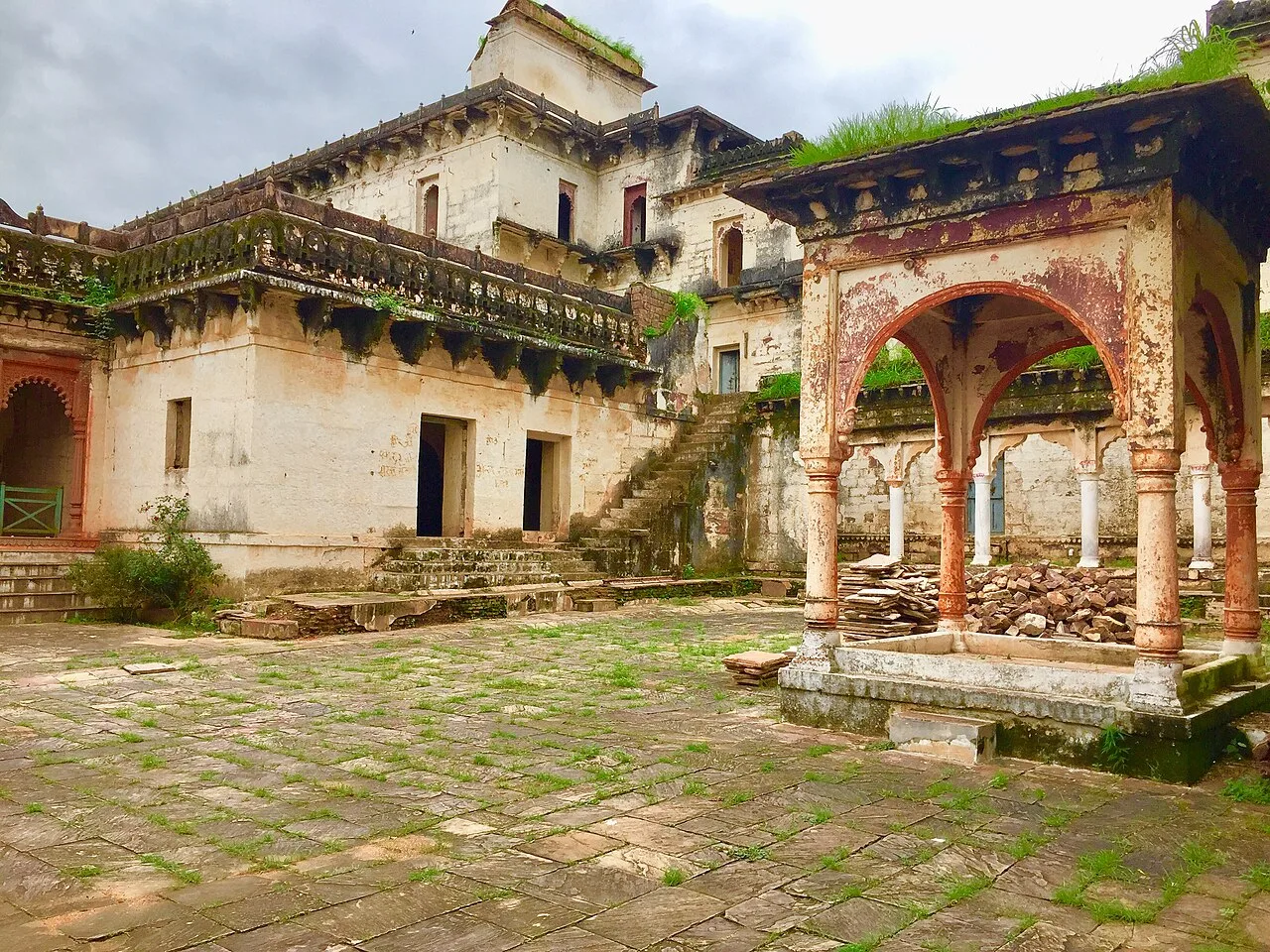
Govindgarh Palace, Rewa
Govindgarh Palace, also called Govindgarh Fort, is a nineteenth-century royal residence in Rewa district. Visitors come to see the palace and its lakeside setting in Govindgarh, Madhya Pradesh.
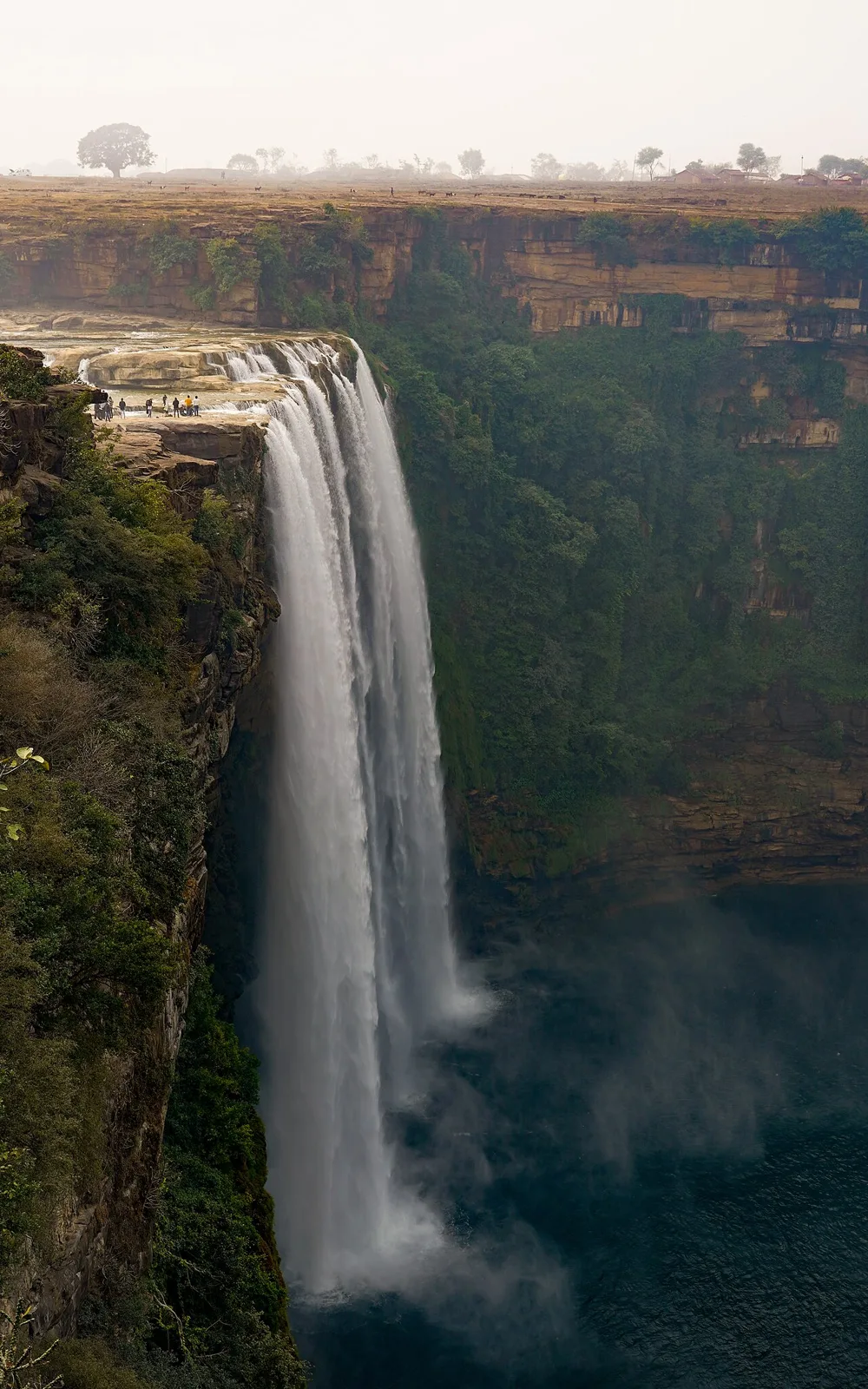
Keoti Falls, Rewa
Keoti Falls, also called Kevti, is a waterfall in Rewa district, Madhya Pradesh. Visitors come to see a site ranked 24th among India’s waterfalls by height.
Rewa’s food is part of the wider Baghelkhand and Madhya Pradesh traditions rather than a cuisine defined by a single signature dish. Everyday meals commonly feature wheat breads, lentils and seasonal vegetables. Across the state, visitors may find poha with jalebi, dal bafla and dal baati, though menus vary from town to town. Small eateries often prepare a limited selection based on what is fresh that day. Ask locally about regional or seasonal preparations, and check ingredients if you have dietary requirements.
Rewa is not widely identified with one signature craft. In the district and wider Baghelkhand region, practical traditions such as clay pottery, bamboo basketry and weaving may be found, though their availability and styles vary between communities. These crafts are generally small-scale and are not exclusive to Rewa. Madhya Pradesh also has a broader folk-art heritage, including Gond painting, but that art is associated more strongly with other parts of the state. Local markets are a useful place to ask what is made nearby.
Holi, Diwali, Navratri and Dussehra are observed in Rewa and across the wider region, with religious and family gatherings often bringing livelier markets and busier roads. Navratri and Dussehra fall in the autumn festival season, while Holi is celebrated in spring and Diwali in autumn. Makar Sankranti is also marked in the region in winter. Local religious events and fairs may draw visitors from nearby villages, though dates and scale vary by place and year. Accommodation in Rewa can be busier around major festivals, so booking ahead is sensible if travelling then.
Elsewhere in Madhya Pradesh
Rewa lies on the Vindhyan plateau, where relatively open agricultural countryside meets broken escarpments, ravines and seasonal streams. The Tamas, also known as the Tons, drains parts of the region, and Keoti Falls is among the district’s notable waterfall landscapes. Fields and settlements dominate much of the accessible countryside, with wooded patches and rugged terrain in places. These contrasts make road travel the practical way to reach rural sights, but journeys can take longer where roads are narrow or uneven. Waterfalls and stream crossings are most impressive in or soon after the monsoon, when conditions can also be less predictable.
Rewa has hot summers, a monsoon season and generally cooler, drier winters. Summer heat can make outdoor sightseeing uncomfortable, particularly in the middle of the day. Monsoon rains bring greener scenery and stronger flows at waterfalls, but can also make rural roads slippery or slow. The months from October to March are usually the most comfortable for exploring heritage sites and travelling between towns. Pack light, breathable clothing for warm days, a sun hat and sunscreen; in winter, bring a light warm layer for mornings and evenings. During the monsoon, carry rain protection and sturdy footwear, and check local conditions before visiting waterfalls.
Rewa is the district’s main transport hub, with Rewa railway station and Rewa Airport serving the city. Flight services can be limited or change, so check connections before planning around the airport. Road links connect Rewa with nearby centres including Satna and Sidhi, with onward routes towards Prayagraj. Govindgarh Palace and Keoti Falls are reached by road from Rewa; a hired car or taxi offers flexibility, while public transport and last-mile options may vary. Check current services locally before setting out.
Rewa is the main transport hub for the district. Local buses and shared vehicles connect the city with nearby towns and villages, though services and last-mile options can vary. Autos are useful for getting around town, while a hired car or taxi gives more flexibility for reaching Govindgarh Palace and Keoti Falls and returning to Rewa. Roads link Rewa with regional centres including Satna and Sidhi, with onward routes towards Prayagraj. Rural routes may be slower or less convenient during heavy rain. Confirm current transport options locally, especially for return journeys from outlying sights.
2 days: Govindgarh Palace, Rewa → Keoti Falls, Rewa; sleep both nights in Rewa. 3 days: Keoti Falls, Rewa → Govindgarh Palace, Rewa; sleep both nights in Rewa, leaving a flexible day for rest or local travel.
Rewa is the most practical base for both listed sights and offers the district’s broadest choice of accommodation, including hotels, guesthouses and some budget-oriented stays. It suits visitors relying on public transport as well as those hiring a car. For a trip focused on Govindgarh Palace, staying in Rewa and making a road excursion is generally convenient; options near smaller rural sights may be more limited. Homestays, government lodges or dharamshalas may be available in the wider area, but facilities and availability vary, so confirm arrangements before travelling.
Take care on uneven paths and wet rock around waterfalls, and do not approach edges or enter fast-flowing water, especially after rain. Rural roads may be narrow, rough or affected by monsoon conditions; allow flexibility and avoid driving when visibility is poor. Carry drinking water, sun protection and any personal medication, and use reliable drinking-water sources. Mobile connectivity can be weaker outside Rewa, so arrange return transport in advance. Crowds can increase around festivals. The district’s listed sights do not generally require a special visitor permit, but confirm with official local sources if access rules change. Do not assume wildlife can be safely approached or sighted.
- Satnaabout 64 km
- Chitrakootabout 71 km
- Kaushambi · Uttar Pradeshabout 83 km
- Sidhiabout 88 km
- Banda · Uttar Pradeshabout 100 km
- Prayagraj · Uttar Pradeshabout 107 km
- Bandhavgarhabout 107 km
- Chhatarpurabout 138 km
Straight-line distance between the centres of each district's destinations; road distance is longer.
All districts of Madhya Pradesh
Q: How many days should I spend in Rewa district? A: Two days can cover Govindgarh Palace and Keoti Falls from Rewa; three days allow a more relaxed pace. Q: When is the best time to visit? A: October to March is generally the most comfortable period. Waterfalls are fuller during and after the monsoon, when road and path conditions may be harder. Q: What is the best base for visiting the sights? A: Rewa is the most practical base, with the widest range of services and road connections. Q: How do I get to Rewa? A: Rewa has a railway station and an airport, though flight services may be limited or change. Road links connect it with regional centres; check current connections before travelling. Q: Is Rewa suitable for families or elderly travellers? A: Rewa city and its heritage visits can suit many travellers, but waterfall paths and rural terrain may be uneven. Check accessibility locally and plan transport and rest breaks to suit your group.
This page draws on our 2 destination guides for Rewa and is updated as our team checks it.
Be the first to share photos, stories, advice or a helpful contact for Rewa.
Loading…