
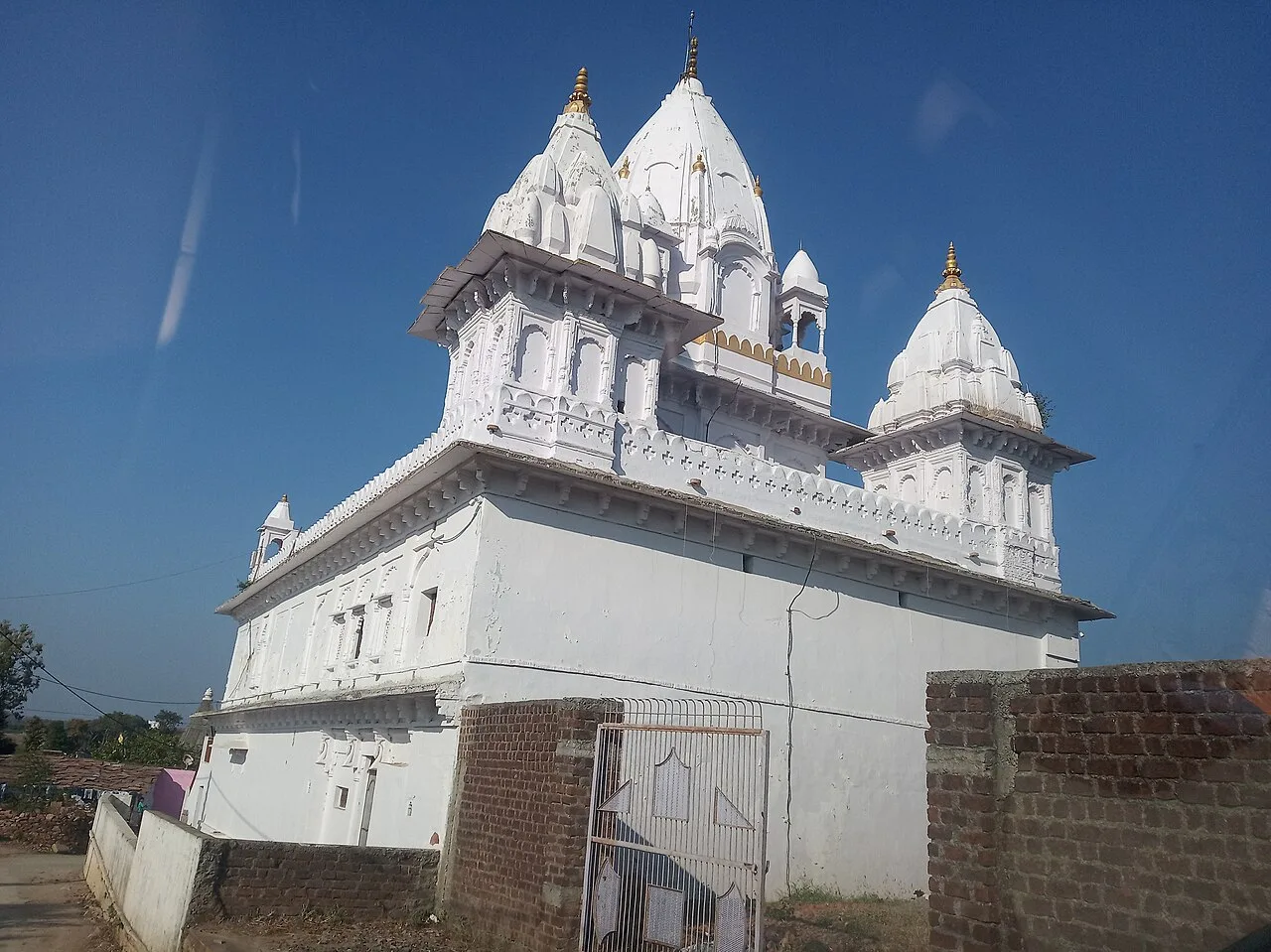
District · Madhya Pradesh
Sagar
Sagar district sits in the Bundelkhand region of northern Madhya Pradesh, where rocky uplands, farmland and scattered forest meet a long history of fortified settlements.
Sagar district lies in the Bundelkhand region of northern Madhya Pradesh, where the Vindhyan uplands shape a landscape of rocky hills, farmland and patches of forest. Sagar city, centred around Lakha Banjara Lake, is the district’s principal urban base, with an established educational and administrative character. Beyond the city, smaller towns and villages offer a quieter view of the region. Rahatgarh Fort is an important historic landmark, reflecting the strategic significance of fortified settlements in central India. The district is best approached as a combination of everyday Bundelkhand life, historic remains and rural scenery, rather than as a single concentrated sightseeing circuit.
Sagar district sits in the Bundelkhand region of northern Madhya Pradesh, where rocky uplands, farmland and scattered forest meet a long history of fortified settlements. Sagar city, built around Lakha Banjara Lake, is the district’s main administrative and educational centre and a practical base for exploring nearby countryside. Rahatgarh Fort is the district’s principal listed historic destination, set in a town that reflects the strategic role of forts in central India. Visitors come for a measured combination of regional history, everyday town life and rural scenery rather than a dense circuit of attractions. Sagar also makes a useful stop on journeys through Bundelkhand.
The Sagar region has long formed part of the wider Bundelkhand and central Indian crossroads. In different periods, authority in the broader region passed among local ruling houses and larger powers, including the Chandellas, Bundelas and Marathas; control varied across the area, and not every dynasty ruled the present district in the same way. Sagar city, historically known as Saugor, developed around its lake and became an important regional centre. In the eighteenth century it came under Maratha influence, including that of the Peshwa’s representatives. British control followed in the early nineteenth century, after the defeat of the Marathas, and Saugor later formed part of the Saugor and Nerbudda Territories before their incorporation into the Central Provinces. Rahatgarh Fort reflects the military and political importance of fortified places in this changing landscape, though accounts of its early ownership are not uniform. After Indian independence, Sagar became part of Madhya Pradesh, formed in 1956. The district’s history is therefore best understood through successive regional powers, colonial administration and the growth of Sagar as a civic centre.
Food in Sagar draws on Bundelkhand and the wider traditions of Madhya Pradesh. Poha with jalebi is a familiar regional breakfast, while dal, seasonal vegetables and wheat-based breads anchor everyday meals. Dal bafla, served with dal and ghee, is a well-known state speciality worth asking about, though not every eatery prepares it daily. Bhutte ka kees and sweets such as mawa-bati and gajak belong to the wider Madhya Pradesh food repertoire rather than being distinctive Sagar dishes. Small eateries may have limited menus, so ask what has been freshly cooked and which preparations are available that day.
Sagar belongs to the broader cultural setting of Bundelkhand, where household decoration, folk painting and clay work form part of regional artistic traditions. Chauk designs, made on floors or courtyards for auspicious occasions, are one expression of this wider heritage rather than a craft exclusive to Sagar. Madhya Pradesh’s celebrated Chanderi and Maheshwari weaving traditions come from elsewhere in the state; textiles sold locally should not automatically be treated as locally woven. For meaningful purchases, ask sellers about the maker, place of production and materials rather than relying on a regional label alone.
Diwali, Holi, Dussehra and Navratri are widely observed in Sagar and the surrounding Bundelkhand region, generally in autumn or spring according to the lunar calendar. Makar Sankranti is marked in midwinter. Local religious gatherings and fairs may take place around temples and community events, but their scale and dates vary by locality. Festival periods bring more activity to town markets and can make accommodation busier, particularly in Sagar city. Visitors should check locally for event dates and book ahead if travelling during a major holiday; outside these periods, crowds are usually more modest.
Elsewhere in Madhya Pradesh
Sagar district occupies an upland part of Bundelkhand, with rocky rises, cultivated fields, shallow valleys and patches of woodland. Seasonal streams and river corridors cut through the plateau and can affect road conditions during the monsoon. Sagar city’s Lakha Banjara Lake is a prominent urban feature, while the countryside around Rahatgarh has a more open, rural character. Settlements and sights are spread across the district rather than concentrated in one compact area, so road travel is central to visiting. The landscape is generally accessible, but fort approaches and uneven ground may require care.
Sagar has hot summers, a monsoon season and comparatively cooler, drier winters. Summer heat can make daytime outings tiring, while rain during the monsoon may slow road journeys and leave rural tracks muddy. Winter, broadly from November through February, is usually the most comfortable season for exploring the fort and countryside. The post-monsoon months can also be pleasant, though conditions vary from year to year. Pack sun protection and light, breathable clothing in warmer months; carry rain protection during the monsoon. In winter, bring a light warm layer, especially for mornings and evenings, and use sturdy footwear for uneven ground.
Sagar railway station, also known as Saugor, is the main rail arrival point for Sagar city and a useful base for reaching Rahatgarh. Raja Bhoj Airport in Bhopal is a practical air gateway, particularly for a Rahatgarh visit; onward travel requires a road connection. Road routes link the district with Bhopal, Vidisha, Damoh and other regional centres. Buses connect major towns, while taxis are useful for visiting the fort and combining stops outside town centres. Auto-rickshaws serve shorter urban journeys, but arrange return transport before travelling to outlying sites. Check current services locally.
Sagar city is the district’s main transport hub, with road connections to Rahatgarh and other regional towns. Local and regional buses serve principal settlements, but services may be less frequent for outlying places. Shared vehicles may be available on commonly used routes; confirm their destination before boarding. Auto-rickshaws are useful for shorter journeys within town, while a taxi or hired car offers more flexibility for reaching Rahatgarh Fort and arranging a return. Do not assume a vehicle will be readily available at the fort: agree on a pickup plan in advance. There is no need to rely on boat transport for this district itinerary.
2 days: Rahatgarh Fort; sleep in Sagar on night 1 and night 2. 3 days: Rahatgarh Fort; sleep in Sagar on nights 1, 2 and 3.
Sagar city is the most practical base for visiting Rahatgarh Fort, with the broadest choice of ordinary hotels and guesthouses and access to transport and services. Rahatgarh may suit travellers who want to stay closer to the fort, but accommodation options there are more limited and should be confirmed before arrival. Homestays or dharamshalas may be available in some places, though facilities vary. Government lodges are not a dependable option unless availability is checked directly. For a short visit, staying in Sagar avoids changing accommodation for a single out-of-town destination.
Take care on uneven ground and steps at Rahatgarh Fort, particularly after rain, and avoid climbing unstable masonry. Summer heat calls for water, sun protection and breaks; during the monsoon, allow for slower journeys and potentially rough rural roads. Use safe drinking water and take usual precautions with food. Keep to established roads and do not approach wildlife in wooded areas. Mobile coverage may be inconsistent outside town centres, so share your route and arrange return transport beforehand. No special permit requirement is known for this itinerary; confirm with official local sources if access rules change.
- Vidishaabout 65 km
- Sanchiabout 72 km
- Lalitpur · Uttar Pradeshabout 84 km
- Raisenabout 107 km
- Chanderiabout 107 km
- Tikamgarhabout 110 km
- Bhopalabout 116 km
- Sehoreabout 120 km
Straight-line distance between the centres of each district's destinations; road distance is longer.
All districts of Madhya Pradesh
Q: How many days should I spend in Sagar district? A: Two days can suit a short visit centred on Rahatgarh Fort and Sagar city; allow a third day for a slower pace. Q: When is the best time to visit? A: The cooler months from November through February are generally most comfortable. Post-monsoon travel can also be pleasant. Q: What is the best base for visiting Rahatgarh Fort? A: Sagar city is the most practical base, with more services and transport options than Rahatgarh. Q: How do I get to Sagar district? A: Sagar railway station serves the city. Raja Bhoj Airport in Bhopal is a practical air gateway, followed by onward road travel; buses and road links connect Sagar with regional centres. Q: Is Sagar suitable for families or elderly travellers? A: Sagar city is manageable for many visitors, but the fort’s uneven surfaces and steps may be difficult for some. Plan transport and walking needs in advance.
This page draws on our 1 destination guides for Sagar and is updated as our team checks it.
Be the first to share photos, stories, advice or a helpful contact for Sagar.
Loading…