Ghumoopedia — Explore, Discover, Experience
Sign in
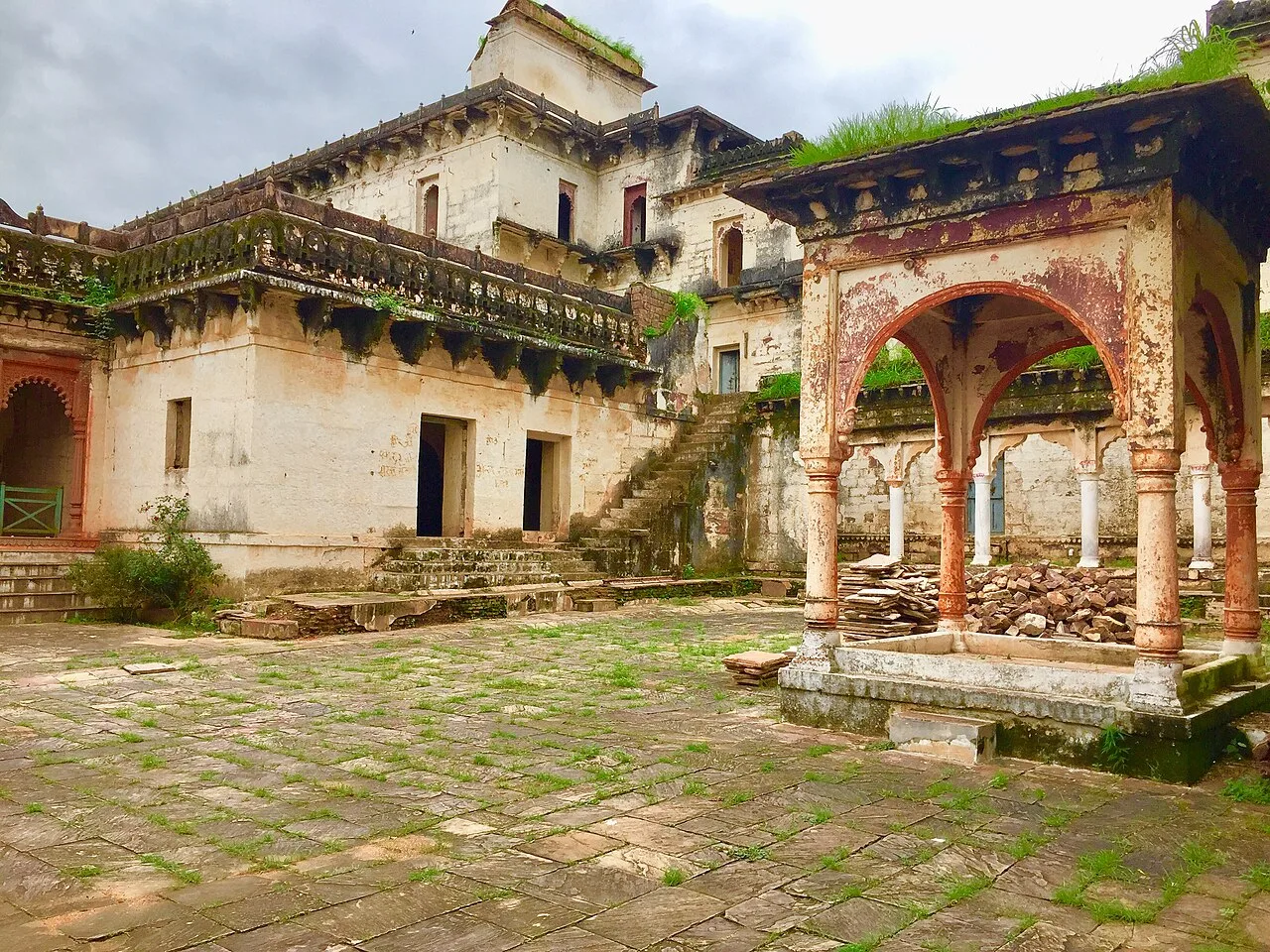
Ahilya Fort, Madhya Pradesh

State · Central India

Madhya Pradesh

The heart of India: tiger reserves, Khajuraho, Sanchi and the Narmada.

Capital
Bhopal
Districts
41
Destinations
94

Overview

Understanding Madhya Pradesh

Culture

Gond and Bhil art, Chanderi and Maheshwari weaves.

Food

  • Poha-jalebi
  • Dal bafla

Festivals

  • Khajuraho Dance Festival
  • Simhastha (Ujjain)

Experiences here

  • Wildlife
  • Heritage
  • Spiritual
  • Tribal
  • Festivals

Verified by the Ghumoopedia editorial team on 21 Nov 2026. Written and reviewed by Ghumoopedia's editors. Timings, fees and permits can change, so check them with the managing authority shortly before you travel.

The complete guide

Madhya Pradesh: a traveller's guide

Why visit

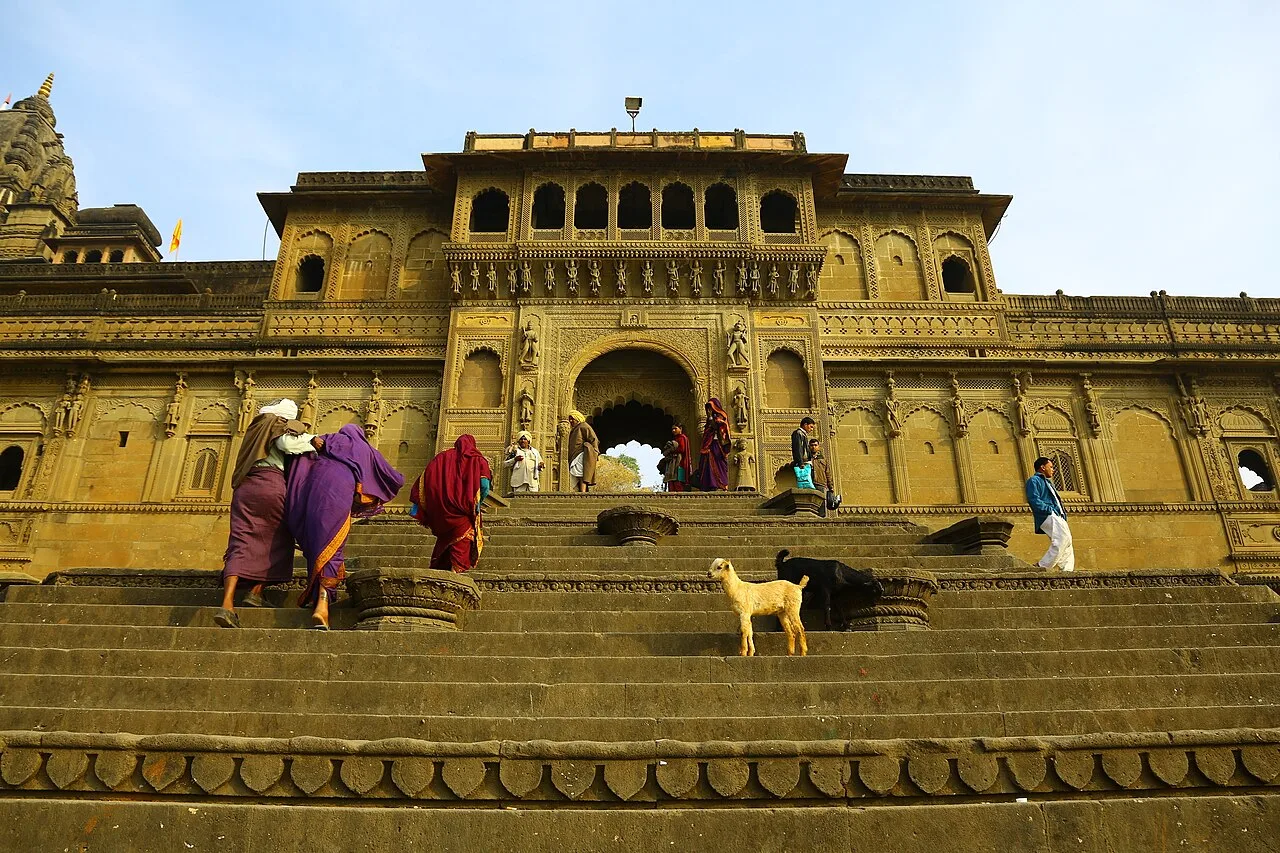
Madhya Pradesh sits at the centre of India, and its range of experiences makes it especially rewarding for travellers who enjoy combining landscapes, wildlife and history. The state’s ancient Buddhist sites at Sanchi, temple architecture at Khajuraho and dramatic forts and palaces at Gwalior, Orchha and Mandu each tell a different story. Along the Narmada, riverside towns and sacred places such as Maheshwar and Omkareshwar offer a slower, reflective pace, while Bhopal pairs lakes and museums with a lively urban scene.

Wildlife trips are another draw: tiger reserves and national parks include Kanha, Bandhavgarh, Satpura and Pench, each with its own terrain and visitor experience. Travellers can also follow craft traditions through Chanderi’s weaving centres or see Bagh printing in Dhar district. Food-focused visitors will find Indore’s street-food culture as compelling as its celebrated poha-jalebi. Madhya Pradesh suits heritage circuits, pilgrimage journeys, family holidays, nature travel and road trips alike. Distances can be substantial, so a focused itinerary usually makes for a more comfortable visit than trying to cover the whole state at once.
Landscape & climate

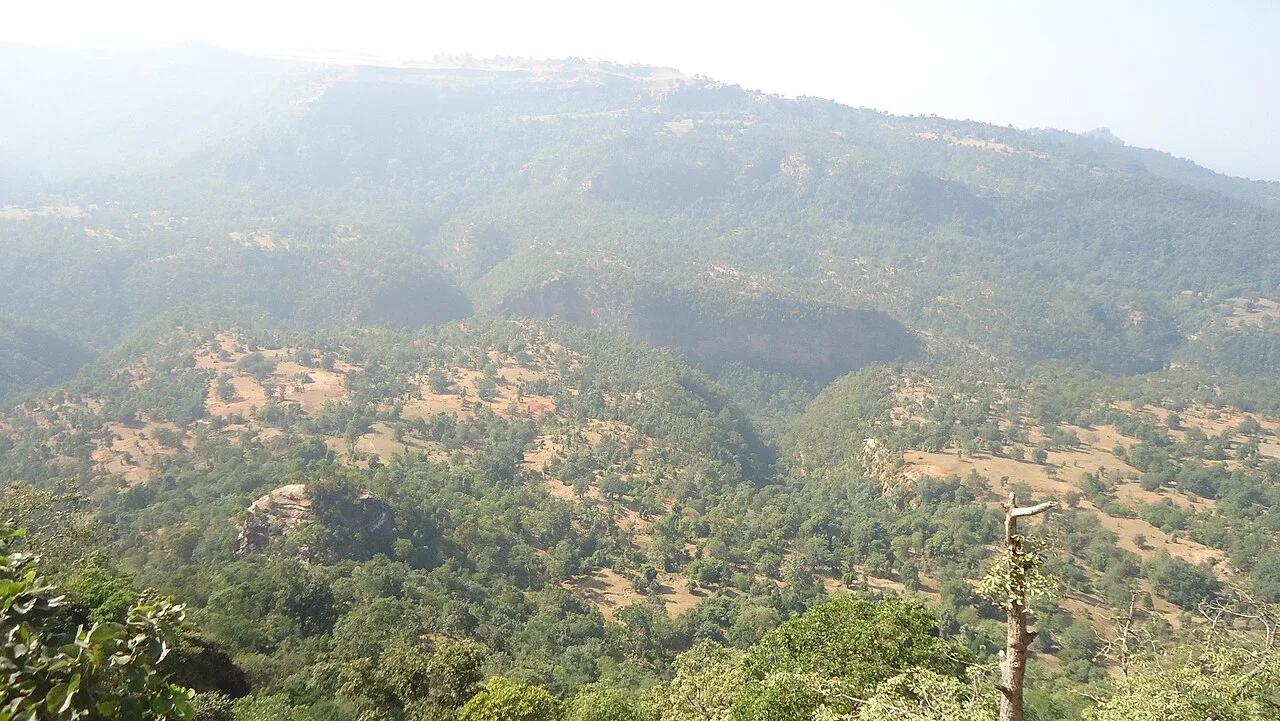
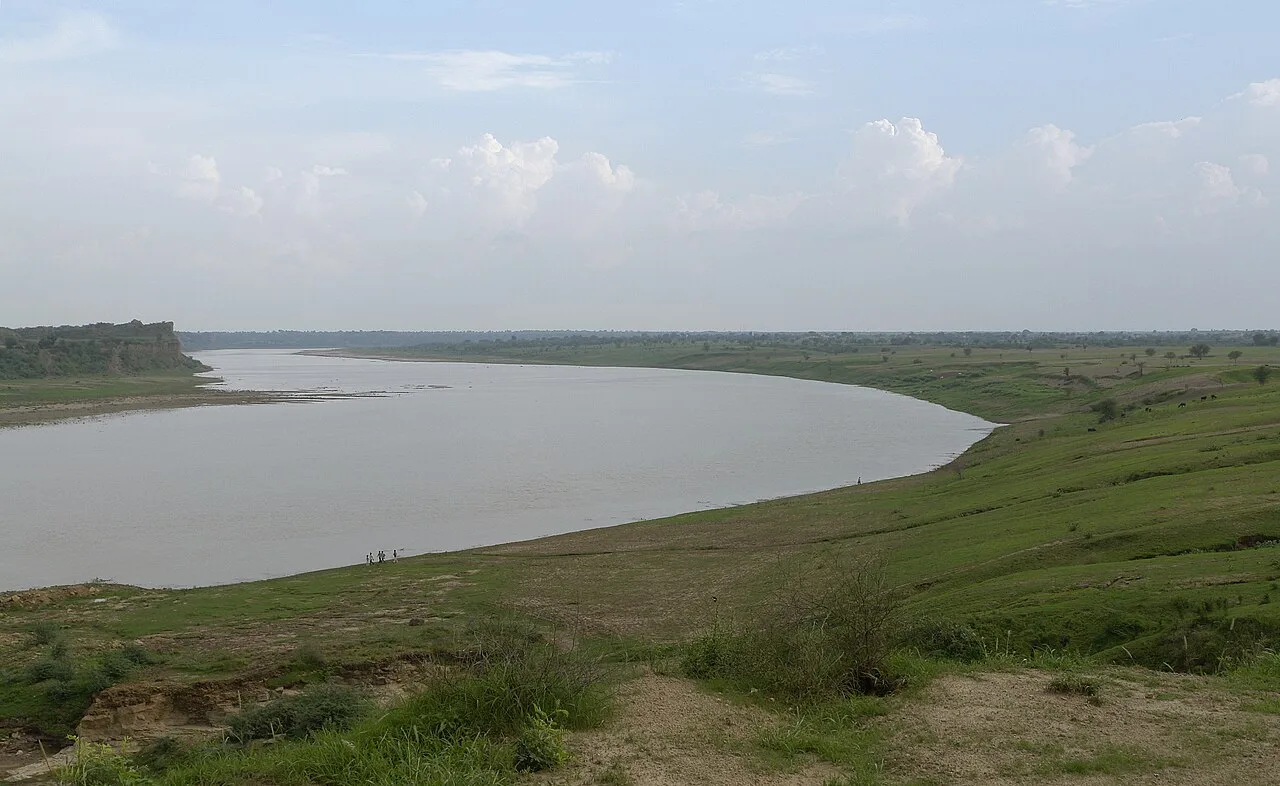
Madhya Pradesh is a large inland state shaped by plateaus, river valleys and forested hills. The Vindhya ranges and Malwa plateau define much of the west and centre, while the Satpura hills rise farther south. The Narmada runs west between the Vindhya and Satpura ranges, passing important landscapes and towns including the marble gorge near Jabalpur and the riverfront at Maheshwar. The Tapti flows west through the southern part of the state. The Chambal and Betwa drain northern and eastern areas, and the Son rises in the eastern highlands. There is no coastline; instead, reservoirs, rivers and lakes, including Bhopal’s Bhojtal, shape many local landscapes.

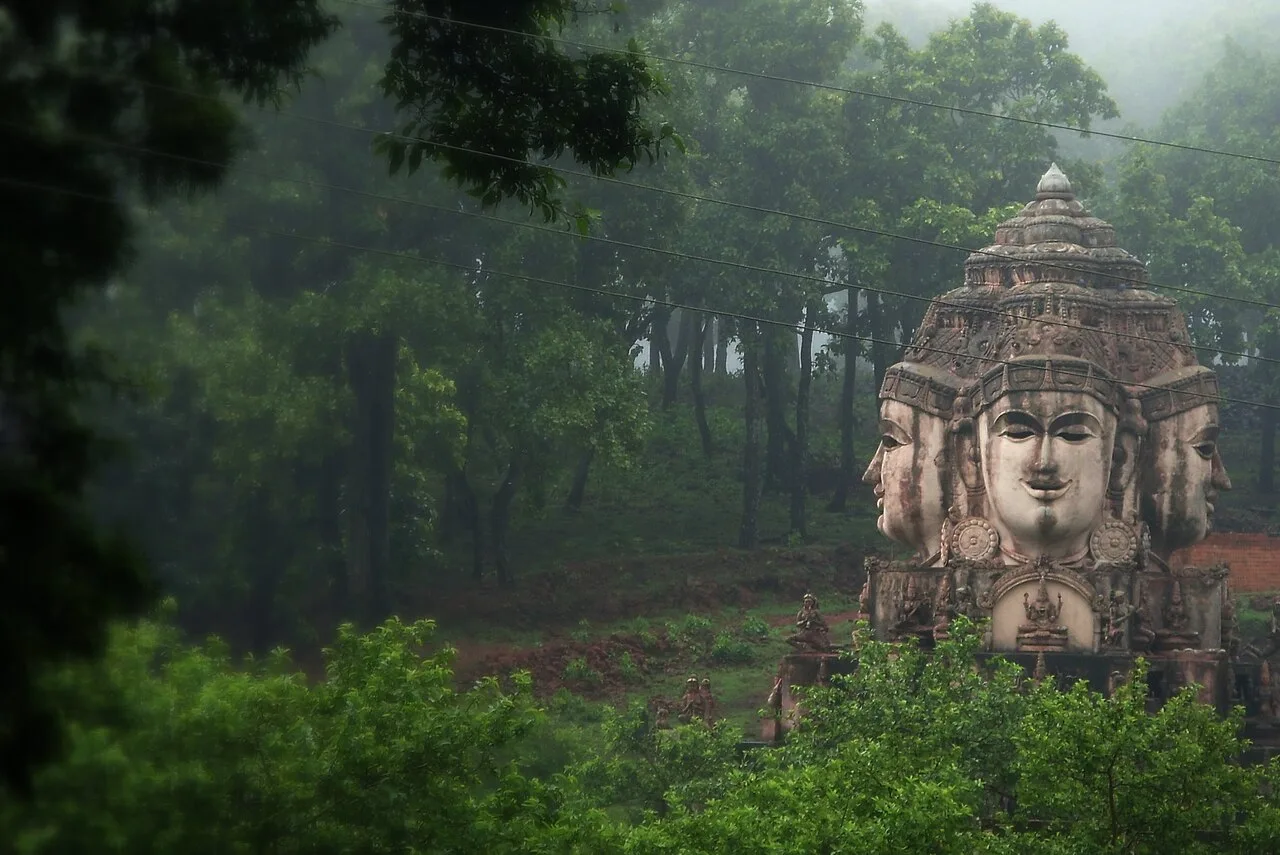
Forests support a varied mix of teak, sal and dry deciduous woodland, with grasslands and riverine habitat in some protected areas. These environments underpin tiger reserves such as Kanha, Bandhavgarh and Satpura, as well as the region around Pench. Elevation, rainfall and vegetation differ across the state: the east and south are generally greener, while parts of Malwa and the north can look drier, especially before the rains. Summers, broadly from March to June, are hot, with especially high daytime temperatures in many lowland cities. The monsoon usually arrives around June and continues into September, bringing refreshed vegetation but sometimes disrupting road travel. Winters are cooler and often pleasant, especially from November to February; nights can be cold in forest and hill areas.

History & heritage

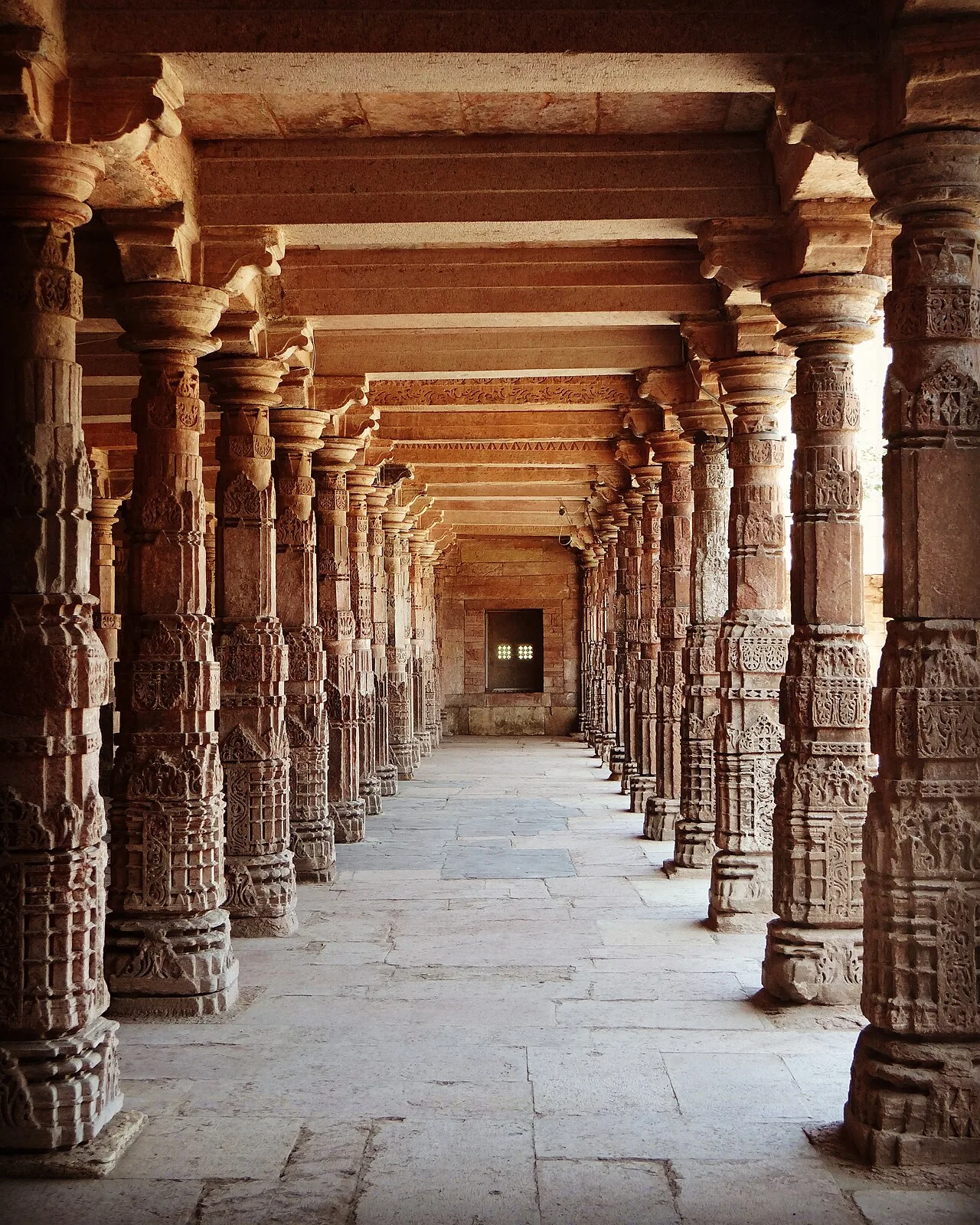
Madhya Pradesh contains evidence of human settlement across many periods, from prehistoric rock art and early agricultural communities to major urban and religious centres. The Narmada valley has been important to archaeology and movement across central India. In the ancient era, parts of the region came under the Mauryas and later the Guptas, while Buddhist institutions flourished at sites such as Sanchi. The Udayagiri caves and the Heliodorus pillar near Vidisha preserve evidence of early religious and political exchange. The medieval landscape was shaped by several powers rather than a single continuous kingdom. The Chandela rulers built the celebrated temples at Khajuraho; the Paramaras were associated with Malwa and King Bhoja; and Kalachuri, Tomar and other dynasties held territories at different times. Sultanate and Mughal influence left further layers of architecture and administration.

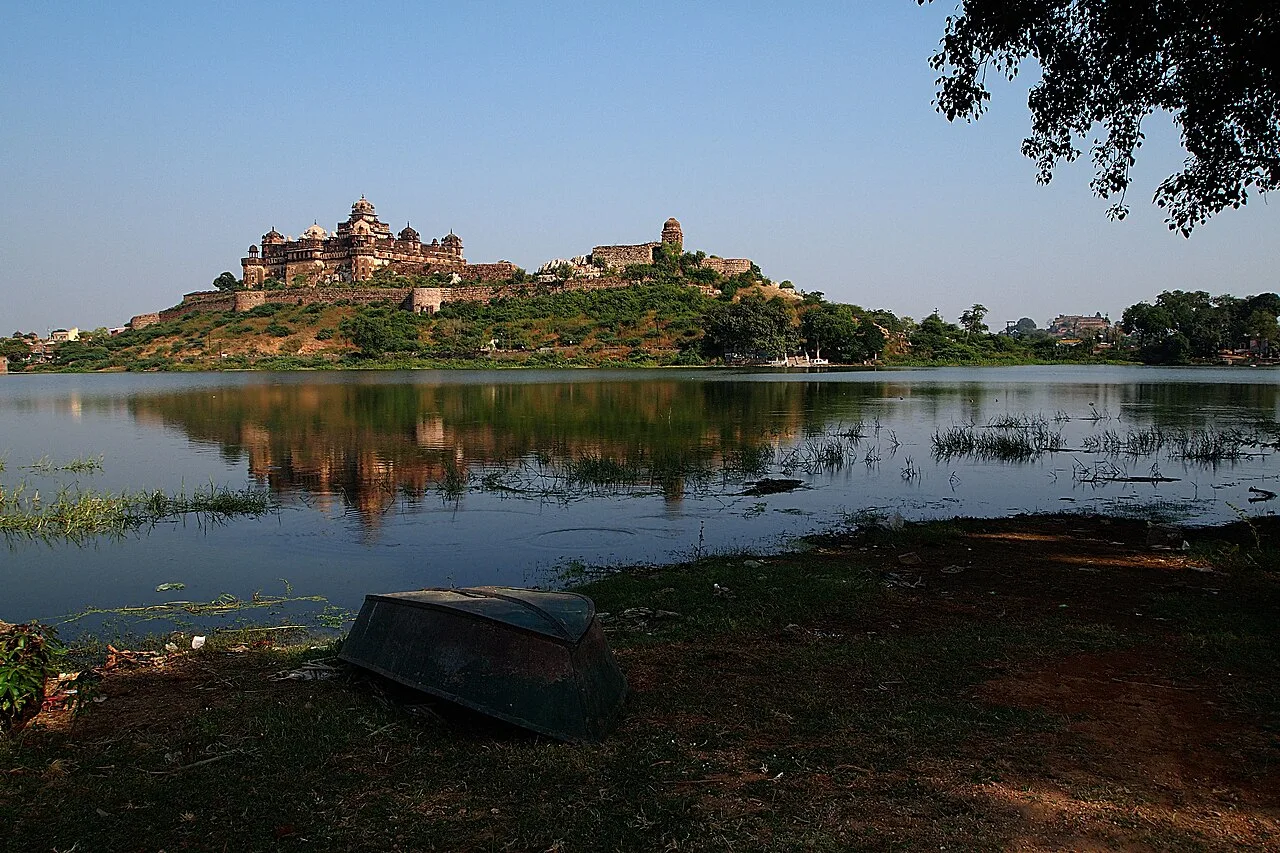
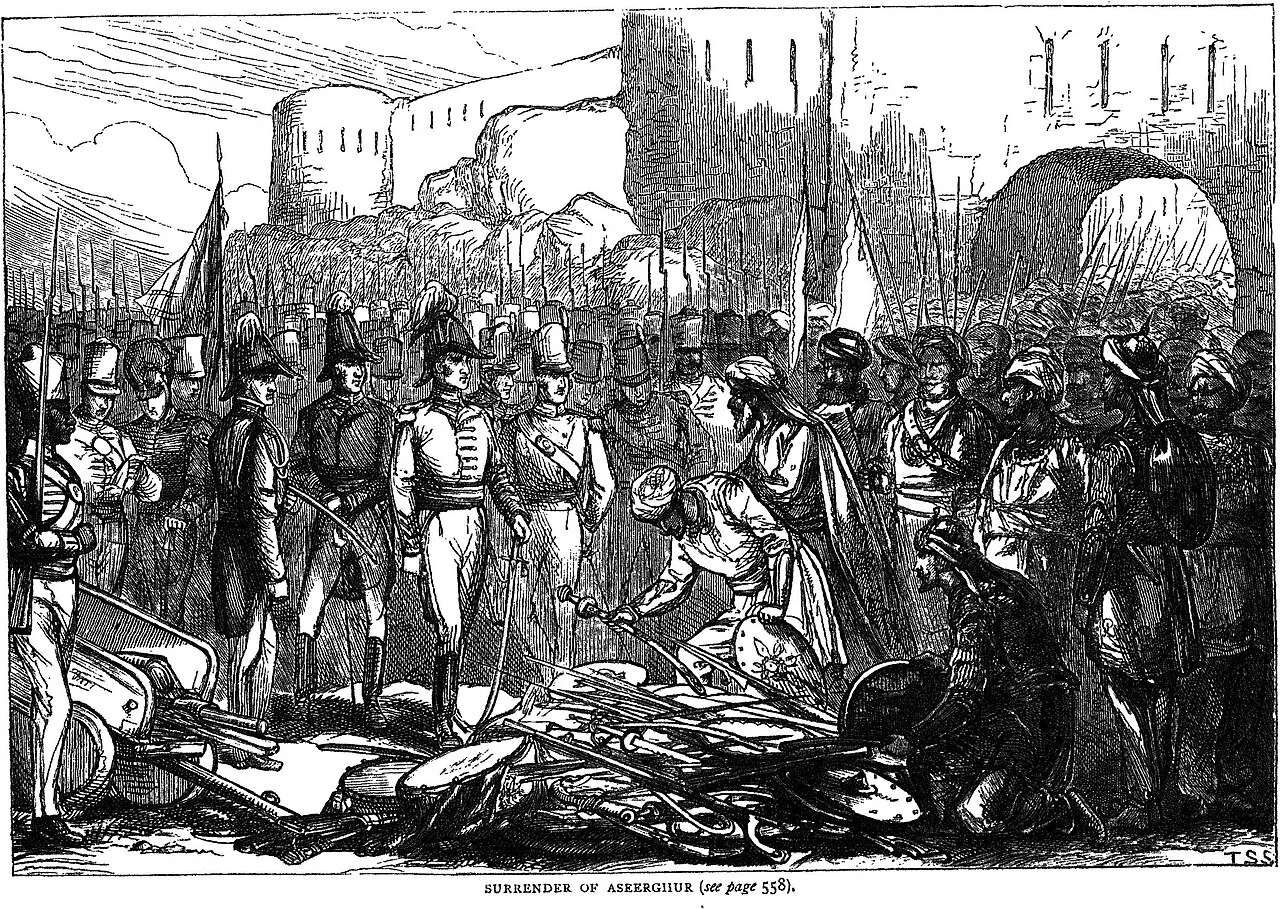
Later centres of power included the Bundela rulers of Orchha and the Maratha-ruled states of the Scindias at Gwalior and Holkars at Indore. Bhopal developed under a line of princely rulers that included women who governed as Begums. Under British rule, the region was divided among princely states and directly administered territories, including areas associated with the Central Provinces and Berar. These varied political histories explain why forts, palaces, temples, mosques and colonial-era buildings stand within the same modern state. Their stories are visible at the Orchha Fort complex, Jai Vilas Mahal, Datia Palace, Mandu and the Shahi Qila in Burhanpur.

After independence, the States Reorganisation Act created Madhya Pradesh in its modern form on 1 November 1956, bringing together several former administrative units. Bhopal became the capital. In 2000, the southeastern part of the state was separated to form Chhattisgarh. The present state therefore reflects both long regional histories and relatively recent administrative boundaries. Museums and archaeological sites, including Sanchi and the Rani Durgavati Museum in Jabalpur, help visitors place its many monuments in context.

Culture, people & festivals

Hindi is the principal language of public life, but everyday speech varies widely. Bundeli is heard in the Bundelkhand region, Bagheli in the northeast, Malwi across much of the west, and Nimadi along the Narmada valley. Bhili and Gondi are among the languages spoken in tribal communities, alongside many local varieties. Gond and Bhil communities have distinctive visual traditions and cultural histories, while urban centres such as Bhopal, Indore and Gwalior bring together people from across the state. Hindu, Muslim, Jain, Buddhist and other faith communities contribute to its religious and social life. Pilgrimage towns and historic shrines are important, but so are neighbourhood mosques, churches, monasteries and local festivals.

Music and dance range from classical performance to community and folk forms. The Khajuraho Dance Festival, usually held in February, presents Indian classical dance against the temple setting. The Tansen Samaroh in Gwalior, generally held in December, honours the Hindustani classical music tradition associated with the celebrated musician. Folk performance, including dances and songs of tribal communities, is often tied to seasonal gatherings, marriage celebrations and harvest periods; styles and occasions differ between regions. Navratri, Diwali, Holi and Eid are widely observed, with local customs shaping their expression. Ujjain’s Simhastha Kumbh is a major religious gathering held roughly every twelve years, rather than an annual event, so visitors should check the current official schedule before planning around it. The Lokrang festival in Bhopal is commonly associated with January and showcases folk and tribal arts.

Food & flavours

Madhya Pradesh’s food reflects its central location and the contrast between urban kitchens, farming regions and tribal areas. In Indore, a classic breakfast of poha with jalebi balances savoury flattened rice with a sweet, crisp accompaniment; sev, onions, coriander and lemon may be added to the poha. The city’s Sarafa Bazaar is known for evening street food, though the range and availability of stalls can vary. Bhopal has a strong culinary heritage shaped by its historic courtly culture, with richly seasoned meat dishes and breads alongside vegetarian options. Across the state, wheat-based rotis and rice are everyday staples, accompanied by pulses, vegetables, curd and chutneys.

Dal bafla is one of the best-known regional meals: baked or roasted wheat dough is served with lentils and often finished with ghee. It is related to, but distinct from, Rajasthan’s dal baati. Rural and tribal cooking may make greater use of local grains, forest produce and seasonal ingredients, with dishes differing from one community to another. In Bundelkhand and other drier areas, meals often rely on durable grains and pulses, while river and farming regions offer their own seasonal produce. Sweets include malpua, laddus and local milk-based preparations; savoury snacks such as sev are popular in many towns. Recipes vary from household to household, so tasting regional food is as much about local habits as fixed state-wide specialities. Visitors with dietary needs should ask about ingredients and preparation, particularly where dishes are cooked with ghee, nuts or meat.
Crafts, textiles & what to buy

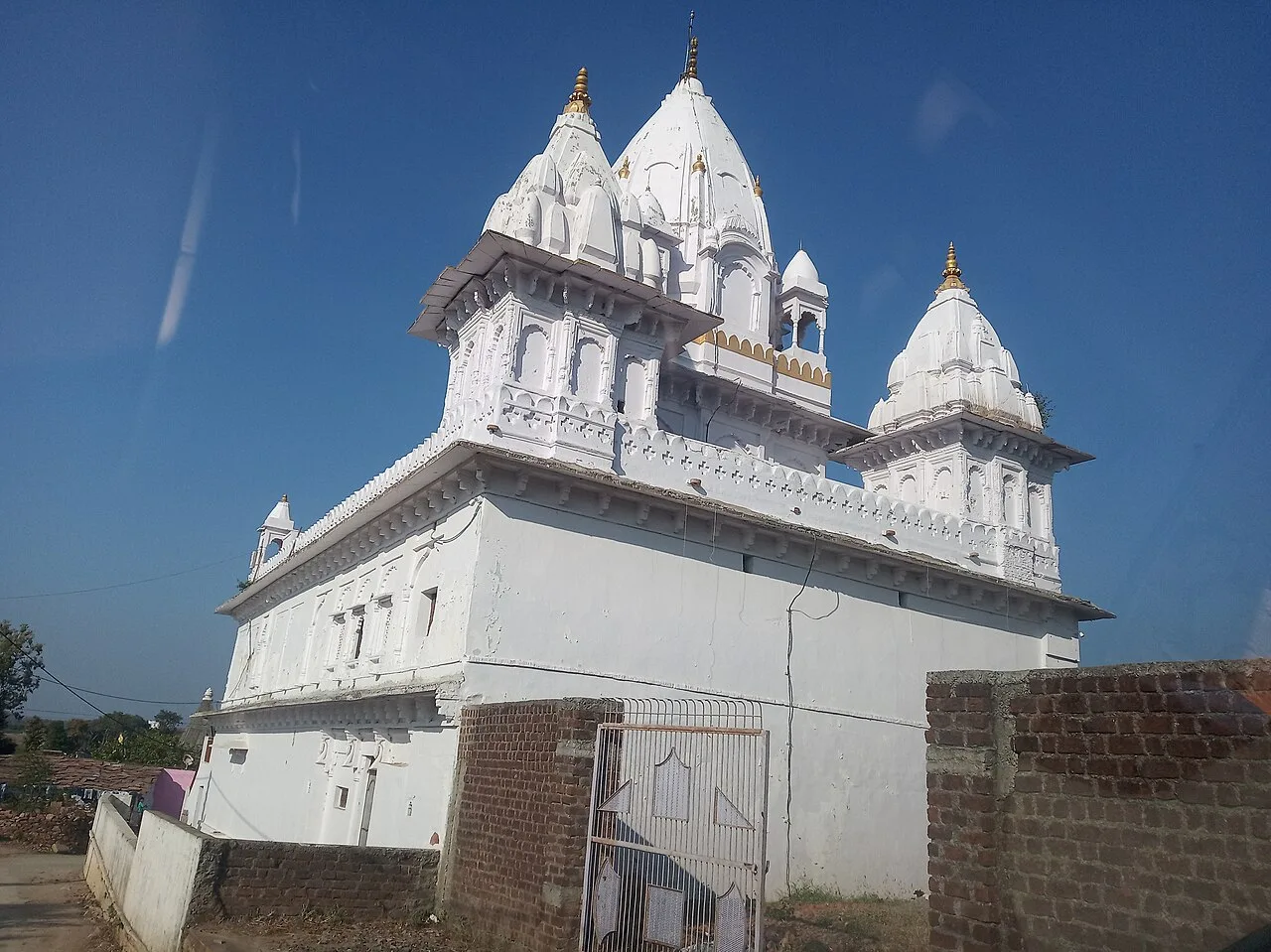
The state’s craft traditions are closely tied to particular towns and communities. Chanderi, in Ashoknagar district, is known for lightweight silk and cotton sarees with fine borders and traditional motifs. Maheshwar, on the Narmada, has a long weaving history and is especially associated with distinctive sarees and fabric. Bagh, in Dhar district, is renowned for hand-block printing on cloth using carved wooden blocks and carefully prepared natural and mineral colours. Chanderi sarees, Maheshwari sarees and Bagh prints have geographical indication recognition, linking these named products to their regional traditions. When buying, ask about the maker, materials and production method, as machine-made imitations may be sold alongside hand-produced work.

Gond painting is another widely recognised art form, with artists using rhythmic lines, dots and patterns to depict animals, plants, stories and everyday life. Its styles and practices are not limited to a single shop or tourist centre, and contemporary artists interpret the tradition in varied ways. Visitors may also encounter bamboo work, metal objects, pottery, wood carving, leather goods and painted souvenirs, with availability differing by region. Look for craft emporia, cooperative outlets and workshops where makers can explain how an item is produced. Buying directly from an artisan or a reputable craft seller can help support the people sustaining these skills. Textiles and compact art pieces travel more easily than bulky objects, but check airline and customs rules if carrying items onward internationally.
Getting there & getting around

Madhya Pradesh can be reached by air, rail and road, with Bhopal serving as a central gateway. Raja Bhoj Airport serves Bhopal, while Devi Ahilya Bai Holkar Airport serves Indore. Airports at Jabalpur, Gwalior and Khajuraho provide additional access, though routes and connections vary by season and airline. Major rail junctions include Bhopal, Indore, Jabalpur, Itarsi in Narmadapuram district, Katni and Gwalior. Itarsi is an important connecting point for journeys across central India. Check current airline and rail services before fixing an itinerary, as connections and schedules can change.

The road network links major cities and heritage destinations, with National Highway 44 forming a major north-south route through the region. Other important corridors include NH 46, NH 52, NH 47 and NH 30; route alignments and conditions should be checked for the intended journey. State highways and local roads connect smaller towns, temples, parks and craft centres. For longer distances, travellers commonly combine rail or air with a hired car, bus or taxi. Within cities, taxis, auto-rickshaws and app-based services may be available, but coverage differs. A private vehicle can be useful for reaching dispersed monuments or park gates, while guided local transport can simplify visits to sites with several separate stops. National parks generally have designated entry points and regulated visitor arrangements; confirm current access details with park authorities or official booking channels. Allow extra time for rural roads and avoid planning too many distant destinations in one day.

When to go & travel tips

For most heritage circuits and city visits, November to February brings the most comfortable daytime conditions, although winter nights can be chilly. The forests are lush after the monsoon, while wildlife viewing conditions and park access vary by reserve and season; check each park’s current visitor information before choosing dates. March to May can be very hot, particularly in lowland cities, but some travellers prefer this period for particular wildlife itineraries. Monsoon travel can be rewarding for scenery, yet heavy rain may slow road journeys. Conditions in the Satpura hills and eastern forests can differ from those on the Malwa plateau, so pack for the places on your route rather than relying on one statewide forecast.

Carry sun protection, a refillable water bottle, comfortable walking shoes and modest layers for cool mornings and evenings. In summer, a hat and light clothing are useful; during the rains, bring a rain jacket and footwear with grip. Dress respectfully at religious sites, follow local instructions about photography and remove footwear where requested. Do not touch or climb fragile monuments, and ask permission before photographing people. In forests, keep a respectful distance from wildlife, remain quiet and follow guides and park rules. Permits and advance reservations can apply to particular protected areas or activities, but rules differ; confirm requirements through official park or tourism channels before travel. Use reputable transport, keep valuables secure and carry necessary medicines, especially when travelling between smaller towns.

Highlights

Where to begin

City by city

Cities & hubs of Madhya Pradesh

Every sight is grouped under its city — places within about 12 km together, day trips within 40 km alongside — even across district lines. Open a city to see its attractions.

See every city, town and village of Madhya Pradesh

Bharat Bhavan
Bhopal6 places to see

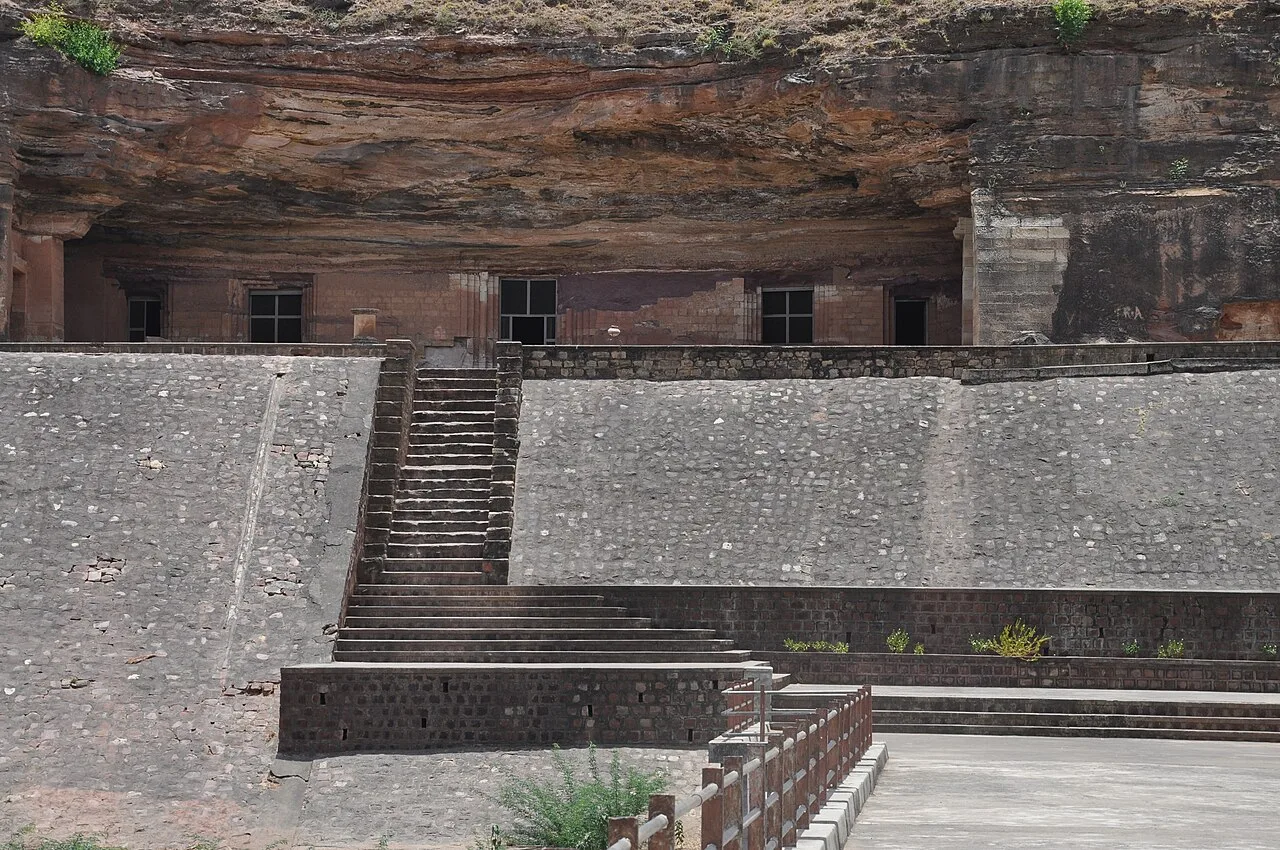
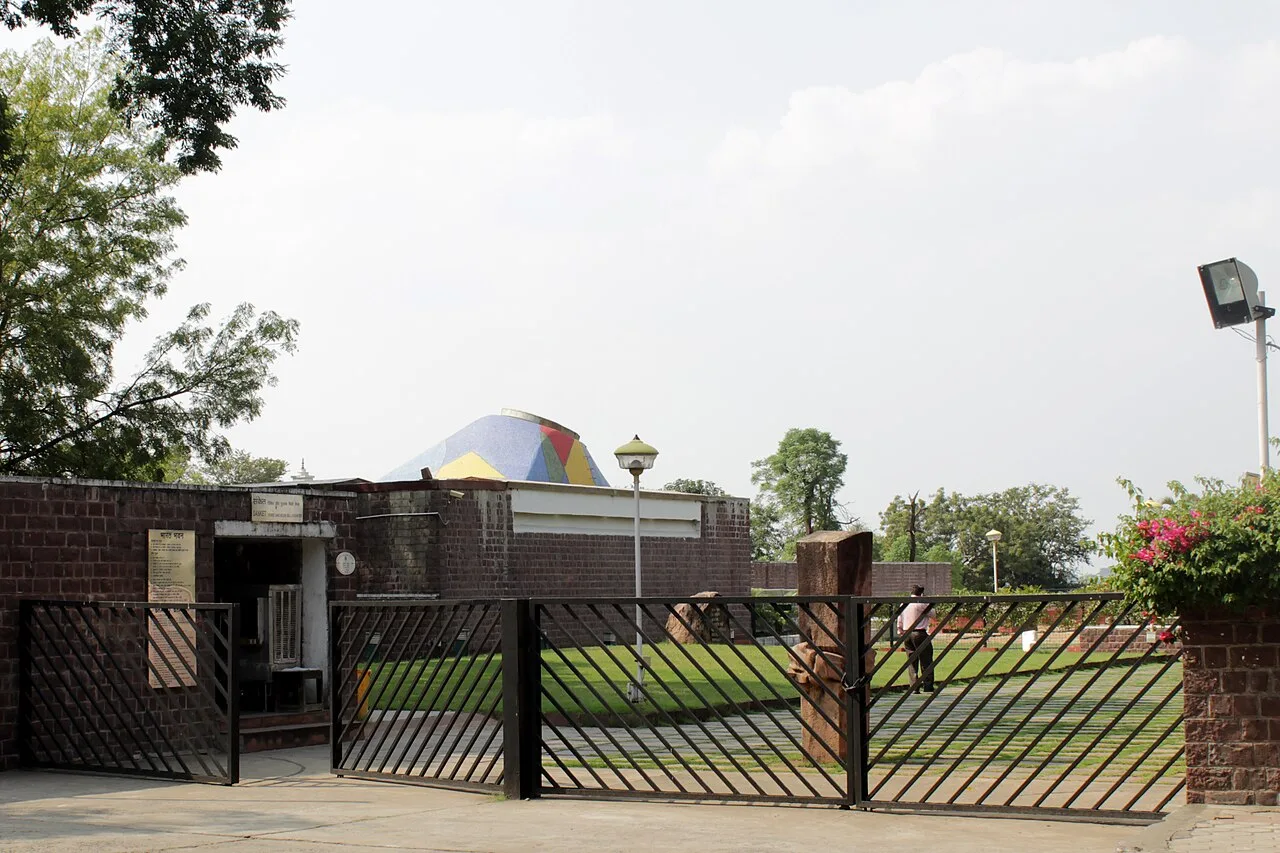
Bharat Bhavan · Bhoj Wetland, Bhopal · Bhojtal · Islamnagar

Gwalior Fort
Gwalior4 places to see

Gwalior Fort · Jai Vilas Mahal · Sasbahu Temple · Teli ka Mandir

Kanch Mandir
Indore4 places to see

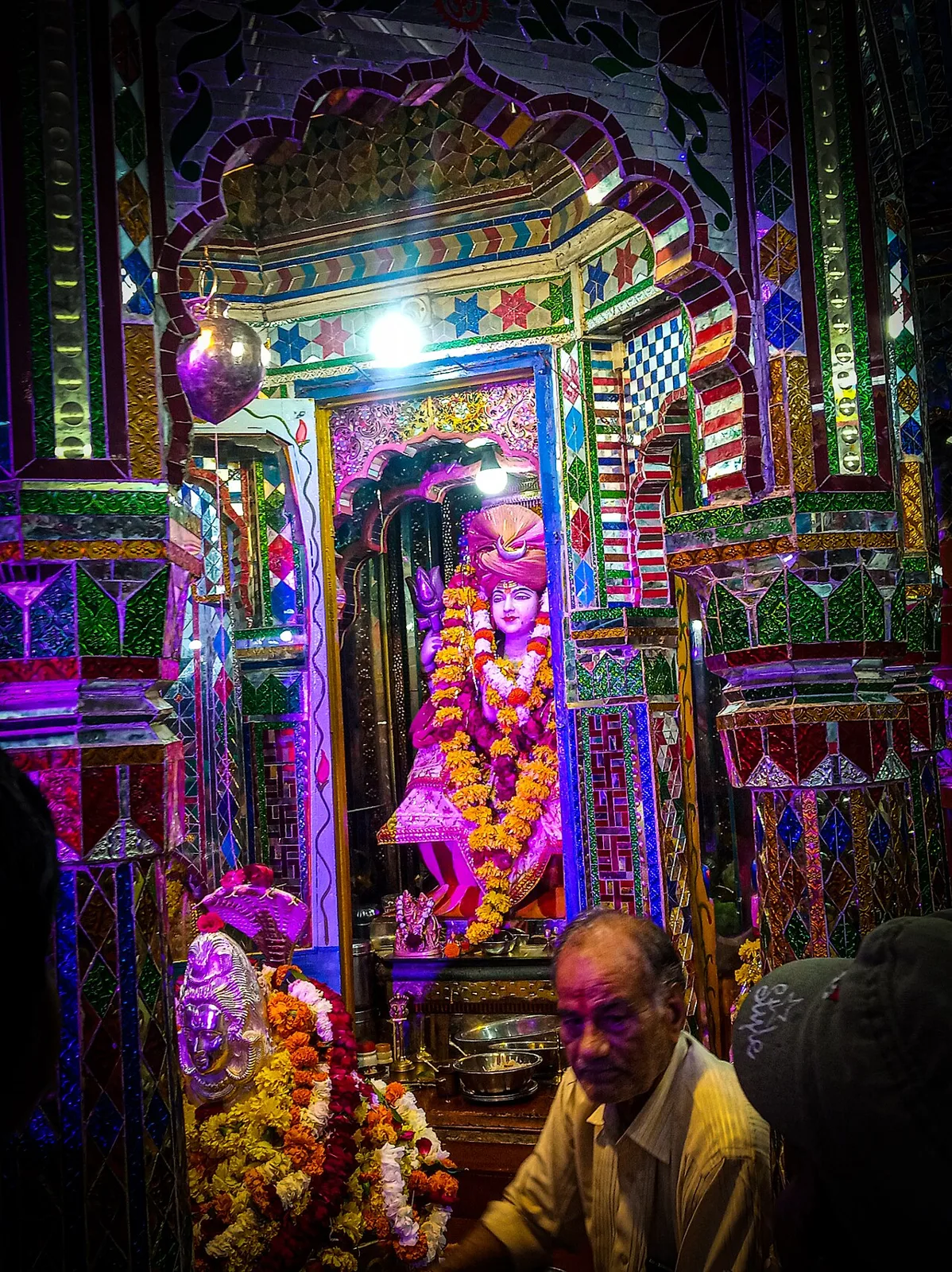
Kanch Mandir · Rajwada · Ralamandal Wildlife Sanctuary · Sarafa Bazaar

Bhedaghat
Jabalpur4 places to see

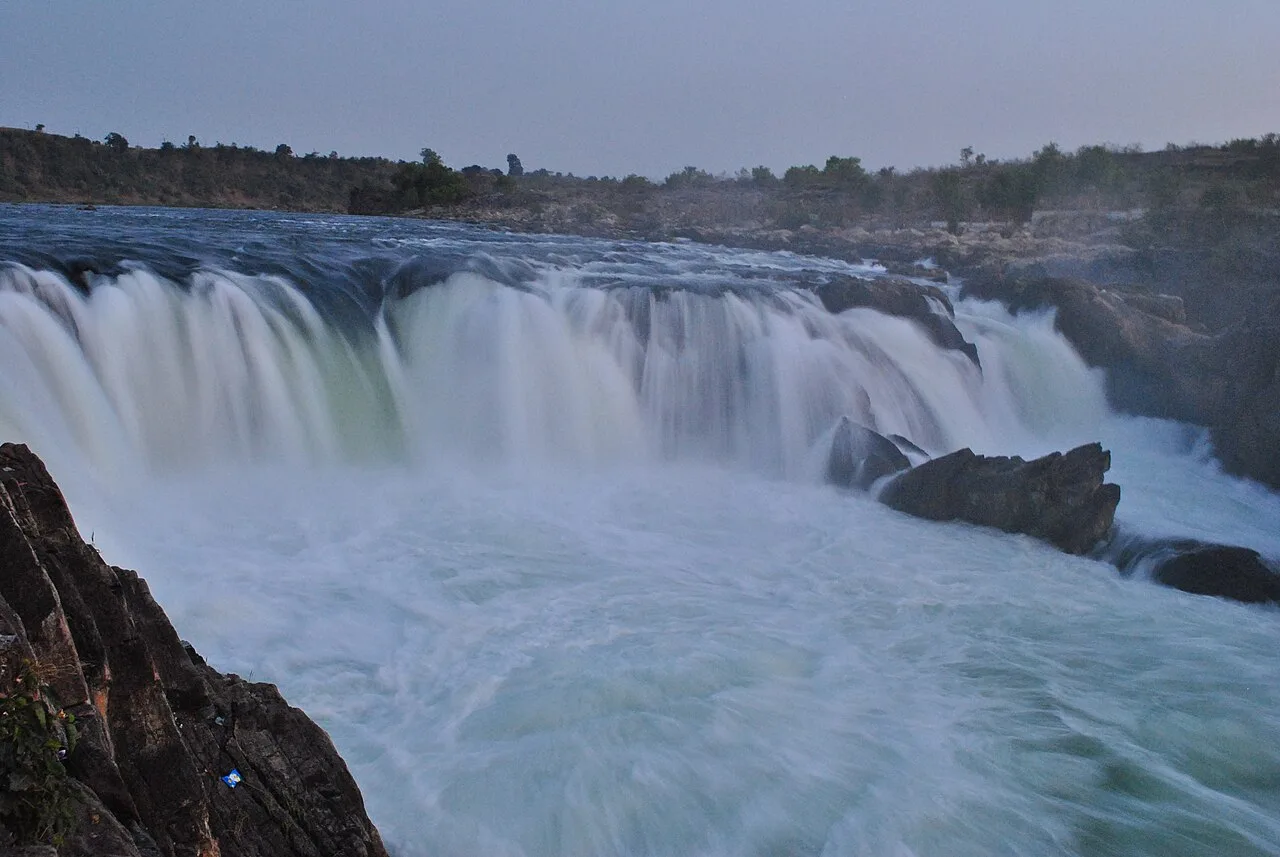
Bhedaghat · Dhuandhar Falls · Madan Mahal · Marble Rocks

Orchha
Orchha4 places to see

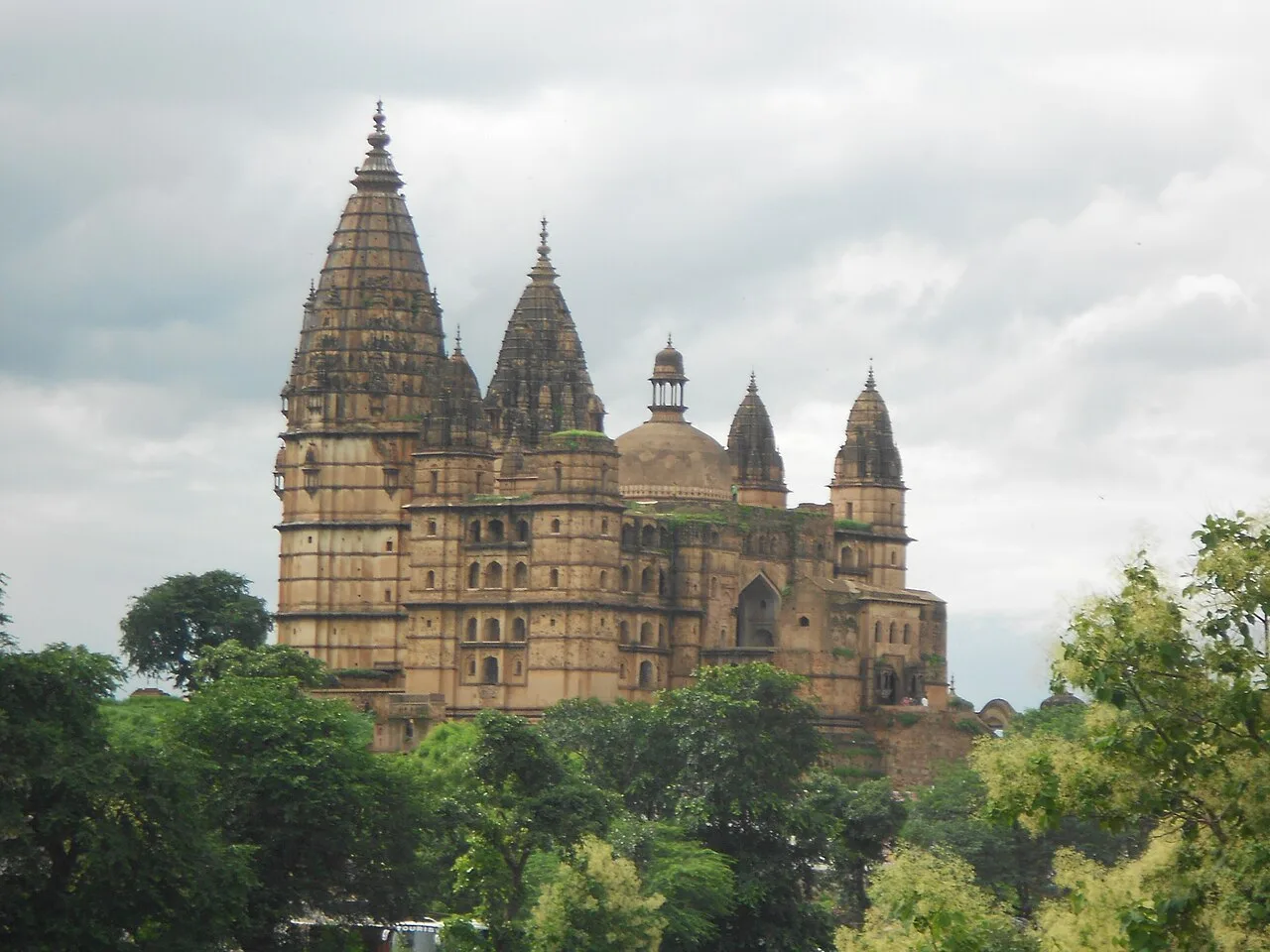
Orchha Fort · Orchha Wildlife Sanctuary · Ram Raja Temple

Dhupgarh Peak
Pachmarhi4 places to see

Dhupgarh Peak · Jatashankar · Pachmarhi Hill Station · Satpura Tiger Reserve

Heliodorus pillar
Sanchi4 places to see

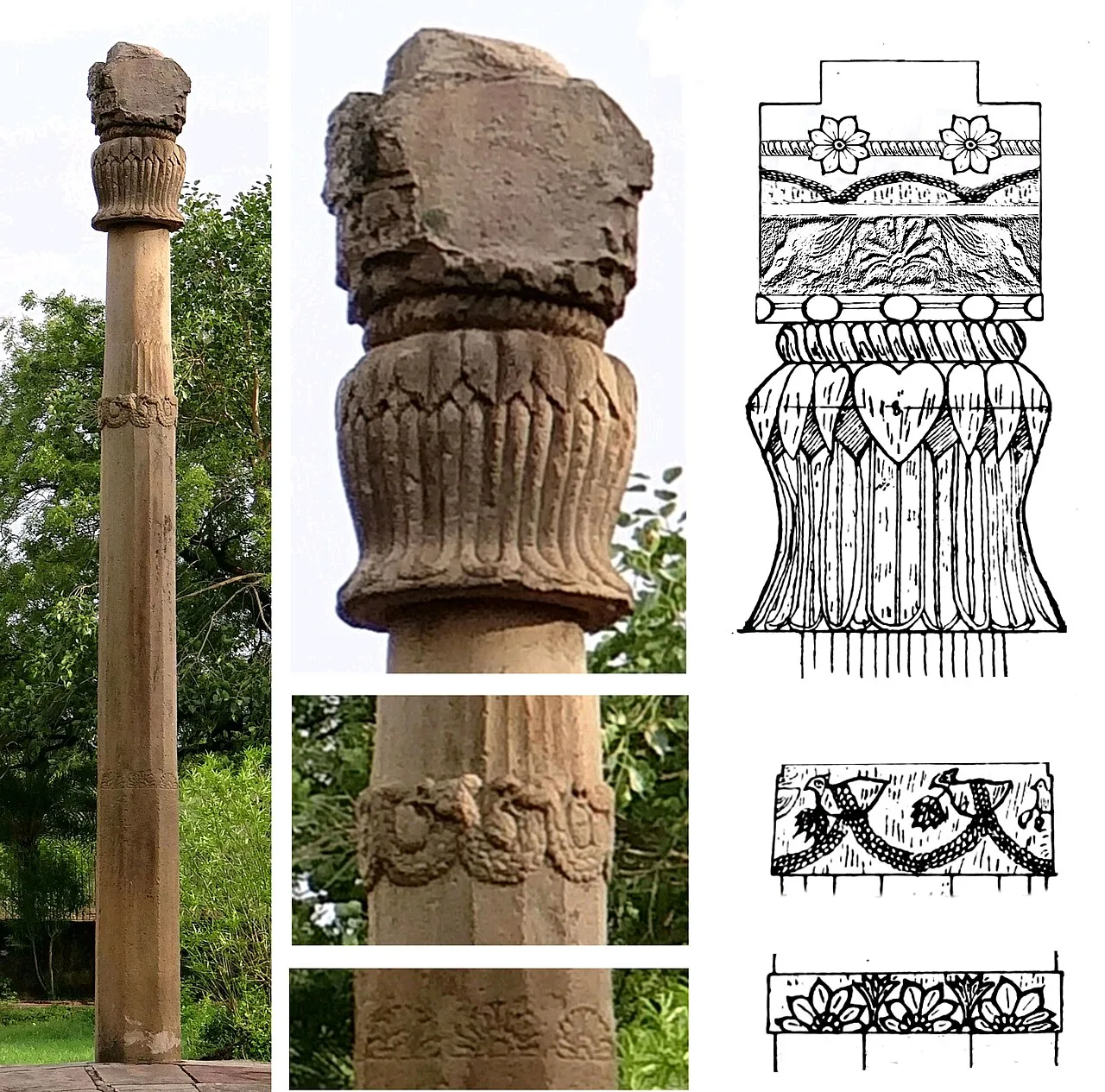
Heliodorus pillar · Sanchi Stupa · Sanchi Stupa No. 2 · Udayagiri Caves

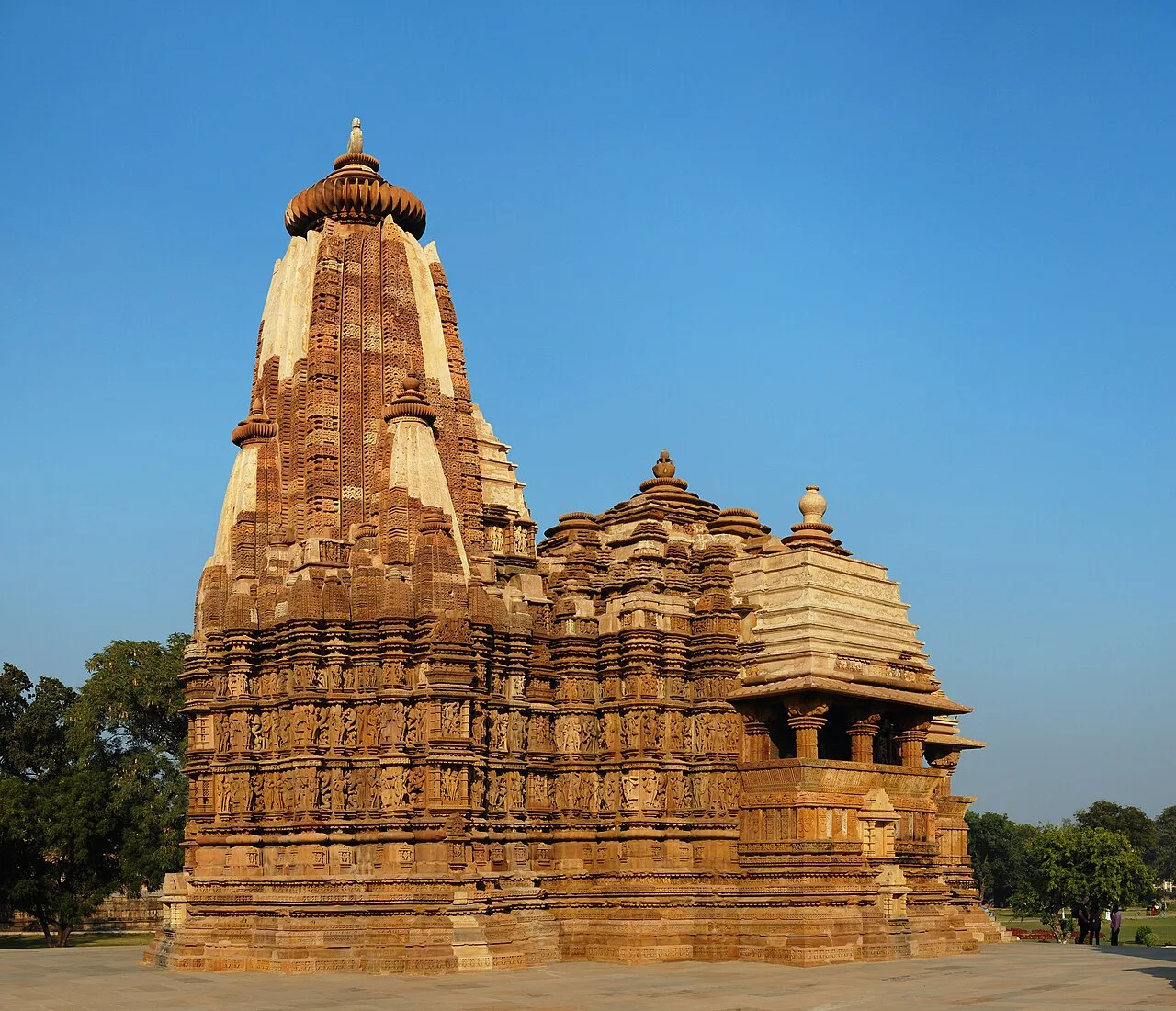
Khajuraho Temples
Khajuraho3 places to see

Khajuraho Temples · Panna National Park · Raneh Falls

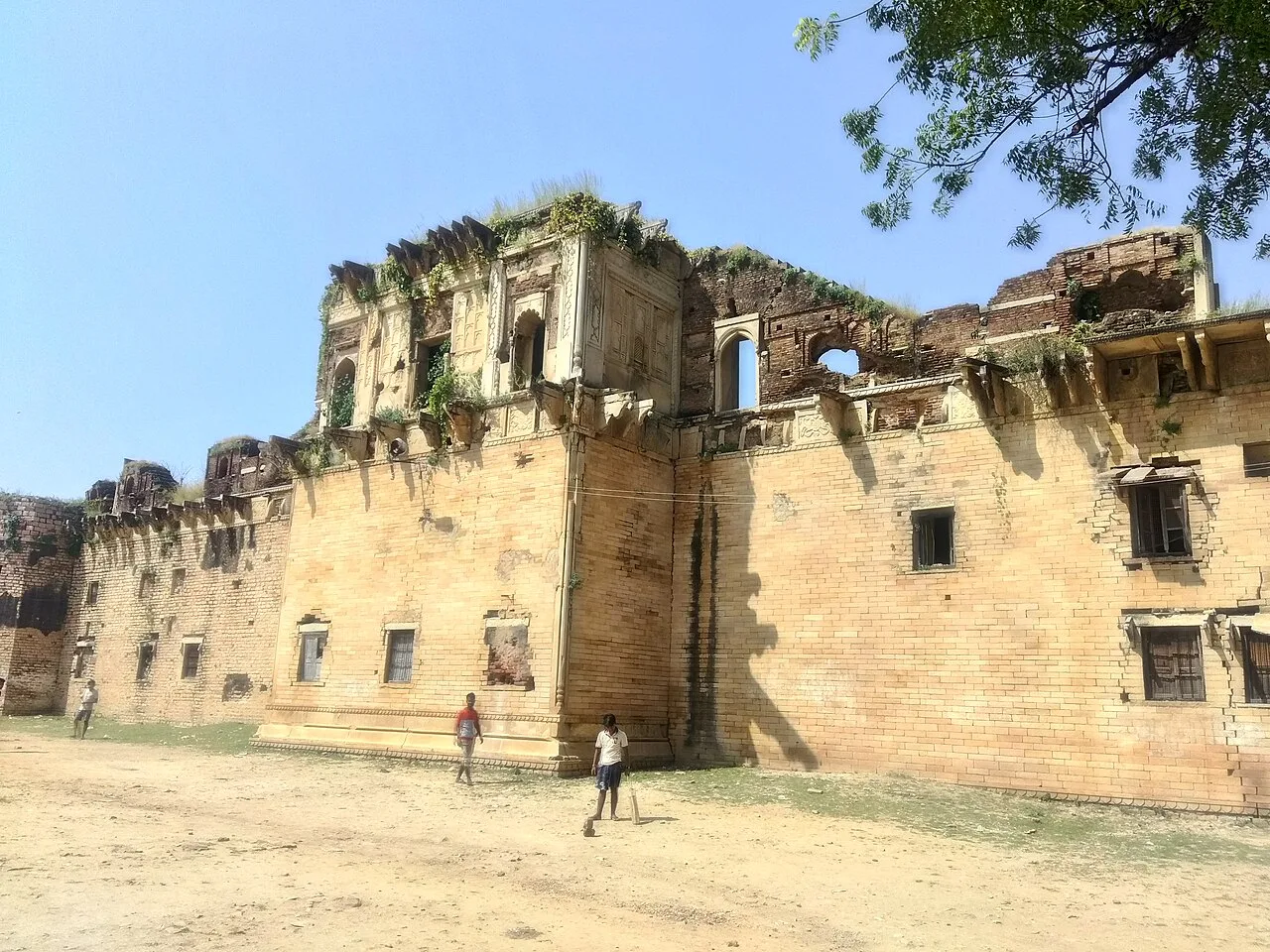
Gohad Fort
Gohad2 places to see

Gohad Fort · Chausath Yogini Temple

Bagh (Bagh Print Village)
Kukshi2 places to see

Bagh (Bagh Print Village) · Bagh Caves

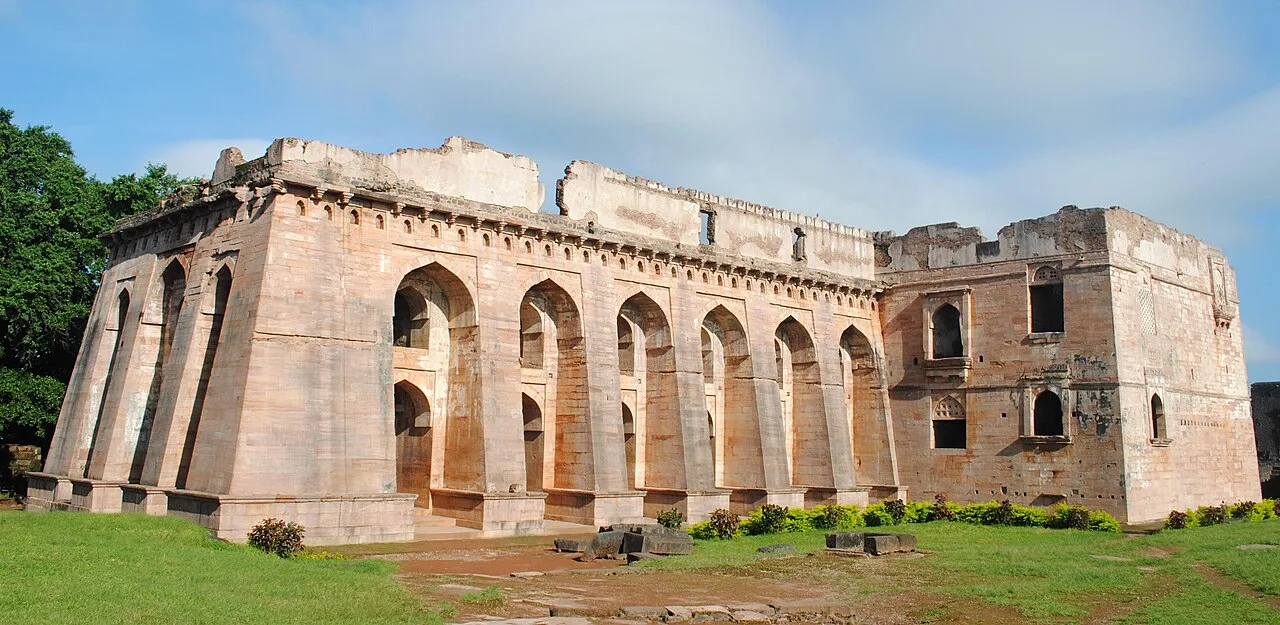
Hindola Mahal, Mandu
Mandu2 places to see

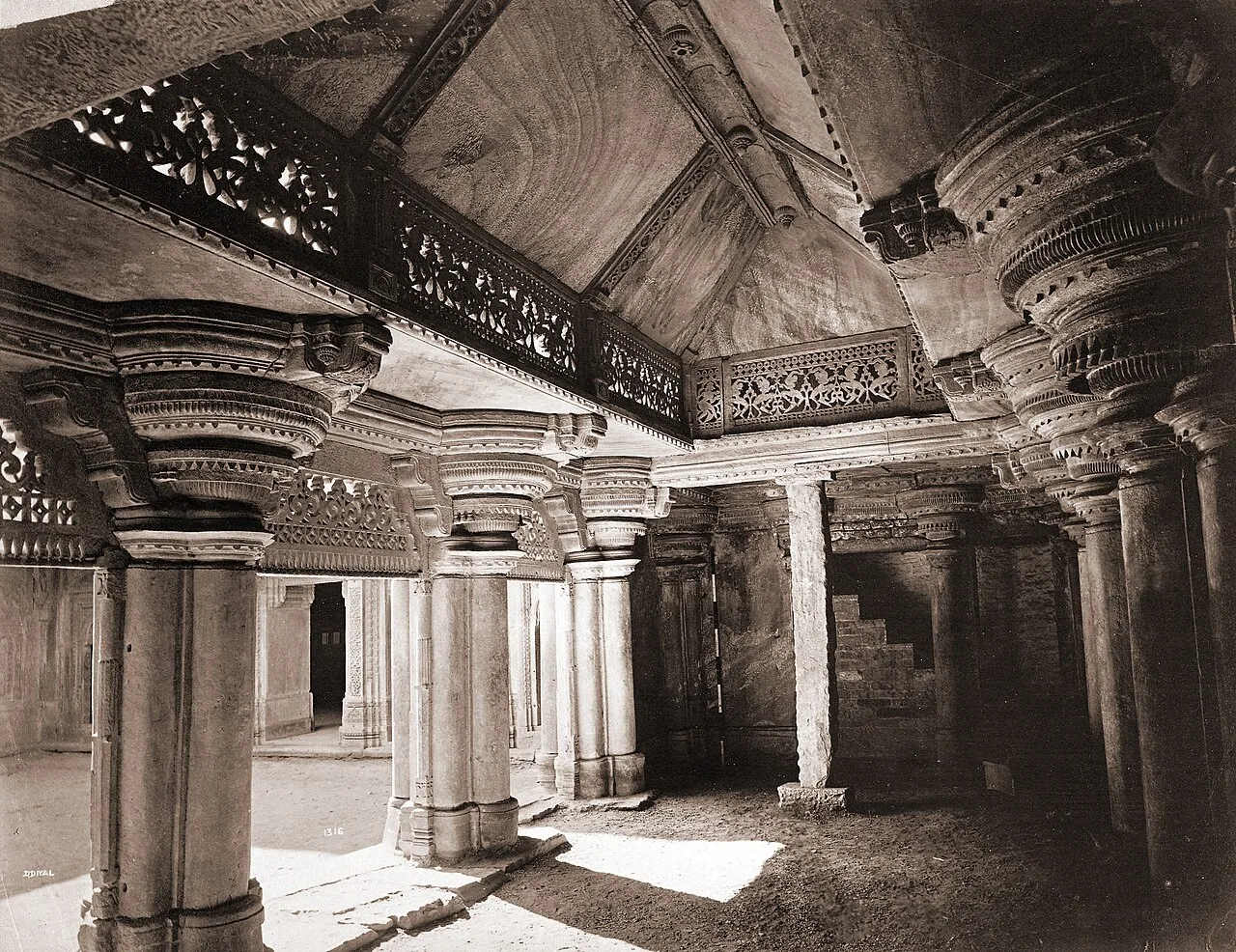
Hindola Mahal, Mandu

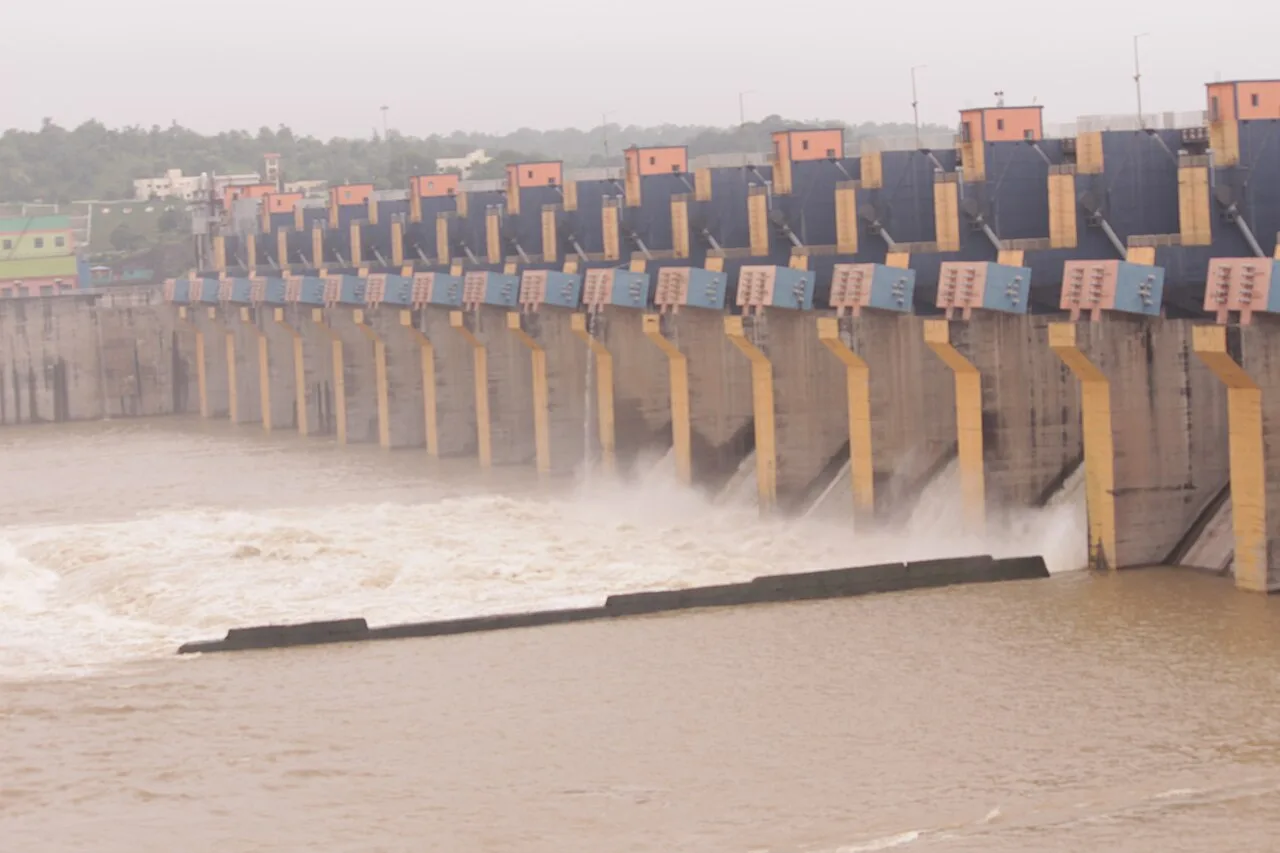
Omkareshwar Dam
Omkareshwar2 places to see

Omkareshwar Dam · Omkareshwar Temple

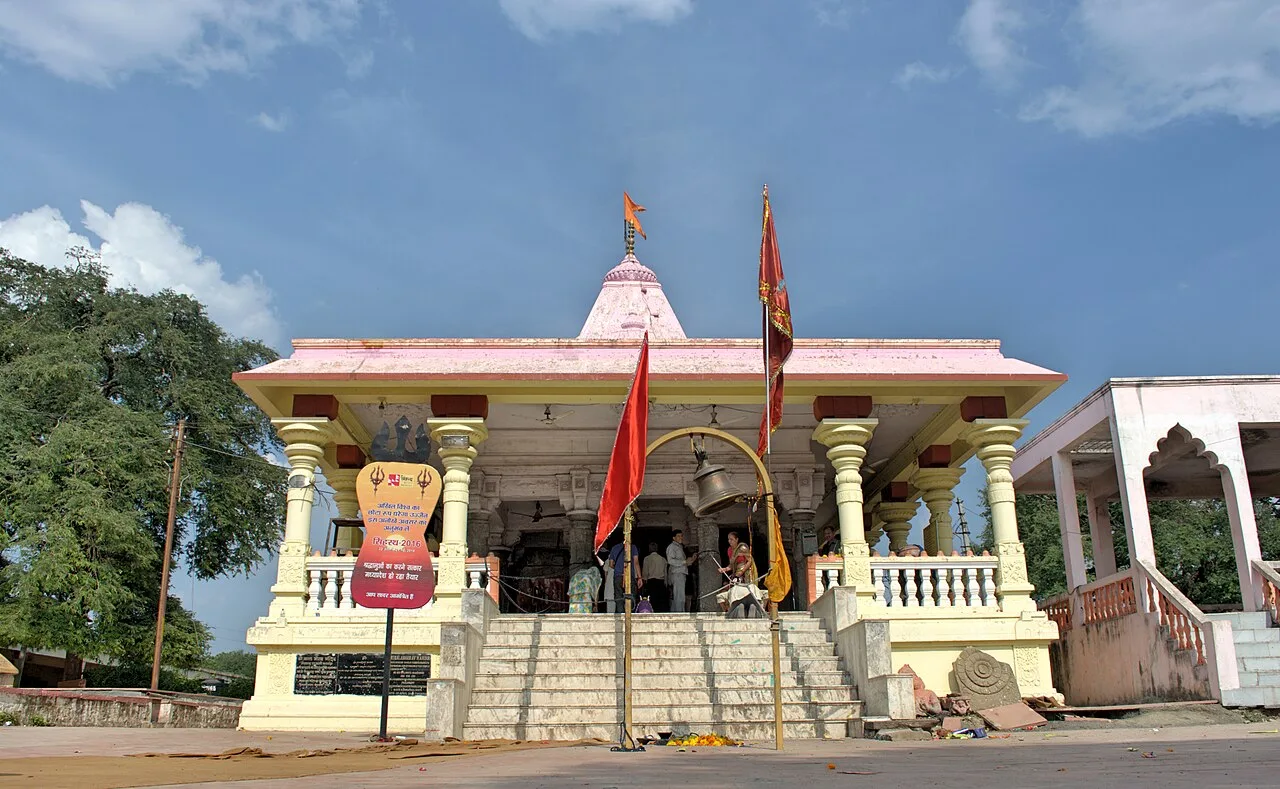
Kal Bhairav Temple
Ujjain2 places to see

Kal Bhairav Temple · Mahakaleshwar Jyotirlinga

Bandhavgarh Fort
Umaria2 places to see

Bandhavgarh Fort · Bandhavgarh National Park

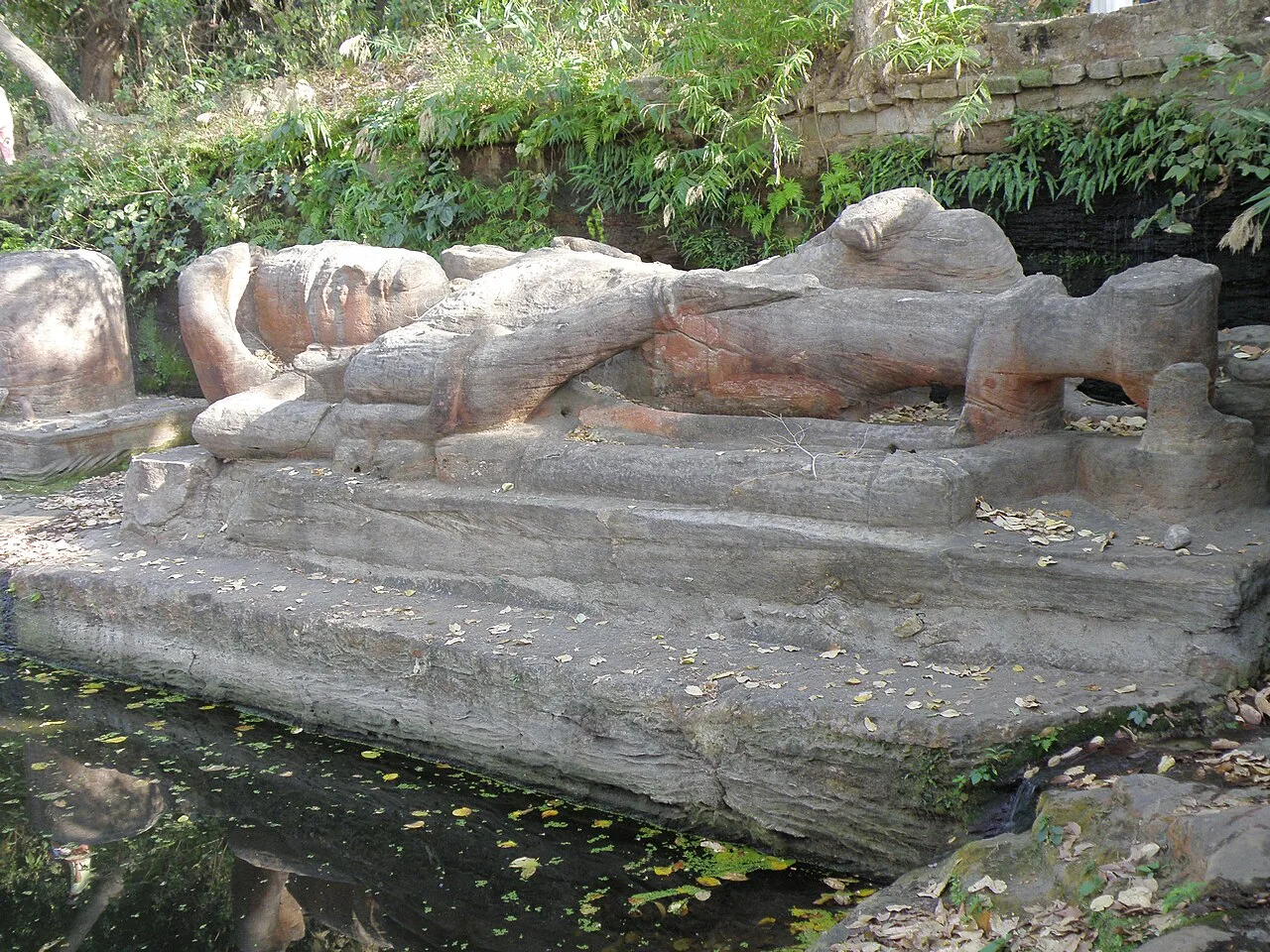
Amarkantak
Amarkantak1 place to see

Sights in and around Amarkantak

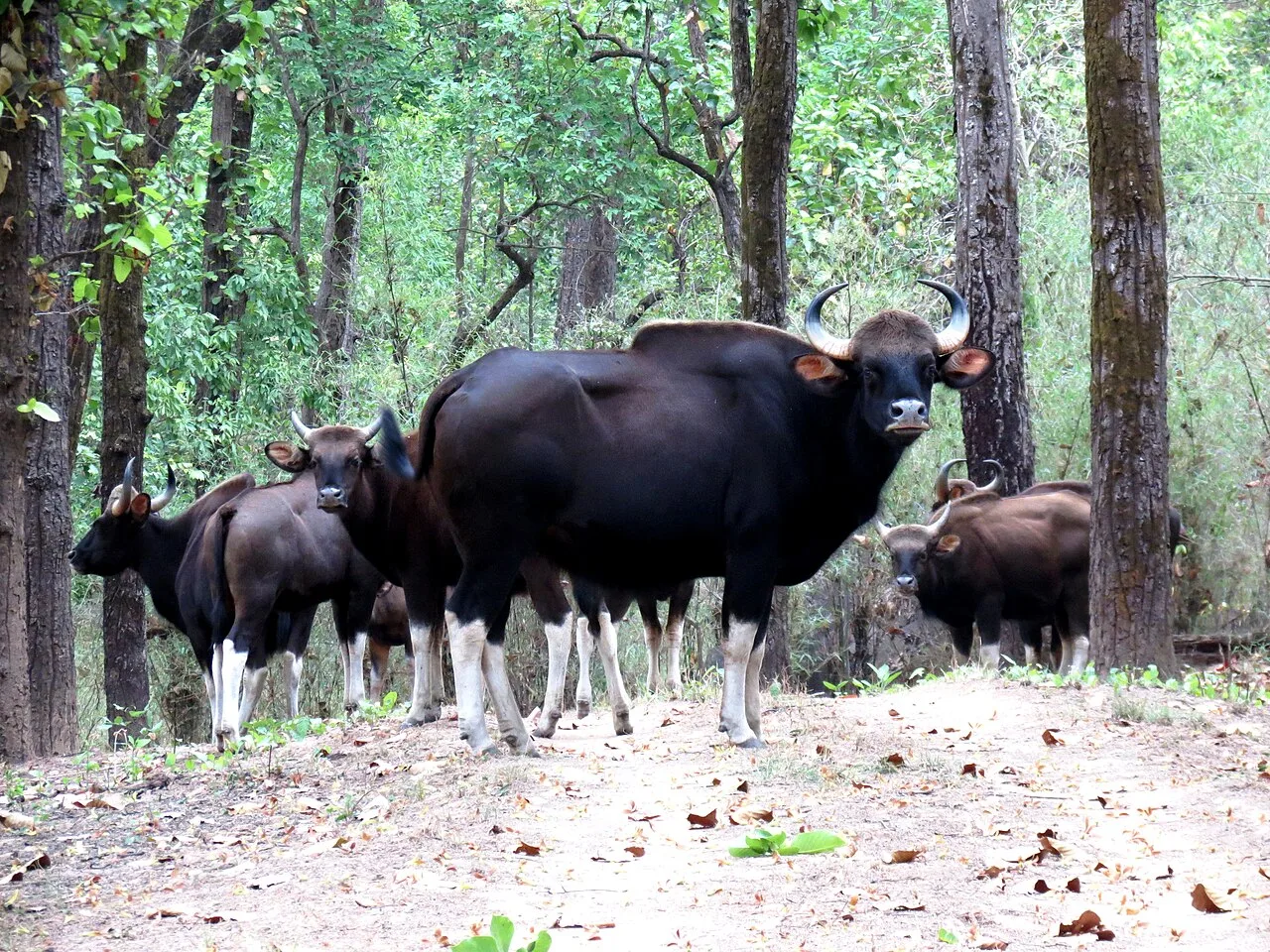
Kanha Tiger Reserve
Baihar1 place to see

Kanha Tiger Reserve

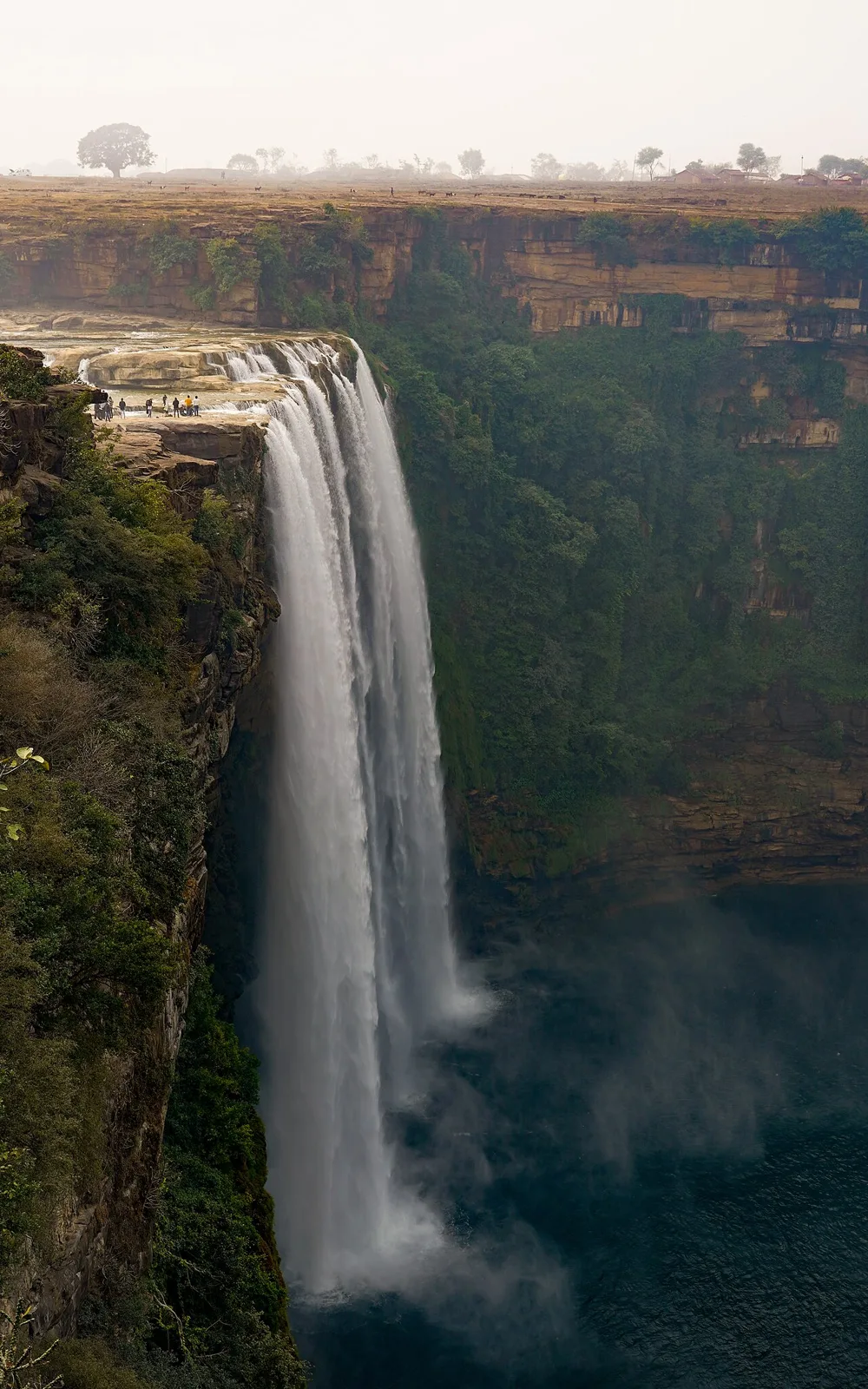
Keoti Falls, Rewa
Baikunthpur1 place to see

Keoti Falls, Rewa

Muktagiri
Bhainsdehi1 place to see

Muktagiri

Chitrakoot
Birsinghpur1 place to see

Chitrakoot

Chanderi Town
Chanderi1 place to see

Sights in and around Chanderi

Chauragarh Temple
Chichli1 place to see

Chauragarh Temple

Patalkot
Damua1 place to see

Patalkot

Datia Palace
Datia1 place to see

Datia Palace

Bhojshala
Dhar1 place to see

Bhojshala

National Chambal Sanctuary
Gormi1 place to see

National Chambal Sanctuary

Govindgarh Palace, Rewa
Govindgarh1 place to see

Govindgarh Palace, Rewa

Kundalpur Jain Temples
Hindoria1 place to see

Kundalpur Jain Temples

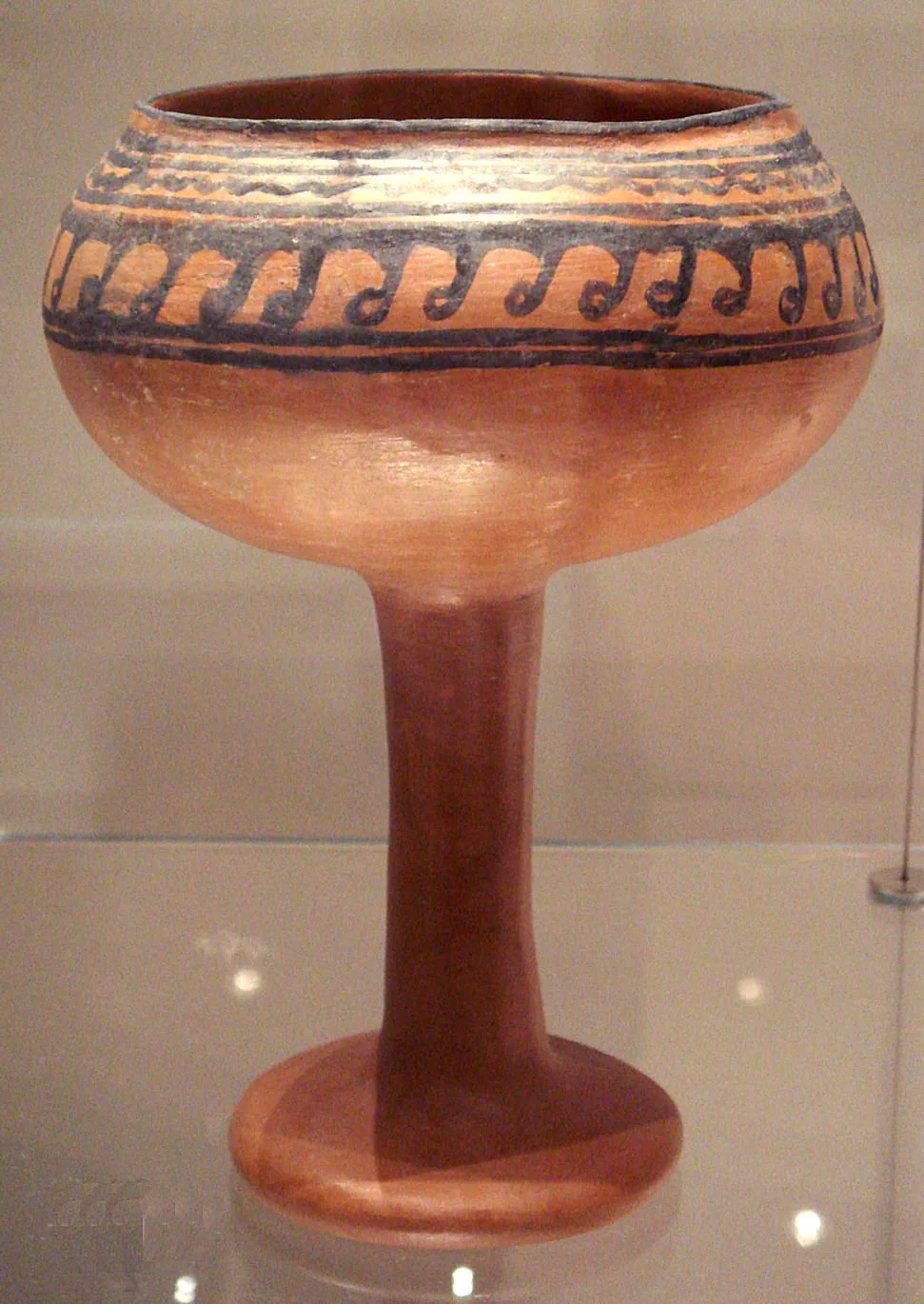
Navdatoli Archaeological Site
Maheshwar1 place to see

Navdatoli Archaeological Site

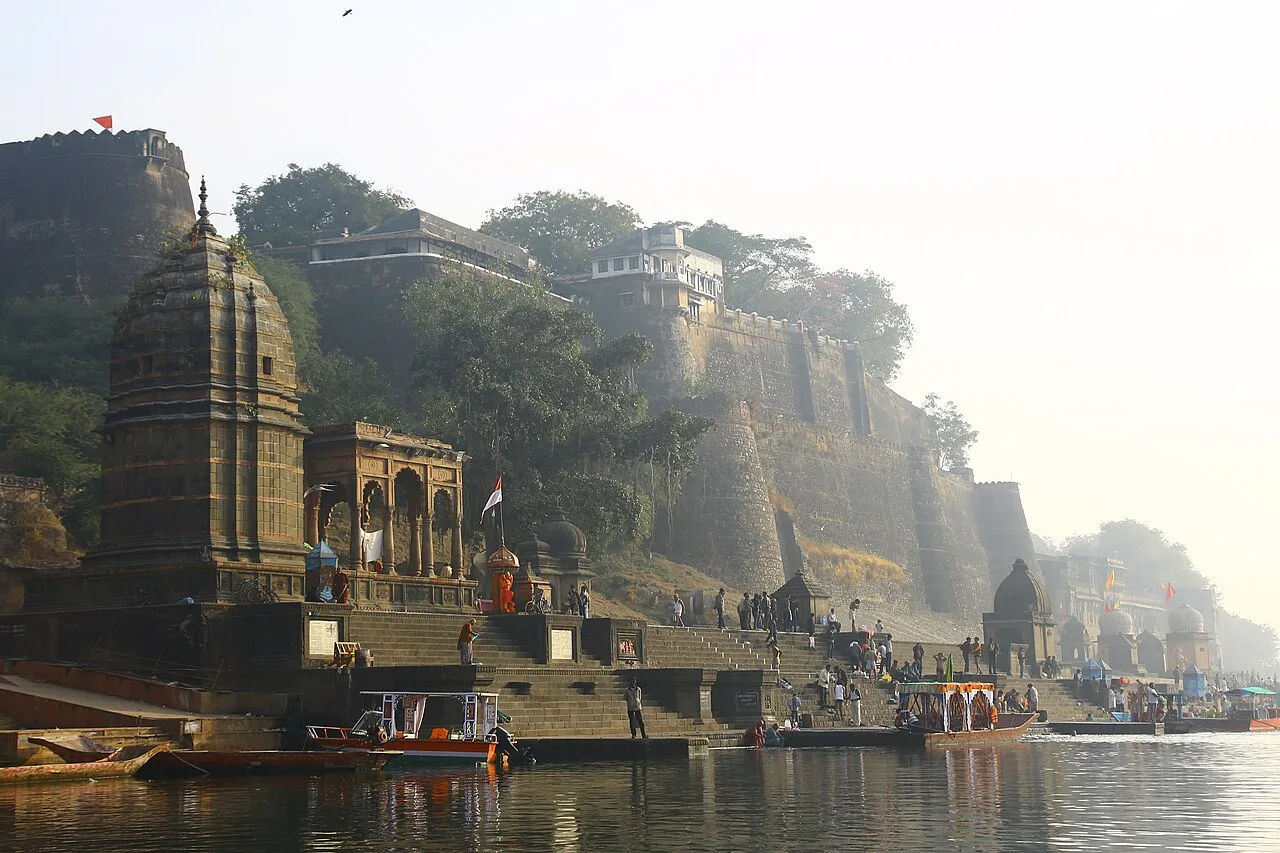
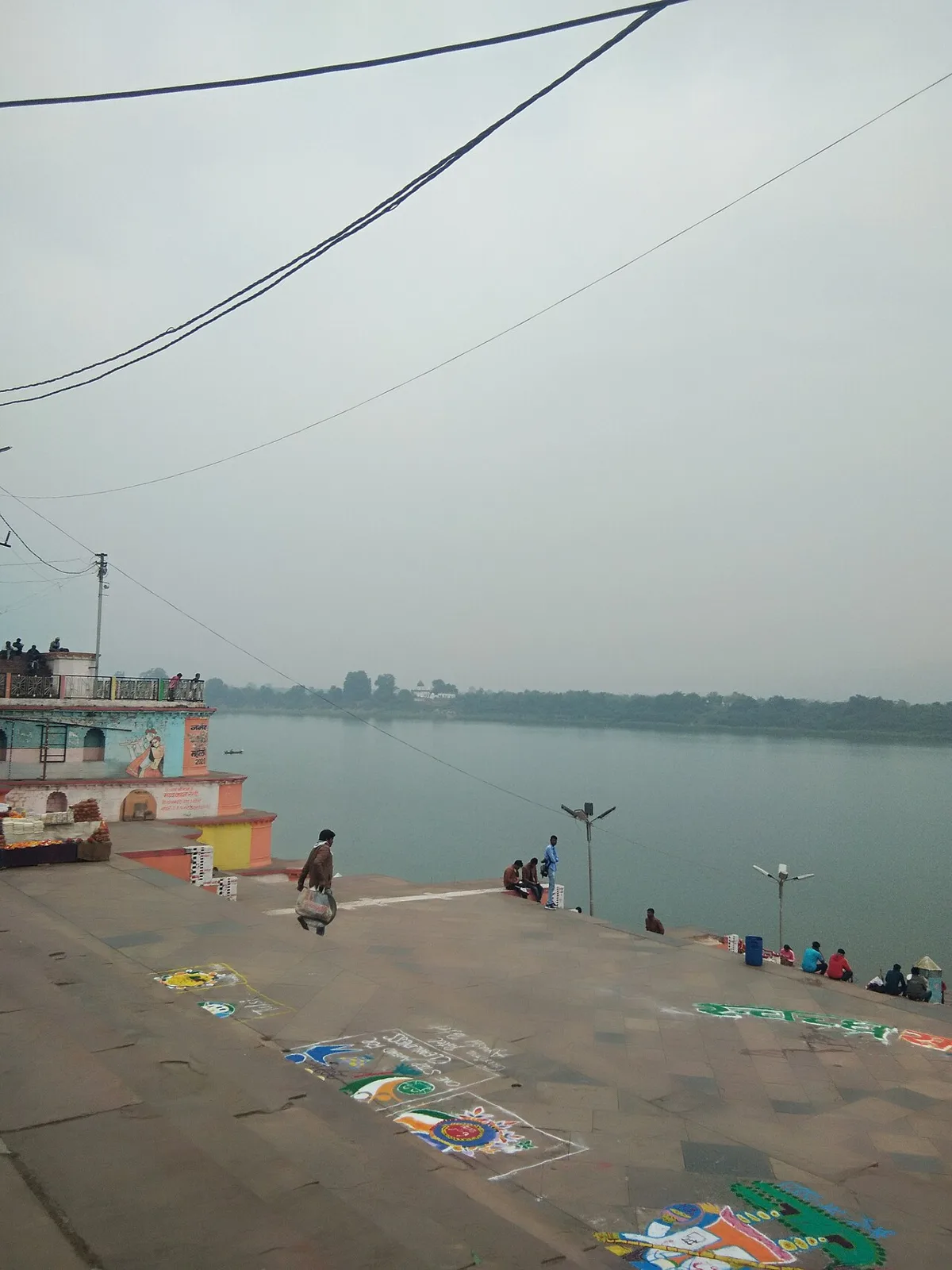
Maheshwar Ghats
Maheshwar Ghats1 place to see

Sights in and around Maheshwar Ghats

Maihar Sharda Temple
Maihar1 place to see

Maihar Sharda Temple

Sanjay National Park
Majhauli1 place to see

Sanjay National Park

Makhan Nagar1 place to see

Tawa Dam

Bhojpur
Mandideep1 place to see

Bhojpur

Bateshwar Hindu temples
Morena1 place to see

Bateshwar Hindu temples

Hanuwantiya Island
Mundi1 place to see

Hanuwantiya Island

Sethani Ghat, Narmadapuram
Narmadapuram1 place to see

Sethani Ghat, Narmadapuram

Asirgarh Fort
Nepanagar1 place to see

Asirgarh Fort

Rahatgarh Fort
Rahatgarh1 place to see

Rahatgarh Fort

Madhav National Park
Shivpuri1 place to see

Madhav National Park

Kundeshwar Temple
Tikamgarh1 place to see

Kundeshwar Temple

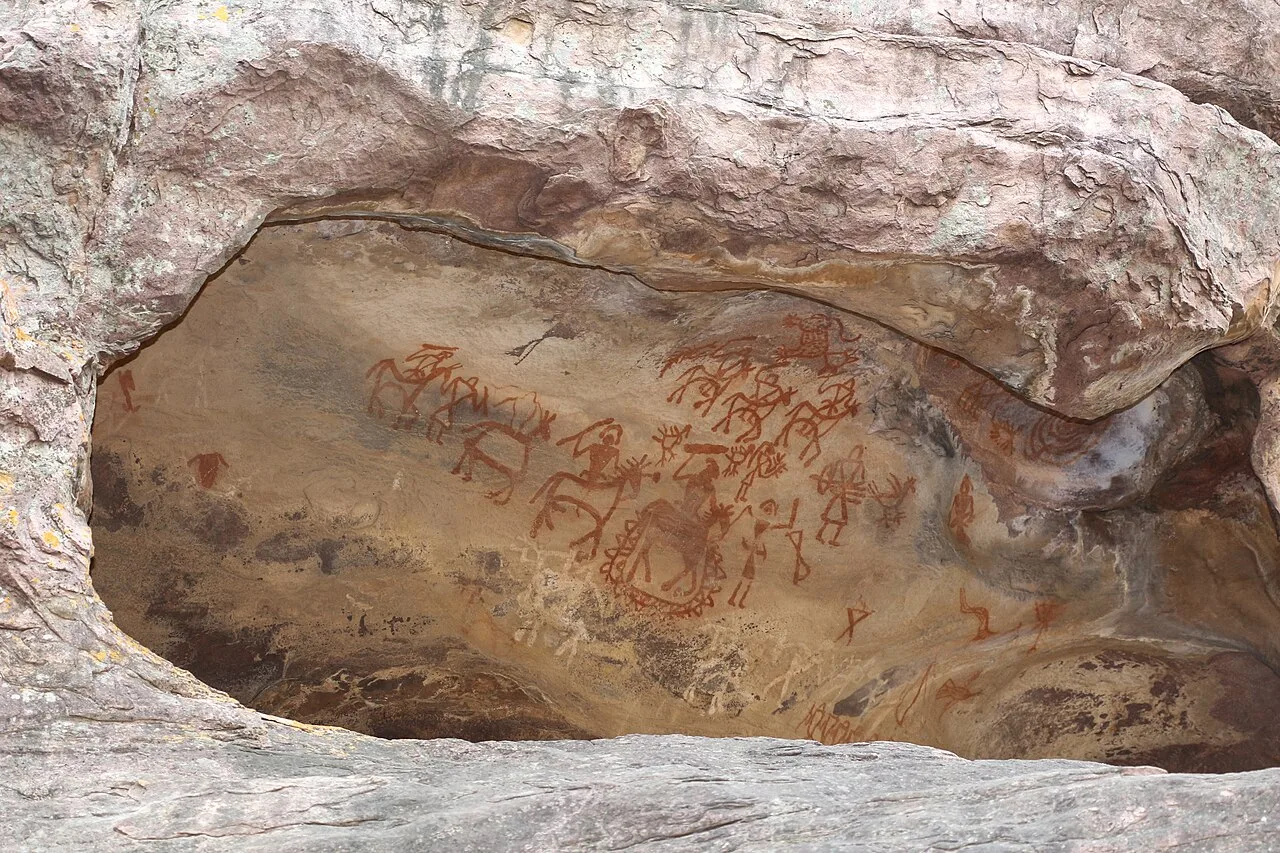
Bhimbetka Rock Shelters
Ubaidullahganj1 place to see

Bhimbetka Rock Shelters

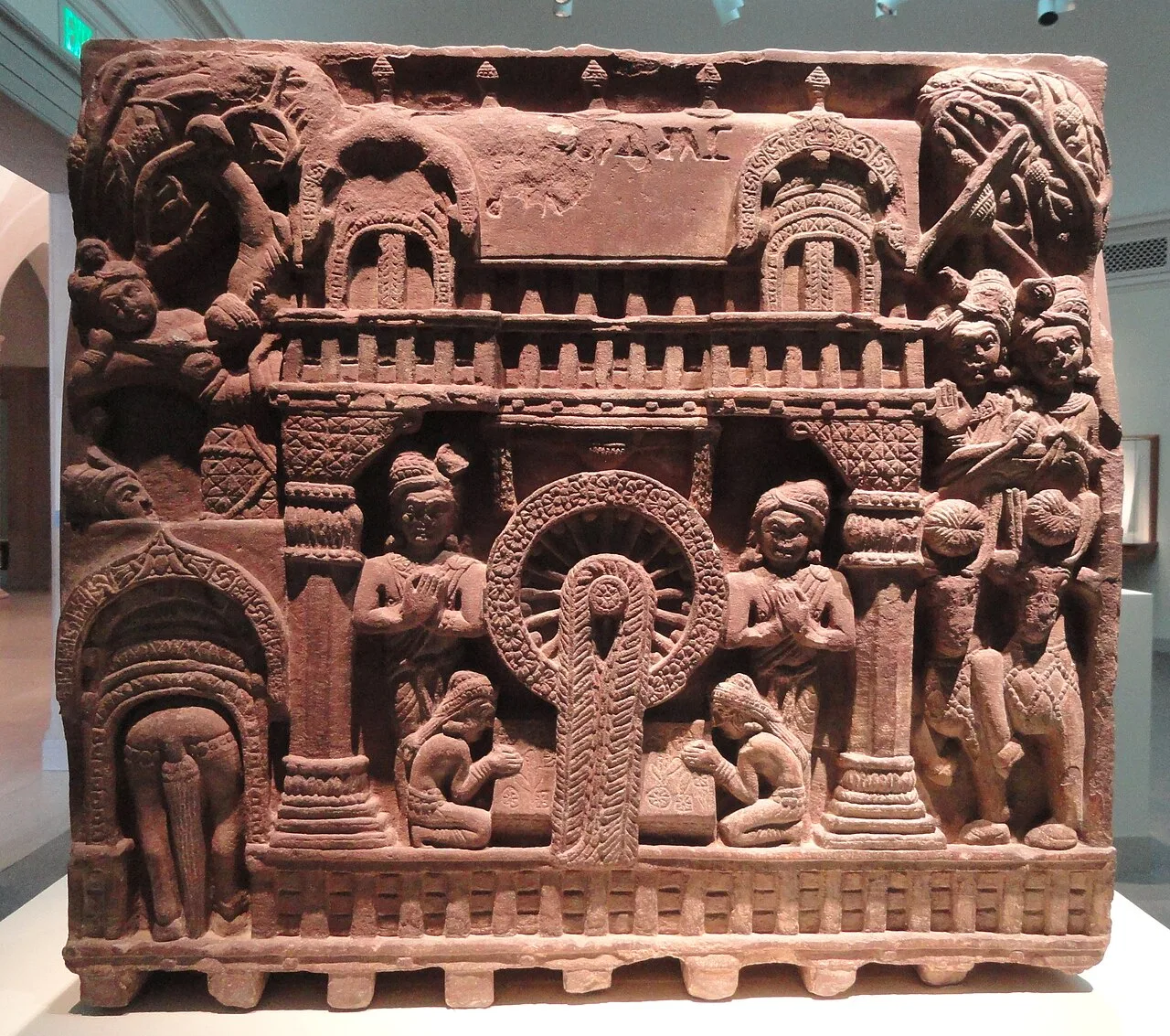
Bharhut Stupa Remains
Unchahra1 place to see

Bharhut Stupa Remains

More cities of Madhya Pradesh

Away from the cities — 21 more places by district

District discovery

Madhya Pradesh: 41 districts covered

Open a district to see its destinations and neighbours. More districts are added as our team writes them.

41 of 41 districts have destination guides

Destinations

Every guide in this state

Open a district to see its cities and towns, villages and places to see.

Amarkantak1 place

Places to see

Anuppur1 place
Bandhavgarh2 places
Betul1 place

Places to see

Bhind1 place

Places to see

Bhopal7 places
Burhanpur2 places
Chanderi1 place

Cities & towns

Chhatarpur2 places
Chhindwara1 place

Places to see

Chitrakoot1 place

Places to see

Damoh1 place
Datia1 place

Places to see

Dhar7 places
Dindori1 place
Gwalior6 places
Hoshangabad8 places
Indore5 places
Jabalpur6 places
Kanha1 place

Places to see

Khajuraho1 place

Places to see

Khandwa2 places
Khargone1 place
Maheshwar2 places

Cities & towns

Places to see

Morena3 places
Narmadapuram1 place

Places to see

Niwari1 place
Omkareshwar1 place

Places to see

Orchha5 places
Raisen3 places
Rewa2 places
Sagar1 place

Places to see

Sanchi1 place

Places to see

Satna2 places
Sehore1 place
Seoni2 places
Shivpuri1 place
Sidhi1 place
Tikamgarh1 place

Places to see

Ujjain3 places
Vidisha3 places

Festivals & fairs

The calendar here

Full calendar

27 Mar 2028 – 27 May 2028

Ujjain Simhastha Kumbh

Ram Ghat and the Kshipra ghats, Ujjain · Kumbh & Pilgrimage

The twelve-yearly Kumbh on the Kshipra in the city of Mahakal.

ProvisionalMadhya Pradesh

Festivals of Madhya Pradesh through the year

Usual season and where each is best known. Exact dates follow local calendars — linked festivals have dated guides.

  • Khajuraho Dance FestivalFebruaryChhatarpur district.
  • Tansen Music FestivalDecemberGwalior.
  • Simhastha Kumbhevery 12 yearsUjjain; the next is scheduled for 2028.
  • Mahakal SawariShravan, July–AugustUjjain.
  • Bhagoriya HaatHoli weekJhabua, Alirajpur and Dhar districts, tribal.
  • Maha Shivaratri MelaPachmarhi, Narmadapuram district.
  • NavratriMaihar, Satna district.
  • Ram NavamiOrchha, Niwari district.
  • GangaurNimar region.

Connected circuits

Journeys through this state

Bihar · Madhya Pradesh

The Buddhist Circuit

Follow the Buddha's path from enlightenment to the stupas of Ashoka.

  1. Bodh Gaya
  2. Sanchi

Madhya Pradesh

Central India Wild & Ancient

Tiger forest, rock art and temple towns in India's heart.

  1. Kanha
  2. Bhimbetka
  3. Khajuraho
From travellers and locals

Be the first to share photos, stories, advice or a helpful contact for Madhya Pradesh.

Loading…