Why Bhopal matters
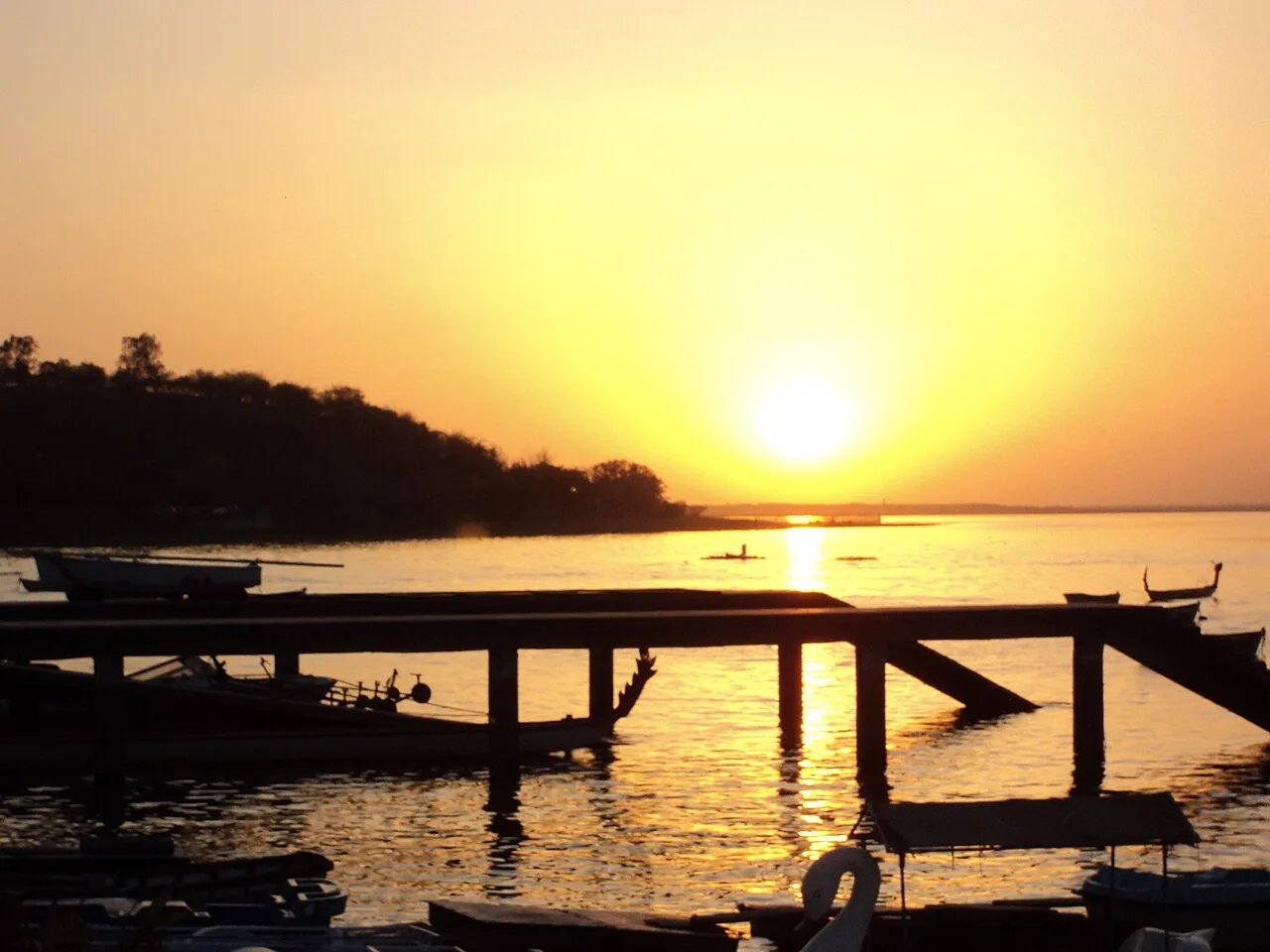
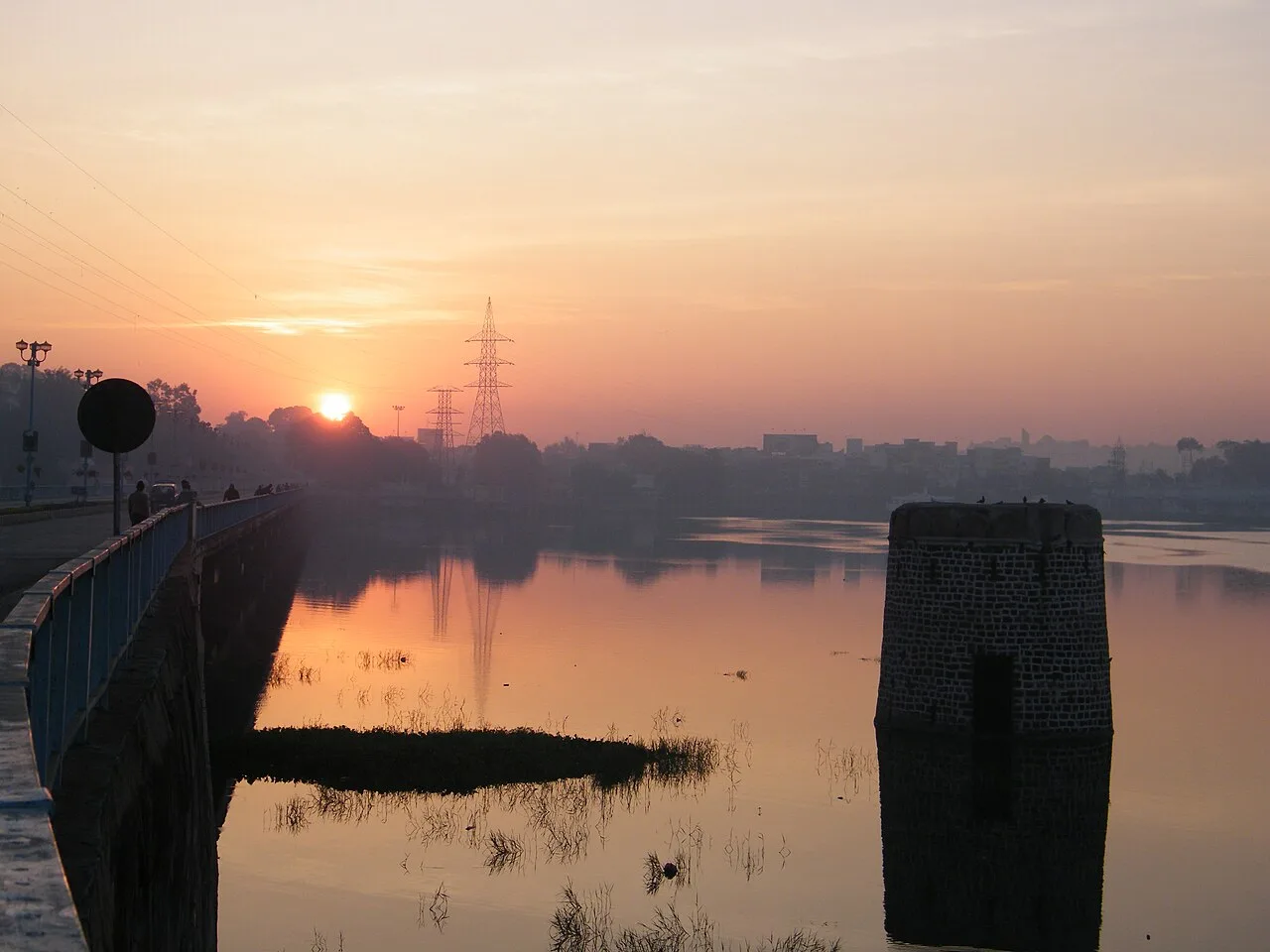
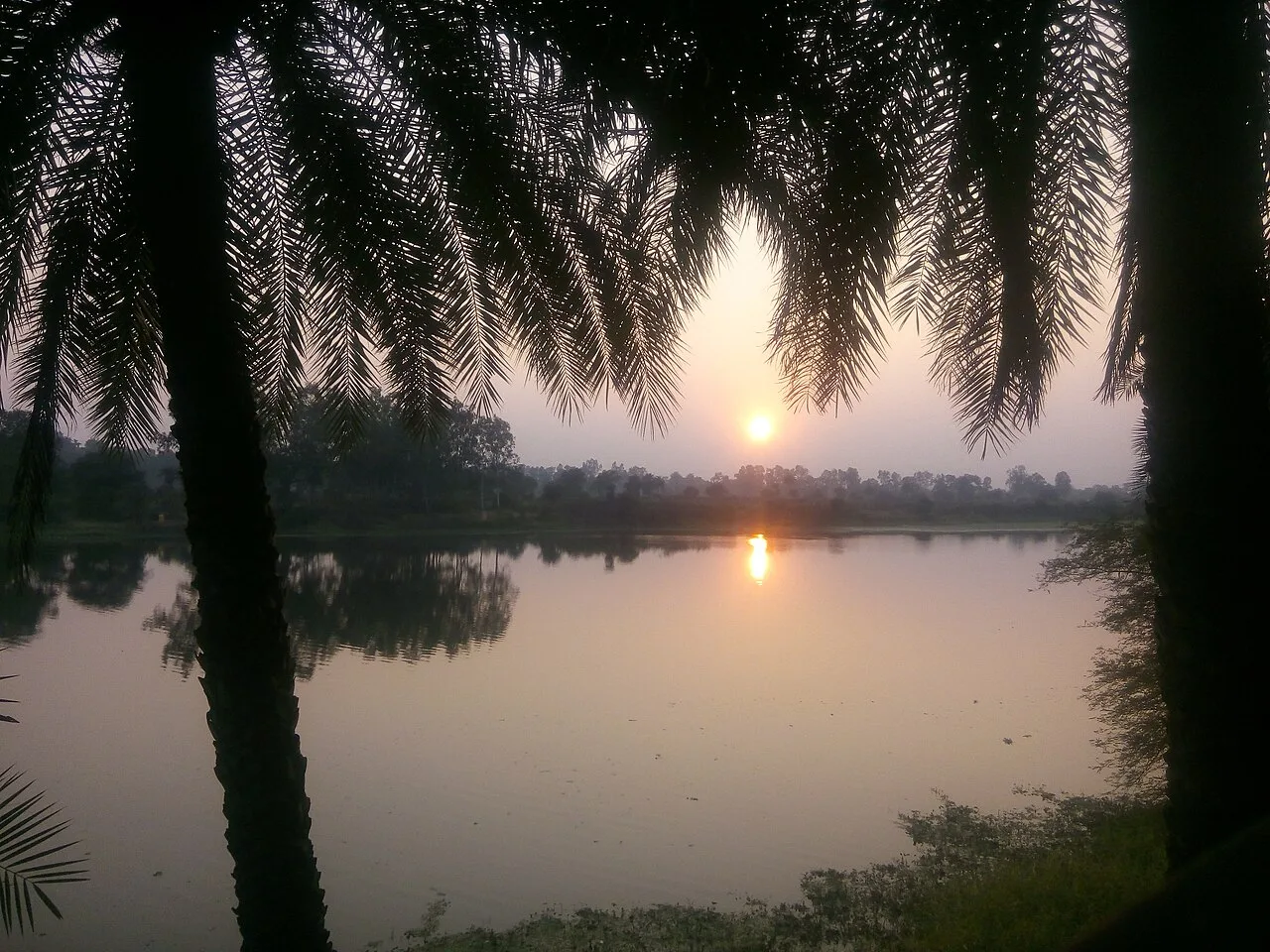
Bhopal is the capital of Madhya Pradesh and a major administrative, educational and economic centre in central India. Its distinctive setting—hills, wooded slopes and the Upper and Lower Lakes—has earned it the name City of Lakes. Visitors come for the contrast between the historic lanes and mosques of the old city and the planned districts, museums and institutions of the newer city. Lakeside walks, boat rides and viewpoints offer a quieter counterpoint to its busy markets.
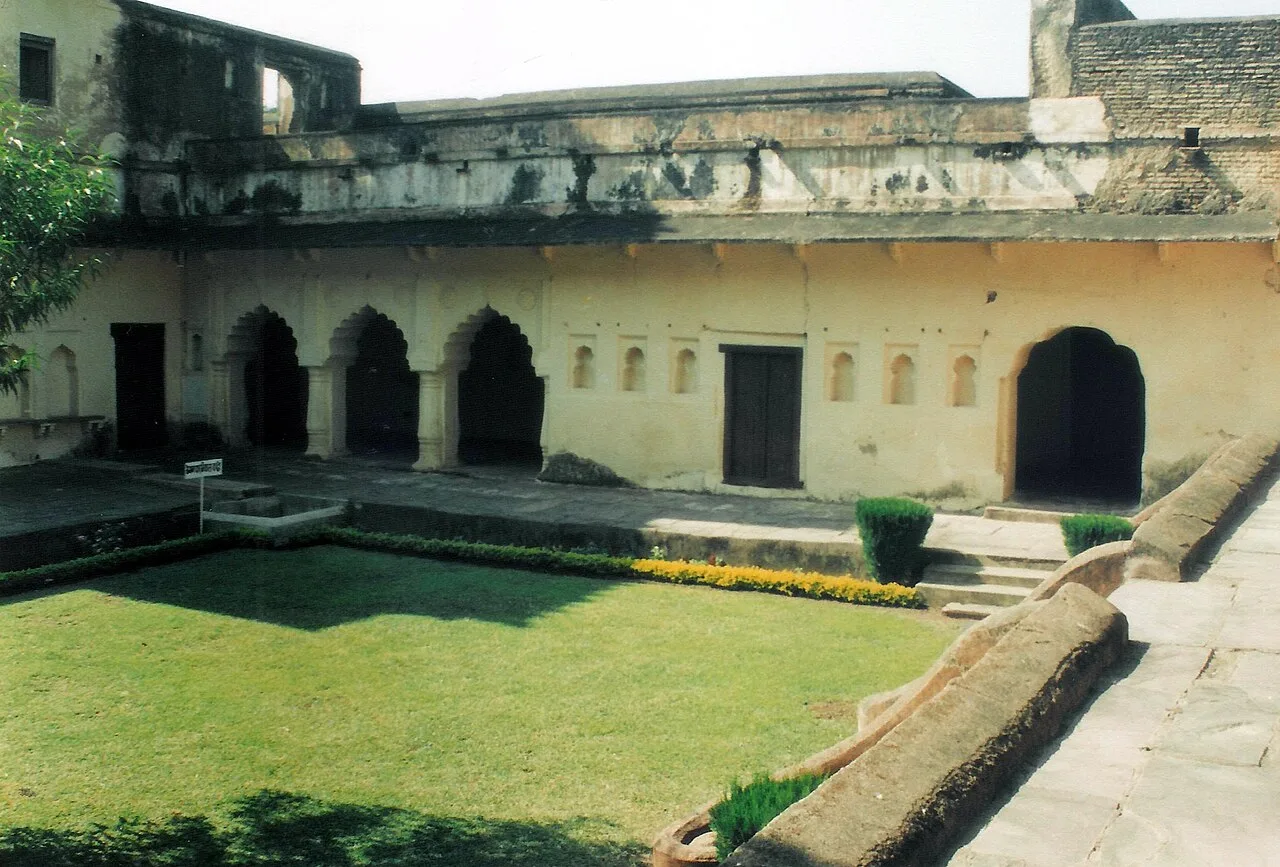
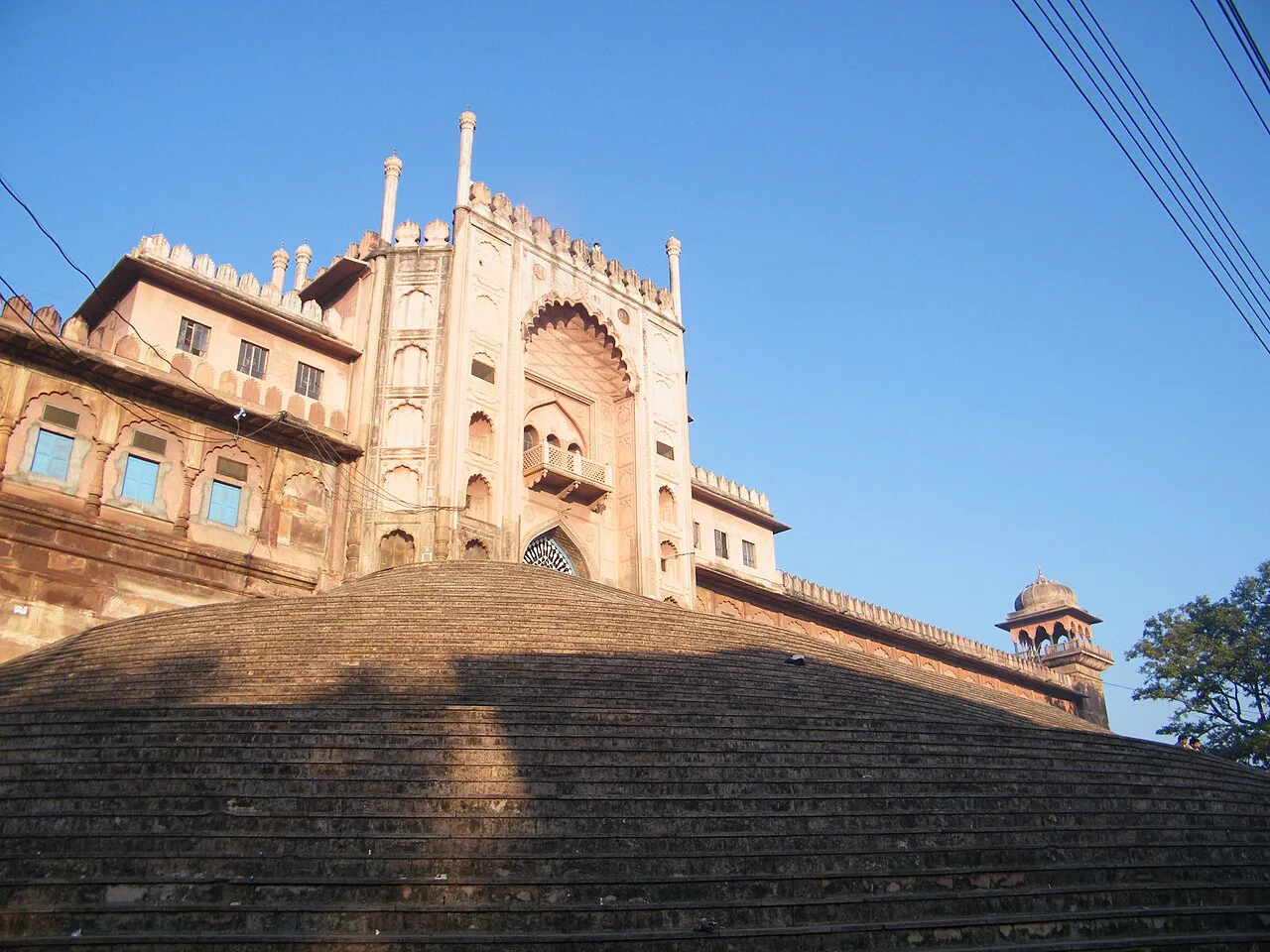
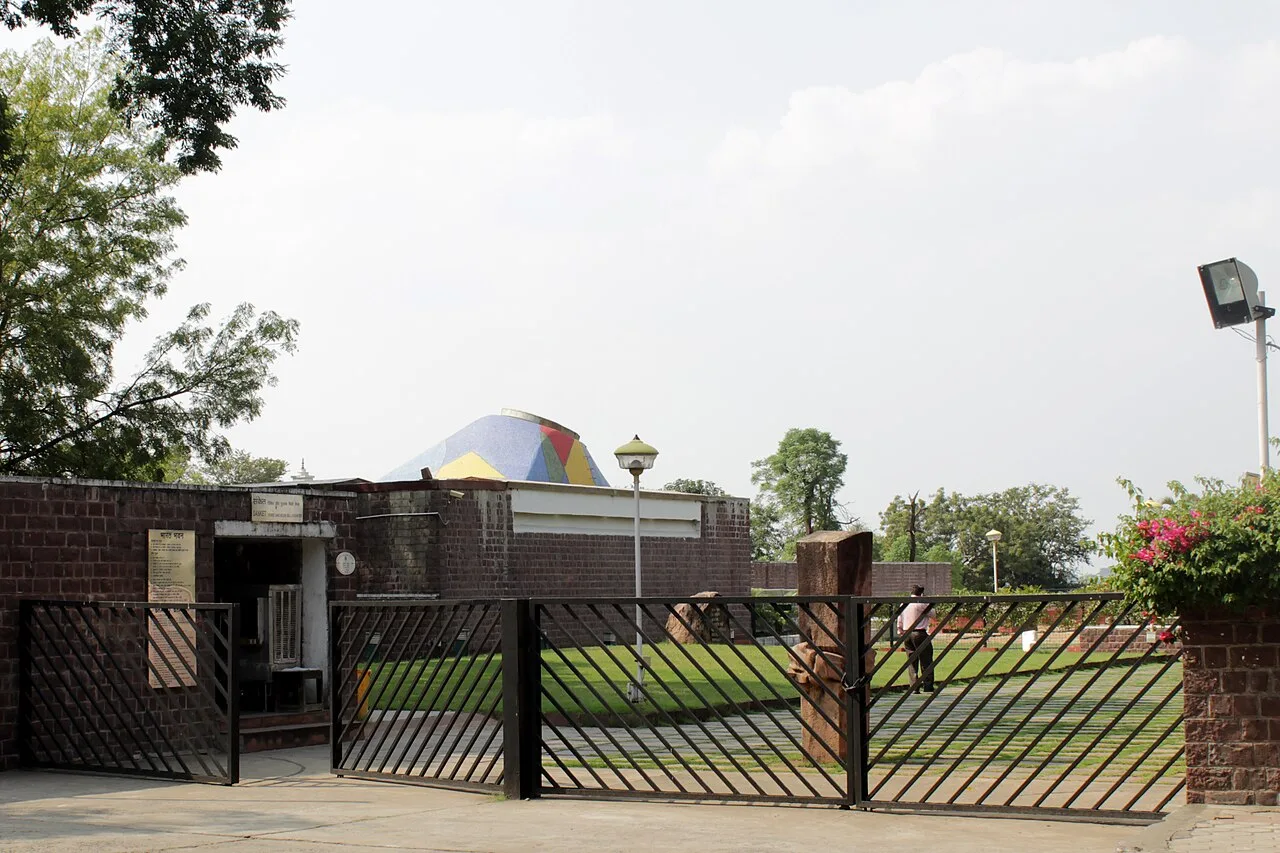
The city’s heritage reflects the era of the Nawabs and the Begums, whose rule left palaces, mosques and civic works. Important sights include Taj-ul-Masajid, Gohar Mahal and the State Museum; Bharat Bhavan brings together visual arts, theatre and literature, while the Tribal Museum presents the cultures of Madhya Pradesh’s Indigenous communities. Bhopal is also home to major research and educational institutions, including IISER, MANIT and AIIMS, as well as the industrial complex of BHEL. The 1984 gas disaster remains a painful part of the city’s history and public life, alongside its continuing work as a regional centre.