
Ghumoopedia — Explore, Discover, Experience
Sign in
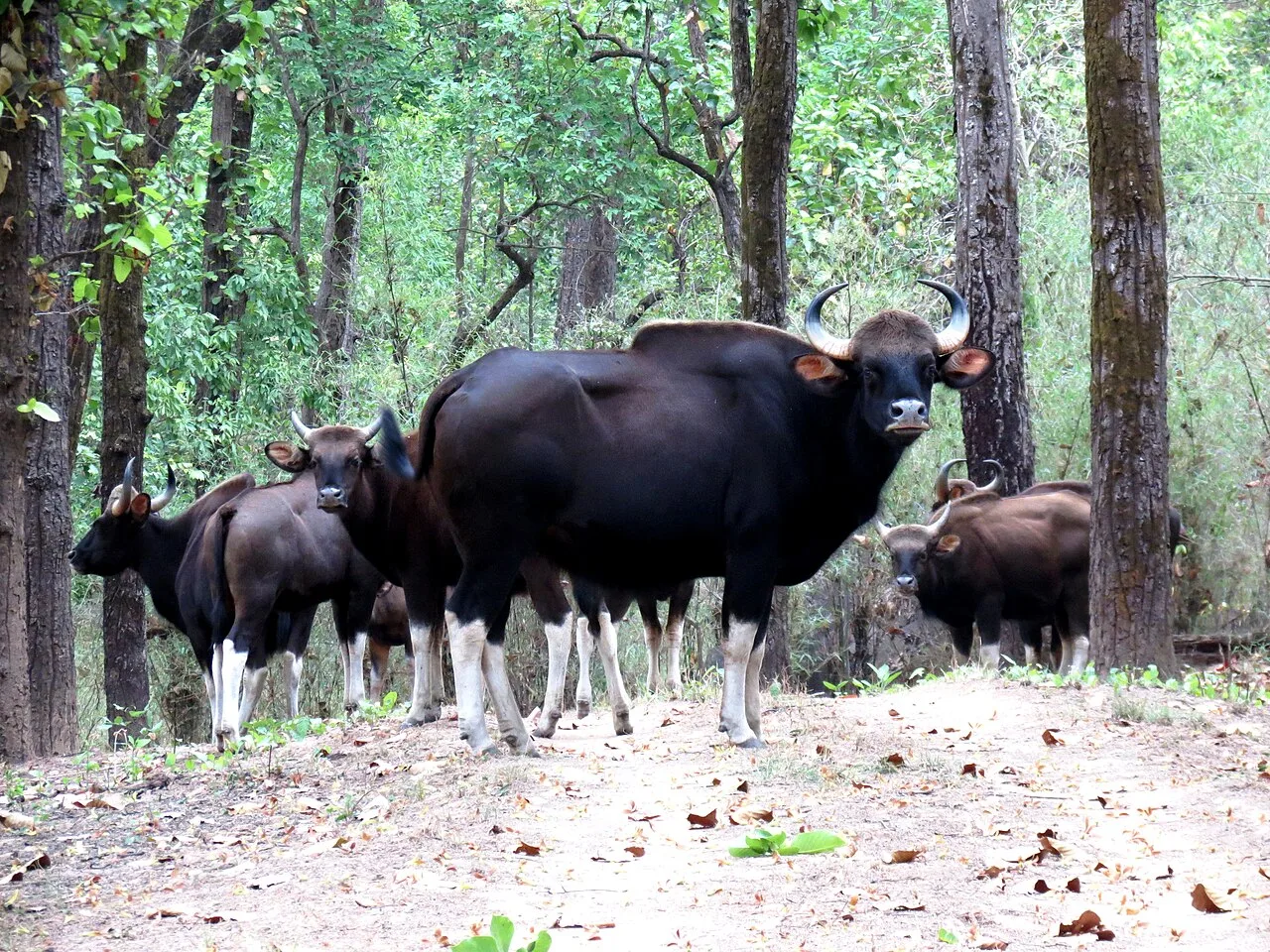
Kanha Tiger Reserve, near Baihar

City guide · Madhya Pradesh

Baihar

Baihar is a small town in Balaghat district and the administrative headquarters of Baihar tehsil. Its importance comes less from a large-city skyline than from its role as a local centre for government services, trade and travel in this forested part of eastern Madhya Pradesh.

Famous for

  • Baihar tehsil headquarters
  • Kanha region access
  • Forested Balaghat landscapes
  • Eastern Madhya Pradesh countryside
In the city
0
Nearby
1
District
Kanha
Plan a trip

Why Baihar matters

Baihar is a small town in Balaghat district and the administrative headquarters of Baihar tehsil. Its importance comes less from a large-city skyline than from its role as a local centre for government services, trade and travel in this forested part of eastern Madhya Pradesh. The town also gives visitors a base for exploring the wider Kanha region, including routes toward the reserve’s Mukki side; check current access and entry arrangements before setting out.

Baihar is best suited to travellers interested in the landscapes and rural life of the region rather than a packed itinerary of urban attractions. Its surroundings include wooded country and villages, while the town centre provides everyday shops and services. The area’s appeal is closely linked to nearby forests and wildlife tourism, but Baihar itself remains a working tehsil town. Visitors can use it as a quieter stop between larger transport centres and the countryside, allowing time for local markets and the journey through Balaghat’s varied terrain.

Famous for: crafts, trade & products

Baihar is not widely known for a signature textile, handicraft, GI-tagged product or large commercial industry. It functions primarily as a local service and trading centre for the surrounding tehsil. Its shops and market areas cater to residents and nearby villages, with everyday provisions and locally traded goods rather than a specialist souvenir district. Travellers looking for a particular craft or regional product should ask locally about current availability instead of assuming there is a dedicated market.

Baihar’s practical importance lies in its administrative institutions and its role in connecting nearby communities with services and transport routes. There is no well-established city-specific shopping quarter to seek out; the central market area is the most convenient place to browse ordinary local shops and pick up necessities before travelling toward forest and rural areas.

History

Baihar’s development is closely tied to its position within the forested eastern part of Balaghat district. Rather than growing as a major royal or industrial city, it became significant as a settlement serving surrounding villages and as the headquarters of Baihar tehsil. Local administration, markets and public services have shaped its role in the region over time.

The wider Balaghat area passed through changing systems of administration during the colonial period and after India’s independence. These shifts strengthened the importance of district and tehsil centres such as Baihar, although a detailed, well-documented account of the town’s early rulers or a single defining historical event is not widely established. In modern Madhya Pradesh, Baihar continues as a Nagar Panchayat and an assembly constituency, combining civic administration with its function as a local hub. Its present-day identity reflects this steady regional role and its setting amid the landscapes of eastern Madhya Pradesh.

Food, festivals & culture

Everyday life in Baihar reflects its connections with villages across Balaghat district and the wider central Indian region. Hindi is commonly useful for visitors; local speech may also include regional varieties and languages used by Adivasi communities. Meals are generally rooted in familiar central Indian home cooking, including rice, lentils, vegetables and seasonal ingredients. Baihar is not especially known for a signature sweet or restaurant dish, so visitors should treat food as part of ordinary local life rather than a destination cuisine.

Holi in spring, Navratri and Dussehra in autumn, and Diwali in autumn are among the major Hindu festivals observed in the area; dates vary each year. Community and family gatherings, worship and local religious observances shape the festive calendar. Small temples and neighbourhood places of worship are part of the town’s daily landscape, while cultural practices across the surrounding countryside are diverse. Music and dance are often associated with social and festive occasions, but there is no single performance tradition that defines Baihar as a city.

Visiting the city

The cooler, drier months from about October to March are generally the most comfortable for travel. Summer can be hot, while monsoon rain may affect road journeys and forest access. Jabalpur Airport is a practical air gateway; Balaghat Junction is a railway option for reaching the area, with the onward journey made by road. Confirm current connections and local transport before travelling.

Auto-rickshaws and shared or hired road transport are useful for getting around town and nearby routes. Baihar’s central market and civic centre are convenient places to orient yourself and find everyday services. For forest excursions, ask locally about road conditions and access toward the Mukki side of the Kanha region, and arrange transport in advance where needed. Baihar is a modest town, so plan longer journeys around the facilities available there rather than expecting a large tourist district.

Short trips

Around Baihar

Within about 40 km — easy half-day or day trips from the city.

Map

Baihar on the map

  1. 1Kanha Tiger Reserve

Madhya Pradesh

Other cities to explore