
Ghumoopedia — Explore, Discover, Experience
Sign in
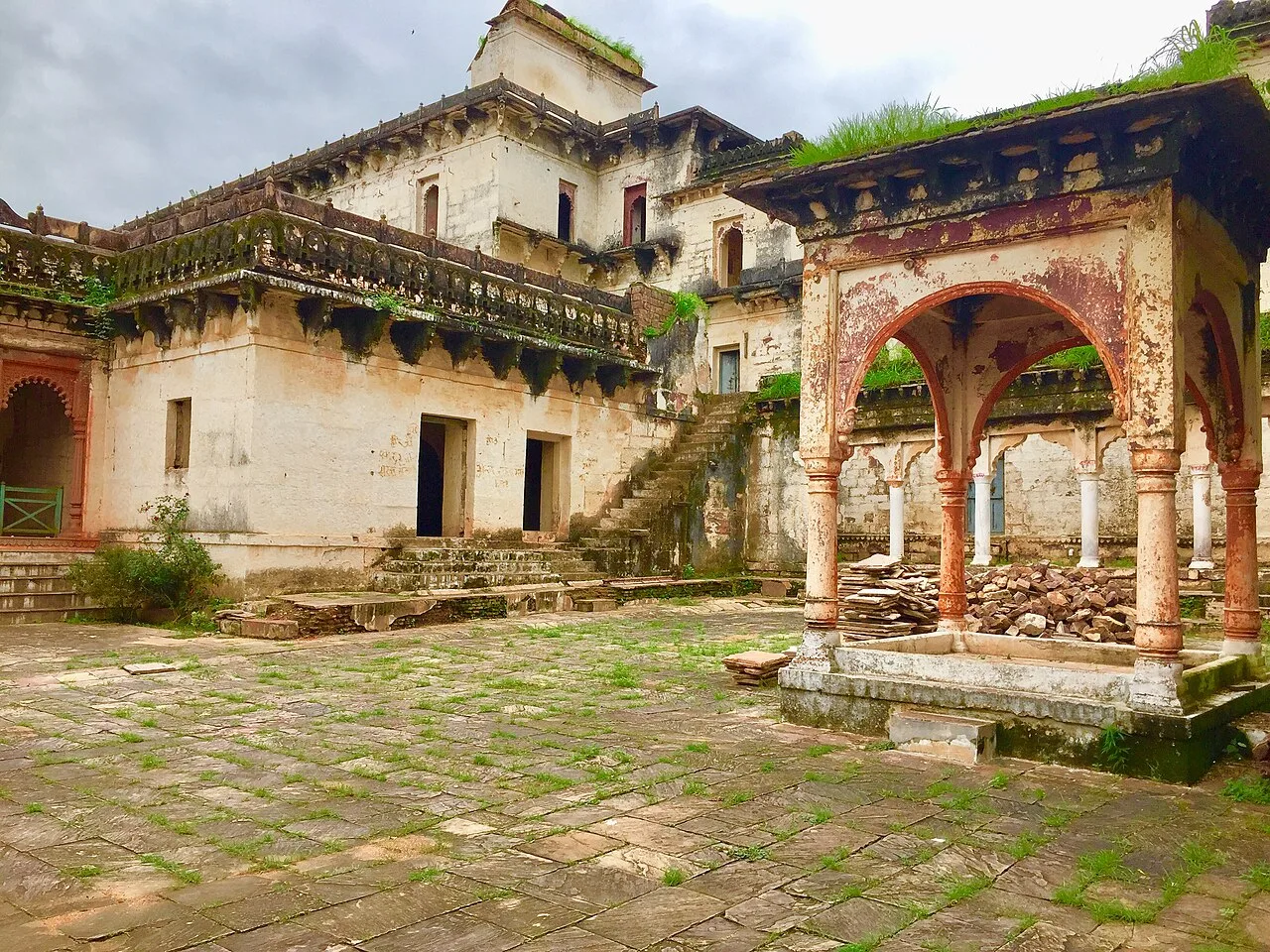
Govindgarh Palace, Rewa, near Govindgarh

City guide · Madhya Pradesh

Govindgarh

Govindgarh is a small historic town about 18 km from Rewa in northeastern Madhya Pradesh. Its main distinction is its connection with the former rulers of Rewa: it served as their summer capital and retreat.

Famous for

  • Govindgarh Fort and palace
  • Rewa rulers’ summer retreat
  • Govindgarh Lake
  • Mohan the white tiger
In the city
1
District
Rewa

Why Govindgarh matters

Govindgarh is a small historic town about 18 km from Rewa in northeastern Madhya Pradesh. Its main distinction is its connection with the former rulers of Rewa: it served as their summer capital and retreat. The old palace and fort, together with nearby Govindgarh Lake, give the town a royal-era setting that contrasts with the busier regional centre of Rewa.

Visitors come chiefly for this heritage and for the landscape around the lake, often as a short excursion from Rewa rather than as a base for a long stay. Govindgarh is also associated with Mohan, the white tiger kept at the royal residence, and with Rewa’s wider white-tiger history. The town’s present-day importance is local, while Rewa provides most nearby transport, services and shopping. Bagheli, the regional language, is part of everyday life, alongside Hindi. For travellers interested in the history of the Rewa state, Govindgarh offers a quieter glimpse of the former royal domain and its surroundings.

Famous for: crafts, trade & products

Govindgarh is best known for its royal heritage, not for a major textile, handicraft or industrial trade. The former palace and fort are its most recognisable landmarks, while the lake is a prominent part of the town’s setting. The residence is also linked with Mohan, the white tiger associated with Rewa’s history. These attractions, rather than a particular manufactured product, shape the town’s identity for visitors.

There is no widely recognised local saree, craft or GI-tagged product strongly associated with Govindgarh. Everyday provisions and small-scale local trade serve residents, but travellers looking for a broader choice of clothing, crafts, food products or other goods will find more options in nearby Rewa’s shops and markets. Rewa is the practical place to browse for regional purchases and supplies before or after visiting Govindgarh. Products sold in the area may reflect wider Bagheli and Madhya Pradesh traditions, but they should not be mistaken for a distinctive Govindgarh speciality. The palace, lake and surrounding heritage are the town’s principal draws.

History

Govindgarh grew in importance through its close association with the rulers of Rewa. The town served as a summer capital and retreat for the Rewa maharajas, who used the setting for a royal residence away from the main seat of their kingdom. The palace and fort preserve this connection, while the lake formed part of the historic landscape around the royal settlement. The story of Mohan, the white tiger kept at the residence, later added to Govindgarh’s place in Rewa’s regional history.

Rewa was a princely state under British paramountcy, and Govindgarh’s fortunes were tied to the court rather than to colonial administration as a separate major centre. After independence and the integration of princely territories into India, the town became part of Madhya Pradesh. Its role subsequently became more local, with Rewa developing as the area’s principal service and transport hub. Govindgarh remains chiefly notable for its royal-era associations and historic surroundings.

Food, festivals & culture

Bagheli is the principal regional language, and Hindi is also widely used. Daily food reflects the cooking of the Vindhya region: meals commonly include grains, lentils, vegetables and seasonal ingredients. Poha and jalebi are familiar breakfast or snack choices in the wider area, while sweets and savoury snacks are readily found in Rewa. Govindgarh is not especially associated with a signature dish, so visitors seeking more choice should eat or shop in the nearby city.

Holi in spring, Navratri and Dussehra in autumn, and Diwali in autumn are important occasions across the region; Makar Sankranti is observed in winter. Religious life centres on local temples and household worship, with larger choices of places of worship in Rewa. Bagheli folk singing and regional performance traditions form part of the area’s cultural character. Rai and other folk dances are known in the broader region, though performances are generally tied to festivals and community events rather than scheduled as regular visitor shows. Royal history, village traditions and contemporary Hindi-speaking life meet in this small town.

Visiting the city

The cooler months, roughly October to March, are generally the most comfortable for exploring Govindgarh and its historic surroundings. Summer can be very hot, while the monsoon brings greener scenery but may make outdoor visits less convenient. Rewa Airport, also known as Chorhata Airport, is the nearest airport; check current flight availability before planning around it. Rewa railway station is the main rail connection for the area.

Govindgarh is about 18 km from Rewa and is most easily reached by road, using a taxi or local transport from the city. Rewa makes a practical base for accommodation, meals and onward connections. In Govindgarh, focus on the palace and fort area and the lake surroundings; confirm local access conditions before setting out, as visitor facilities may be limited. Allow time for the short drive and avoid assuming that the town has extensive tourist services.

Attractions

Places to visit in Govindgarh

Sights within about 12 km of each other, even when they fall in different districts.

Map

Govindgarh on the map

  1. 1Govindgarh Palace, Rewa

Madhya Pradesh

Other cities to explore