Ghumoopedia — Explore, Discover, Experience
Sign in
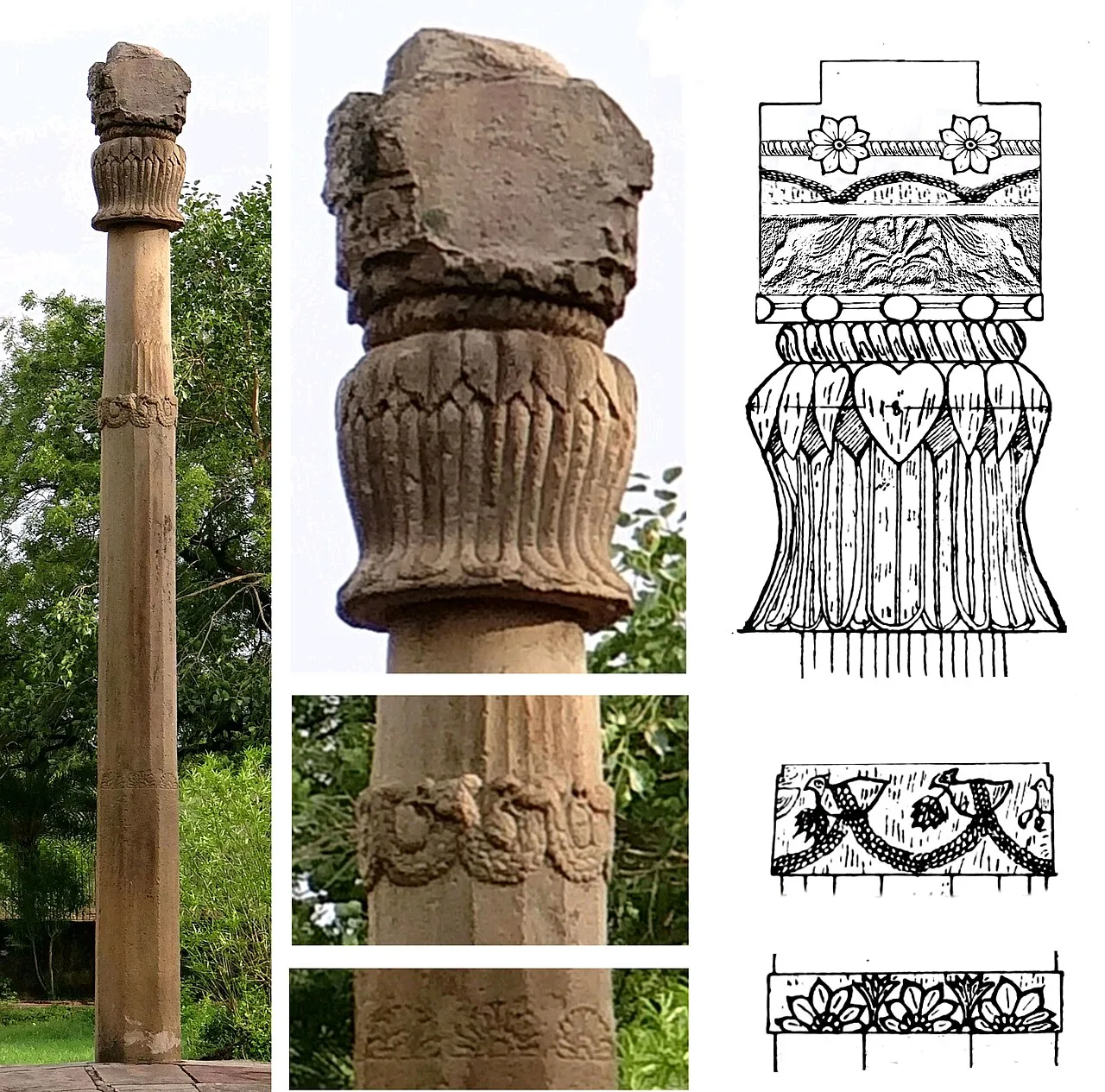
Heliodorus pillar, near Sanchi

City guide · Madhya Pradesh

Sanchi

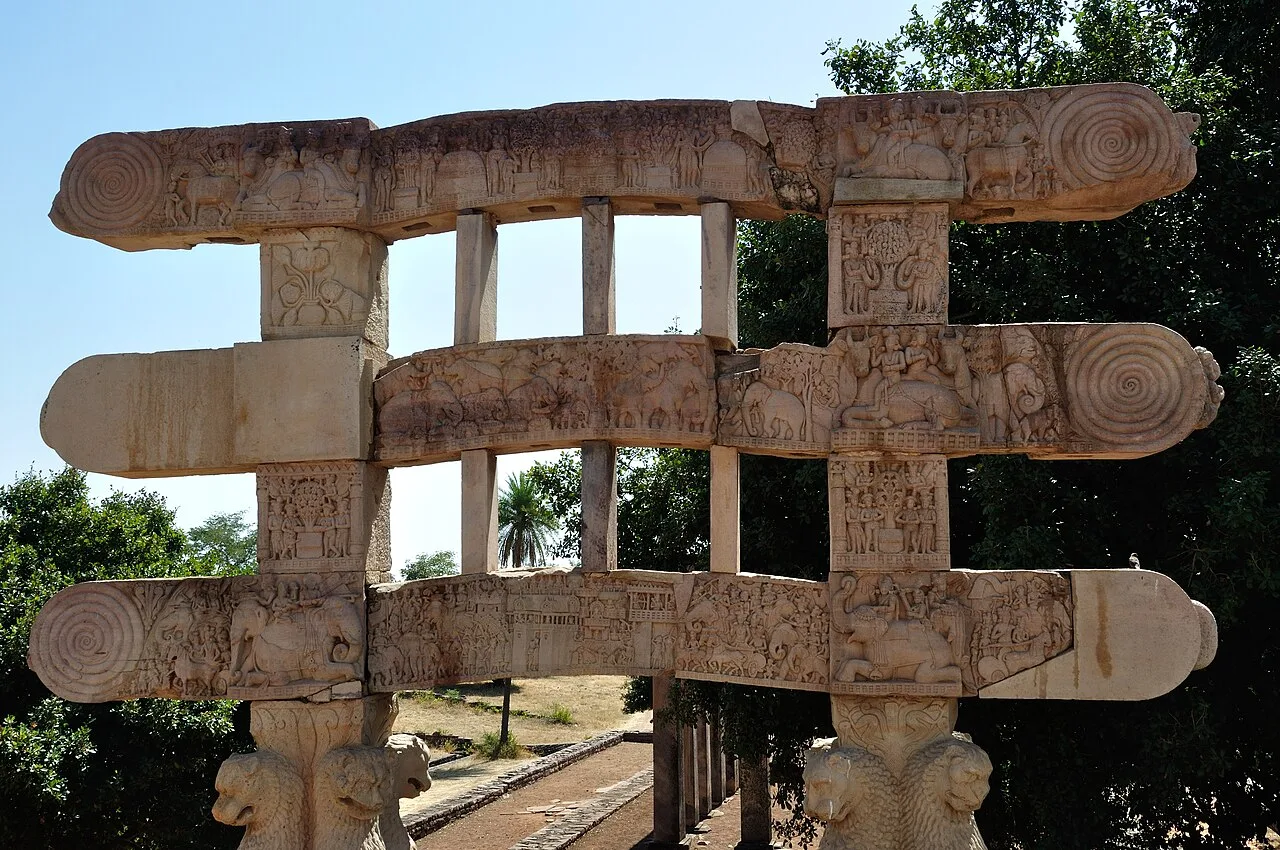
Sanchi is a small heritage town in Raisen district, best known for its hilltop complex of Buddhist monuments. The Great Stupa, begun under the Mauryan emperor Ashoka in the 3rd century BCE, is its landmark: a monumental dome framed by intricately carved gateways and stone railings.

Famous for

  • Great Stupa
  • Buddhist monuments
  • Ashokan pillar
  • Carved stone gateways
  • Buddhist pilgrimage
In the city
4
Districts
Vidisha, Sanchi, Raisen

Why Sanchi matters

Sanchi is a small heritage town in Raisen district, best known for its hilltop complex of Buddhist monuments. The Great Stupa, begun under the Mauryan emperor Ashoka in the 3rd century BCE, is its landmark: a monumental dome framed by intricately carved gateways and stone railings. The wider complex includes other stupas, monasteries, temples and the remains of an Ashokan pillar, tracing centuries of Buddhist art and architecture. The Buddhist Monuments at Sanchi are a UNESCO World Heritage site and among the best-preserved groups of ancient Buddhist structures in India.

Today, Sanchi is an important destination for history-minded visitors, Buddhist pilgrims and students of art and architecture. Its setting also makes it a useful stop on journeys between Bhopal and the historic town of Vidisha. Nearby groups of stupas, including Satdhara, add to the region’s archaeological interest. Sanchi is not a large commercial centre; its identity and visitor economy are closely tied to the monuments, the surrounding landscape and the history of Buddhism in central India.
Famous for: crafts, trade & products

Sanchi is known chiefly for its archaeological heritage rather than for textiles, handicrafts or large-scale manufacturing. The Great Stupa’s carved gateways, the Ashokan pillar and the wider complex are the town’s defining cultural assets. There is no major local textile market or established signature craft for which Sanchi is widely known, and visitors should not expect it to be a shopping destination.

Around the monument and in the town, visitors may find basic refreshments and small souvenir items such as postcards, devotional objects or books, though selection can vary. For a wider choice of regional crafts, handloom textiles and everyday shopping, explore markets in nearby Vidisha or travel to Bhopal, where there are more shops and cultural institutions. The Sanchi Archaeological Museum is a key place to view sculptures and architectural fragments associated with the site; check locally for current visitor arrangements. The monuments themselves are the principal reason to visit, and careful observation of their stonework offers a more distinctive experience than browsing for locally made goods.

History

Sanchi’s history is closely connected with the spread and development of Buddhism in central India. Ashoka commissioned the original Great Stupa in the 3rd century BCE, built around sacred relics. The site expanded over subsequent centuries: the Shunga period brought enlargement and stone facing, while carved gateways and railings were added around the 1st century BCE. Further stupas, monasteries and temples followed, with construction continuing into the Gupta period and later centuries. Sanchi’s position near Vidisha linked it to an important regional landscape of trade, travel and Buddhist patronage.

The complex remained in use for many centuries, before religious activity and maintenance eventually declined. Its monuments attracted renewed attention after their rediscovery by British officers in the early 19th century. Archaeological investigation and conservation followed, helping preserve the structures and sculptures. Since Indian independence, Sanchi has developed primarily as a heritage and pilgrimage destination rather than a major urban or industrial centre. Its international profile grew further with UNESCO World Heritage recognition for the Buddhist monuments.

Food, festivals & culture

Sanchi’s cultural life reflects its Buddhist heritage and its place in the wider Bhopal–Vidisha region. The ancient stupas and monasteries are the town’s most prominent sacred places; visitors may also find smaller temples and contemporary religious institutions in the surrounding area. Buddha Purnima, usually observed in April or May, is especially relevant to Buddhist visitors, while Hindu festivals such as Diwali, Holi and Navratri are celebrated in the region according to the lunar calendar. The scale of public festivities in Sanchi is modest compared with larger cities.

Hindi is the most widely used language, with regional Malwi and Bundeli influences in the wider area; English is useful at visitor-facing sites. Everyday food draws on central Indian and Madhya Pradesh cooking. Poha, often served for breakfast, and sweets such as jalebi are familiar regional favourites; dal bafla is another well-known local-style meal. Food choices within Sanchi may be limited, so travellers seeking a broader range of restaurants often eat in Vidisha or Bhopal. The monuments themselves provide the clearest expression of Sanchi’s distinctive cultural character.

Visiting the city

October to March is generally the most comfortable season to explore Sanchi’s open-air monuments. Summer afternoons can be very hot, while the monsoon brings rain and greener scenery. Bhopal’s Raja Bhoj Airport is the nearest major airport. Sanchi Railway Station is the closest rail station; Vidisha Railway Station is a nearby railhead with broader connections. Bhopal is also a major transport hub for the region.

The archaeological complex sits on a hill and is best explored on foot, so allow time for steps, uneven surfaces and exposed paths. Auto-rickshaws and taxis can help with local transfers; arrange longer trips to nearby sites such as Satdhara through a local driver. Focus on the hilltop monuments, the village and the archaeological museum. Vidisha makes a useful nearby excursion, while Bhopal offers more accommodation, dining and urban attractions.

Attractions

Places to visit in Sanchi

Sights within about 12 km of each other, even when they fall in different districts.

Map

Sanchi on the map

  1. 1Heliodorus pillar
  2. 2Sanchi Stupa
  3. 3Sanchi Stupa No. 2
  4. 4Udayagiri Caves

Madhya Pradesh

Other cities to explore