
Ghumoopedia — Explore, Discover, Experience
Sign in
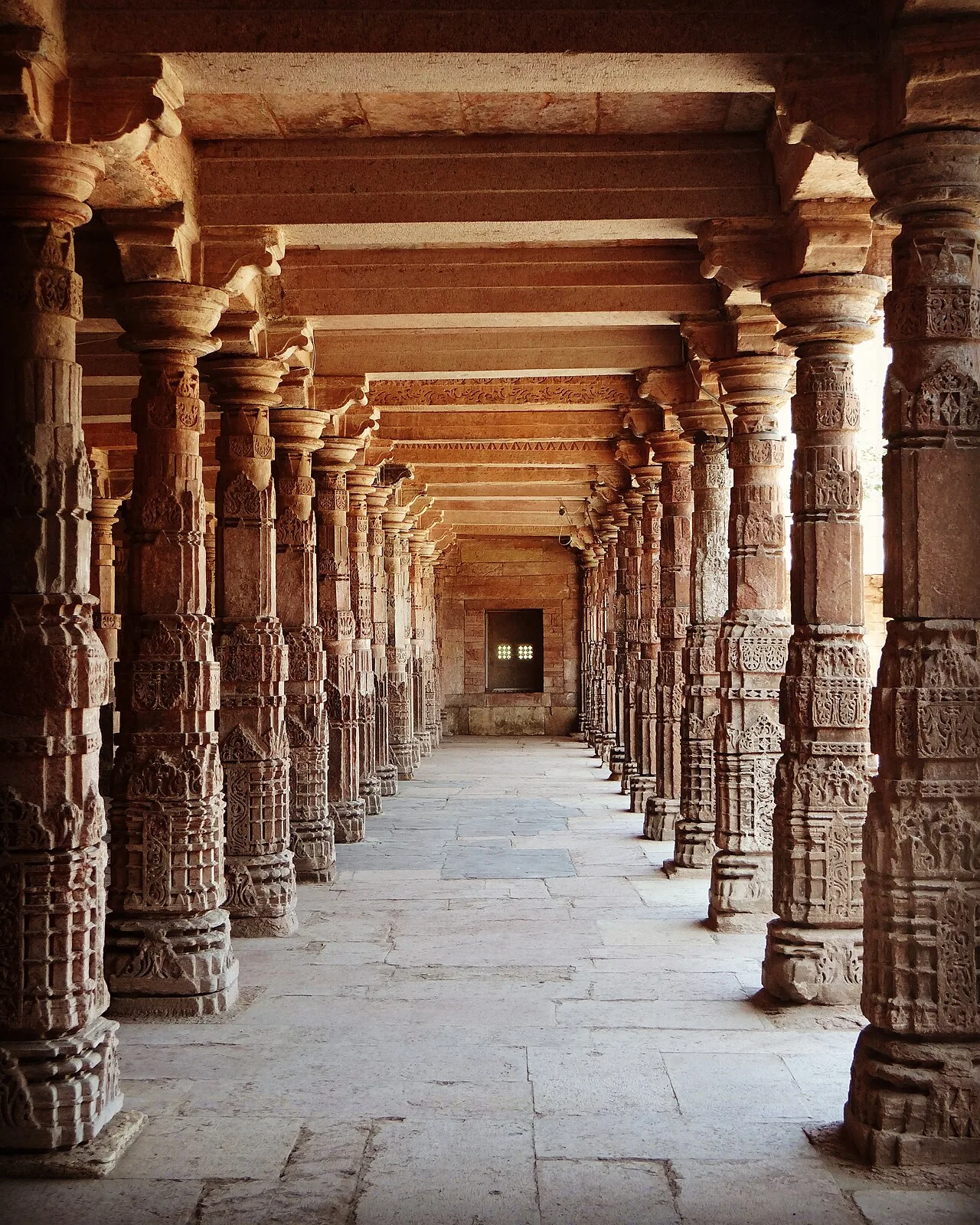
Bhojshala, near Dhar

City guide · Madhya Pradesh

Dhar

Dhar is the administrative headquarters of Dhar district and a historic centre of the Malwa region in western Madhya Pradesh. Its story is closely linked to the Paramara dynasty and King Bhoja, whose era made the city an important seat of learning and culture.

Famous for

  • Paramara heritage
  • Dhar Fort
  • Iron pillar
  • Bhoj Shala
  • Bagh printed textiles
In the city
1
District
Dhar
Plan a tripHotels near Dhar

Why Dhar matters

Dhar is the administrative headquarters of Dhar district and a historic centre of the Malwa region in western Madhya Pradesh. Its story is closely linked to the Paramara dynasty and King Bhoja, whose era made the city an important seat of learning and culture. Today, visitors come for its fort, medieval mosques, historic tombs and the remains of the old city’s circular earthen ramparts. Dhar’s monuments preserve layers of Hindu, Islamic, Maratha and colonial history, often within a short drive of one another.

The city is also a practical base for exploring the wider district, including Mandu and the textile-printing town of Bagh. Dhar Fort contains a small outdoor display of medieval architectural fragments, while the Lat Mosque is known for the surviving sections of an ancient iron pillar. The Kamal Maula complex and the monument commonly called Bhoj Shala are among the city’s most historically significant sites. As a working district centre as well as a heritage destination, Dhar offers a quieter introduction to Malwa than the larger cities of the region.

Famous for: crafts, trade & products

Dhar is best known for its historic architecture and archaeological remains rather than for a large, distinctive textile or craft market. Its fort, Lat Mosque, iron-pillar fragments and medieval buildings draw visitors interested in Malwa’s history. The city also serves as a convenient base for discovering Bagh Prints, a block-printed textile tradition associated with Bagh town in Dhar district. These textiles are recognised by a geographical indication and are produced using hand-carved blocks and natural dyes. For a wider choice, visitors can seek out Bagh-based makers and craft outlets; selection in Dhar’s general markets may vary.

Dhar’s central bazaar and shops around the older commercial streets serve local households and district trade, with everyday clothing, food and household goods rather than a single signature shopping street. The district is largely agrarian, and Dhar functions as an administrative and commercial hub, but it is not especially known for a major manufactured product or a prominent saree tradition. For souvenirs, look for Bagh-printed fabric and locally made items, and ask about the maker and place of production. Museum displays in Dhar Fort offer a way to see historic sculpture and architectural fragments, though they are not a retail outlet.

History

Dhar’s name is linked to Dhārā Nagara, and the city is recorded in an inscription dating to the sixth century. It rose to prominence as a principal seat of the Paramara rulers of Malwa from about the tenth century. Under King Bhoja, who ruled around 1000–1055, Dhar became renowned as a centre of learning. Rival powers attacked the city in the eleventh century; later it came under the Delhi Sultanate, and Dilawar Khan established an independent Malwa sultanate in the early fifteenth century. The Lat Mosque was built as a congregational mosque in 1405, while the fort is generally attributed to the Delhi Sultan Muhammad bin Tughluq.

Dhar later became the capital of the princely state ruled by the Pawar family, a Maratha house. During British rule, the Agency House served as a centre of administration for Dhar State and the Central India Agency. After independence, the former princely capital became the headquarters of Dhar district in Madhya Pradesh. Its surviving monuments and old ramparts reflect this long sequence of political and cultural change.

Food, festivals & culture

Dhar shares the food traditions of Malwa. Poha with jalebi is a familiar breakfast, while dal bafla, bhutte ka kees and other grain- and maize-based dishes are commonly associated with the wider region. Sweet shops and eateries in the town serve everyday snacks and Indian sweets, though Dhar is not especially identified with one signature dessert. Hindi is widely used; Malwi is spoken locally, and Urdu is also heard in the city.

Holi in spring, Navratri in autumn and Diwali in autumn are important parts of the annual calendar, alongside Eid and Muharram for Muslim communities. Worship and community life are visible at the city’s temples, mosques and shrines. The Kamal Maula complex is a notable religious and historic site, while the Lat Mosque and the old city’s other Islamic monuments reflect Dhar’s layered past. Malwi folk music and regional dance traditions such as Matki belong to the broader cultural life of the area, particularly during seasonal and community celebrations. Festival events and access arrangements at heritage sites can vary, so visitors should follow local guidance.

Visiting the city

The cooler months, roughly October to March, are generally the most comfortable for exploring Dhar’s outdoor monuments. The nearest major airport is Devi Ahilya Bai Holkar Airport in Indore. Indore Junction is the principal railway station commonly used by visitors, with the onward journey to Dhar made by road. Buses, taxis and shared vehicles connect the city with Indore and other towns; within Dhar, auto-rickshaws and local taxis are useful for moving between sites.

Begin in the old town around Dhar Fort, then explore the Lat Mosque and the Kamal Maula complex, including the monument known as Bhoj Shala. Muñj Talab and its Pawar cenotaphs offer another historic stop, while Jheera Bagh lies along the road towards Mandu. Sites are spread across the city, so allow time for road transfers. Heritage access arrangements may change; check locally before visiting sensitive or managed sites.

Attractions

Places to visit in Dhar

Sights within about 12 km of each other, even when they fall in different districts.

Map

Dhar on the map

  1. 1Bhojshala

Madhya Pradesh

Other cities to explore