
Ghumoopedia — Explore, Discover, Experience
Sign in
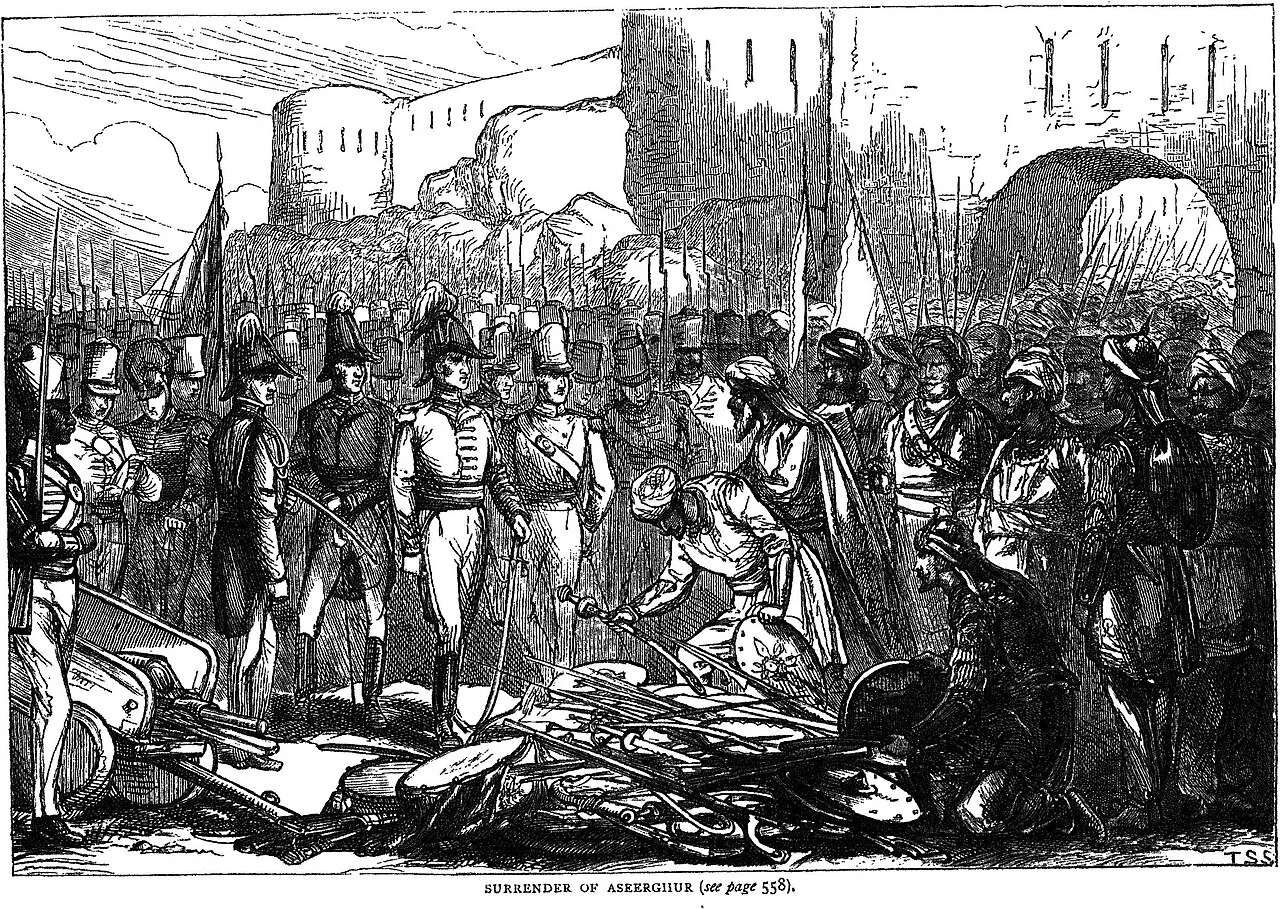
Asirgarh Fort, near Nepanagar

City guide · Madhya Pradesh

Nepanagar

Nepanagar is an industrial township in Burhanpur district, best known as the home of Nepa Mills Limited, a pioneer in Indian newsprint production. The mill began production in 1956 and helped give the town its identity and purpose.

Famous for

  • Nepa Mills newsprint
  • Industrial township
  • Wastepaper-based paper production
  • Tapti river region
In the city
1
District
Burhanpur

Why Nepanagar matters

Nepanagar is an industrial township in Burhanpur district, best known as the home of Nepa Mills Limited, a pioneer in Indian newsprint production. The mill began production in 1956 and helped give the town its identity and purpose. Its history—from using locally available forest materials to adopting wastepaper as a principal raw material—reflects the changing story of India’s paper industry.

Set between Burhanpur and Khandwa, Nepanagar is also a railway and road stop in the Tapti region, surrounded by villages and a working township shaped by the mill. Visitors with an interest in industrial history may find the mill and its planned residential neighbourhoods distinctive, although access to mill premises should be confirmed locally. The town can also serve as a quieter base for exploring the wider Burhanpur area, including its historic sites. Nepanagar is not a major shopping or resort destination; its appeal lies chiefly in its industrial heritage and its place in the region’s everyday life.

Famous for: crafts, trade & products

Newsprint is Nepanagar’s defining product. Nepa Mills was established to manufacture paper for the Indian press, initially using Salai wood and bamboo available in nearby forests. The mill later shifted towards wastepaper, including old newspapers, and developed different grades of newsprint. Its industrial story is more central to the town’s identity than any particular textile, handicraft or GI-tagged product; no widely recognised local craft or specialty market defines Nepanagar.

The mill and its township are the principal places to understand this industrial legacy, but they are working premises rather than assured visitor attractions. Ask locally about access or whether mill products can be purchased directly; availability should not be assumed. For everyday shopping, explore the town’s bazaar and shops around the main residential and transport areas, where ordinary household goods and regional provisions are sold. Travellers seeking a broader selection of crafts, textiles or heritage-related shopping can look to Burhanpur, a larger nearby town. Nepanagar is best approached as a place of industrial interest, not as a dedicated retail destination.

History

Nepanagar’s modern history is closely tied to the development of its paper mill. The enterprise was founded in 1948 as the National News Print Ltd, later known as Nepa Mills Limited, with the aim of producing newsprint in India. Production began in 1956, when the mill was inaugurated by Prime Minister Jawaharlal Nehru. Its early operations used Salai wood and bamboo from surrounding forests, and the mill became a major industrial presence in the district.

Expansion programmes in 1967, 1978 and 1989 increased its installed capacity. Over time, the mill moved from forest-based raw materials towards wastepaper, adapting its processes to handle different grades of recovered paper. This shift also linked the plant to recycling and reduced dependence on fresh forest resources. The residential township grew alongside the mill, providing housing and services for its workforce. Nepanagar’s growth has therefore been shaped less by an old royal centre or colonial-era administrative role than by post-independence industrial development.

Food, festivals & culture

Nepanagar’s daily culture reflects its character as a working township in the Burhanpur region. Hindi is widely used, while Marathi, Urdu and regional speech may also be heard in the surrounding area. There is no single food or performance tradition that is especially identified with the town. Local eateries and homes serve familiar central Indian meals, and visitors can look for everyday snacks and regional dishes in the bazaar rather than expect a specialised food trail.

Diwali, Holi, Navratri and Ganesh Chaturthi are commonly observed, with Eid also marked by local Muslim communities. Their timing follows the usual Hindu and Islamic calendars, so dates vary each year. Worship takes place at neighbourhood temples and mosques, which are part of community life rather than major pilgrimage attractions. Music, devotional singing and folk entertainment may feature during festivals and local gatherings, but Nepanagar is not widely known for a distinct city-specific dance or music form. For a fuller experience of regional food and heritage, visitors can explore nearby Burhanpur as well.

Visiting the city

The cooler months from October to February are generally the most comfortable for visiting. Nepanagar has its own railway station on the Bhusawal–Itarsi route. The nearest airport is Jalgaon Airport; check current flight availability before planning around it, as services may be limited. The town is also reached by road from the Burhanpur side, with a turn near Asirgarh leading towards Nepanagar.

Local travel is mainly by road, with auto-rickshaws and other local transport options best confirmed on arrival. Explore the mill township, station surroundings and local bazaar for a sense of everyday life, but confirm permission before approaching mill premises. Nearby Burhanpur offers a wider range of heritage sights, while Asirgarh Fort can be considered as an excursion; check road conditions and access locally.

Attractions

Places to visit in Nepanagar

Sights within about 12 km of each other, even when they fall in different districts.

Map

Nepanagar on the map

  1. 1Asirgarh Fort

Madhya Pradesh

Other cities to explore