
Ghumoopedia — Explore, Discover, Experience
Sign in
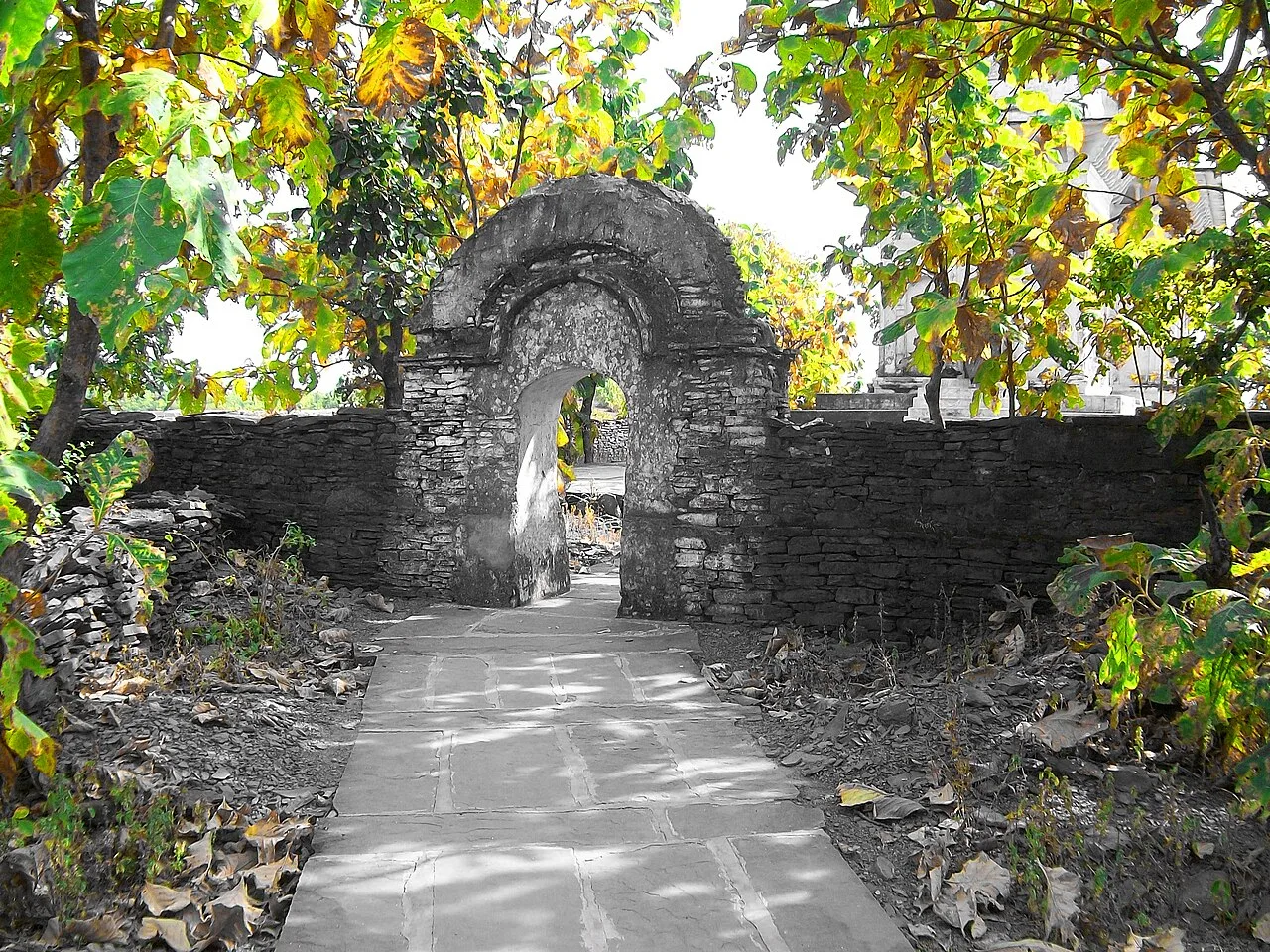
Kundalpur Jain Temples, near Hindoria

City guide · Madhya Pradesh

Hindoria

Hindoria is a town and nagar panchayat in Damoh district, in the Bundelkhand region of Madhya Pradesh. Its importance today is mainly local: it serves residents and nearby villages, while Damoh provides a larger centre for district services and onward travel.

Famous for

  • Lodhi jagir heritage
  • 1857 resistance history
  • Chhatrasal-era connections
  • Bundelkhand regional culture
In the city
0
Nearby
1
District
Damoh
Plan a trip

Why Hindoria matters

Hindoria is a town and nagar panchayat in Damoh district, in the Bundelkhand region of Madhya Pradesh. Its importance today is mainly local: it serves residents and nearby villages, while Damoh provides a larger centre for district services and onward travel. Hindoria is best known beyond the area for its association with a historic Lodhi jagir and the resistance to British rule in 1857.

The town is not a major tourist hub, and visitors should not expect extensive sightseeing infrastructure. Its appeal is chiefly to people exploring Damoh district, tracing regional history or visiting family and local religious sites. Hindoria’s setting offers a glimpse of everyday life in a smaller Bundelkhand town, with the surrounding countryside and nearby district destinations adding context to a visit. Travellers interested in the area’s past can learn about the local rulers and leaders who took part in the 1857 rebellion. For a wider choice of services and connections, Damoh is the principal nearby urban centre.

Famous for: crafts, trade & products

Hindoria is associated most strongly with its former Lodhi jagir and the local leaders linked to the 1857 uprising. It is not widely identified with a signature textile, handicraft, or GI-tagged product, nor is it known as a major manufacturing centre. The town’s role is more that of a local service and trading centre for residents and surrounding villages.

For everyday shopping, visitors can look to the central market area and local shops for household necessities and commonly used goods. These are practical places to see the town’s ordinary commercial life, rather than specialist craft destinations. Visitors seeking a broader range of retail options or locally made regional goods can enquire in Damoh, the larger nearby centre. No particular Hindoria-made product or dedicated craft market is established as a visitor attraction, so it is best to ask locally about seasonal or small-scale goods rather than expect a fixed shopping circuit.

History

Hindoria’s history is closely tied to the Lodhi estate, also known as the Hindoria Riyasat or jagir. It was established by Raja Budhh Singh Lodhi, who was associated with Maharaja Chhatrasal Bundela. The estate formed part of the region’s network of local powers and settlements.

During the rebellion of 1857, Raja Kishore Singh Lodhi of Hindoria joined other local leaders in opposing British rule. Among those named in accounts of the resistance are Raja Devi Singh of Singrampur, Pancham Singh of Karijog, Gangadhar Rao, Raghunath Rao, Mejban Singh and Govind Rao. Their participation places Hindoria within the wider story of resistance in central India, rather than only within the history of a single estate.

In modern times Hindoria developed as a town and local administrative centre within Damoh district. Its present identity combines this historic association with the everyday role of a small town serving nearby communities.

Food, festivals & culture

Hindoria shares much of its everyday culture with the wider Bundelkhand region. Hindi is used widely, and Bundeli is also spoken locally. Meals commonly reflect central Indian home cooking, with wheat-based breads, pulses and seasonal vegetables. Dal bafla is known across Madhya Pradesh, while local households may prepare their own regional variations; Hindoria is not especially documented for a signature dish or sweet.

Holi, usually celebrated in spring, and Diwali, generally in autumn, are among the major annual festivals. Navratri and Dussehra are also observed, with worship and community gatherings shaped by local practice. The town’s religious life is expressed through neighbourhood places of worship and family observances; visitors can ask residents about local temples and other sites rather than assume a particular landmark is a tourist attraction. Music, devotional singing and regional dance traditions are part of the broader cultural setting, though performances are more likely to be tied to festivals and community events than to regular visitor programmes.

Visiting the city

The cooler months, roughly October to March, are generally the most comfortable time to visit; summer can be hot and the monsoon brings rain. Jabalpur Airport is the nearest major airport, while Damoh railway station is the main railhead commonly used for reaching the area. From Damoh, continue to Hindoria by road; local transport options can be checked on arrival.

The town centre and its market area are useful places to begin, offering a sense of everyday local life. Visitors interested in Hindoria’s past can ask locally about sites associated with the former jagir, as historic interpretation and visitor facilities may be limited. The surrounding rural landscape can be explored as part of a wider Damoh-district trip. Allow time to arrange transport beyond the town centre, especially for visits to nearby areas.

Short trips

Around Hindoria

Within about 40 km — easy half-day or day trips from the city.

Map

Hindoria on the map

  1. 1Kundalpur Jain Temples

Madhya Pradesh

Other cities to explore