Ghumoopedia — Explore, Discover, Experience
Sign in
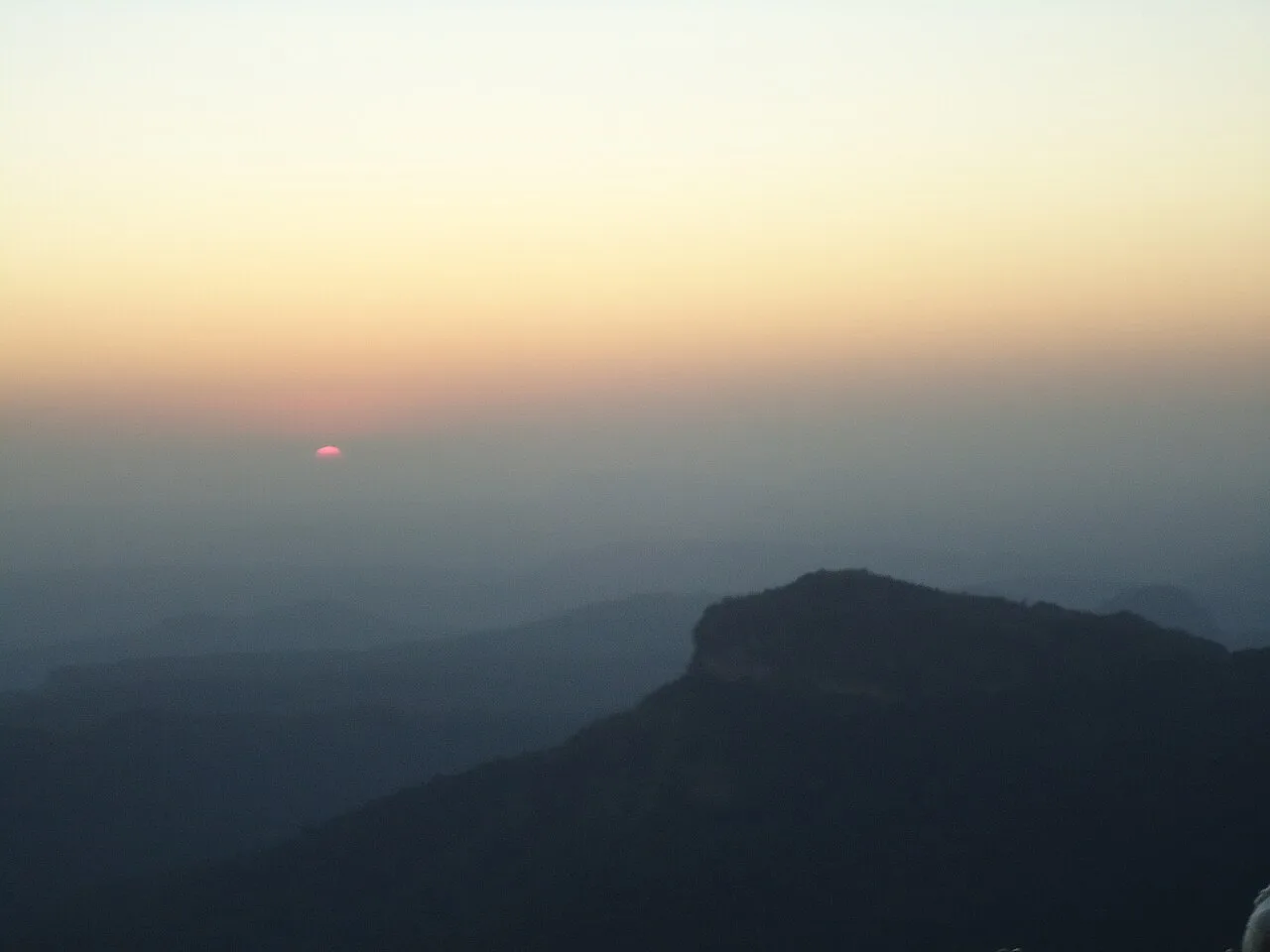
Dhupgarh Peak, near Pachmarhi

City guide · Madhya Pradesh

Pachmarhi

Pachmarhi is a hill station in the Satpura Range of Madhya Pradesh, set at about 1,067 metres in a forested valley. Known as Satpura ki Rani, or “Queen of Satpura,” it is a cool-climate retreat and a base for exploring the surrounding hills, caves and waterfalls.

Famous for

  • Satpura hill station
  • Dhupgarh sunset views
  • Bee Fall and waterfalls
  • Pandav caves
  • Chauragarh Shiva pilgrimage
  • Satpura wilderness
In the city
3
Nearby
1
District
Hoshangabad

Why Pachmarhi matters

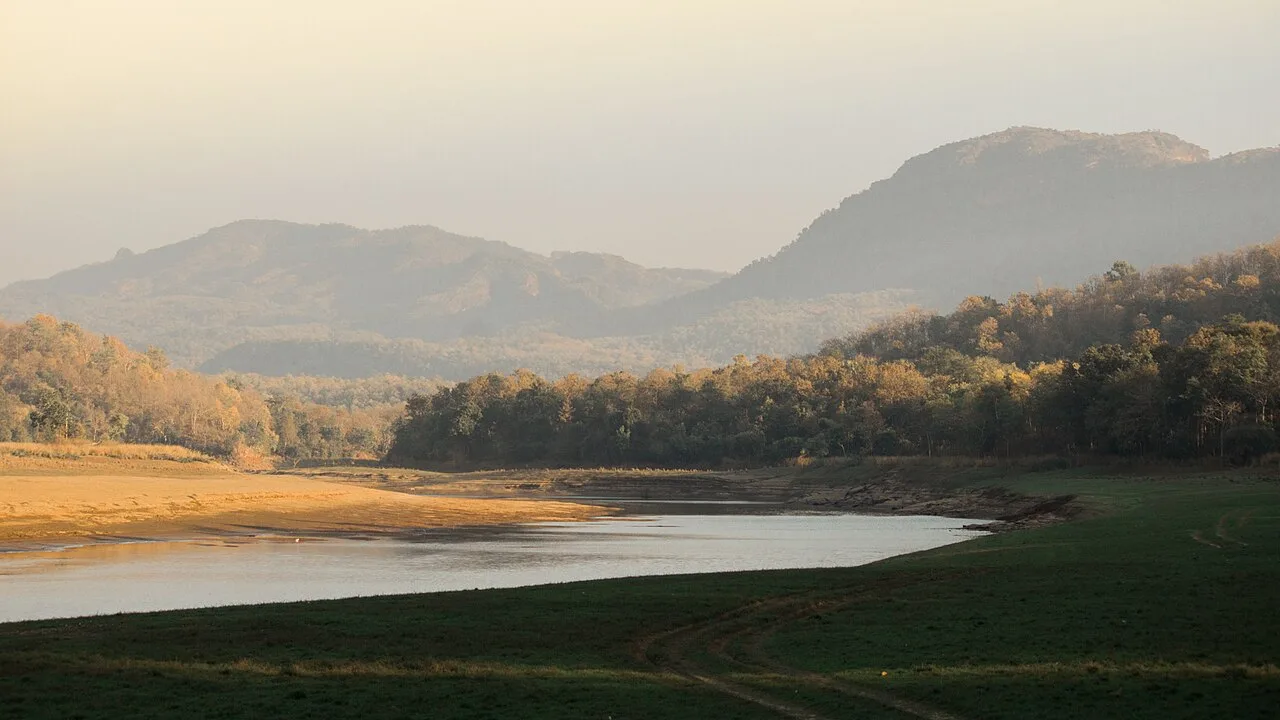
Pachmarhi is a hill station in the Satpura Range of Madhya Pradesh, set at about 1,067 metres in a forested valley. Known as Satpura ki Rani, or “Queen of Satpura,” it is a cool-climate retreat and a base for exploring the surrounding hills, caves and waterfalls. The town lies within the Pachmarhi Biosphere Reserve and the Satpura Tiger Reserve, giving it an unusual mix of settlement, protected forest and wildlife habitat.

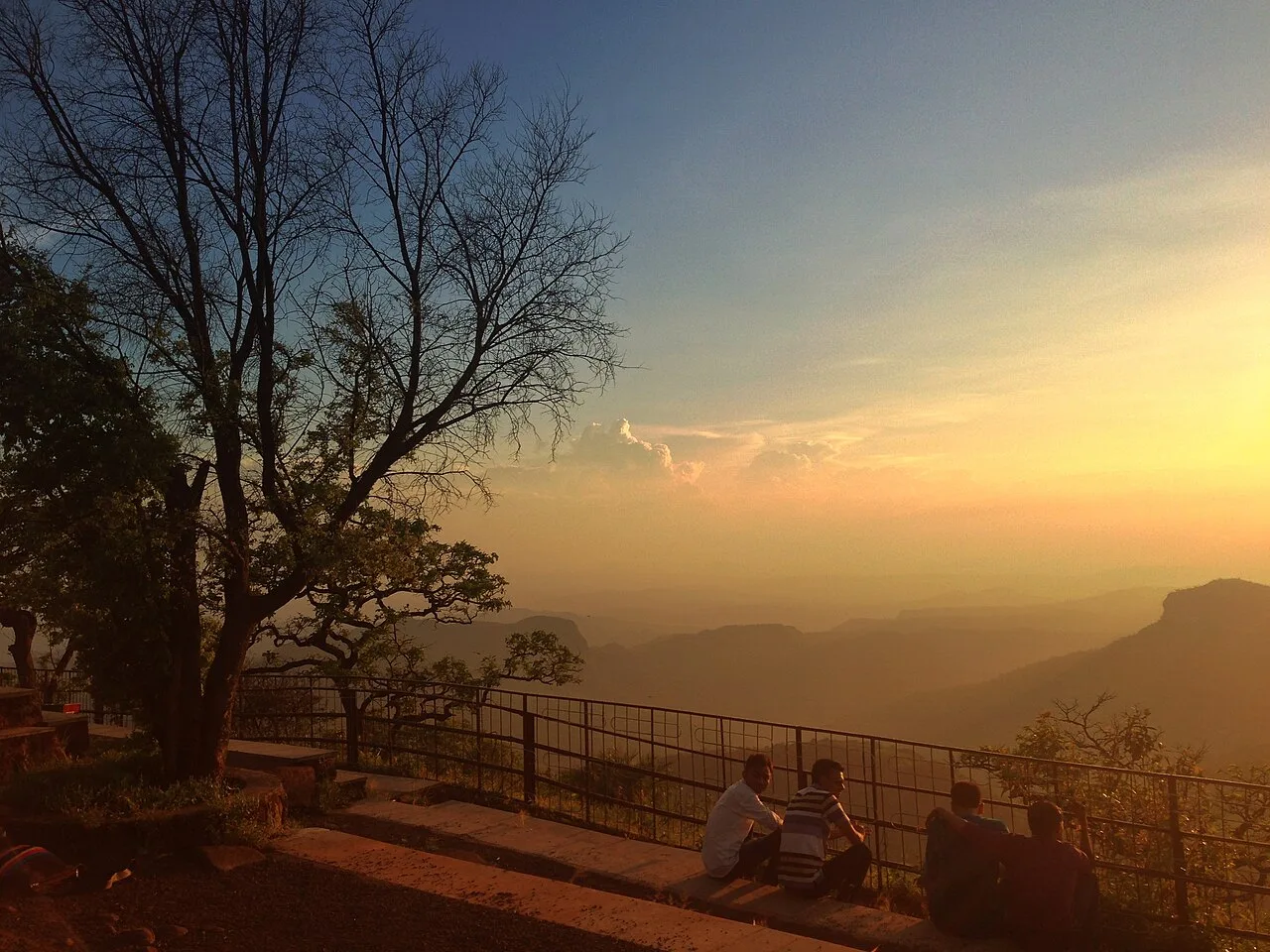
Visitors come for viewpoints such as Dhupgarh, deep ravines and cascades including Bee Fall, as well as the Pandav caves and Shiva shrines at Jatashankar and Chauragarh. Walking, sightseeing and nature-focused outings shape much of the local visitor experience; access to some natural areas is subject to conservation rules. Pachmarhi also retains a cantonment character, with the Indian Army’s presence part of town life. Its importance today rests on tourism, its setting within a nationally significant landscape and its role as one of central India’s best-known highland escapes.
Famous for: crafts, trade & products

Pachmarhi is best known for its natural attractions and visitor services rather than for a signature textile, handicraft, GI-tagged product or major manufacturing industry. The local economy is closely tied to tourism, forestry and the cantonment. Hotels, cottages, resorts, guides and transport services cater to visitors, while the surrounding forests are noted for medicinal plants and native fruit trees, including jamun, tendu and custard fruit. These are features of the local landscape, not a guarantee of organised markets or packaged products.

For visitors, the town’s hotels and shops are the most practical places to look for everyday supplies and travel essentials; there is no widely recognised specialist craft district or destination market to seek out. Excursions are the main local “product”: waterfalls, caves, viewpoints and forest scenery are reached from town, subject to applicable access arrangements. The National Adventure Institute also brings an institutional dimension to Pachmarhi through its adventure training camps. Travellers looking specifically for regional crafts or Madhya Pradesh products may find a broader selection in larger cities rather than relying on Pachmarhi as a dedicated craft-shopping centre.

History

The name Pachmarhi is commonly linked to the Hindi words panch, meaning five, and marhi, meaning caves. Local legend associates the hilltop caves with the five Pandava brothers of the Mahabharata, though this is a traditional account rather than a settled historical explanation. The region passed through Bhonsle and Maratha rule and later formed part of the Gond kingdom of Bhagvat Singh; it had no permanent settlement before the colonial period.

Modern Pachmarhi took shape in 1857, when British Army officer Captain James Forsyth and Subhedar Major Nathoo Ramji Powar encountered the plateau. The British developed it as a hill station and sanatorium for troops in the Central Provinces, and it later served as the provinces’ summer capital. A cantonment remains central to the town’s character. In modern times, conservation has also shaped development: Pachmarhi is within a protected biosphere landscape, recognised by UNESCO as a Biosphere Reserve in 2009, and tourism operates alongside wildlife and forest protection.

Food, festivals & culture

Pachmarhi’s food reflects its role as a small hill town serving residents, visitors and cantonment personnel, rather than a widely documented signature cuisine. Visitors will generally find familiar Madhya Pradesh and central Indian meals at hotels and eateries. Local forest fruits such as jamun and custard fruit grow in the wider area, but availability varies by season and they are not a guaranteed speciality on menus. Hindi is the main language of everyday communication; English is also used in tourism settings, and regional languages are heard among residents and visitors.

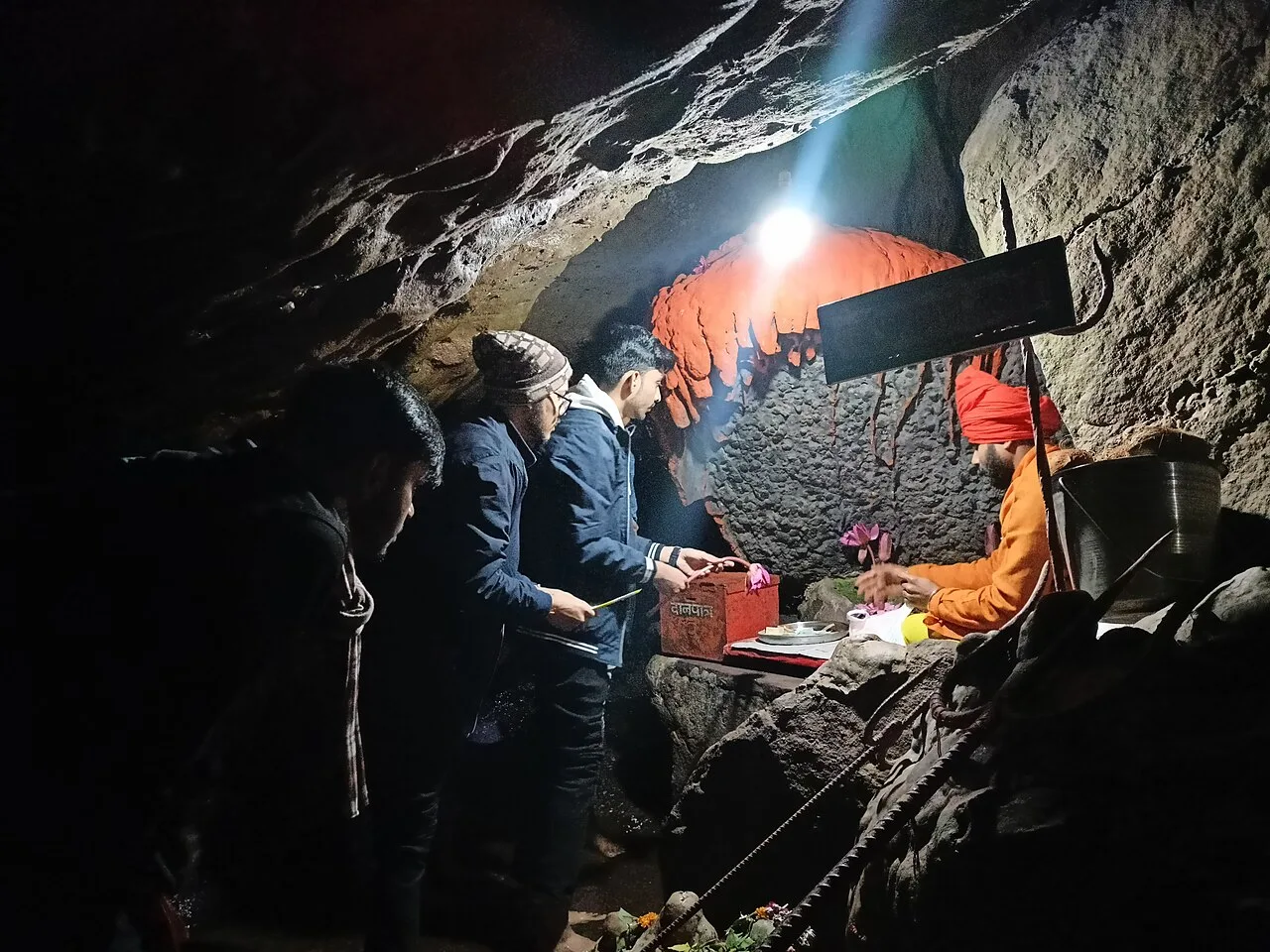
Religious life is especially visible at Shiva sites such as Jatashankar, Mahadeo and Chauragarh. Mahashivratri draws large numbers of devotees to Chauragarh, while Nagpanchami is another important occasion there. Pachmarhi’s late-December Utsav brings stage performances and public festivities to town. Rather than having one defining urban music or dance tradition, the town’s cultural life blends pilgrimage, seasonal gatherings and programmes for visitors, set against the landscape and the area’s long-standing military presence.

Visiting the city

October to April is generally a comfortable period for sightseeing, with cooler winter weather especially pleasant for walking and viewpoints. The monsoon brings lush scenery and fuller waterfalls, but rain can make outdoor outings less predictable. Bhopal and Jabalpur are the nearest airports named for access to Pachmarhi; Pipariya is the main nearby railway station, while Itarsi is another major rail junction. Road journeys connect the town with Pipariya and other regional centres.

Within Pachmarhi, local taxis or hired vehicles are useful for reaching dispersed sights, while some waterfalls, caves and viewpoints require walking. Explore the town centre for accommodation and services, then plan outings to Bee Fall, Jatashankar and Apsara Vihar, or set aside time for Dhupgarh and Chauragarh. Check local guidance on access to protected areas before setting out.

Attractions

Places to visit in Pachmarhi

Sights within about 12 km of each other, even when they fall in different districts.

Short trips

Around Pachmarhi

Within about 40 km — easy half-day or day trips from the city.

Map

Pachmarhi on the map

  1. 1Dhupgarh Peak
  2. 2Jatashankar
  3. 3Pachmarhi Hill Station
  4. 4Satpura Tiger Reserve

Madhya Pradesh

Other cities to explore