Ghumoopedia — Explore, Discover, Experience
Sign in
Gwalior Fort, near Gwalior

City guide · Madhya Pradesh

Gwalior

Gwalior is a historic city in northern Madhya Pradesh and an important administrative, commercial and cultural centre for the surrounding region. Its hilltop fort, visible across much of the city, is the landmark most visitors come to see.

Famous for

  • Gwalior Fort
  • Gwalior gharana music
  • Tansen’s musical legacy
  • Chaturbhuj Temple inscription
  • Gajak and local sweets
In the city
4
District
Gwalior

Why Gwalior matters

Gwalior is a historic city in northern Madhya Pradesh and an important administrative, commercial and cultural centre for the surrounding region. Its hilltop fort, visible across much of the city, is the landmark most visitors come to see. Within and around the fort are palaces, temples and Jain sculptures that trace centuries of changing rule and artistic patronage. The city is also associated with an early written use of zero at Chaturbhuj Temple.

Music is central to Gwalior’s identity. The city is closely linked with the Gwalior gharana of Hindustani classical music and with Tansen, whose tomb is a place of pilgrimage for music lovers. Gwalior is part of UNESCO’s Creative Cities Network as a City of Music, and its annual Tansen music festival draws performers and audiences. The districts of Lashkar, the old fort city and Morar each have their own character, while the wider urban area serves as a base for exploring nearby heritage sites and towns.
Famous for: crafts, trade & products

Gwalior’s best-known associations are its fort, classical music and food rather than a single locally made textile or handicraft. The city’s bazaars sell everyday clothing, household goods, jewellery and regional specialities. In Lashkar, Maharaj Bada and the surrounding market lanes are useful areas to browse; the old-city bazaars offer a more traditional shopping atmosphere. Ask sellers about the origin of handloom goods, since products from across Madhya Pradesh are traded here.

Chanderi sarees, a GI-tagged textile from the town of Chanderi, and Morena Gajak, a GI-tagged sesame sweet from neighbouring Morena district, may be available through regional shops, but neither should be mistaken for a product made specifically in Gwalior. Gajak and other sweets are among the city’s popular edible purchases. Gwalior also serves a wider industrial and commercial belt, with manufacturing and trade in the surrounding region. Its cultural institutions and music organisations help sustain the city’s reputation as a centre for classical performance and musical learning.

History

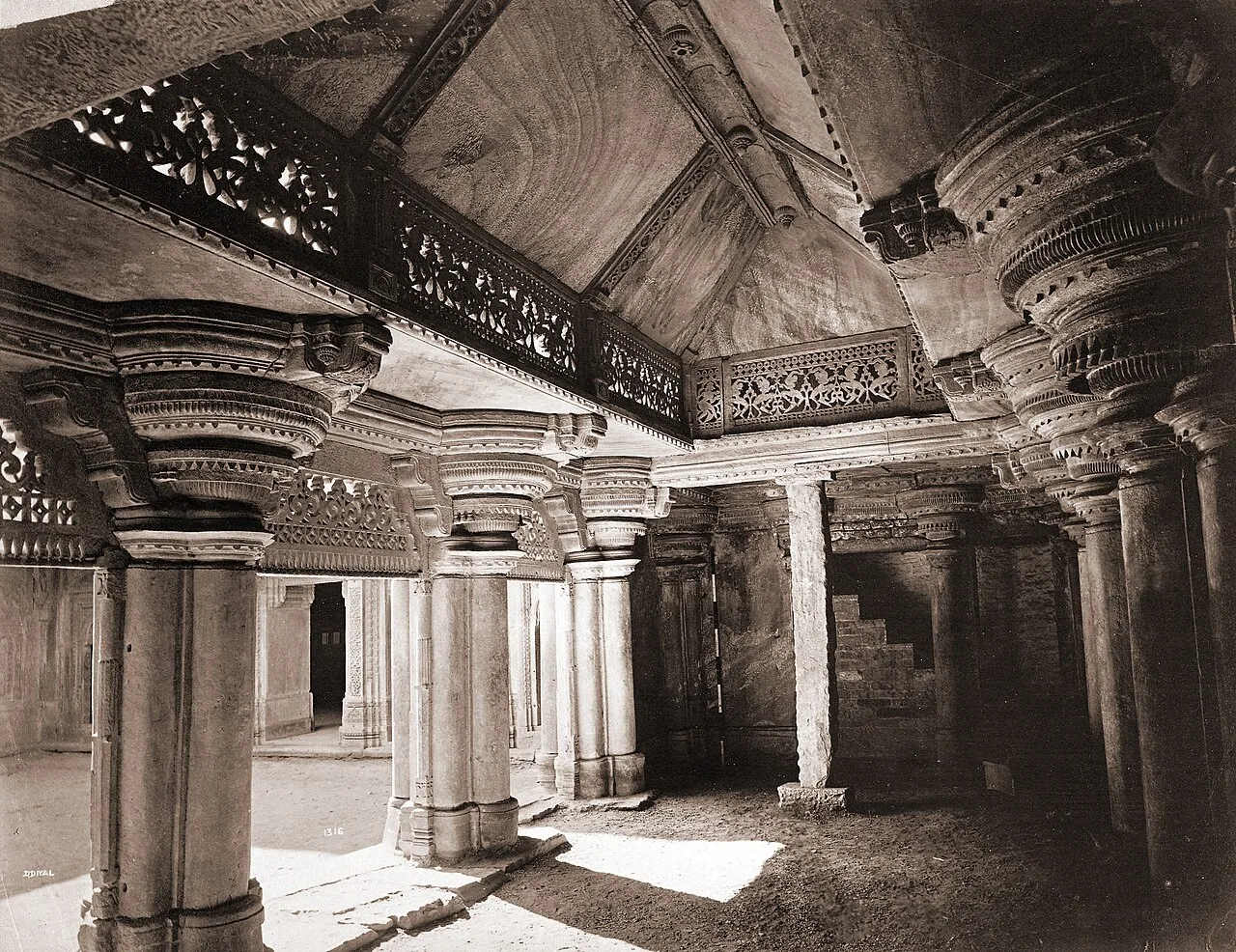
Tradition connects Gwalior’s beginnings with the hill and fort, once known by names including Gopgiri and Gopachal. The city’s early history is recorded in inscriptions, including one associated with the Alchon Hun ruler Mihirakula. Gurjara-Pratiharas and later Kachchhapaghatas left important religious architecture. In the 13th century, the Delhi Sultanate captured the fort; from the 14th century, Tomar rulers developed it into a major centre. Raja Man Singh Tomar’s palace and the fort’s temples and sculptures are reminders of that period.

Mughal rule was followed by control under Jat and Maratha powers, including the Scindias, who made Gwalior the centre of a princely state. The city was caught up in the 1857 rebellion, and Rani Lakshmibai died fighting near Gwalior in 1858. Under British paramountcy, the Scindia state continued until independence. Gwalior became part of Madhya Bharat and then Madhya Pradesh in 1956. Today it is a regional administrative hub, with expanding urban districts and links to nearby industrial centres.

Food, festivals & culture

Gwalior’s food reflects the flavours of northern Madhya Pradesh: poha, kachori and other savoury snacks are common, while gajak, a sesame-and-jaggery sweet, is a popular treat, especially in the cooler months. Local sweet shops and market food stalls are good places to sample these. Hindi is widely spoken; Bundeli and Braj influences are also heard in the region.

The city’s musical life centres on Hindustani classical music and the Gwalior gharana. The winter Tansen Samaroh brings classical musicians to perform in honour of Tansen, and other concerts and cultural events take place through the year. Diwali and Dussehra are observed in autumn, while Holi is celebrated in spring; the Gwalior Trade Fair is a prominent winter event. Places of worship reflect the city’s varied history, from the temples and Jain carvings at the fort to mosques, churches and the Gurudwara Data Bandi Chhor Sahib. The tomb of Tansen is another important cultural landmark.

Visiting the city

October to March is generally the most comfortable season for sightseeing; summers can be very hot, while monsoon brings rain. The nearest airport is Rajmata Vijaya Raje Scindia Air Terminal, also known as Gwalior Airport. Gwalior Junction is the main railway station, with rail connections to major cities. Auto-rickshaws, taxis and local buses serve the city; a taxi or auto is convenient for reaching the fort and sites spread across town.

Explore Gwalior Fort and the old city for palaces, temples and historic lanes. Lashkar, around Maharaj Bada, is a lively area for markets and city life, while Morar offers a different, cantonment-era character. Allow time for the Tansen tomb and nearby cultural landmarks, and consider Gwalior as a base for day trips in the wider region.

Attractions

Places to visit in Gwalior

Sights within about 12 km of each other, even when they fall in different districts.

Map

Gwalior on the map

  1. 1Gwalior Fort
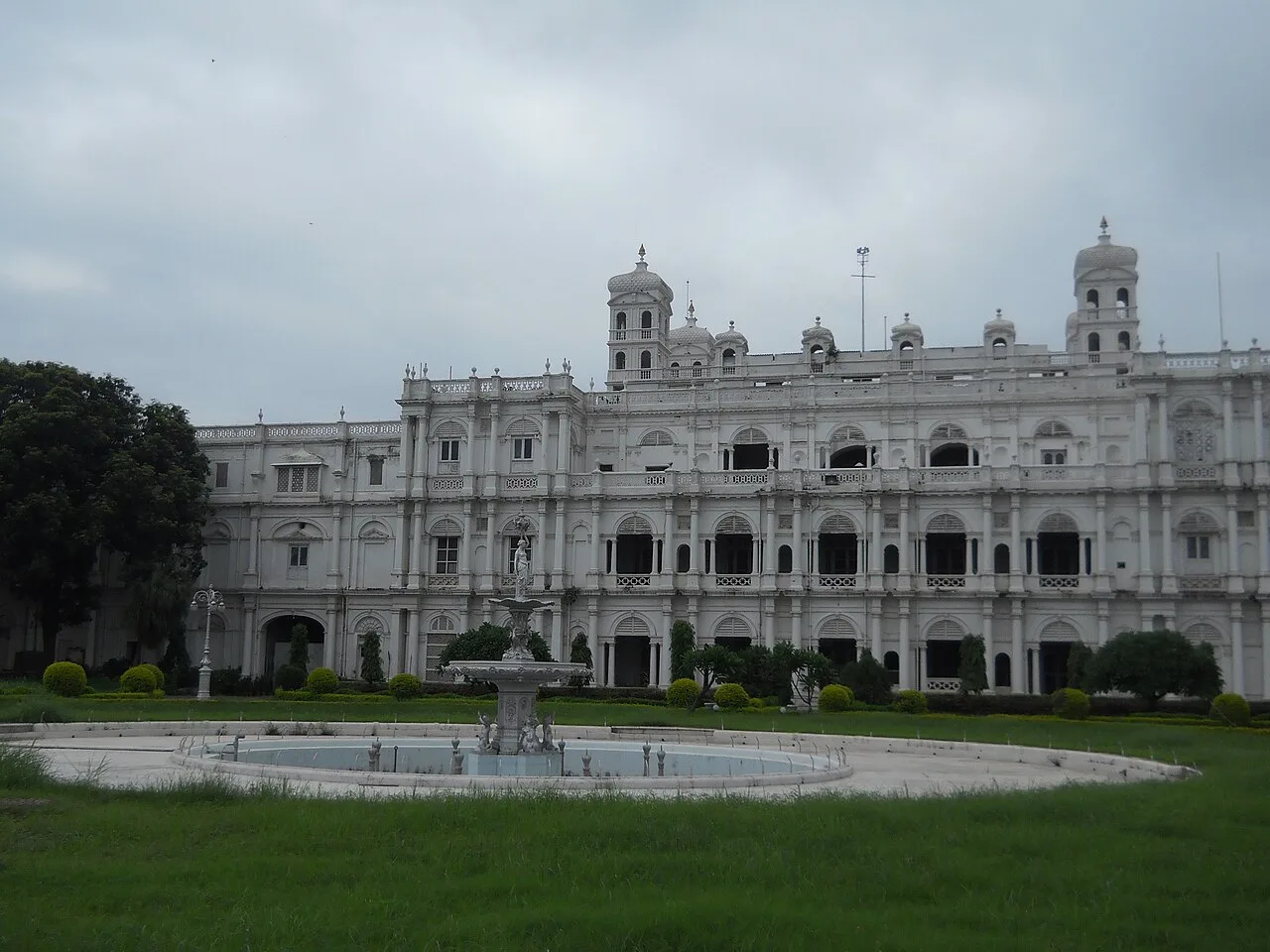
  2. 2Jai Vilas Mahal
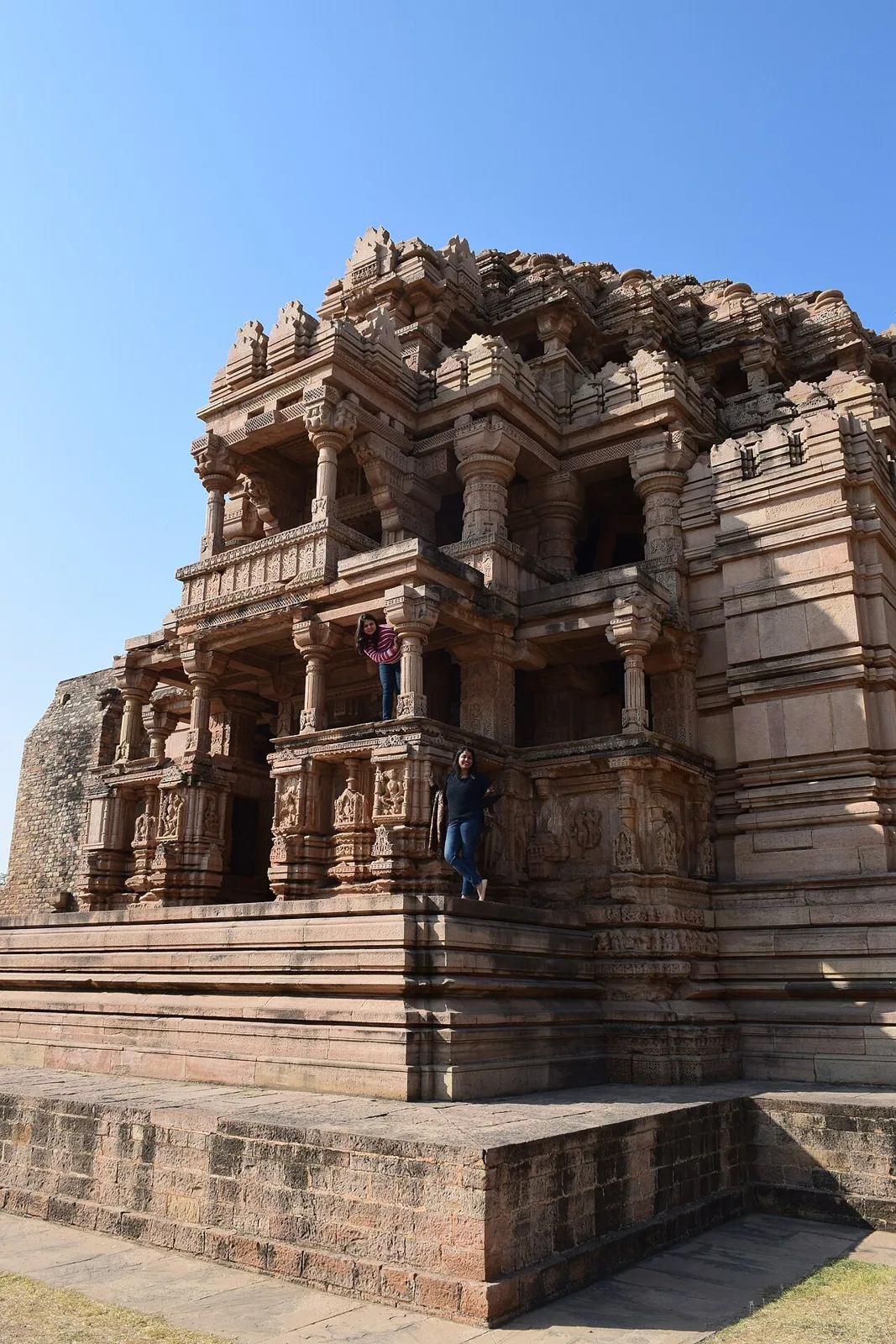
  3. 3Sasbahu Temple
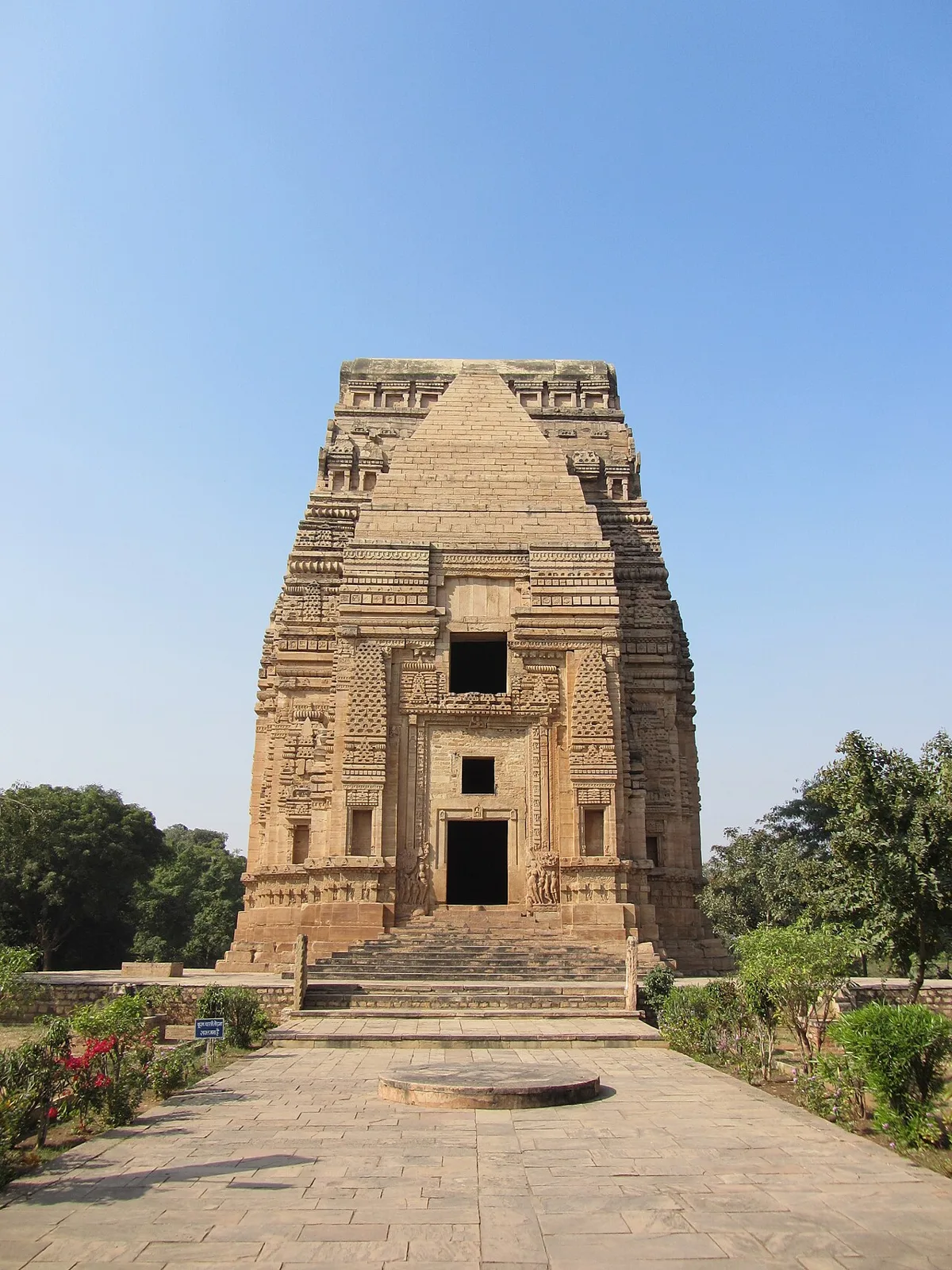
  4. 4Teli ka Mandir

Madhya Pradesh

Other cities to explore