
Ghumoopedia — Explore, Discover, Experience
Sign in
Gohad Fort, near Gohad

City guide · Madhya Pradesh

Gohad

Gohad is a historic town and municipality in Bhind district, in northern Madhya Pradesh. Its location about 45 km from Gwalior connects it with one of the region’s main urban centres, while its local role serves residents of the surrounding area.

Famous for

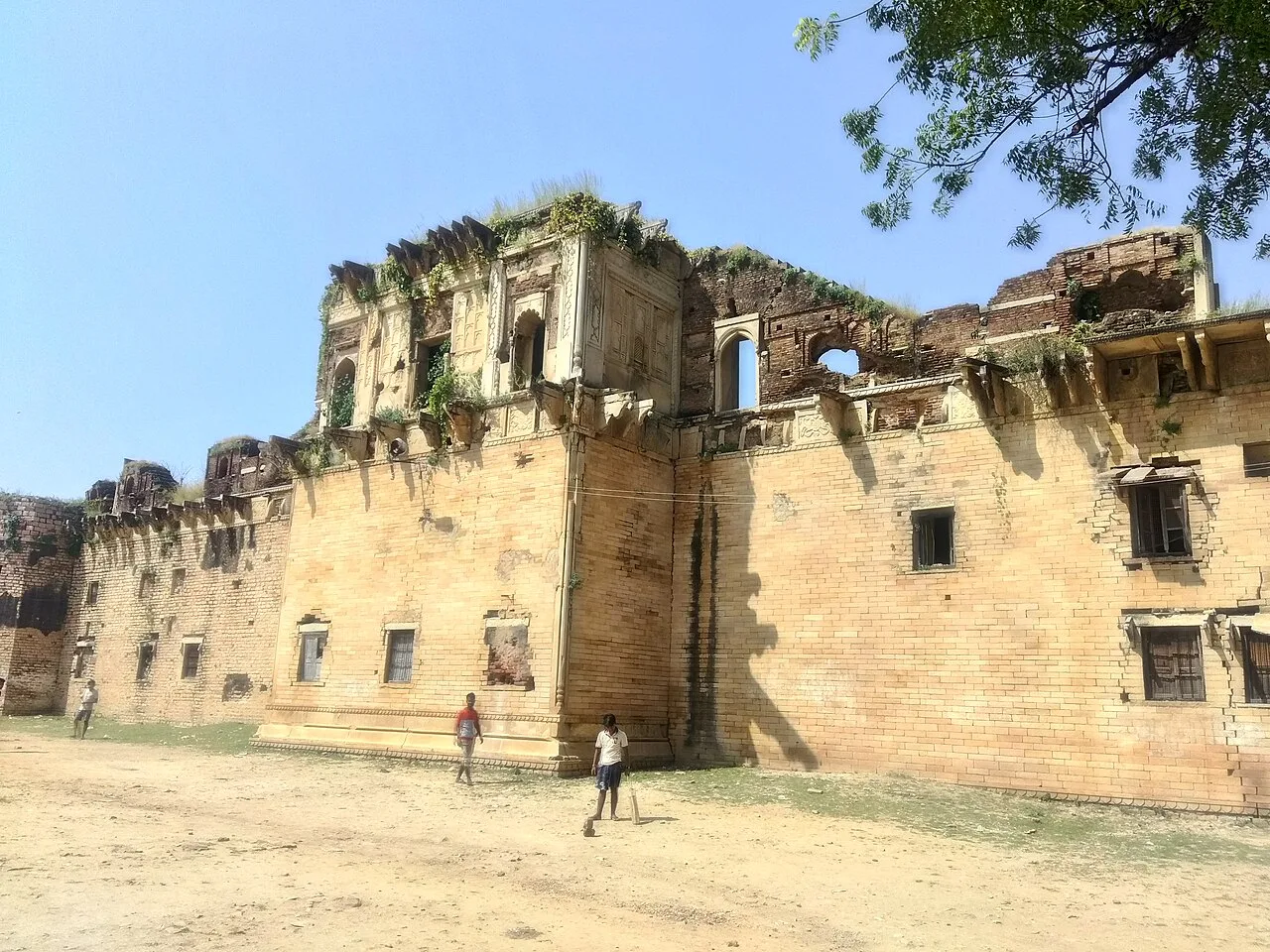
  • Gohad Fort
  • Jat Rana rulers
  • Bhim Singh Rana
  • Chhatar Singh Rana
  • Gohad Dam
In the city
1
Nearby
1
Districts
Bhind, Morena

Why Gohad matters

Gohad is a historic town and municipality in Bhind district, in northern Madhya Pradesh. Its location about 45 km from Gwalior connects it with one of the region’s main urban centres, while its local role serves residents of the surrounding area. The town is best known for Gohad Fort and the history of the Jat Rana rulers, whose influence once extended across the trans-Chambal region. For visitors, the fort and the stories associated with rulers such as Bhim Singh Rana and Chhatar Singh Rana are the principal reasons to stop here.

Gohad also offers a quieter view of the region beyond Gwalior’s busier heritage attractions. The Vaisali River drains the area, and Gohad Dam supplies the town with drinking water. A visit is most rewarding for travellers interested in local history, fortifications and the landscape of the Chambal basin; Gohad is not chiefly known as a shopping or resort destination. Its proximity to Gwalior makes it possible to include the town in a wider regional journey.
Famous for: crafts, trade & products

Gohad’s best-known identity is historical rather than tied to a particular textile, handicraft or food product. The town is not widely recognised for a GI-tagged product or a distinctive craft tradition, so visitors should not expect a dedicated craft bazaar or a signature local shopping district. Its main visitor interest is Gohad Fort and the legacy of the Rana rulers.

For everyday purchases, look to the town’s local shops and market areas for groceries, clothing and household goods; these serve residents and nearby settlements rather than functioning as specialist tourist markets. There is no single named market or product district that defines Gohad’s visitor experience. Travellers seeking a broader choice of regional crafts, branded goods or specialist shopping can plan time in Gwalior, the larger nearby city. Ask locally about current market activity, as small-town trading patterns and available goods can vary. Gohad is best approached as a heritage stop, with shopping treated as a practical part of the visit rather than its main attraction.

History

Gohad’s historic importance grew from the settlement of Jat communities in the town and nearby forts and garhis during the 16th century. The region had earlier been shaped by the Tomar dynasty of Gwalior. Under the Rana rulers, Gohad became a centre of Jat power across the trans-Chambal area. Bhim Singh Rana is remembered for extending that influence and gaining control of Gwalior Fort. Chhatar Singh Rana, also known as Rana Lokendra Singh, became another prominent ruler; he resisted Maratha raids on Gohad and other Jat strongholds and defeated Peshwa Raghunath Rao.

The town’s later history unfolded amid wider political changes in central India, though its most prominent historical accounts focus on the Rana period. In modern Madhya Pradesh, Gohad developed as a municipality in Bhind district. Its fort and historic associations remain central to its identity, while the town also serves the everyday needs of its surrounding communities.

Food, festivals & culture

Everyday food in Gohad reflects the wider north-central Madhya Pradesh region: wheat-based breads, lentils and seasonal vegetables are common meal staples. Tea and familiar Indian snacks are easy to find, while sweets vary by shop and season. Gohad is not especially known for a single signature dish, so visitors looking for a distinctive food trail may find more choice in nearby Gwalior.

Holi, usually celebrated in spring, and Diwali, in autumn, are important occasions, alongside Navratri and other Hindu festivals observed through prayers and community gatherings. Hindi is widely used; local speech also reflects the linguistic influences of the surrounding northern Madhya Pradesh region. Music and dance are generally part of family and festival celebrations rather than a dedicated visitor performance scene. Neighbourhood places of worship are part of daily community life; visitors should dress respectfully and follow local customs. The fort and its historic setting, rather than a formal cultural venue, provide the clearest connection to Gohad’s past.

Visiting the city

The cooler months, roughly October to March, are generally the most comfortable time to visit. Summer can be very hot, and the climate is dry outside the southwest monsoon season; monsoon weather may affect road travel. Gwalior Airport is the nearest major airport, while Gohad Road railway station serves the local area. Gwalior Junction is a larger rail hub nearby, with onward road travel to Gohad.

Within town, local auto-rickshaws and hired vehicles are practical options; confirm availability locally. Begin with Gohad Fort and the surrounding old-town area, then ask locally about access and conditions before setting out. The dam and river landscape may interest visitors, but they are not necessarily organised tourist sites. Gohad is also commonly visited as a side trip from Gwalior, which offers a wider choice of accommodation and services.

Attractions

Places to visit in Gohad

Sights within about 12 km of each other, even when they fall in different districts.

Short trips

Around Gohad

Within about 40 km — easy half-day or day trips from the city.

Map

Gohad on the map

  1. 1Gohad Fort
  2. 2Chausath Yogini Temple

Madhya Pradesh

Other cities to explore