
Ghumoopedia — Explore, Discover, Experience
Sign in
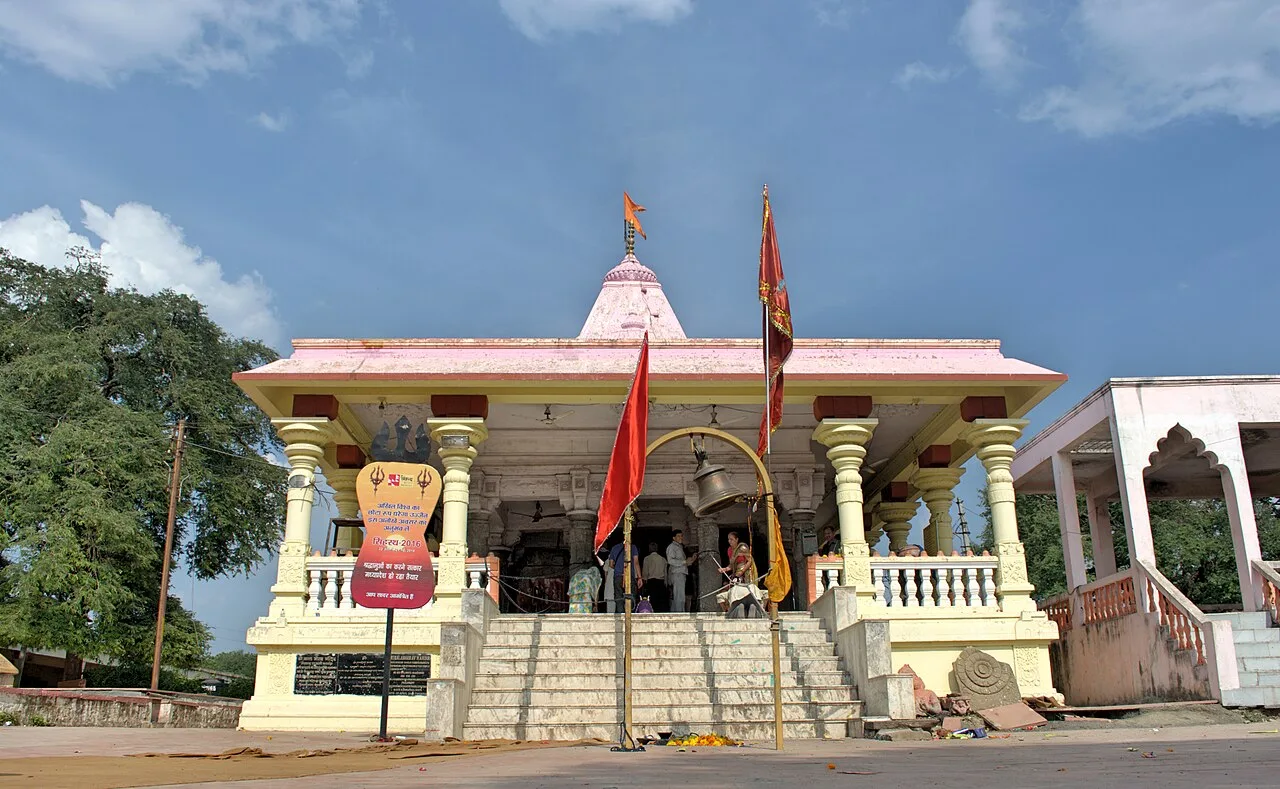
Kal Bhairav Temple, near Ujjain

City guide · Madhya Pradesh

Ujjain

Beyond pilgrimage, Ujjain is a gateway to the history and cultural life of the Malwa region. Its past as the capital of the ancient Avanti kingdom and a prominent centre of trade gives the old city a long-standing place in central India’s story.

Famous for

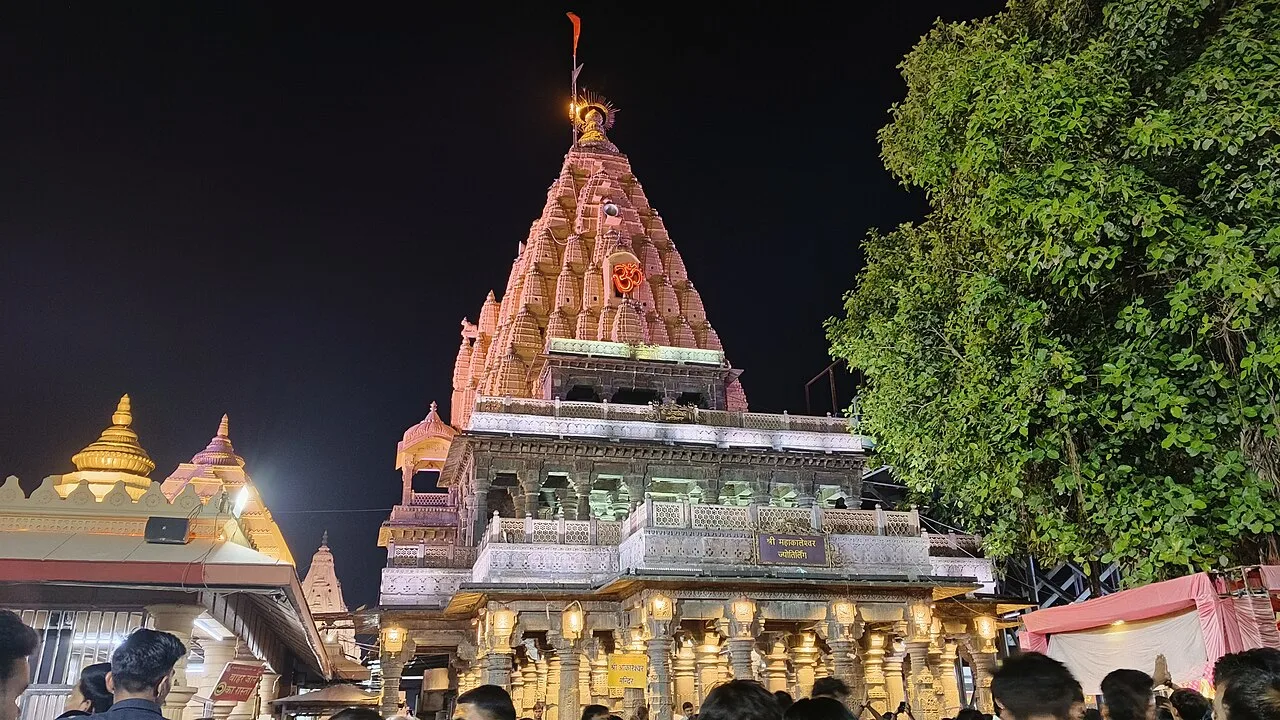
  • Mahakaleshwar Jyotirlinga
  • Simhastha Kumbh Mela
  • Shipra River ghats
  • Bhairavgarh block printing
  • Kal Bhairav Temple
In the city
2
District
Ujjain

Why Ujjain matters

Beyond pilgrimage, Ujjain is a gateway to the history and cultural life of the Malwa region. Its past as the capital of the ancient Avanti kingdom and a prominent centre of trade gives the old city a long-standing place in central India’s story. Visitors come for temple visits, riverside ceremonies and historic observatories, as well as for the city’s markets and Malwi food. The Mahakal Lok precinct has added a prominent public space around the Mahakaleshwar temple complex. Ujjain remains both a living religious centre and a convenient base for exploring the surrounding Malwa plateau.
Famous for: crafts, trade & products

The markets around Tower Chowk, Gopal Mandir and the old city are convenient places to browse for puja supplies, brass and metalware, sweets, snacks and everyday goods. Many shops cater to temple visitors, with offerings and devotional objects prominent near the Mahakaleshwar precinct. Ujjain’s economy is closely tied to pilgrimage, hospitality and retail trade; small manufacturing units are also found in industrial areas such as Nagziri. The city is not especially associated with a signature saree or major textile mill, so visitors seeking famous regional fabrics may also look for Chanderi, Maheshwari or Bagh-print products elsewhere in Madhya Pradesh.

History

Paramara rule, followed by the Delhi Sultanate and Mughal periods, shaped the medieval city. In the eighteenth century, Jai Singh II established an astronomical observatory, and Maratha ruler Ranoji Scindia made Ujjain his capital in 1731. The Scindias later shifted their seat to Gwalior. British administrators favoured the development of Indore, reducing Ujjain’s political prominence, though it remained a regional centre. After independence, Ujjain became part of Madhya Bharat and joined Madhya Pradesh when the state was formed in 1956. Today, pilgrimage and heritage-led development continue to shape the city.

Food, festivals & culture

Mahashivratri, usually in February or March, brings major celebrations to Mahakaleshwar. Navratri is observed in spring and autumn, and Kartik celebrations enliven the ghats and temples in the cooler months. The Simhastha Kumbh Mela takes place every 12 years, with ritual bathing on the Shipra. Hindi and Malwi are widely spoken. Devotional singing, bhajans and folk performance are part of local life; Malwi folk traditions include the lively matki dance. Alongside Mahakaleshwar, places of worship such as Kal Bhairav, Harsiddhi and Mangalnath reflect the city’s varied Hindu traditions.

Visiting the city

Auto-rickshaws and taxis are useful for getting between the station, temples and riverside areas; local buses also serve parts of the city. The Mahakaleshwar precinct and nearby old-city lanes are central to a first visit, while Ram Ghat is a focal point for river rituals and evening ceremonies. Bhairavgarh is worth exploring for block printing. Freeganj offers a more modern mix of shops and eateries, while Tower Chowk and the surrounding bazaars are good for browsing local goods and snacks.

Attractions

Places to visit in Ujjain

Sights within about 12 km of each other, even when they fall in different districts.

Map

Ujjain on the map

  1. 1Kal Bhairav Temple
  2. 2Mahakaleshwar Jyotirlinga

Madhya Pradesh

Other cities to explore