Ghumoopedia — Explore, Discover, Experience
Sign in
Bhedaghat, near Jabalpur

City guide · Madhya Pradesh

Jabalpur

Jabalpur is a major administrative, railway and defence centre in eastern Madhya Pradesh. It is the headquarters of Jabalpur district and division, home to the Madhya Pradesh High Court and the West Central Railway, and an important base for the armed forces.

Famous for

  • Bhedaghat Marble Rocks
  • Dhuandhar Falls
  • Chausath Yogini Temple
  • Madan Mahal Fort
  • Narmada River
In the city
4
District
Jabalpur

Why Jabalpur matters

Jabalpur is a major administrative, railway and defence centre in eastern Madhya Pradesh. It is the headquarters of Jabalpur district and division, home to the Madhya Pradesh High Court and the West Central Railway, and an important base for the armed forces. These roles make the city a practical hub for travel and services across the region.

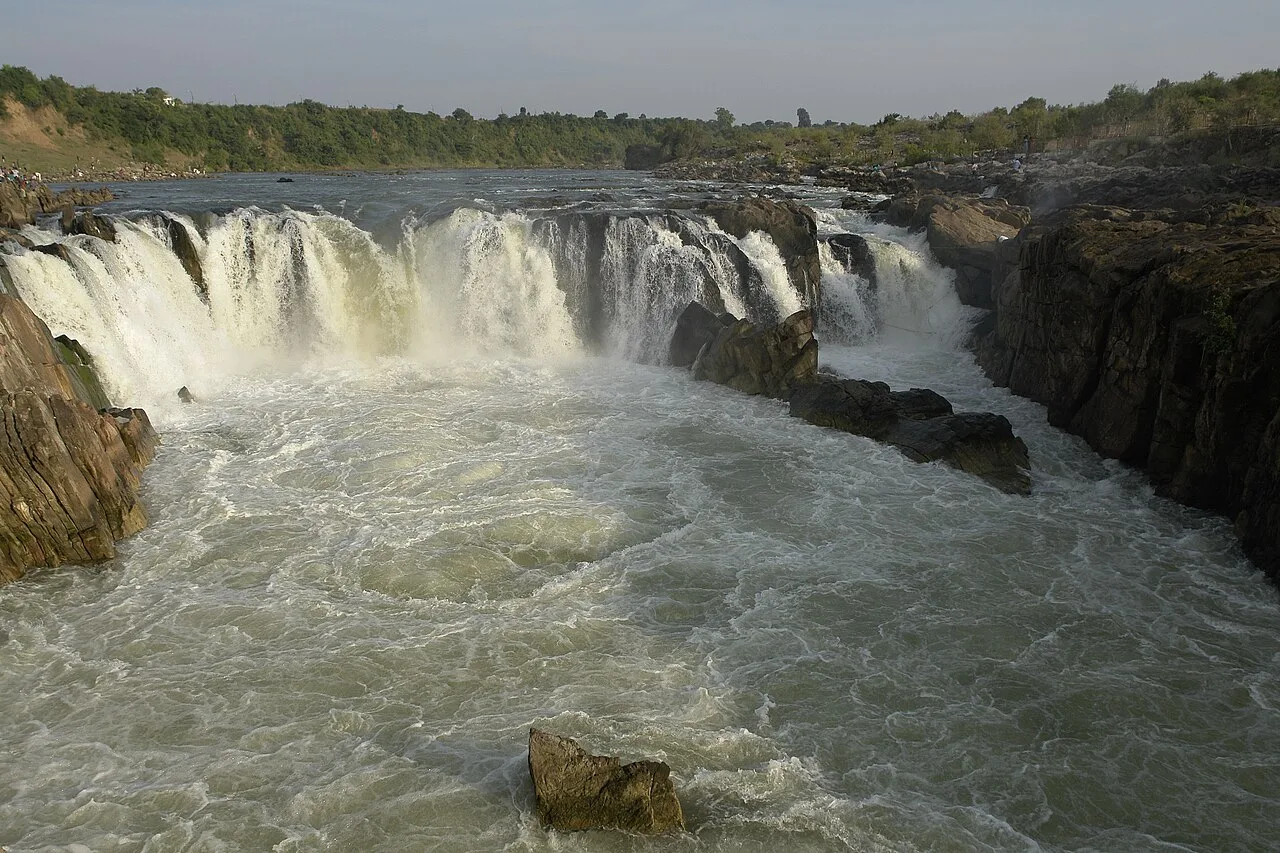
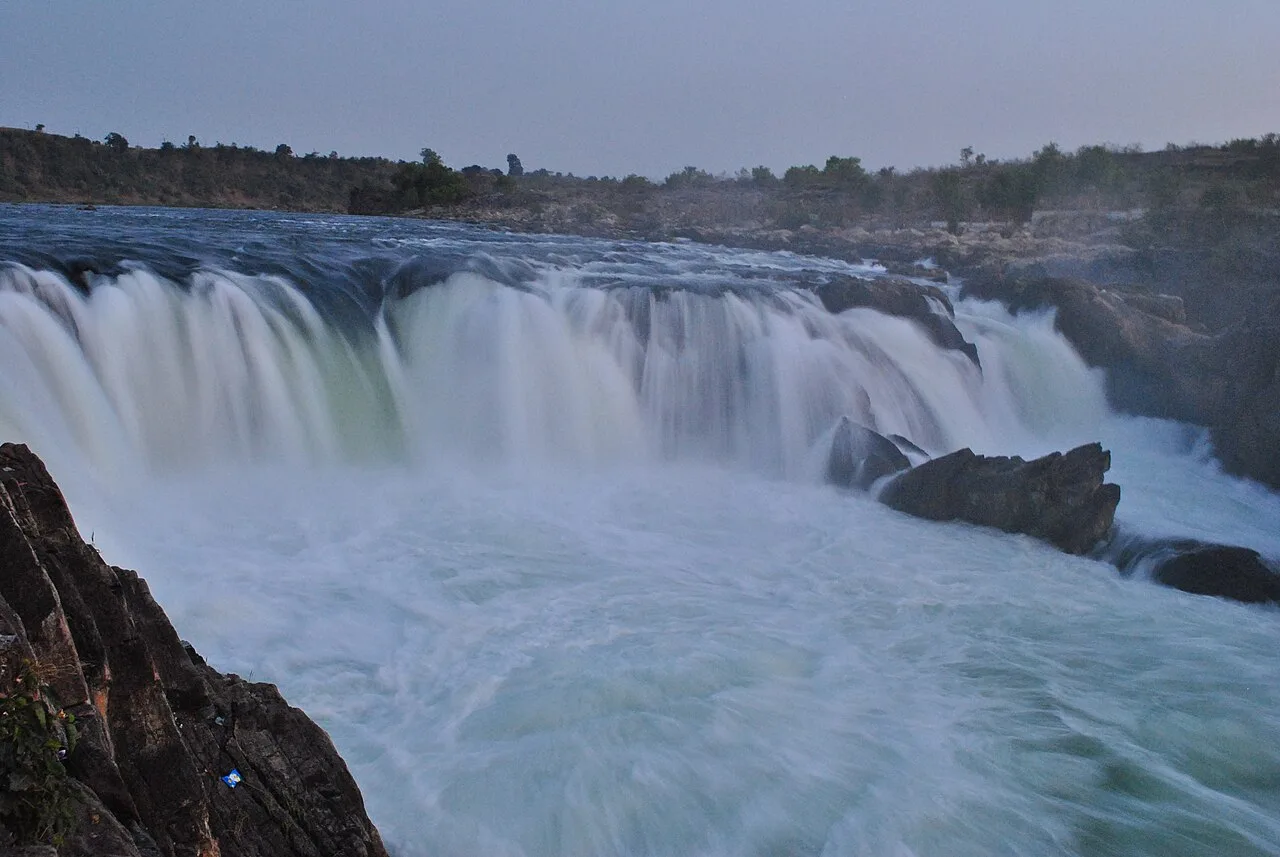
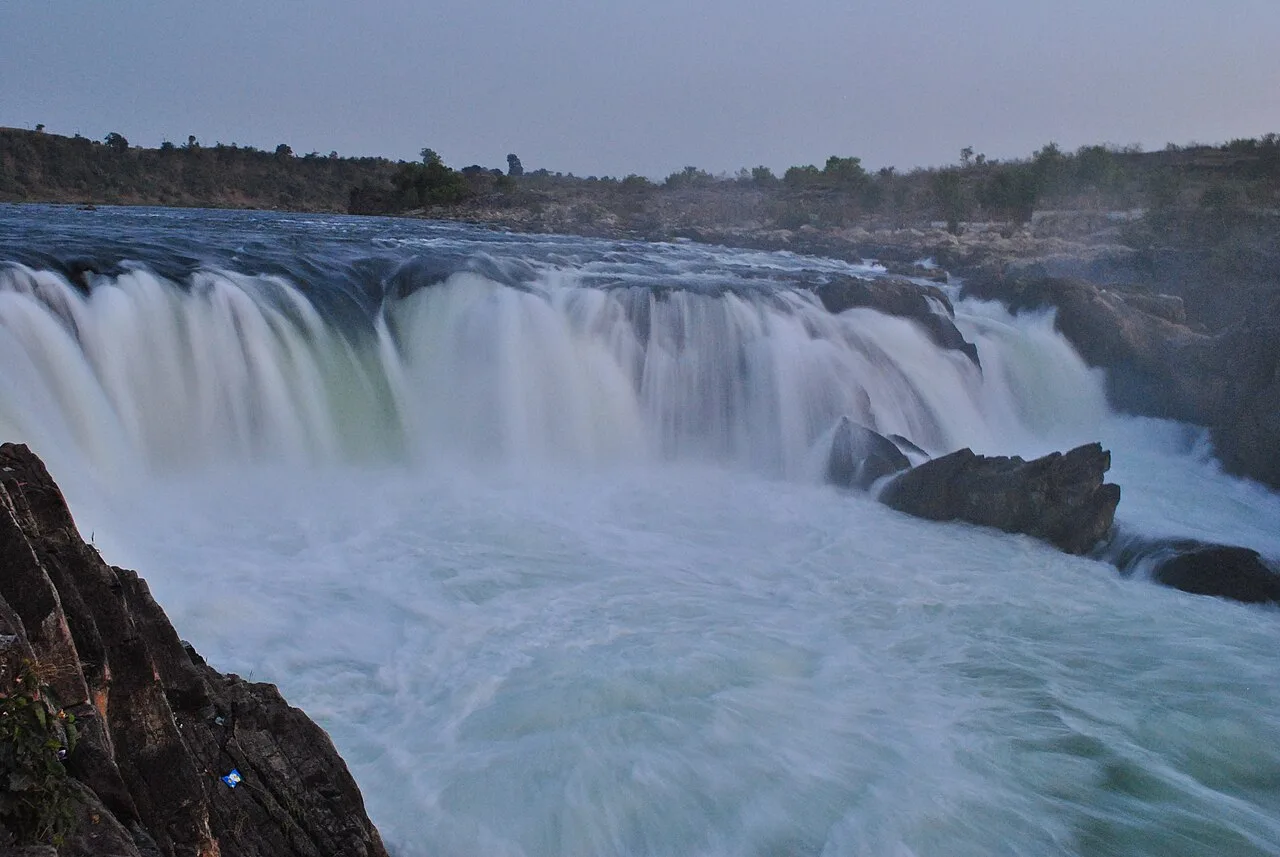
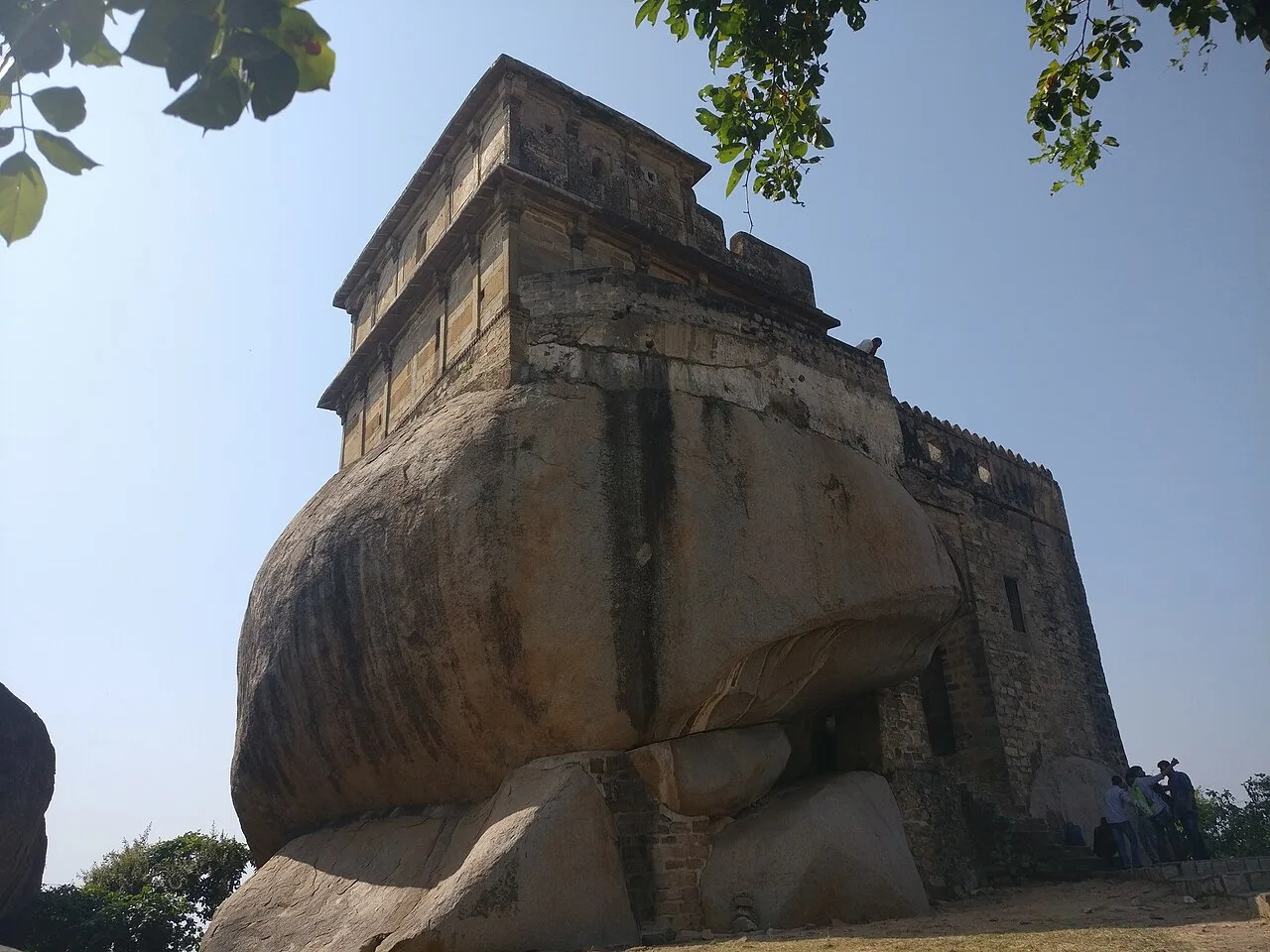
Many visitors come for the Narmada’s dramatic landscapes at nearby Bhedaghat: marble cliffs line the river gorge, while Dhuandhar Falls sends up a veil of spray. The area’s boat trips, viewpoints and Chausath Yogini Temple make it a popular excursion. Within the city, Madan Mahal Fort and its hilltop setting offer a glimpse of the region’s Gond past. Jabalpur also has a place in India’s political history: the 1939 Tripuri session of the Indian National Congress took place nearby. The surrounding region is notable for early dinosaur fossil discoveries, while the city is also often associated with the origins of snooker.
Famous for: crafts, trade & products

Jabalpur is better known for marble work and regional commerce than for a signature saree or textile tradition. At Bhedaghat, shops sell marble souvenirs and carved stone objects, from small keepsakes to decorative pieces. Buyers can compare the stone’s colours and finishes, and should check how an item is packed for travel. The city’s general markets offer clothing, household goods, jewellery and local food alongside everyday shopping; Sadar Bazaar and Ganjipura are among the areas to explore.

The city’s economic identity also rests on large institutions and industry. Jabalpur is the headquarters of the West Central Railway and has a substantial military cantonment, as well as defence-related establishments. The Madhya Pradesh High Court and government offices contribute to its role as a regional service centre. There is no single widely recognised Jabalpur GI-tagged textile or craft to seek out; visitors interested in handmade products are more likely to find marble crafts on the Bhedaghat excursion and a broader mix of regional goods in the city’s markets. For locally made items, ask sellers about the material and place of production.

History

Jabalpur’s history reflects the changing powers of central India. The area formed part of the ancient Chedi region and later came under the Kalachuris, who ruled from the ninth century. Gond rulers made it an important centre of their Garha-Mandla kingdom. Madan Shah is associated with the hilltop fort at Madan Mahal, while Rani Durgavati is remembered for her resistance to Mughal forces and for waterworks built across the region.

Maratha power expanded here in the eighteenth century, before the British took control in the early nineteenth century. Under colonial rule, Jabalpur became an administrative headquarters and cantonment, and its institutional buildings still show traces of that era. Nearby Tripuri hosted the consequential 1939 Congress session at which Subhas Chandra Bose was re-elected president. After independence, Jabalpur developed as a major centre for administration, railways, defence and education in Madhya Pradesh. Its former British-era spelling was Jubbulpore.

Food, festivals & culture

Everyday food in Jabalpur draws on the flavours of Madhya Pradesh and central India. Poha, often eaten for breakfast with sev and jalebi, is widely enjoyed; local sweet shops also sell milk-based treats such as mawa bati and khoya jalebi. Street snacks, chaat and regional thalis are easy to find in busy market areas. Recipes and names vary from shop to shop, so asking what is made locally can lead to pleasant discoveries.

Diwali, Holi and Dussehra bring seasonal celebrations, while Navratri in autumn is marked by worship, gatherings and devotional music. Makar Sankranti falls in midwinter, and Narmada Jayanti is observed in honour of the river, with activity centred on riverfront and temple areas. Hindi is the main language of public life; Bundeli, Urdu and Marathi are also heard. Folk traditions of the wider region include devotional singing and forms of Gond and Bundeli performance. Temples such as Chausath Yogini near Bhedaghat and the city’s many shrines are important places of worship; mosques and churches also serve local communities.

Visiting the city

The most comfortable time to explore is generally October to March, when days are cooler. Summer can be very hot, while the monsoon brings heavy rain and a fuller Narmada, though river conditions may affect activities at Bhedaghat. Jabalpur Airport, also called Dumna Airport, serves the city; Jabalpur Junction is the main railway station.

Auto-rickshaws, taxis and local buses help with city travel, while a hired car or taxi is convenient for Bhedaghat and other outlying sights. In town, Civil Lines and Napier Town are useful bases for services and dining; Sadar has a busy market atmosphere, and Wright Town is another central area to explore. Allow time for Madan Mahal Fort in the city and a separate outing to the Marble Rocks, Dhuandhar Falls and Chausath Yogini Temple.

Attractions

Places to visit in Jabalpur

Sights within about 12 km of each other, even when they fall in different districts.

Map

Jabalpur on the map

  1. 1Bhedaghat
  2. 2Dhuandhar Falls
  3. 3Madan Mahal
  4. 4Marble Rocks

Madhya Pradesh

Other cities to explore