
Ghumoopedia — Explore, Discover, Experience
Sign in
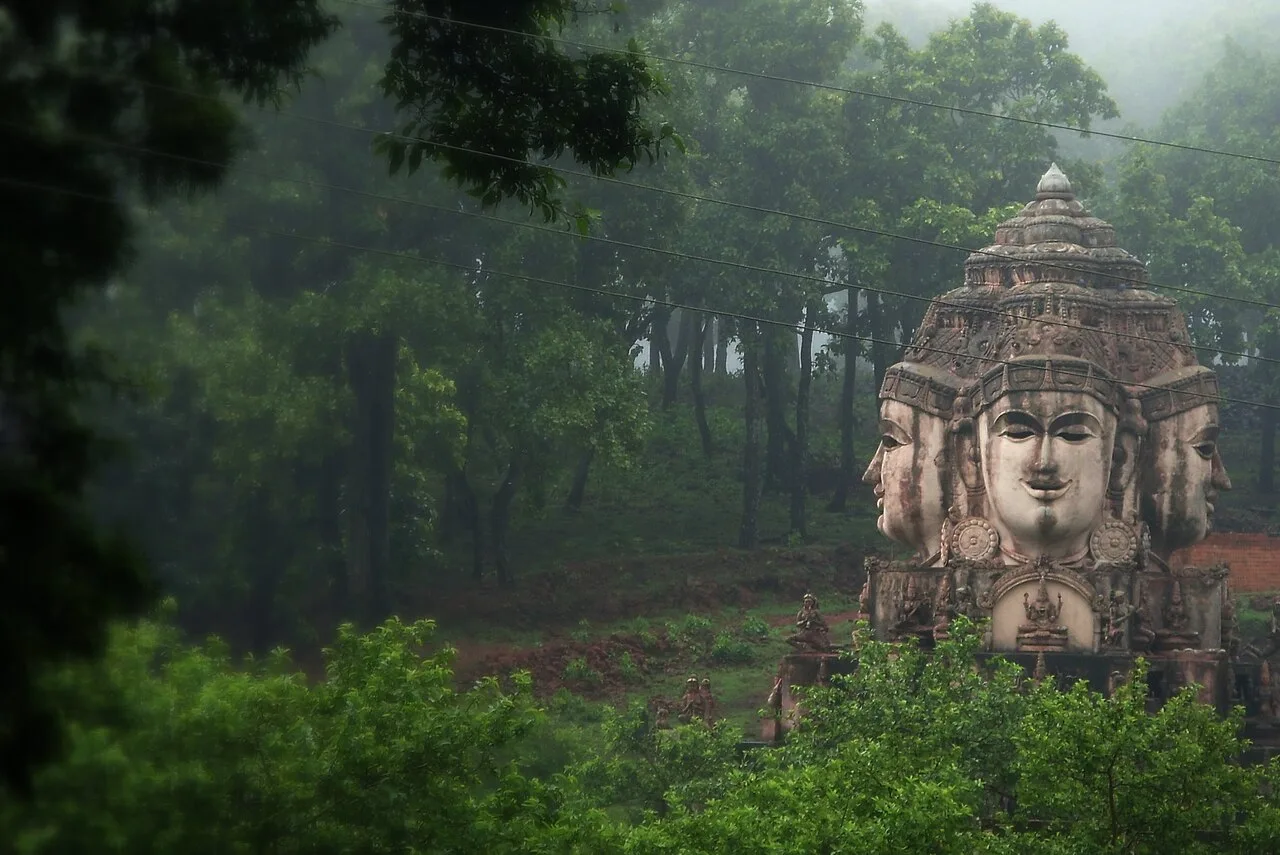
Amarkantak, near Amarkantak

City guide · Madhya Pradesh

Amarkantak

Amarkantak is a pilgrimage town in Anuppur district, set high in the forested Maikal Hills where the Vindhya and Satpura ranges meet. Its greatest significance is as the source region of the Narmada and Son rivers; the Johilla, a tributary of the Son, also begins here.

Famous for

  • Narmada River source
  • Son River source
  • Narmada Udgam Temple
  • Kapildhara Falls
  • Maikal Hills
  • Kabir Chabutra
In the city
1
District
Amarkantak

Why Amarkantak matters

Amarkantak is a pilgrimage town in Anuppur district, set high in the forested Maikal Hills where the Vindhya and Satpura ranges meet. Its greatest significance is as the source region of the Narmada and Son rivers; the Johilla, a tributary of the Son, also begins here. The Narmada’s origin draws pilgrims from across India, while the surrounding hills, springs and waterfalls make the town a destination for nature-focused travel.

The Narmada Udgam temple complex is the centre of pilgrimage, and nearby sites such as Kapildhara Falls and Sonemuda extend visits into the landscape. Kabir Chabutra is associated with the tradition that the 15th-century mystic and poet Kabir meditated here. Amarkantak’s importance is therefore both spiritual and ecological: it is a place of river worship, forest scenery and cultural memory. It serves as a regional centre for pilgrims and visitors exploring this upland part of eastern Madhya Pradesh.

Famous for: crafts, trade & products

Amarkantak is not primarily a textile, manufacturing or large-market centre, and it is not especially known for a signature saree or GI-tagged product. Its best-known local commerce serves pilgrims and visitors. Around the Narmada Udgam temple complex, small shops typically offer puja materials, devotional objects, snacks and practical travel essentials. These are convenient stops for a visit, rather than evidence of a major specialist craft trade.

The wider Anuppur region has forest and rural livelihoods, but visitors should not assume that products sold in town are certified local or that a particular handicraft is unique to Amarkantak. For locally made work, ask sellers about the maker and place of production before buying. The main visitor areas are the temple precinct and nearby approach roads, where small vendors and shops cluster. Amarkantak’s most distinctive value is its sacred river landscape and access to natural sites, not shopping; travellers seeking a broader selection of regional crafts can look for organised artisan outlets in larger towns on their route.

History

Amarkantak’s history is closely tied to the sacred geography of the Narmada. Hindu texts, including the Matsya and Kurma Puranas, identify the mountain region as the river’s source and describe pilgrimage there as spiritually meritorious. The poet Kalidasa is associated with the earlier name Amarakuta; the present name is commonly explained through Sanskrit words meaning “immortal” and “thorn” or “obstruction.”

The town’s temples reflect its long religious importance. The group of stone temples near the Narmada’s source includes structures associated with Kalachuri-era building, commonly dated to around the 11th century. A separate local tradition links Kabir, the 15th-century mystic and poet, with meditation at the place now called Kabir Chabutra. Amarkantak did not develop as a major colonial commercial city; its growth has largely followed pilgrimage and travel to the river source. In modern Madhya Pradesh it serves as a Nagar Panchayat and as a service centre for visitors to the surrounding Anuppur region.

Food, festivals & culture

Religious life shapes Amarkantak’s calendar and daily rhythms. Narmada Jayanti, usually observed in January or February, brings worship and devotional activity to the river’s source. Mahashivratri, generally in February or March, is another important occasion, alongside Makar Sankranti in January. The Narmada Udgam temple complex is the principal place of worship; smaller shrines and the temples nearby make the town a centre for prayer, ritual bathing and pilgrimage. Kabir Chabutra is a quieter site associated with devotional memory.

Hindi is widely used, with regional speech reflecting the languages and dialects of eastern Madhya Pradesh and neighbouring Chhattisgarh. Bhajans and other devotional singing are part of temple and festival life; local and tribal cultural performances may feature at community events. Food is generally simple and suited to pilgrims: vegetarian meals, rice, lentils and seasonal vegetables are common, as are familiar central Indian snacks such as poha and sweets such as jalebi. These are regional choices rather than dishes unique to Amarkantak.

Visiting the city

October to March is generally the most comfortable season for visiting, with cooler weather for temple visits and walks. The monsoon brings greener hills and stronger waterfalls, but rain can make outdoor routes slippery. Bilaspur Airport is the nearest airport noted for the area, about 120 km away. Pendra Road is the closest railway station for many travellers; Anuppur is another useful railhead. From either station, continue by road. Buses and taxis connect the town with regional centres, while local taxis or auto-rickshaws can help with nearby sites.

Begin around the Narmada Udgam temple precinct, then explore the nearby temple group and Kabir Chabutra. Kapildhara Falls and Sonemuda are worthwhile outings beyond the centre. The town is compact, but some natural and pilgrimage sites are spread out, so arrange road transport for the day rather than relying on walking between all stops.

Attractions

Places to visit in Amarkantak

Sights within about 12 km of each other, even when they fall in different districts.

Map

Amarkantak on the map

  1. 1Amarkantak

Madhya Pradesh

Other cities to explore