
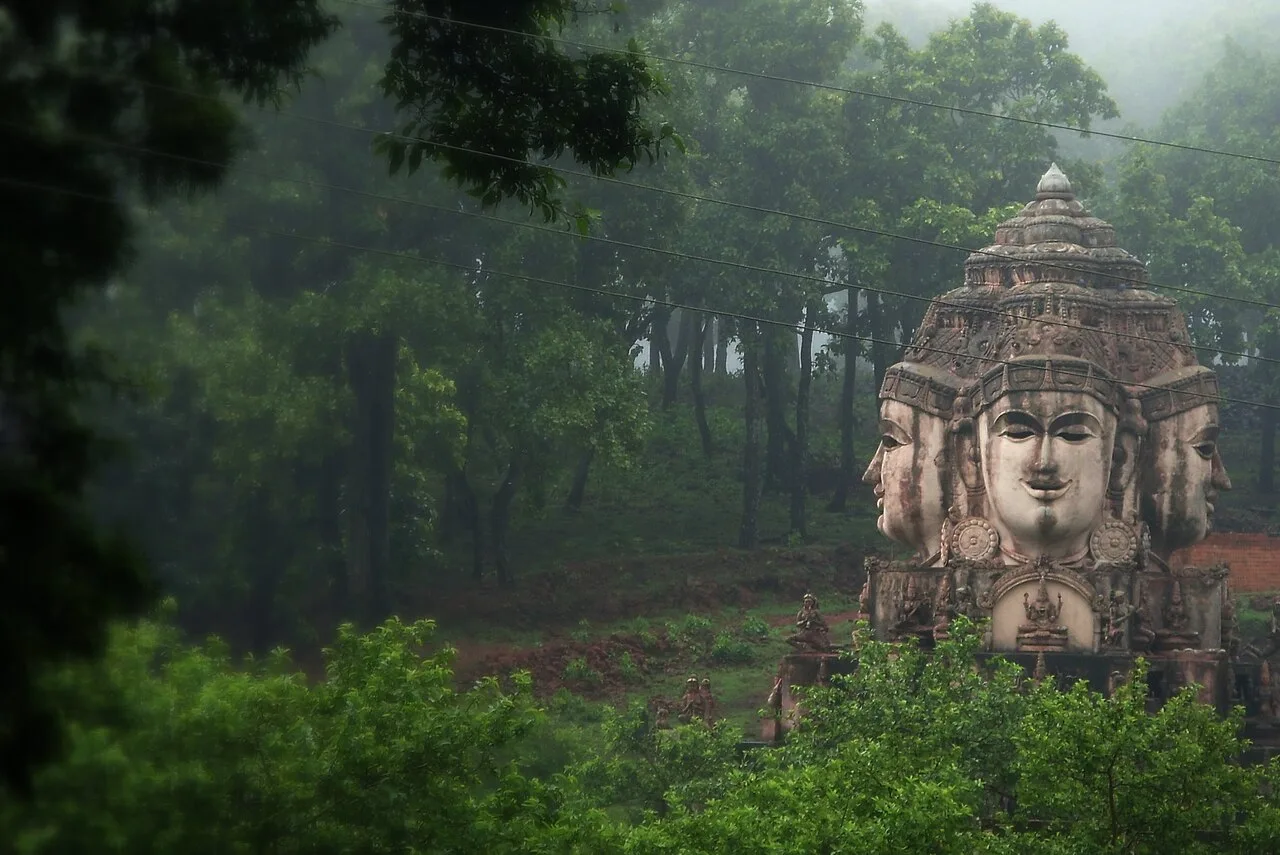
Amarkantak
Amarkantak is a pilgrimage town and Nagar Panchayat in Anuppur, Madhya Pradesh, known for its river sources and religious associations, including the place linked to Kabir’s meditation.
Key facts · verified by Ghumoopedia editors
- Type of place
- Temple / pilgrimage site
- Best time to visit
- October to March
- Nearest railway station
- Pendra Road (for Amarkantak) · about 23 km (straight line)
- Nearest airport
- Jabalpur (Dumna) Airport · about 184 km (straight line)
- Verified
- 21 Nov 2026
Plan a trip from Amarkantak — a day-by-day route through places nearby.
In Madhya Pradesh’s Anuppur district, Amarkantak is a pilgrimage town governed as a Nagar Panchayat. Its surrounding area is recognised as a natural heritage region. The Vindhya and Satpura ranges converge here, with the Maikal Hills at their centre. The ranges and river sources are defining features of the landscape. The Narmada and Sone rivers rise in this region, as does the Johilla, which is a tributary of the Sone. Amarkantak is also connected with Kabir, the 15th-century Indian mystic and poet. He is said to have meditated here, at a spot known as Kabir Chabutra. Madhya Pradesh holds three UNESCO World Heritage Sites — the temples of Khajuraho, the Buddhist stupas of Sanchi and the Bhimbetka rock shelters — plus the forts and palaces of Gwalior, Orchha and Mandu, the marble gorges of Bhedaghat, the pilgrim towns of Ujjain and Omkareshwar, and some of India's best tiger country in Kanha, Bandhavgarh, Pench and Satpura. The state has very hot summers from March to June (often above 42°C in the north and west), a monsoon from late June to September that greens the forests but closes the tiger reserves' core zones, and a cool, pleasant winter from November to February — the best season for almost everything. The usual best time to visit is October to March. Timings, fees and access arrangements must be confirmed locally. For official information, see Madhya Pradesh Tourism at https://www.mptourism.com.
Why it matters
Amarkantak is a pilgrimage town in Madhya Pradesh’s Anuppur region, valued both as a sacred landscape and as a source region for important rivers. The Narmada is worshipped here at its traditional source, while the Sone and Johilla also rise in the surrounding hills. The town lies in the Maikal Hills, where the Vindhya and Satpura ranges meet, giving the area ecological as well as religious importance. Pilgrims visit the Narmada Udgam precinct, and the town is also a starting point for some Narmada Parikrama journeys. The nearby Kalachuri-period temples are important examples of regional medieval architecture. Amarkantak is not a UNESCO World Heritage Site; visitors should check with the relevant authorities for current monument protections.
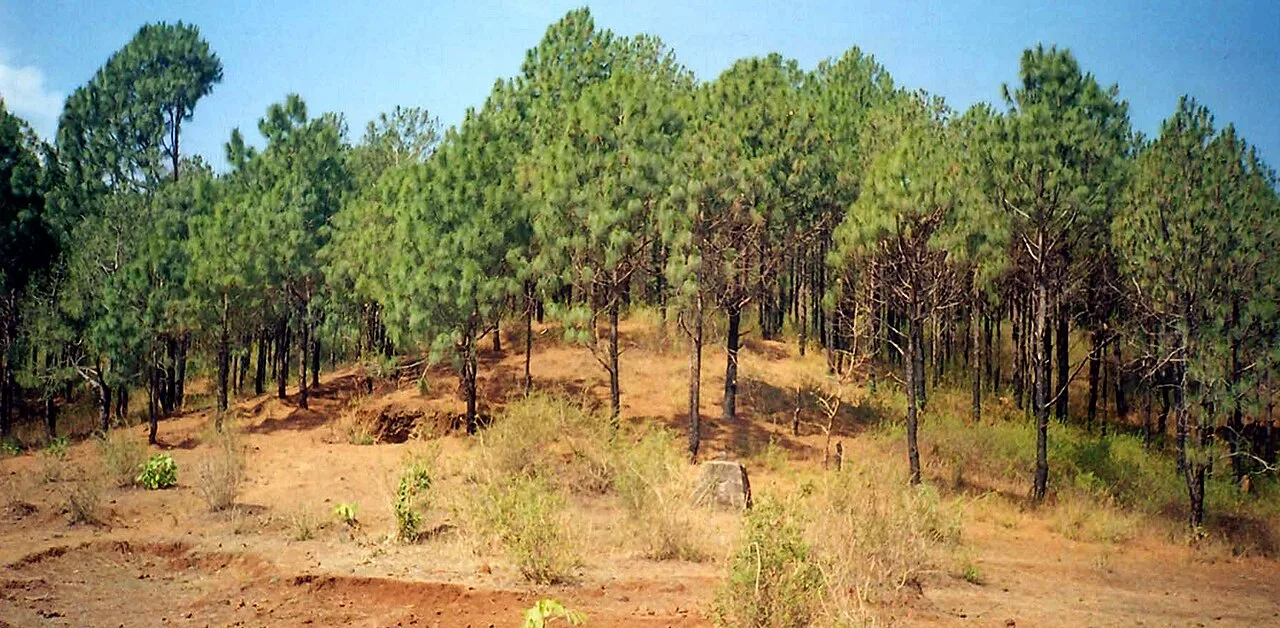
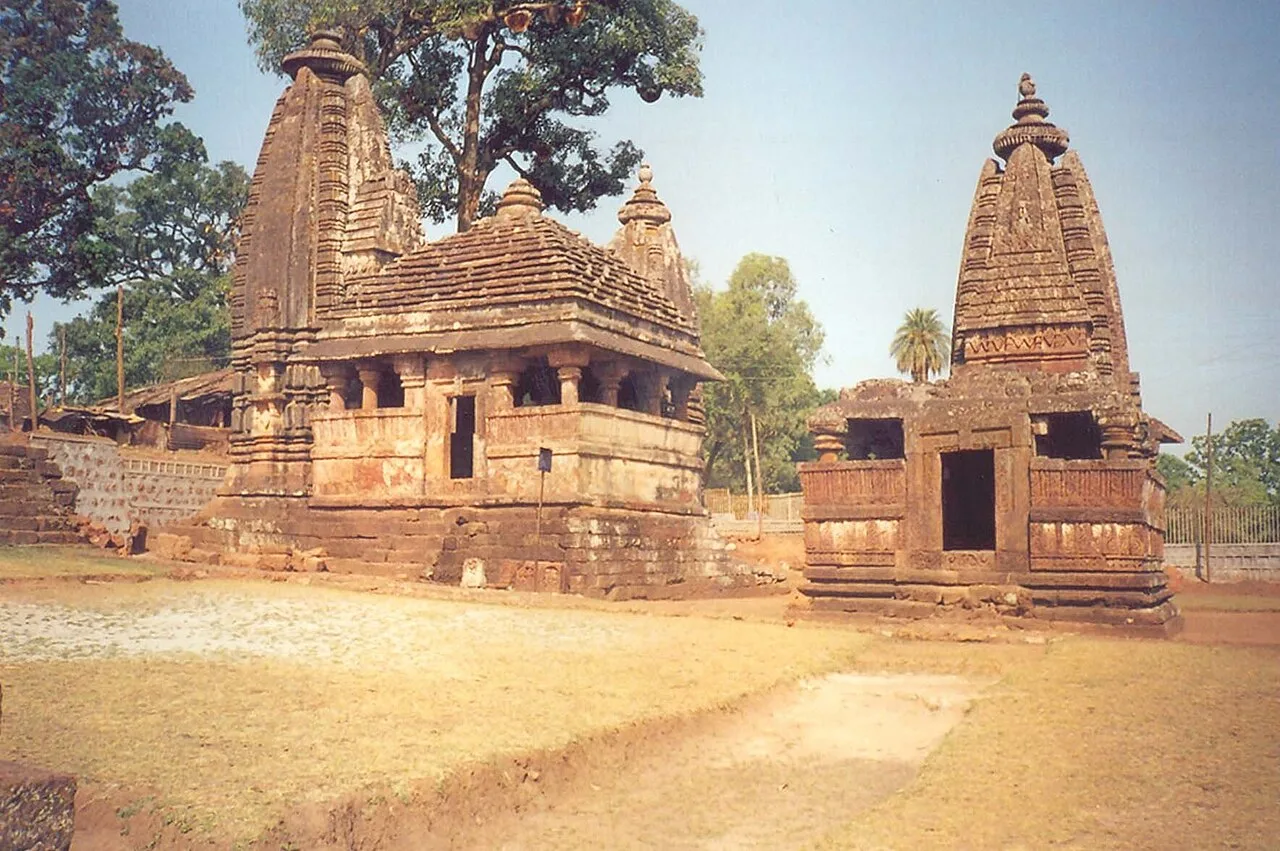
Amarkantak’s history combines pilgrimage, regional kingdoms and the continuing importance of the Narmada River. The river’s source has drawn worshippers for generations, although the beginnings of the settlement and its earliest shrines are not firmly documented. The best-known historic monuments are the Kalachuri-period temples, traditionally dated to around the 11th century. They are associated with the Kalachuri rulers of central India, whose political centre was at Tripuri, near present-day Jabalpur. The temples show that Amarkantak was an established centre of religious patronage in the medieval period. Over succeeding centuries, pilgrims and local patrons maintained and altered the sacred precinct. The present Narmada Udgam complex, with its enclosed kund and surrounding shrines, reflects continuing use and later repair rather than a single unchanged building phase. The town’s role as a destination for Narmada worship and pilgrimage has endured through changing political administrations. Kabir Chabutra, a nearby site, is associated by local tradition with the 15th-century poet and mystic Kabir, though the precise details of his visit are not independently established. For specific monument dates and restoration records, consult the site authorities or archaeological sources.
Origin stories & folklore
According to local Hindu tradition, the Narmada is a sacred river and a daughter of Shiva; the water at her source is treated with particular reverence. Stories about the Narmada and the Sone also circulate in the region. In one popular telling, the Sone was meant to marry the Narmada, but a misunderstanding or betrayal led her to flow westward while he turned east. Versions vary, and these accounts are folklore rather than documented history. Kabir Chabutra is believed locally to mark a place where Kabir meditated. Pilgrims may also describe the river’s source and nearby hills as a spiritually charged landscape; visitors should treat such beliefs respectfully.
Architecture & design
The central pilgrimage precinct is arranged around the Narmada Kund, a masonry tank identified by worshippers as the river’s source. Shrines and temple buildings stand around the enclosed water, creating a compact focus for prayer, circumambulation and ritual bathing or offerings. The layout has developed over time, so the kund complex should not be read as a single-period design. A separate group of historic temples is associated with the Kalachuri period, traditionally dated to around the 11th century. These stone temples use forms typical of central Indian Hindu temple building, including raised bases, sanctums and carved exterior elements. Their scale and detailing are more restrained than the largest temple complexes elsewhere in the region. Stone construction, sculpted doorways and surviving decorative work are among the features to notice. Repairs and later additions have affected the precinct, and the exact materials and dates vary by structure. Respect barriers and signs, since some historic fabric may be protected or closed to entry.
Important objects & sculptures
At the Narmada Udgam precinct, visitors can observe the kund, its surrounding shrines and the images or emblems used in worship. The river itself is central to the devotional setting, and offerings may be placed at designated points. In the Kalachuri-period temple group, look for carved stone doorframes, sculptural details and surviving figures on temple exteriors; the condition and visibility of individual carvings vary. These are architectural features, not a museum collection, and some areas may be inaccessible. Do not touch, climb on or apply substances to sculptures or historic stonework. Ask locally before photographing ritual objects or close to active worship.
Religious significance
Amarkantak is especially sacred to devotees of the Narmada, who regard the river as a goddess and honour her at the Narmada Udgam Kund. Shiva worship is also present in the town’s temples. Visitors may see prayer, offerings, lamps and other acts of devotion, though practices differ among worshippers and shrines. The source region is significant to people undertaking the Narmada Parikrama, a long pilgrimage following the river’s course and traditionally returning to its starting point. Some pilgrims begin or conclude their journey at Amarkantak. The kund is an active place of worship, not simply a viewpoint; visitors should keep clear of ritual activity and follow instructions from temple staff.
Visit Amarkantak with time to observe daily prayers and rituals respectfully. Follow the posted rules on footwear, photography, phones, head covering and dress, and avoid interrupting worshippers; popular temples may have separate queues, dress codes or mobile-phone deposit counters. Ask caretakers which areas are open to visitors, and beware of unofficial 'guides' or agents offering quick darshan for a fee. A comfortable itinerary is one main visit in the morning, a local meal at midday and a short nearby stop before an afternoon return. Use the district list on this site to find other places in Amarkantak, but check the route and its condition before combining stops. If a festival is on — such as the Khajuraho Dance Festival, the Tansen Samaroh in Gwalior, Lokrang in Bhopal or the Simhastha Kumbh at Ujjain — roads and stays can be busy, and the experience can be unforgettable. Leave no litter: many sites are protected by the communities around them.
Suggested itineraries
Half day: Narmada Udgam Kund and surrounding shrines (1–2 hours); visit the Kalachuri-period temples (about 1 hour); pause for a local meal or tea. Full day: Narmada Udgam precinct (1–2 hours); Kalachuri temples (about 1 hour); lunch and rest; visit Sonmuda and, if road conditions allow, Kapildhara or Dudh Dhara (allow several hours for travel and walking). Gentler option: Focus on the Narmada Udgam precinct, take seated rest breaks and choose just one nearby stop reachable by vehicle; ask locally about steps and walking conditions.
Amarkantak’s daily life reflects its role as a pilgrimage town as well as its setting among the forested Maikal Hills. Hindi is widely used with visitors; other regional and Indigenous languages are spoken in surrounding communities. Baiga and Gond communities live in the broader region, though their customs should not be treated as a tourist performance or assumed to be part of temple ritual. At the shrines, visitors may encounter devotional songs, bells and recitation, especially during worship gatherings. Modest clothing and quiet conduct are appreciated in sacred spaces. Local food and market activity serve both residents and pilgrims, and the pace of the town can become noticeably busier during religious occasions.
Festivals & events
Narmada Jayanti, usually observed in the winter season, is an important occasion at the river’s source and can draw large numbers of devotees. Mahashivratri and Navratri are also observed in the town’s temples, with prayer and increased activity around shrines. Festival calendars follow religious or lunar traditions and can vary from year to year. During major observances, expect busier roads, queues, limited parking and greater demand for accommodation. Confirm local arrangements before travelling, and allow extra time for respectful visits.
Local food in Madhya Pradesh includes poha with jalebi for breakfast, bhutte ka kees, dal bafla and dal baati, Indore's sarafa night-market snacks, Bhopal's seekh kebabs and biryani, mawa-bati and gajak sweets, and mahua-based tribal dishes in forest districts. Ask what is fresh that day; many small eateries cook a limited daily menu. Vegetarian travellers eat well across the state, and most towns also have good non-vegetarian food; Indore's Sarafa Bazaar turns into a famous night food market. Remote sites may have no restaurant at all. Carry water and snacks, eat a proper breakfast before long drives, and ask your accommodation for a packed lunch if you are heading out early. If prasad is offered, accept it according to local custom. Choose busy, clean places, drink sealed or filtered water, and carry your packaging back with you.
Shopping & local experiences
Small shops near the pilgrimage centre usually sell devotional items such as flowers, offerings, prayer beads and images, alongside snacks and everyday goods. Visitors may find locally made items or regional forest-produce products in town, but availability and provenance vary; ask before assuming an item is handmade or community-produced. Look for simple local food at eateries serving pilgrims, and choose vendors who keep food and water hygienically. Buy thoughtfully, avoid products made from wildlife or protected materials, and carry purchases without leaving packaging at the river or forest sites.
October to March
The nearest principal railway station by straight-line distance is Pendra Road (for Amarkantak), roughly 23 km away. The nearest operating airport by straight-line distance is Jabalpur (Dumna) Airport, roughly 184 km away. These figures are calculated from map coordinates — actual road distance is longer. Bhopal, Indore, Jabalpur and Gwalior are the main rail and air gateways; Khajuraho has its own airport and station, Jhansi (UP) serves Orchha and Datia, and Pipariya is the railhead for Pachmarhi. For the final leg, Madhya Pradesh State Road Transport Corporation buses, private sleeper coaches between the big cities, and shared jeeps and autos in smaller towns link district towns. A private taxi gives more flexibility for remote sites such as forts, caves and forest gates. When comparing train, bus and flight, count the complete door-to-door time: a flight saves the most time only if the onward road transfer is short, while an overnight train can save a hotel night. Book your return before you leave, because seats fill quickly on weekends, festivals and holidays. Current train numbers, timings, return services and fares are not listed here; check IRCTC and NTES for trains and the airline's own schedule for flights. No permit is needed to visit Madhya Pradesh. Tiger safaris in Kanha, Bandhavgarh, Pench, Satpura and Panna must be booked in advance on the official MP Forest online portal — zones and gates sell out weeks ahead in peak season, and the core zones are closed during the monsoon (roughly July to mid-October). Boating and angling in the National Chambal Sanctuary also need forest-department bookings.
Confirm onward and return timings on IRCTC / NTES, the state bus operator or your airline before travel. A dash means current timings or fares have not been verified.
Getting around
The main temple area is compact enough to explore on foot, but the kund precinct can be busy and uneven underfoot. Local autos or hired taxis may be useful for reaching sites outside the centre, including waterfalls and viewpoints. Ask a driver or accommodation provider about road conditions and return arrangements before heading out; services may be limited at quieter sites. Parking availability can vary, especially during festivals, so follow local signs and avoid blocking access. There are no regular visitor boat services to rely on. Pendra Road is the nearest principal railway station mentioned in the guide; the onward road journey is longer than its straight-line distance.
Hours, tickets & permissions
Entry arrangements vary between the active temple precinct, historic monuments and nearby natural sites. Some shrines may have separate rules for worshippers and general visitors; footwear restrictions and limits on bags, phones or photography may apply. Tickets, permits or camera permissions can depend on the specific site and current management arrangements. Dress modestly and follow notices or directions from staff. Confirm current opening arrangements, entry requirements and any fees with the managing authority or locally before setting out; do not rely on old online listings.
Facilities
The pilgrimage centre and town usually have basic visitor facilities, including places to eat, small shops and access to toilets, though cleanliness and availability can vary. Drinking water may be available near busy areas, but carrying a refillable bottle is sensible. Parking and local assistance are more likely near the main temple precinct than at outlying natural sites. Accommodation providers can usually advise on transport and local guides, but confirm credentials and arrangements before hiring anyone. ATMs and medical services may be limited compared with larger cities, so check locally and carry essential medicines.
Accessibility
The main pilgrimage precinct involves walking, and surfaces may be uneven, crowded or damp near the kund. Steps can occur around shrines and water edges; the route may not be suitable for every wheelchair or stroller. Outlying waterfalls and viewpoints can require additional walking over uneven ground, and the amount of shade varies by route. Older visitors and anyone with limited mobility may find the temple area manageable with pauses, but should assess conditions on arrival and ask about the least strenuous approach. Do not assume ramps, accessible toilets or step-free access are available at every site.
No permit is needed to visit Madhya Pradesh. Tiger safaris in Kanha, Bandhavgarh, Pench, Satpura and Panna must be booked in advance on the official MP Forest online portal — zones and gates sell out weeks ahead in peak season, and the core zones are closed during the monsoon (roughly July to mid-October). Boating and angling in the National Chambal Sanctuary also need forest-department bookings. Carry a photo ID at all times and save the emergency number 112 and your accommodation's contact offline. Pachmarhi and the Satpura hills have steep ravines and sudden fog; keep to marked trails and avoid cliff edges in rain. Watch your belongings in crowds and on public transport, and follow posted instructions.
Visitor rules
Remove footwear where instructed and dress modestly in the temple precinct. Keep voices low, do not interrupt prayers or block routes used by worshippers, and follow barriers and staff directions. Photography, phones and bags may be restricted inside particular shrines; check before entering. Do not enter closed areas, touch idols or historic carvings, or bathe except where expressly permitted. Avoid littering, especially near the kund, streams and forest sites; use bins where available and limit single-use plastic. Ask before photographing people, ceremonies or offerings.
Photography
Soft morning or late-afternoon light can suit the temple exteriors and surrounding landscape, while the kund is best photographed from places where visitors do not obstruct worship. Photography inside shrines may be prohibited or restricted, so check posted notices and ask staff before taking pictures. Be discreet around prayer, offerings and bathing, and obtain consent before photographing individuals. Do not use drones without confirming current permissions and local restrictions; sacred, protected or forest areas may have additional rules. Never climb onto structures or cross barriers for a viewpoint.
Choose a stay by the full journey to Amarkantak, not just the district name. Bhopal, Indore, Gwalior and Jabalpur offer the widest choice; Khajuraho, Orchha and Pachmarhi have hotels and MP Tourism lodges, which are reliable value, and pilgrim towns have dharamshalas. In the hills, nights are cold from November to February — check heating and hot water. Book in advance for weekends, festivals and the peak season (October to March). Confirm the exact location, meals included, check-in time and cancellation terms in writing. Avoid sending money to unverified contacts or touts at stations. Carry some cash, as card and digital payments can be unreliable in remote areas.
Within the Amarkantak area, visitors commonly combine the Narmada Udgam precinct with the Kalachuri-period temples, Sonmuda—the traditional source area of the Sone—and the nearby Kapildhara and Dudh Dhara waterfalls. Kabir Chabutra is associated locally with the poet Kabir and offers a different kind of cultural stop. These sites are spread beyond the central temple area, so check road conditions and allow for walking. The exact access to waterfalls and viewpoints can change with weather or maintenance. Avoid trying to cover every stop in poor conditions or during heavy rain.
For couples, Amarkantak rewards a slow pace: arrive early for soft light and fewer crowds, share a local meal and keep the evening free. Sunset over the marble rocks at Bhedaghat, a boat ride on the Narmada at Maheshwar or a night drive under the stars near a forest lodge makes the trip memorable. Public displays of affection can be frowned upon in conservative communities and at religious sites, so be discreet. Keep a buffer in your itinerary, because weather and road conditions can delay plans.
Q: How much time should I allow for Amarkantak? A: A half day covers the main temple precinct and historic temples; a full day allows time for a nearby source or waterfall stop. Q: When is a good season to visit? A: October to March is generally the most comfortable period. Monsoon greenery can be appealing, but rain may affect roads and access. Q: Is entry free, and are there rules? A: Arrangements vary by site and can change. Check current entry requirements with the managing authority and follow shrine-specific rules. Q: Is Amarkantak suitable for children and older visitors? A: The main precinct is accessible to many visitors, but crowds, uneven surfaces and steps can be challenging. Plan breaks and assess conditions locally. Q: Can I stay nearby? A: Yes. Amarkantak has local accommodation options, though availability can be tighter during festivals. Confirm current facilities and book ahead when demand is expected.
Be the first to share photos, stories, advice or a helpful contact for Amarkantak.
Loading…