
Ghumoopedia — Explore, Discover, Experience
Sign in
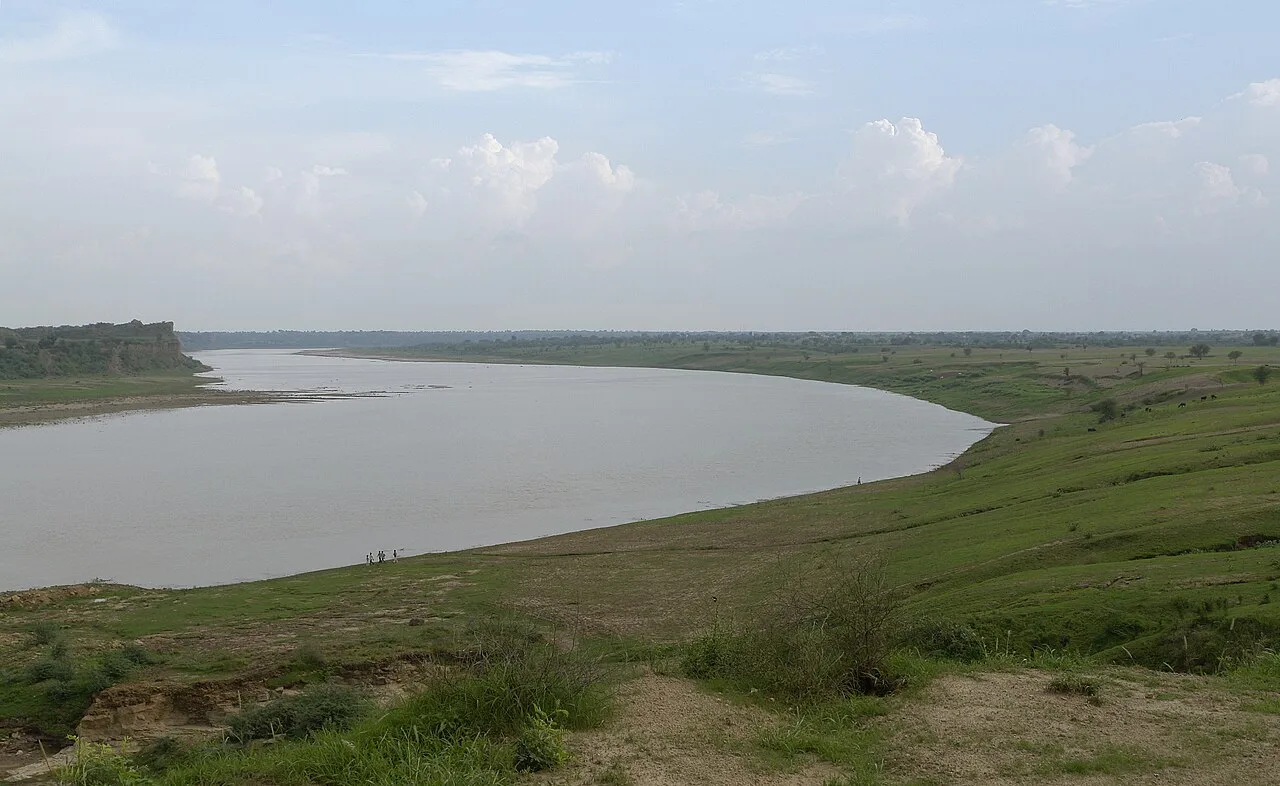
National Chambal Sanctuary, near Gormi

City guide · Madhya Pradesh

Gormi

Gormi is a small town in Bhind district, in northern Madhya Pradesh. Its clearest present-day role is local: it is both a block and a nagar panchayat, serving residents and villages in its surrounding area.

Famous for

  • Block-level civic centre
  • Nagar panchayat town
  • Bhind district setting
In the city
0
Nearby
1
District
Morena
Plan a trip

Why Gormi matters

Gormi is a small town in Bhind district, in northern Madhya Pradesh. Its clearest present-day role is local: it is both a block and a nagar panchayat, serving residents and villages in its surrounding area. This makes it a practical centre for civic needs, everyday shopping and travel within the district rather than a major destination in its own right.

Visitors are most likely to come for local business, family connections or as part of a wider journey through the Bhind region. Gormi does not have a widely documented landmark or visitor attraction that defines it nationally, so it is best approached as a lived-in market town. Its appeal lies in seeing the everyday rhythms of a smaller settlement in northern Madhya Pradesh, including its local streets and shops. Travellers seeking prominent monuments, museums or a broader choice of visitor facilities should plan around larger towns in the region and check locally for current options before setting out.

Famous for: crafts, trade & products

Gormi is not widely associated with a particular textile, saree tradition, handicraft, GI-tagged product or large-scale industry. Nor is there a recognised specialist market that visitors routinely seek out. Its commercial role is primarily local: shops and everyday businesses serve residents and people from nearby settlements, with routine household goods and services more relevant than a signature souvenir.

For practical shopping, start with the town’s central market streets and ask locally about the busiest shops or weekly-market arrangements, which may vary. Do not assume that a product sold in Gormi is made there; regional goods can move through local markets without being town-specific. The block and nagar panchayat functions are part of Gormi’s identifiable civic role, but they are not visitor institutions in the usual sightseeing sense. Travellers hoping to buy a named craft or traditional textile should look for a clearly identified maker or seller and confirm the product’s origin before purchasing. Gormi is best understood as a service and trading centre for its immediate area, not as a specialised craft-shopping destination.

History

A detailed, well-established public chronology specific to Gormi is not readily available, so particular founding dates, rulers or episodes should not be assumed. Its history is best considered through its place in Bhind district and its gradual development as a settlement serving nearby rural communities. As roads, local commerce and public services expanded, Gormi’s role as a local centre became more visible.

Today, its designation as a block and a nagar panchayat reflects its administrative and civic importance to the surrounding area. These roles indicate a town serving both residents and nearby villages, but they do not by themselves establish when the settlement began or how it changed during the colonial period. For a fuller local account, residents and district-level records may offer details about older neighbourhoods, landholding, markets and public institutions. Visitors should treat Gormi’s history as part of the wider Bhind-region story while distinguishing that broader context from claims specifically about the town.

Food, festivals & culture

Daily life in Gormi is shaped by its role as a small town serving nearby communities. Hindi is useful for visitors; regional speech may also reflect the linguistic influences of northern Madhya Pradesh and neighbouring areas. There is no widely documented food specialty unique to Gormi. Local eateries and homes are more likely to reflect familiar north Indian and central Indian meals, such as breads, lentils, seasonal vegetables and everyday sweets, with menus varying by season and establishment.

Holi, usually celebrated in spring, and Diwali, in autumn, are among the major festivals observed across the region. Navratri and Dussehra are also part of the wider festive calendar, while Eid is observed by Muslim communities. The form and scale of celebrations vary locally and from year to year. Worship takes place in neighbourhood temples and other community places of worship; visitors should ask residents about suitable times and local customs. Music and dance are generally part of family, religious and seasonal gatherings rather than a separately advertised performance scene.

Visiting the city

The cooler months, roughly October to March, are generally the most comfortable for exploring Gormi. Summer can be very hot, while monsoon conditions may affect road journeys. Gwalior Airport is the nearest major airport commonly used for the region; Bhind railway station is the main railhead to consider for travel by train. Confirm current connections before departure.

Within Gormi, local roads and walking are practical for short trips; auto-rickshaws or other local transport may be available, but arrange longer journeys with a local driver. Begin around the central market and civic area to get a sense of the town’s everyday life. Gormi is compact in visitor terms, with no established sightseeing district, so allow time for local errands rather than planning a packed attraction itinerary. Larger regional stops can be added to a broader Bhind-area trip.

Short trips

Around Gormi

Within about 40 km — easy half-day or day trips from the city.

Map

Gormi on the map

  1. 1National Chambal Sanctuary

Madhya Pradesh

Other cities to explore