
Ghumoopedia — Explore, Discover, Experience
Sign in
Khajuraho Temples, near Khajuraho

City guide · Madhya Pradesh

Khajuraho

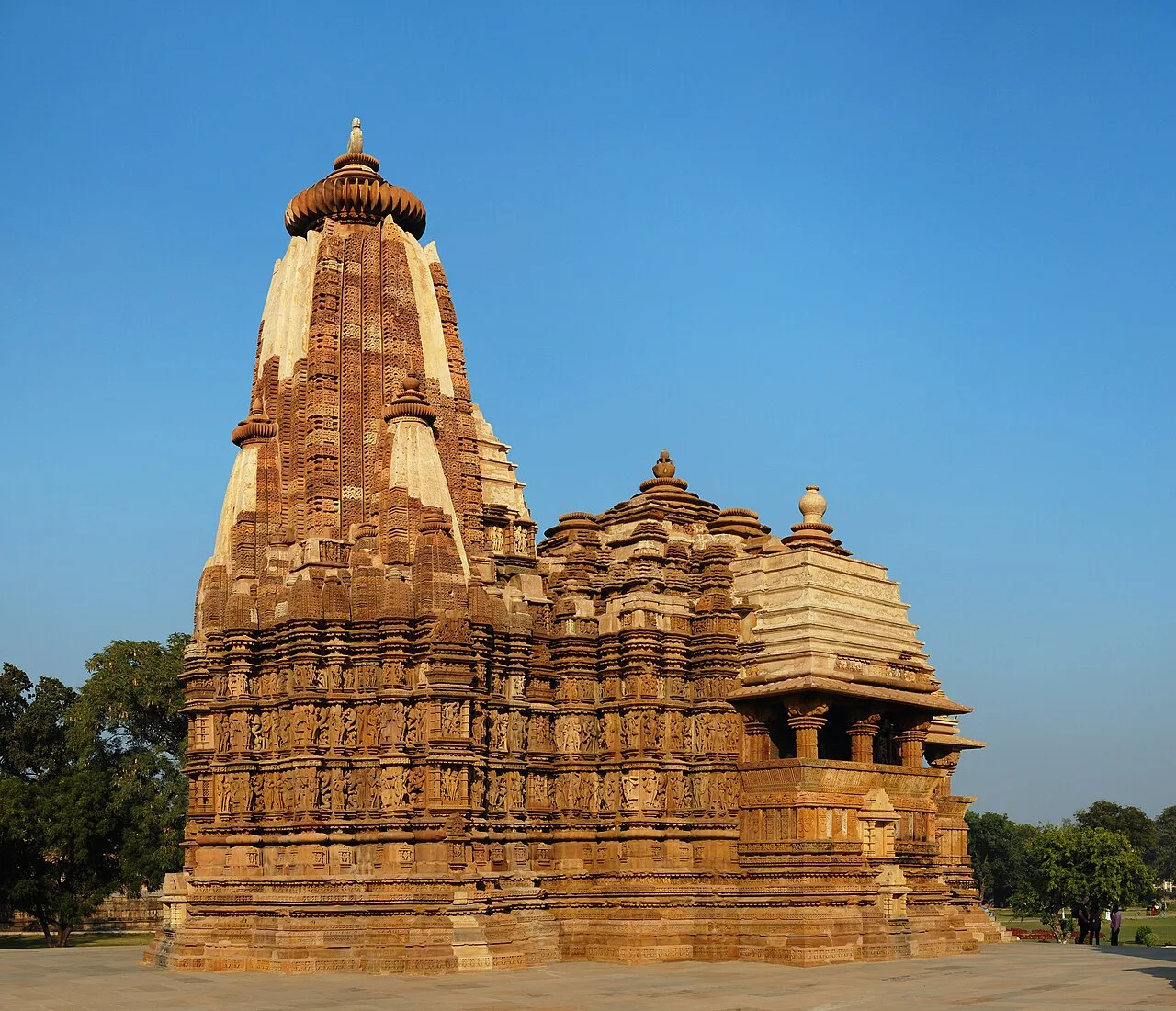
Khajuraho is a small town in Madhya Pradesh’s Chhatarpur district, best known for an extraordinary collection of medieval Hindu and Jain temples. Built chiefly under the Chandela rulers between the 10th and 12th centuries, the temples are celebrated for their intricate stone carving, lively depictions of daily life and, in some places, erotic sculpture.

Famous for

  • Khajuraho temple sculptures
  • Chandela-era temples
  • UNESCO World Heritage Site
  • Khajuraho Dance Festival
  • Bundeli regional culture
In the city
1
Nearby
2
Districts
Khajuraho, Chhatarpur

Why Khajuraho matters

Khajuraho is a small town in Madhya Pradesh’s Chhatarpur district, best known for an extraordinary collection of medieval Hindu and Jain temples. Built chiefly under the Chandela rulers between the 10th and 12th centuries, the temples are celebrated for their intricate stone carving, lively depictions of daily life and, in some places, erotic sculpture. The Khajuraho Group of Monuments became a UNESCO World Heritage Site in 1986 and remains the town’s defining landmark.

Today, heritage tourism shapes Khajuraho’s place in the Bundelkhand region. Visitors come to explore the Western, Eastern and Southern temple groups, attend cultural performances and use the town as a base for nearby natural and historic attractions. The Western Group is the most visited and includes prominent temples such as Kandariya Mahadeva and Lakshmana. Khajuraho is also known for the annual Khajuraho Dance Festival, which brings classical performers and audiences to the temple setting. Though modest in scale, the town has visitor accommodation, restaurants, transport links and services centred on tourism.
Famous for: crafts, trade & products

Khajuraho is not especially known as a centre for large-scale manufacturing or a signature textile industry. Its best-known local commerce is tied to tourism and the temple heritage. Shops in the bazaar and around the main temple precinct sell souvenirs, including small carved figures and replicas inspired by the monuments, along with stone and wood craft, paintings, jewellery, clothing and everyday travel goods. The quality and origin of items vary, so visitors looking for handmade work can ask vendors about the maker and materials.

The town’s cultural identity is closely associated with the Chandelas’ stone-carving legacy, but contemporary souvenir sales should not be confused with a single, formally designated Khajuraho craft or GI-tagged product. Visitors can browse the market streets near the Western Group and the shops around the village centre; craft and souvenir stalls are also found in the wider tourist area. For locally made items, look for work by regional artisans and ask whether a piece was made in the area. Khajuraho’s principal economic activity remains tourism, supported by hotels, restaurants, guides, transport operators and cultural events rather than by a major wholesale market.

History

Khajuraho’s early history belongs to a region successively influenced by several powers, including the Mauryas and Guptas. Its best-known period began with the Chandela dynasty, whose authority rose from the ninth century. Under Chandela rule, especially around the 10th and 11th centuries, temples were built at Khajuraho as part of a wider tradition of religious architecture and sculpture. The rulers later shifted much of their political activity to strongholds such as Mahoba, Kalinjar and Ajaygarh, and Khajuraho gradually lost prominence.

The town remained a place of temples and religious retreat, but some monuments suffered damage over the centuries. British visitors brought renewed attention to the site in the 19th century: T. S. Burt visited in 1838, followed by the archaeological surveyor Alexander Cunningham. In modern times, conservation and heritage tourism have become central to Khajuraho’s development. Recognition of the temple group as a UNESCO World Heritage Site in 1986 helped establish the town as an international cultural destination, with transport, accommodation and visitor services growing around the monuments.

Food, festivals & culture

Khajuraho’s food reflects Bundelkhand and broader Madhya Pradesh tastes. Local menus commonly feature wheat-based breads, lentils, seasonal vegetables and simple regional thalis; restaurants serving visitors also offer dishes from across India. Sweets such as jalebi, peda and other milk-based treats can be found in local eateries and sweet shops. As a tourism centre, the town has a varied dining scene, so traditional food is available alongside familiar vegetarian and non-vegetarian options.

Hindi is widely spoken, and Bundeli is part of the region’s everyday linguistic heritage. The Khajuraho Dance Festival, usually held in February, presents Indian classical dance in a setting close to the temples. Hindu festivals such as Shivratri, Holi and Diwali are observed, with dates following the lunar calendar; local celebrations may include worship, music and community gatherings. The temple groups remain the town’s principal places of worship and heritage, with Hindu shrines as well as Jain temples in the Eastern Group. Visitors should treat active worship spaces respectfully and follow posted guidance.

Visiting the city

October to March is generally the most comfortable season for exploring Khajuraho, while summer can be very hot and the monsoon brings rain. Khajuraho Airport serves the town, and Khajuraho railway station is the local rail stop; Mahoba Junction is another rail connection used by travellers. Check current transport links before setting out, as services can vary.

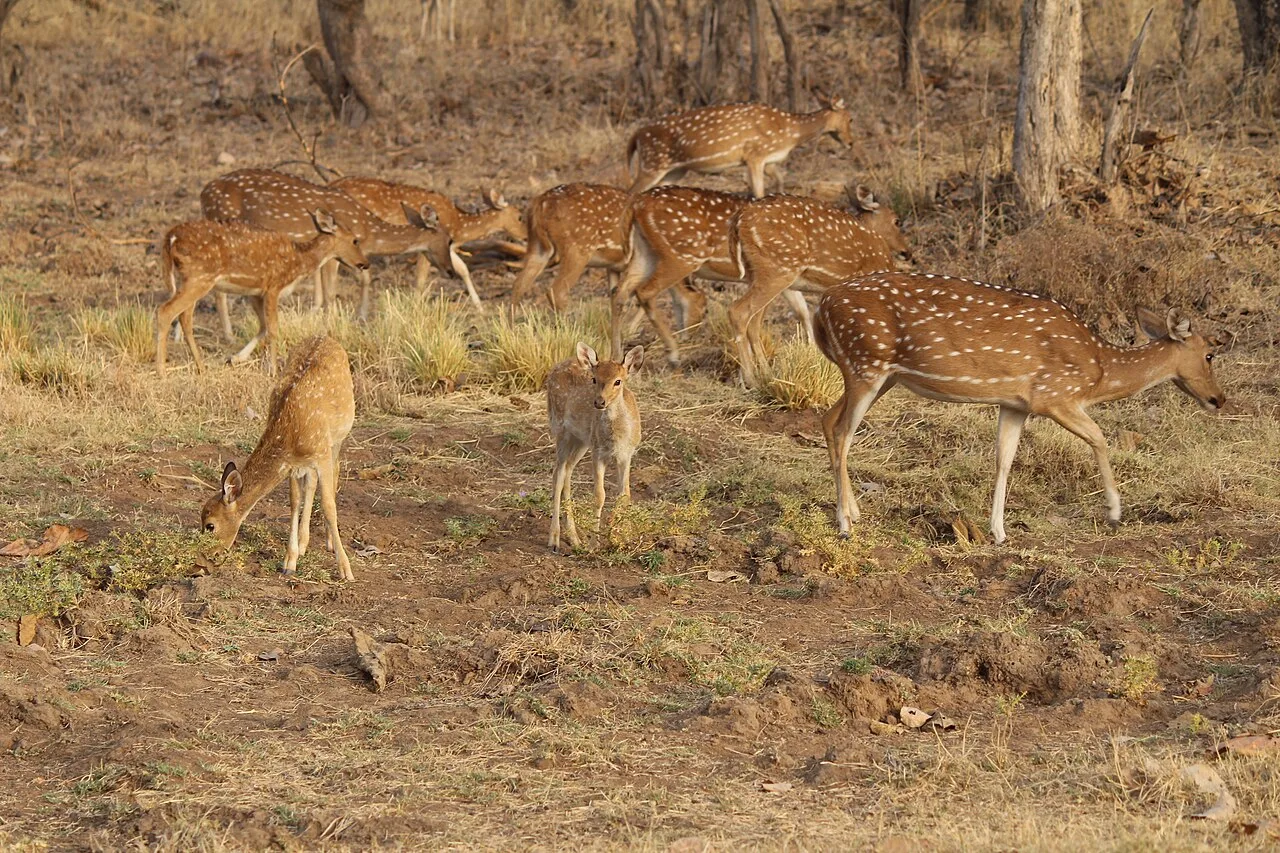
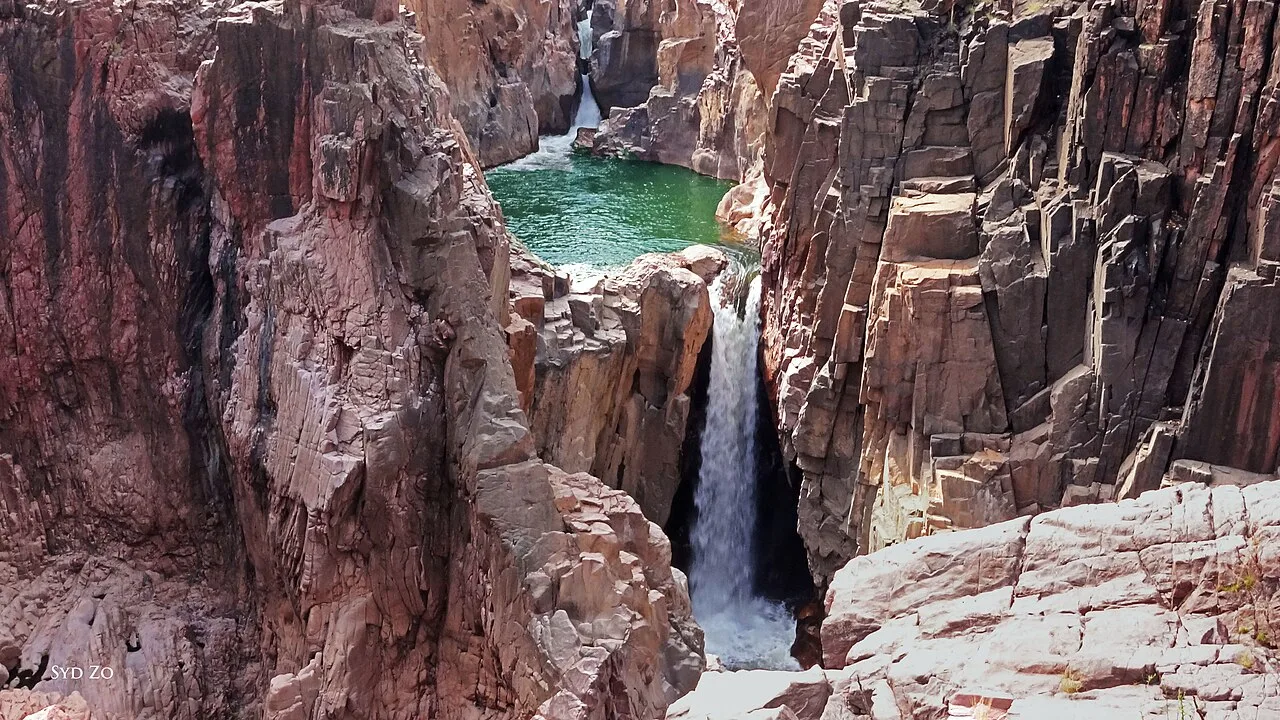
Auto-rickshaws and taxis are useful for reaching attractions beyond the central temple precinct, while walking works well within individual temple groups. The Western Group is the main focus for first-time visitors; the Eastern Group, including Jain temples, and the Southern Group offer quieter visits. Explore the village centre and nearby market streets for everyday town life, food and souvenirs. Raneh Falls and Panna National Park are popular excursions in the surrounding region, best arranged with attention to seasonal access and local conditions.

Attractions

Places to visit in Khajuraho

Sights within about 12 km of each other, even when they fall in different districts.

Short trips

Around Khajuraho

Within about 40 km — easy half-day or day trips from the city.

Map

Khajuraho on the map

  1. 1Khajuraho Temples
  2. 2Panna National Park
  3. 3Raneh Falls

Madhya Pradesh

Other cities to explore