
Panna National Park
Located in Panna and Chhatarpur districts of Madhya Pradesh, Panna National Park covers 542.67 square kilometres. Visitors come for its wildlife, especially tigers, and its status as a tiger reserve.
Key facts · verified by Ghumoopedia editors
- Type of place
- National park / sanctuary
- Best time to visit
- October to March
- Nearest railway station
- Khajuraho · about 14 km (straight line)
- Nearest airport
- Khajuraho Airport · about 13 km (straight line)
- Verified
- 21 Nov 2026
Plan a trip from Panna National Park — a day-by-day route through places nearby.
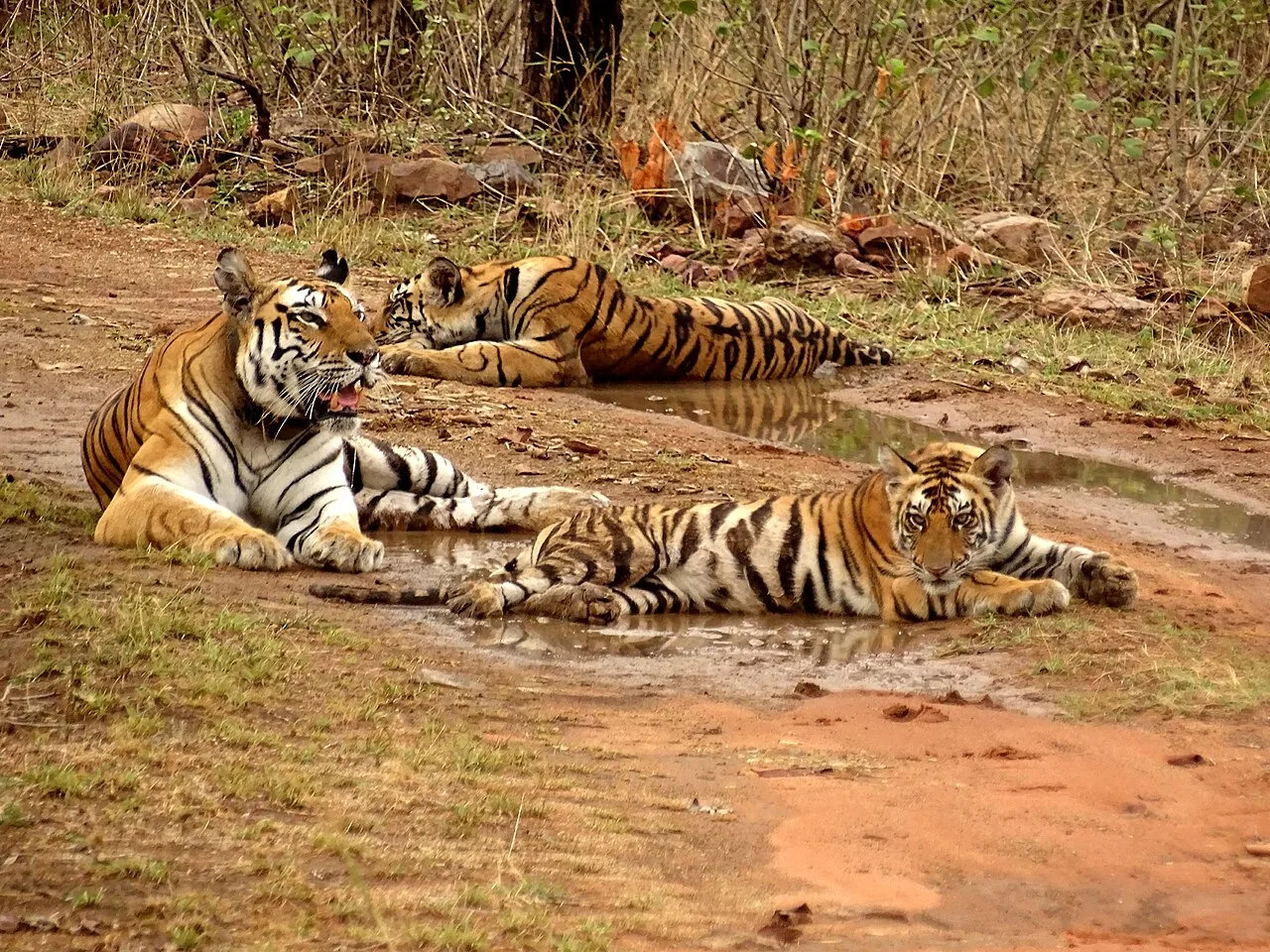
Covering 542.67 square kilometres, the park extends across Panna and Chhatarpur districts in Madhya Pradesh. Its area is equivalent to 209.53 square miles. Visitors come for the wildlife, especially its tigers. In 1994, India designated Panna as its 22nd tiger reserve; it was the fifth such reserve in Madhya Pradesh. In 2007, the Ministry of Tourism presented the park with an Award of Excellence, recognising it as the best-maintained national park in India. Poaching left the reserve with almost none of its tigers in 2009. A later recovery programme was considered one of the most successful efforts to restore a big-cat population. Following the programme, numbers increased to as many as 80 tigers within the park. Madhya Pradesh holds three UNESCO World Heritage Sites — the temples of Khajuraho, the Buddhist stupas of Sanchi and the Bhimbetka rock shelters — plus the forts and palaces of Gwalior, Orchha and Mandu, the marble gorges of Bhedaghat, the pilgrim towns of Ujjain and Omkareshwar, and some of India's best tiger country in Kanha, Bandhavgarh, Pench and Satpura. The state has very hot summers from March to June (often above 42°C in the north and west), a monsoon from late June to September that greens the forests but closes the tiger reserves' core zones, and a cool, pleasant winter from November to February — the best season for almost everything. The usual best time to visit is October to March. Timings, fees and access arrangements must be confirmed locally. For official information, see Madhya Pradesh Tourism at https://www.mptourism.com.
Why it matters
Panna National Park spans parts of Panna and Chhatarpur districts in Madhya Pradesh and covers 542.67 square kilometres, according to the park summary. It forms the core of a tiger reserve declared in 1994 as India’s twenty-second and Madhya Pradesh’s fifth. The landscape and its wildlife make it an important part of the state’s network of protected forests along the Ken River. After poaching caused the loss of almost all the reserve’s tigers in 2009, a restoration programme brought tigers back through carefully managed reintroductions and protection. The Ministry of Tourism of India recognised Panna with its Award of Excellence as the country’s best-maintained national park in 2007. Panna is also a useful nature destination to combine with the historic temples of nearby Khajuraho.
The protected landscape now known as Panna National Park lies across the districts of Panna and Chhatarpur, in a region with a long history of forest use, farming and princely rule. The modern park was established to conserve the area’s wildlife and dry deciduous forests. In 1994, it was declared India’s twenty-second tiger reserve and Madhya Pradesh’s fifth, bringing it into the national programme for tiger conservation. The reserve’s history also includes a severe crisis: by 2009, poaching had eliminated almost all its tigers. Wildlife authorities responded with a recovery programme that included moving tigers from other reserves, monitoring them and strengthening protection. The subsequent return of breeding tigers is regarded as a significant conservation recovery, though wildlife numbers change and sightings are never assured. In 2007, before that crisis, the Ministry of Tourism of India gave the park its Award of Excellence as the best-maintained national park in India. Today, conservation work continues alongside regulated tourism and the needs of people living around the forest. Visitors should rely on current information from park authorities for details of access and protection measures.
Spend unhurried time at Panna National Park: walk the marked paths, use official viewpoints and ask locally whether a guide, entry ticket or forest permission is needed. On safari, follow the naturalist's instructions, stay inside the vehicle, wear muted colours and keep silent near animals — sightings are never guaranteed, and patience is rewarded. A comfortable itinerary is one main visit in the morning, a local meal at midday and a short nearby stop before an afternoon return. Use the district list on this site to find other places in Chhatarpur, but check the route and its condition before combining stops. If a festival is on — such as the Khajuraho Dance Festival, the Tansen Samaroh in Gwalior, Lokrang in Bhopal or the Simhastha Kumbh at Ujjain — roads and stays can be busy, and the experience can be unforgettable. Leave no litter: many sites are protected by the communities around them.
Suggested itineraries
Half day: Check in at the correct gate, complete one guided safari (allow several hours), then have a relaxed meal nearby. Full day: Start with a morning safari, return for breakfast and rest, have a local midday meal, then visit a permitted nearby viewpoint or nature stop before returning; confirm access and road conditions first. Gentler option: Choose a short, vehicle-based visit from the nearest suitable gate, with frequent rest stops and no additional walking; confirm the route and facilities with the park or lodge in advance.
Panna’s living culture reflects the wider Bundelkhand region, where Hindi and Bundeli are widely spoken. Local folk music, seasonal songs and dance traditions are part of community celebrations, alongside major Hindu festivals such as Holi and Diwali. Everyday life in settlements around the reserve includes farming, livestock keeping, trade and forest-linked work. The park itself is a protected wildlife area rather than a venue for cultural performances, so visitors should not expect staged traditions on safari. Khajuraho, in the same district, is known for its temple architecture and the annual Khajuraho Dance Festival, which presents Indian classical dance. Dress modestly in villages and ask before photographing people or community events.
Local communities
People living in and around the Panna landscape include farming and forest-edge communities, with livelihoods that may involve cultivation, livestock, local trade and work connected with tourism or conservation. Communities in the wider Bundelkhand region include Adivasi groups, among them Gond and Kol people; identities and livelihoods vary from village to village. The protected area’s rules can affect how people access forest resources, while tourism and conservation employment can also shape local opportunities. Visitors should follow guidance from park staff, use local services respectfully and ask permission before taking photographs. Avoid treating communities as attractions or seeking access to private or culturally sensitive places.
Festivals & events
Holi, usually celebrated in spring, and Diwali, generally in autumn, are observed in towns and villages around Panna; local celebrations vary. The Khajuraho Dance Festival, usually held in February, is a major nearby cultural event featuring classical dance against the temple setting. It can make accommodation and road travel around Khajuraho busier than usual. Regional fairs and religious gatherings may also take place, but their schedules can change. These events are not held inside the national park, and safari access remains subject to park rules and permits. Check local event and travel information before combining a festival visit with a park trip.
Local food in Madhya Pradesh includes poha with jalebi for breakfast, bhutte ka kees, dal bafla and dal baati, Indore's sarafa night-market snacks, Bhopal's seekh kebabs and biryani, mawa-bati and gajak sweets, and mahua-based tribal dishes in forest districts. Ask what is fresh that day; many small eateries cook a limited daily menu. Vegetarian travellers eat well across the state, and most towns also have good non-vegetarian food; Indore's Sarafa Bazaar turns into a famous night food market. Remote sites may have no restaurant at all. Carry water and snacks, eat a proper breakfast before long drives, and ask your accommodation for a packed lunch if you are heading out early. Try a home-cooked or local thali meal when you can — it is often the best food on the route. Choose busy, clean places, drink sealed or filtered water, and carry your packaging back with you.
Shopping & local experiences
Look for locally made crafts, textiles and everyday goods in markets in Panna, Khajuraho and nearby towns; availability varies. Khajuraho shops often sell carvings, small decorative objects and souvenirs inspired by temple art, but check materials and workmanship before buying. Local food products and seasonal produce may be available through markets or eateries. Choose legal, responsibly made goods and never buy wildlife products, animal parts or items presented as coming from the forest. Buying directly from local artisans or small businesses, where possible, can help support livelihoods around the destination.
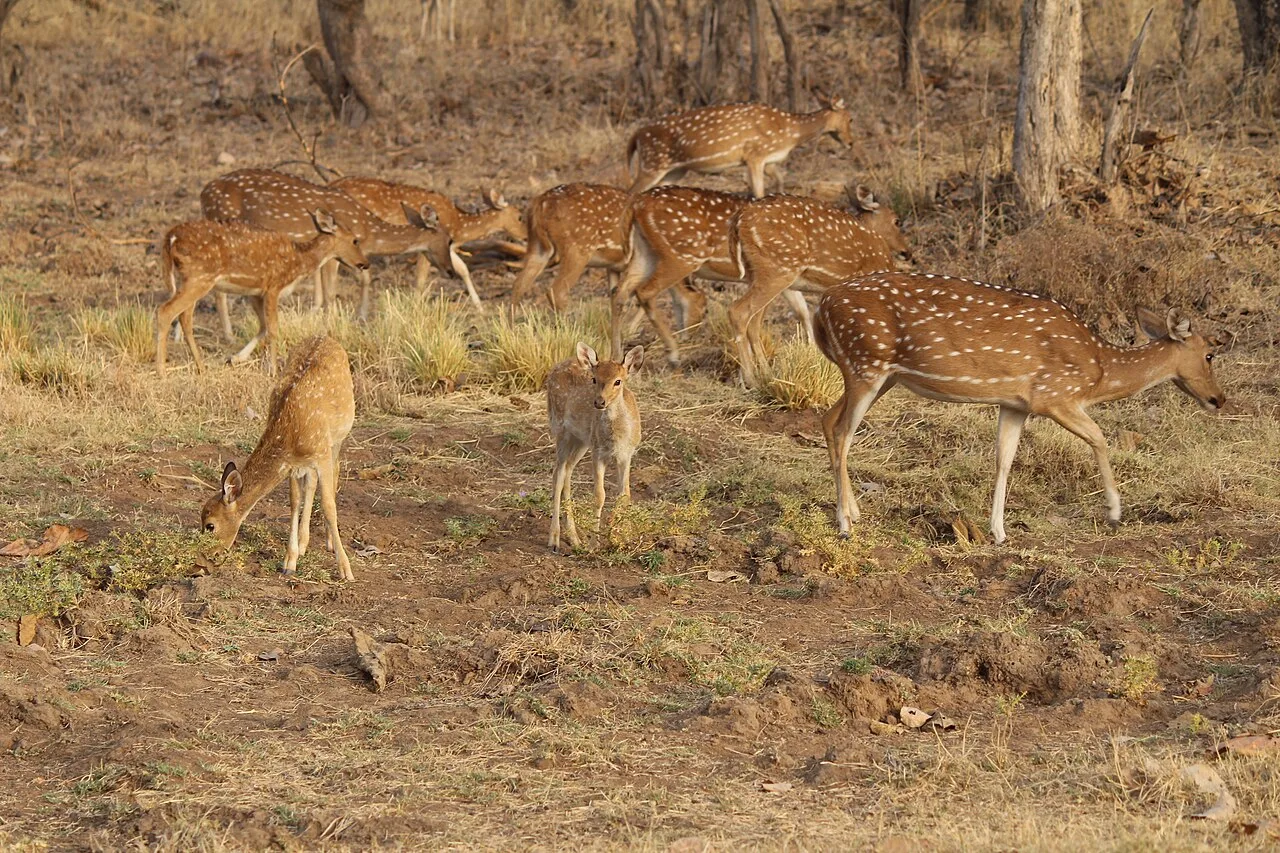
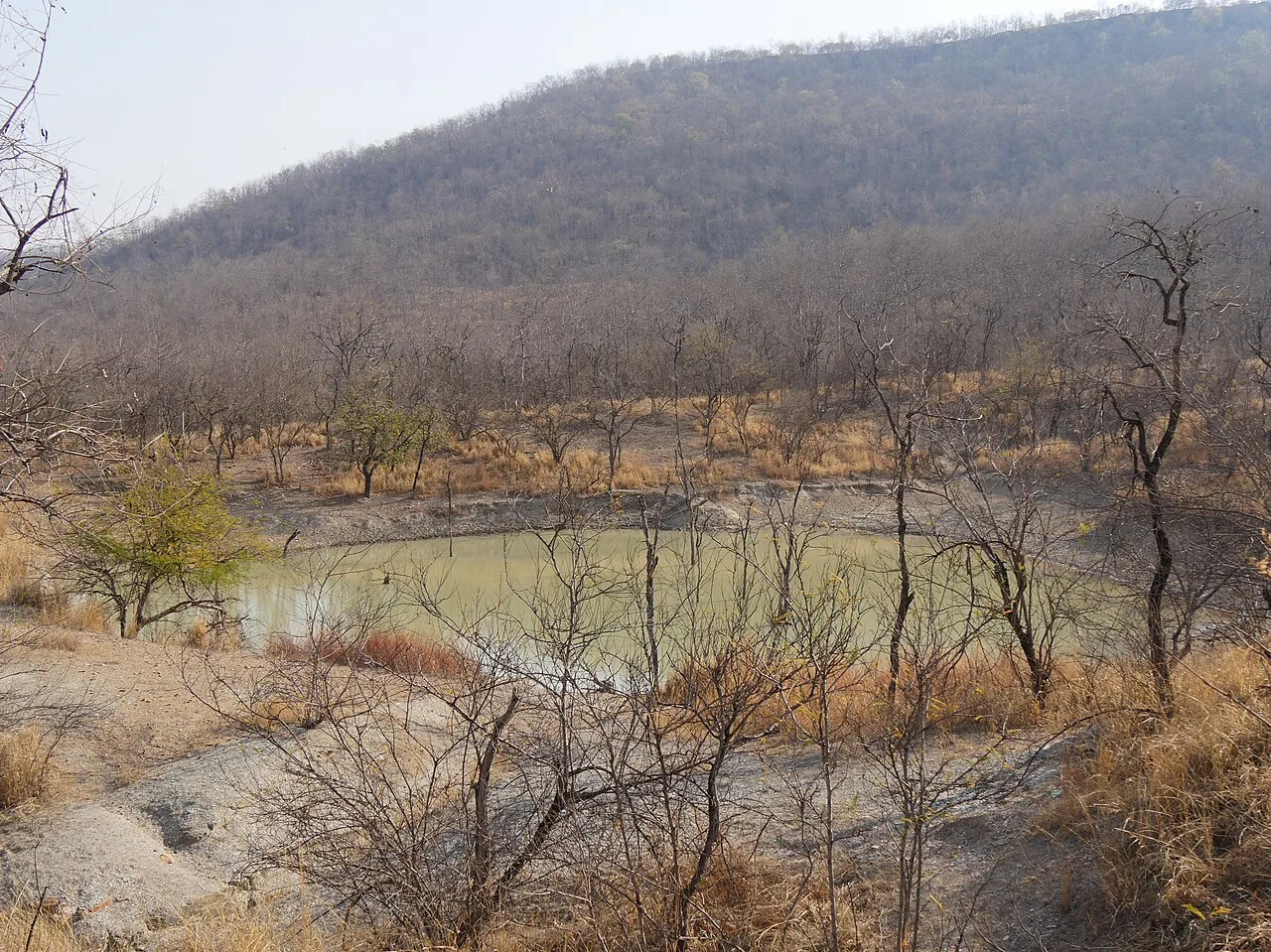
Panna’s protected landscape includes dry deciduous forest, open woodland, grassland and rocky terrain shaped by the Ken River and its tributaries. Teak and other woodland trees grow alongside species such as tendu and mahua; the mix of habitats changes with the season. Wildlife recorded in the region includes tigers, leopards, sloth bears, chital, sambar, nilgai and wild dogs. The river environment also supports aquatic life, including gharials in parts of the Ken. Birdlife is varied, with woodland, grassland and water-associated species; vultures may also be seen in the wider landscape. Monsoon rains green the forest, while the dry season can make some animals easier to spot, but no sighting is guaranteed. Keep a respectful distance and never feed wildlife.
October to March
The nearest principal railway station by straight-line distance is Khajuraho, roughly 14 km away. The nearest operating airport by straight-line distance is Khajuraho Airport, roughly 13 km away. These figures are calculated from map coordinates — actual road distance is longer. Bhopal, Indore, Jabalpur and Gwalior are the main rail and air gateways; Khajuraho has its own airport and station, Jhansi (UP) serves Orchha and Datia, and Pipariya is the railhead for Pachmarhi. Safari gates are far apart, so confirm which gate your permit is for before booking your stay; resorts usually arrange a jeep and driver from the nearest town. When comparing train, bus and flight, count the complete door-to-door time: a flight saves the most time only if the onward road transfer is short, while an overnight train can save a hotel night. Book your return before you leave, because seats fill quickly on weekends, festivals and holidays. Current train numbers, timings, return services and fares are not listed here; check IRCTC and NTES for trains and the airline's own schedule for flights. No permit is needed to visit Madhya Pradesh. Tiger safaris in Kanha, Bandhavgarh, Pench, Satpura and Panna must be booked in advance on the official MP Forest online portal — zones and gates sell out weeks ahead in peak season, and the core zones are closed during the monsoon (roughly July to mid-October). Boating and angling in the National Chambal Sanctuary also need forest-department bookings.
Confirm onward and return timings on IRCTC / NTES, the state bus operator or your airline before travel. A dash means current timings or fares have not been verified.
Getting around
Plan local travel around the specific safari gate printed on your permit: gates and accommodation areas can be far apart. Lodges and resorts commonly help arrange a permitted jeep and driver, but confirm this before booking. Taxis or locally hired vehicles can be useful for transfers from Khajuraho and nearby towns; availability should be checked in advance. Local buses may serve some settlements but are not a dependable way to reach a particular gate or match a safari booking. Walking is suitable only in places where it is expressly permitted, not inside safari areas. Check parking and pick-up arrangements with your accommodation, and allow extra time for rural roads.
Hours, tickets & permissions
Entry is controlled and generally requires a valid park or safari ticket, with access dependent on the permitted zone and gate. Some visits require advance booking, an authorised vehicle and a guide or naturalist; camera permissions or charges may apply. Carry the identification required for the booking and ensure that the name and details match. Access to core areas can be seasonal or restricted, and rules may differ between zones. Confirm current opening arrangements, entry requirements and fees with the park-managing authority before travelling; do not rely on old listings or informal offers.
Facilities
Facilities vary by gate and accommodation. Safari entry points may have basic check-in arrangements and parking, while toilets, drinking water and food are more likely to be available at nearby lodges or towns than along forest routes. Guided vehicle visits are commonly arranged through authorised operators or accommodation providers; confirm what is included and whether a naturalist is available. Mobile coverage and access to cash may be limited in some areas, so plan ahead and carry water for the journey. Check locally for accessible toilets, food options and current visitor services rather than assuming every gate has them.
Accessibility
The park is primarily experienced from a safari vehicle, but the terrain is natural and can be rough, dusty or uneven. Getting in and out of a jeep may involve a high step, and there may be little shade or seating at check-in points. Walking distances and surfaces vary by gate, and trails should not be assumed to be suitable for wheelchairs or strollers. Older visitors and people with limited mobility should discuss vehicle access, boarding assistance, rest needs and the route with the operator before booking. Carry essential medication and water, and plan for heat and road vibration. Confirm facilities directly, as accessibility provisions can differ between sites and lodges.
No permit is needed to visit Madhya Pradesh. Tiger safaris in Kanha, Bandhavgarh, Pench, Satpura and Panna must be booked in advance on the official MP Forest online portal — zones and gates sell out weeks ahead in peak season, and the core zones are closed during the monsoon (roughly July to mid-October). Boating and angling in the National Chambal Sanctuary also need forest-department bookings. Carry a photo ID at all times and save the emergency number 112 and your accommodation's contact offline. Never step out of the safari vehicle, never walk in the forest without a registered guide, and keep to buffer-zone paths; wild elephants, sloth bears and big cats live here. Stay on marked paths, keep away from cliff edges and fast water, and never approach wild animals.
Visitor rules
Follow the instructions of park staff, guides and drivers at all times, and remain inside the safari vehicle unless authorised to leave it. Keep voices low, do not call to, feed or approach animals, and never litter. Wear muted, comfortable clothing and closed footwear suitable for dusty conditions. Entry is limited to authorised routes and zones; do not leave the vehicle or enter restricted areas. Photography must not interfere with wildlife or other visitors, and flash may be inappropriate or restricted. Plastic and other waste should be taken back out. Check current regulations for cameras, equipment and permitted visitor conduct before arrival.
Photography
Soft light in the morning and later in the day can suit forest and river landscapes, while a quiet pause at an authorised viewpoint may offer good compositions. Wildlife photography depends on chance, conditions and the guide’s decisions; sightings should never be pursued off route. Keep equipment secure inside the vehicle and follow any restrictions on flash, lenses or camera fees. Do not use drones unless the relevant authority has explicitly permitted them; protected-area rules may prohibit them. Ask before photographing residents, guides or cultural events, and avoid disturbing people or wildlife for a picture.
Choose a stay by the full journey to Panna National Park, not just the district name. Stay near the safari gate your permit is for — Kanha's Khatia and Mukki gates, Bandhavgarh's Tala, Pench's Turia and Satpura's Madhai each have their own resort clusters. In summer, check air-conditioning; in the monsoon, check that the property is accessible if roads flood. Book in advance for weekends, festivals and the peak season (October to March). Confirm the exact location, meals included, check-in time and cancellation terms in writing. Avoid sending money to unverified contacts or touts at stations. Carry some cash, as card and digital payments can be unreliable in remote areas.
Khajuraho’s group of historic temples, a UNESCO World Heritage Site, is a major cultural stop in Chhatarpur district and can be combined with Panna subject to road conditions and safari plans. Raneh Falls, on the Ken River near Khajuraho, is known for its rocky gorge and seasonal water flow. Pandav Falls is another natural attraction in the Panna area. These sites have separate access arrangements, and water levels or local conditions can affect visits. Do not try to fit several stops around a safari without checking travel time, opening arrangements and the relevant road route locally.
For couples, Panna National Park rewards a slow pace: arrive early for soft light and fewer crowds, share a local meal and keep the evening free. Sunset over the marble rocks at Bhedaghat, a boat ride on the Narmada at Maheshwar or a night drive under the stars near a forest lodge makes the trip memorable. Public displays of affection can be frowned upon in conservative communities and at religious sites, so be discreet. Keep a buffer in your itinerary, because weather and road conditions can delay plans.
Q: How much time should I allow for Panna National Park? A: Allow several hours for one safari, plus time for transfers and check-in. A full day is more comfortable if you are travelling from Khajuraho or adding a nearby stop. Q: When is a good season to visit? A: October to March is generally a comfortable period for travel in Madhya Pradesh. Monsoon conditions can affect access, and park zones may have seasonal restrictions; confirm locally. Q: Do I need to arrange entry in advance? A: Safari access is controlled and may require advance booking, a specified gate and an authorised vehicle or guide. Check current rules with the park authority before setting out. Q: Is the park suitable for children and older visitors? A: It can be, but safari roads are rough and vehicle boarding may be difficult. Consider comfort, health and mobility, and confirm arrangements with the operator. Q: Where should I stay nearby? A: Khajuraho and settlements near the relevant safari gate offer accommodation options. Choose a stay only after confirming which gate your permit uses and how transfers will be arranged.
Be the first to share photos, stories, advice or a helpful contact for Panna National Park.
Loading…