
Ghumoopedia — Explore, Discover, Experience
Sign in
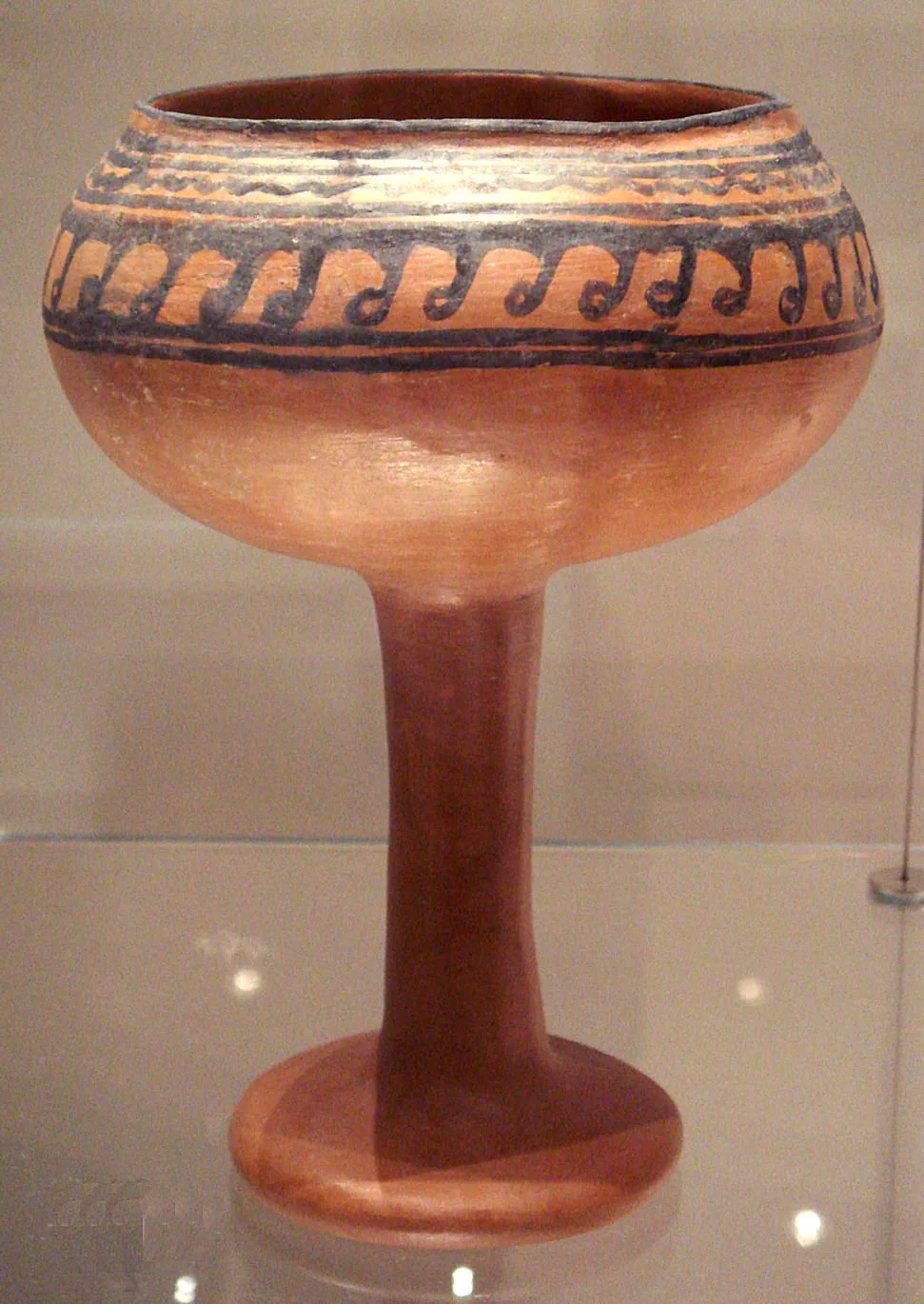
Navdatoli Archaeological Site, near Maheshwar

City guide · Madhya Pradesh

Maheshwar

Maheshwar is a riverside town in Khargone district, set on the northern bank of the Narmada in western Madhya Pradesh. It is best known for its stone ghats, temples and fort-palace associated with the eighteenth-century ruler Ahilya Bai Holkar, as well as for Maheshwari handloom sarees.

Famous for

  • Maheshwari handloom sarees
  • Narmada River ghats
  • Ahilya Bai Holkar's fort
  • Historic riverside temples
  • Narmada worship
In the city
1
District
Khargone

Why Maheshwar matters

Maheshwar is a riverside town in Khargone district, set on the northern bank of the Narmada in western Madhya Pradesh. It is best known for its stone ghats, temples and fort-palace associated with the eighteenth-century ruler Ahilya Bai Holkar, as well as for Maheshwari handloom sarees. Visitors come to see the old town and riverfront, take in views of the Narmada, visit places of worship and explore the weaving tradition that remains part of local life.

The town also matters as a pilgrimage centre and a focus of regional heritage tourism. Its quiet lanes and riverfront offer a contrast to larger nearby cities, while its location makes it a popular excursion from Indore and other parts of the Nimar region. Maheshwar is often identified with the ancient city of Mahishmati, though the identification is not certain. Today, its distinctive character rests on the meeting of Narmada traditions, Holkar-era architecture and a living textile craft.

Famous for: crafts, trade & products

Maheshwar is most closely associated with Maheshwari sarees and other handwoven textiles. Known for their light fabric, fine checks or stripes and distinctive borders, these sarees are woven in cotton, silk and blended yarns. Maheshwari handloom sarees have a Geographical Indication tag. The craft grew under Ahilya Bai Holkar’s patronage and continues through local weavers, workshops and organisations, including the Rehwa Society, which supports weaving and artisan livelihoods.

Visitors can look for handlooms and finished textiles in the old town, particularly around the fort and ghats, where shops and workshops sell sarees, dupattas and fabric. Some outlets allow a glimpse of the weaving process, though access depends on the workshop. Maheshwar is not primarily known as a large industrial or wholesale trading centre; its textile identity is rooted in household and small-workshop production. Buyers can ask about fibre, weave and care, and compare pieces from different makers. The town’s markets also carry everyday goods and regional handicrafts, but textiles remain its signature product.

History

Maheshwar is widely associated with Mahishmati, a city mentioned in Sanskrit epic traditions, although the precise identification is debated. Local legend connects the area with Kartavirya Arjuna, also called Sahasrarjuna. The town’s name means “Great God,” an epithet of Shiva, and its temples reflect a long-standing religious importance.

In the late eighteenth century, Ahilya Bai Holkar made Maheshwar the capital of the Holkar kingdom of Malwa. She developed the town, building and restoring temples, public works and the riverfront ghats; her palace and fort remain prominent landmarks. Maheshwar served as the Holkar capital until 1818, when Malhar Rao Holkar III moved the capital to Indore. During the colonial period, the Holkars ruled from Indore within the system of British paramountcy, and Maheshwar continued as a religious and weaving centre. In modern times, heritage tourism and handloom production have helped sustain the town’s profile.

Food, festivals & culture

Daily life in Maheshwar is closely tied to the Narmada. Worshippers visit riverside shrines and temples, while the ghats are used for prayer and ritual bathing. Hindi is widely spoken; Nimadi and Marathi are also heard in the region. Devotional singing and bhajans are part of religious gatherings, especially around the temples and riverfront. The town’s principal places of worship include the Raj Rajeshwar Temple and the temples and shrines within the fort and along the ghats.

Mahashivratri, usually in February or March, draws worshippers to Shiva temples. Narmada Jayanti, generally in January or February, is marked with prayers and ceremonies by the river. Holi, Navratri and Diwali are also observed, and cultural programmes honouring Ahilya Bai are held in the town. Local menus draw on the food traditions of western Madhya Pradesh and may include poha, dal bafla and seasonal sweets such as malpua. Offerings and simple meals around the temple and market areas provide a taste of everyday regional cooking.

Visiting the city

October to March is generally the most comfortable period to visit, with cooler weather for walking around the old town and ghats. Summer can be very hot, while monsoon rains may affect riverfront conditions. The nearest airport with regular commercial connections is Devi Ahilya Bai Holkar Airport in Indore. Barwaha is a nearby railway station; Indore Junction is the region’s main rail hub and offers broader connections.

Maheshwar is compact, and the fort, temples, handloom shops and riverfront can be explored on foot. Local autos and hired vehicles are useful for longer trips or travel to nearby places. Spend time around Ahilya Fort and the Narmada ghats, then explore the lanes of the old town for shrines and weaving workshops. Check local conditions before going close to the river, especially during the monsoon.

Attractions

Places to visit in Maheshwar

Sights within about 12 km of each other, even when they fall in different districts.

Map

Maheshwar on the map

  1. 1Navdatoli Archaeological Site

Madhya Pradesh

Other cities to explore