
Ghumoopedia — Explore, Discover, Experience
Sign in
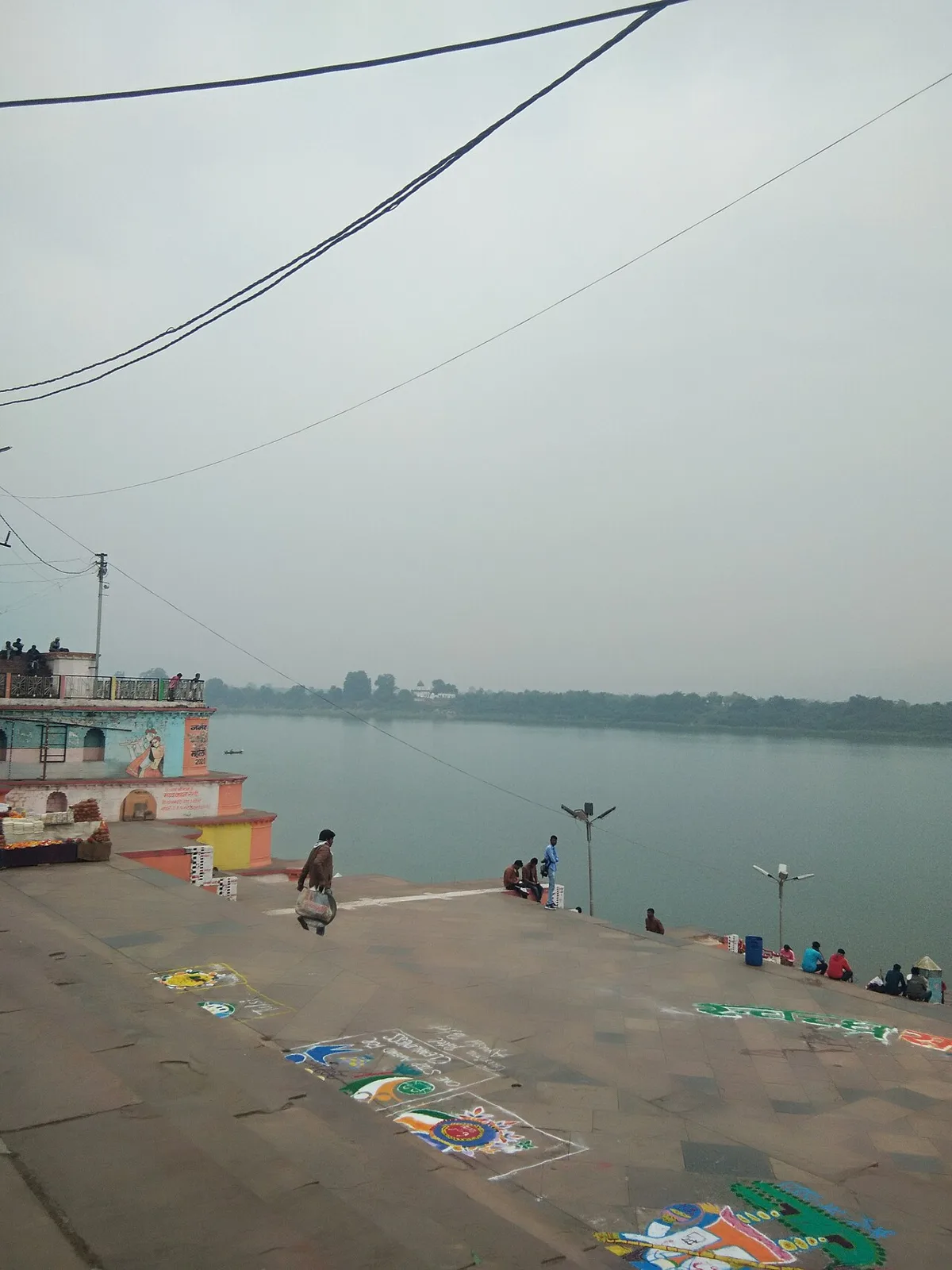
Sethani Ghat, Narmadapuram, near Narmadapuram

City guide · Madhya Pradesh

Narmadapuram

Narmadapuram, formerly known as Hoshangabad, is a regional administrative and commercial centre in central Madhya Pradesh. It is the headquarters of Narmadapuram district and division, and stands on the south bank of the Narmada River.

Famous for

  • Sethani Ghat
  • Narmada River ghats
  • Narmada Jayanti
  • Security Paper Mill
  • Wheat and soybean trade
In the city
1
District
Hoshangabad

Why Narmadapuram matters

Narmadapuram, formerly known as Hoshangabad, is a regional administrative and commercial centre in central Madhya Pradesh. It is the headquarters of Narmadapuram district and division, and stands on the south bank of the Narmada River. The river shapes the city’s identity: visitors come to its ghats to pause by the water, attend religious observances and see the riverfront, with Sethani Ghat among the best-known places to visit.

The city is also known for the Narmada Jayanti celebrations, when devotees gather along the river, and for its place in the agricultural economy of the surrounding region. Its markets serve nearby towns and villages, while the Security Paper Mill is a notable industrial institution. Narmadapuram makes a useful stop for travellers exploring the Narmada valley or travelling between Bhopal and the Satpura region. It is not primarily a resort town; its appeal lies in the riverfront, religious life and everyday central Indian city atmosphere. The older name Hoshangabad remains familiar in local usage and in some older references.

Famous for: crafts, trade & products

Narmadapuram is better known for riverfront life, agriculture and an important industrial institution than for a signature textile or handicraft tradition. The Security Paper Mill is a prominent local employer and produces specialised paper for security printing. It is an industrial facility, not a regular visitor attraction or retail outlet, so access should not be assumed.

The surrounding district is an agricultural area, with wheat and soybean among its important crops. Local trading activity is visible in the city’s produce markets and general bazaar, where residents shop for everyday goods and seasonal farm produce. These are practical places to experience the city’s commercial life rather than specialist craft markets.

No widely established city-specific GI-tagged product or recognised saree tradition is central to Narmadapuram’s identity. Visitors looking for local purchases can browse the central market for packaged snacks, sweets and household goods, while checking labels and asking sellers about the origin of agricultural products. The river ghats, especially Sethani Ghat, are the city’s most distinctive public spaces, but they are places of worship and gathering rather than shopping areas.

History

The town was historically called Narmadapur, a name associated with the Narmada River. It later came to be known as Hoshangabad, after Hoshang Shah Gori, the first ruler of the Malwa Sultanate. The town’s position beside the Narmada gave it a lasting connection to river-based worship, movement and settlement.

During British rule, the surrounding district formed part of the Nerbudda Division of the Central Provinces and Berar. Following independence in 1947, the region became part of Madhya Bharat and later Madhya Pradesh. The city developed as an administrative centre, serving the district and the wider division, alongside the growth of agriculture and trade in the surrounding area. The Security Paper Mill became a significant part of its modern industrial profile. In March 2021, the city was officially renamed Narmadapuram, restoring a name linked to the river, although Hoshangabad remains familiar to many people.

Food, festivals & culture

The Narmada is central to the city’s religious and cultural life. Sethani Ghat and other riverfront places are used for prayer, ritual bathing and family observances. Narmada Jayanti, usually celebrated in January or February according to the Hindu lunar calendar, brings devotees to the ghats for worship and festivities. Makar Sankranti, Navratri and Diwali are also observed, alongside the regular cycle of Hindu religious festivals.

Hindi is widely used in daily life, with local speech reflecting the linguistic mix of central Madhya Pradesh. Food commonly found in the city includes poha, often eaten for breakfast with jalebi, as well as central Indian favourites such as dal bafla. Sweet shops and snack sellers in the market offer familiar regional treats; availability varies by season and shop. Music and devotional singing are especially associated with worship and festival gatherings. Temples and the river ghats are the most visible places of worship, and the Narmada remains a shared focus for residents and visitors.

Visiting the city

The comfortable time to visit is generally October to February, when days are milder. Summer, from roughly April to June, can be very hot; the monsoon brings heavier rain. The nearest airport is Raja Bhoj Airport in Bhopal, about 77 km away. The city’s main rail stop is Narmadapuram Railway Station, on the route connecting Bhopal and Itarsi; Itarsi is a larger rail junction in the region.

Auto-rickshaws and local taxis are useful for getting between the station, town centre and riverfront. Start around Sethani Ghat and the Narmada banks, then explore the central bazaar for everyday shops and food. The administrative and older central parts of town offer a look at local city life. Check river conditions during the monsoon and follow local guidance at the ghats, particularly when the water is high.

Attractions

Places to visit in Narmadapuram

Sights within about 12 km of each other, even when they fall in different districts.

Map

Narmadapuram on the map

  1. 1Sethani Ghat, Narmadapuram

Madhya Pradesh

Other cities to explore