
Ghumoopedia — Explore, Discover, Experience
Sign in
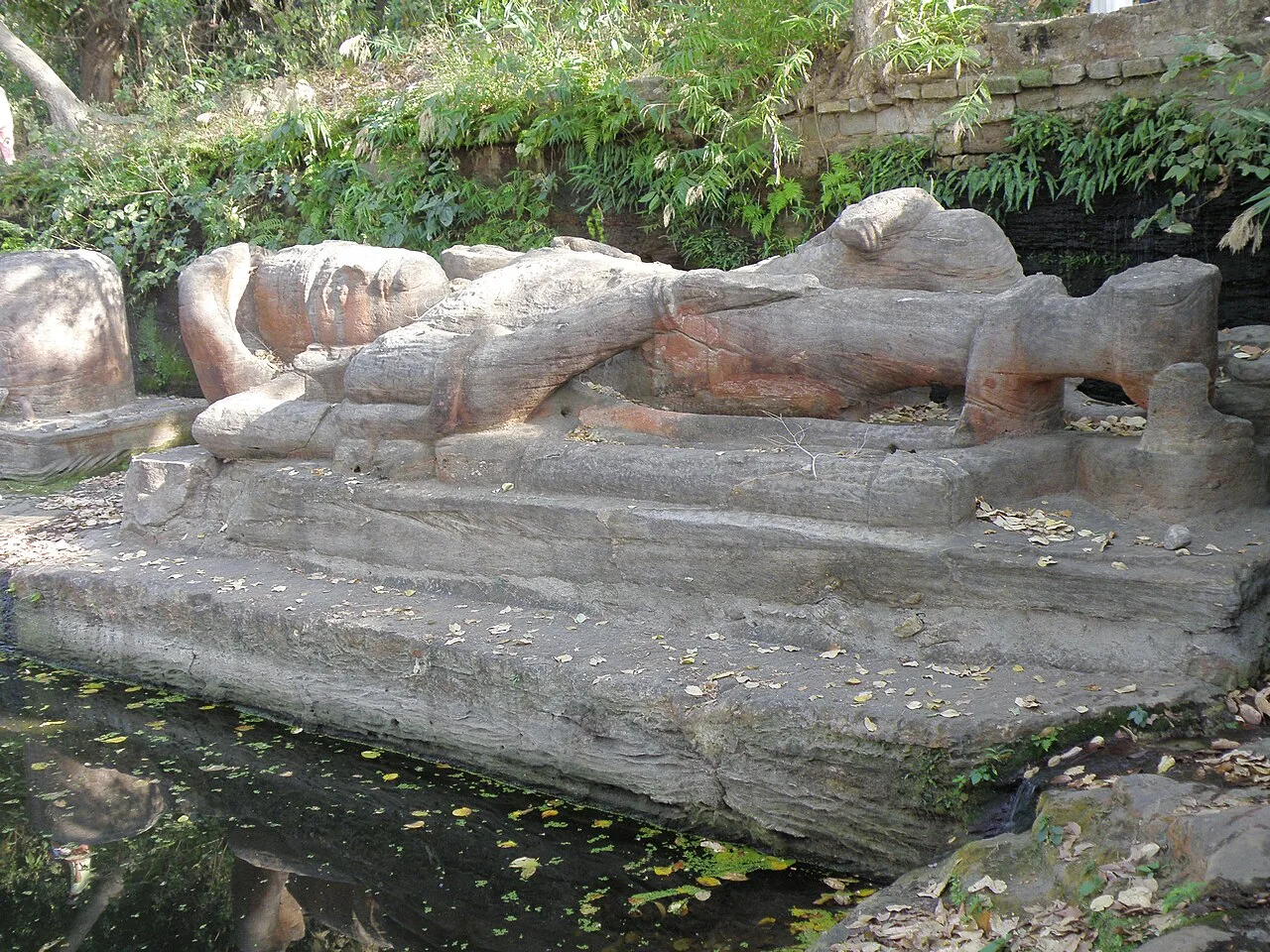
Bandhavgarh Fort, near Umaria

City guide · Madhya Pradesh

Umaria

Umaria is the administrative headquarters of Umaria district in eastern Madhya Pradesh and an important service centre for the surrounding towns and villages. Its role is shaped by district administration, rail connections and the region’s coal and power industries.

Famous for

  • Gateway to Bandhavgarh
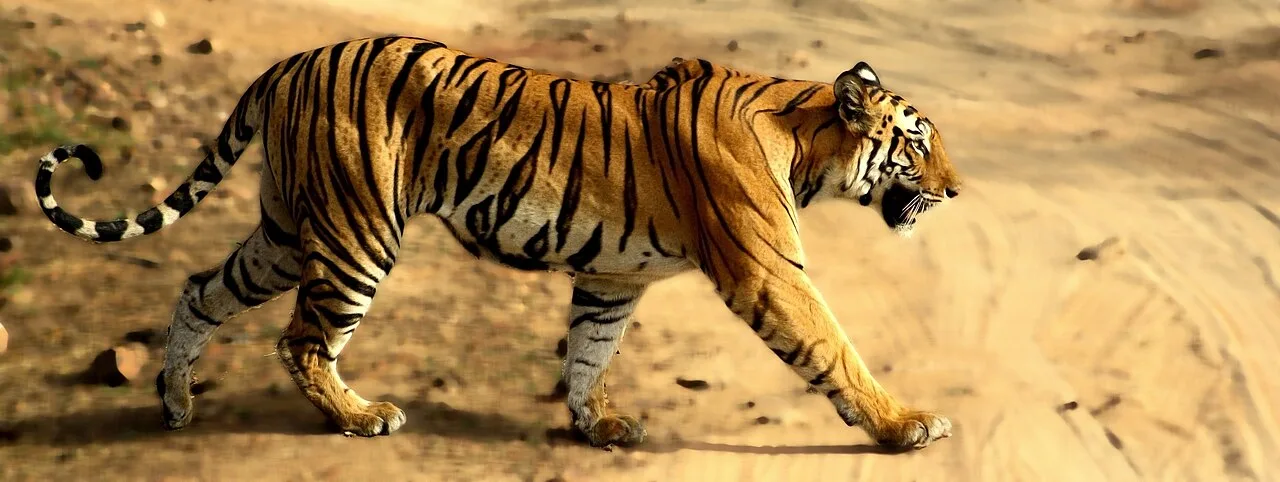
  • Tiger safaris
  • Umaria coal belt
  • Bagheli regional culture
In the city
0
Nearby
2
District
Bandhavgarh
Plan a trip

Why Umaria matters

Umaria is the administrative headquarters of Umaria district in eastern Madhya Pradesh and an important service centre for the surrounding towns and villages. Its role is shaped by district administration, rail connections and the region’s coal and power industries. The nearby Birsinghpur power station is part of this wider industrial landscape, though it is outside Umaria city.

For many visitors, Umaria is best known as a rail gateway to Bandhavgarh National Park, celebrated for its tiger habitat, forest scenery and historic fort. The park lies beyond the city, so travellers generally use Umaria as a starting point rather than as a safari destination in itself. The town also offers a glimpse of everyday life in the Baghelkhand region, where local markets serve residents, workers and visitors. Its appeal is practical as well as cultural: it connects a wildlife destination with the administrative and commercial life of a largely rural district.
Famous for: crafts, trade & products

Umaria is not widely recognised as a centre for a particular textile, saree tradition or handicraft, and there is no prominent city-based GI-tagged product to seek out. Its economy is more closely associated with public administration, rail transport and the wider district’s coal and power activity. The Sanjay Gandhi Thermal Power Station is at Birsinghpur Pali, not in Umaria city, but it is a notable part of the district’s industrial profile.

For everyday shopping, the town’s central market areas and shops around the main roads cater to local needs, with groceries, clothing, household goods and regional snacks. These are practical places to browse rather than specialist craft markets. Visitors may find locally made or tribal-style items through general retailers and seasonal stalls, but availability varies and there is no established craft district or dedicated market. Those hoping to buy distinctive regional products should ask locally about current makers and stalls instead of assuming a particular item is consistently available. Umaria’s most visible visitor-related trade is linked to transport, lodging and access to Bandhavgarh, whose safari facilities are based closer to the park’s entry areas.

History

Umaria and its surrounding region formed part of the princely state of Rewa, ruled by the Baghela dynasty, before India’s independence. The area’s history is also closely linked to Bandhavgarh, where the hilltop fort and remains reflect a much older political and religious landscape. These heritage sites lie outside the present city and are best understood as part of the wider district’s past.

Under British paramountcy, Rewa remained a princely state rather than a directly governed British province. Rail links and the growth of coal mining helped connect the region to wider networks and shaped employment and settlement in the modern era. After independence, Umaria became part of Madhya Pradesh and developed as a local administrative and commercial centre. Umaria district was carved out of Shahdol district in 1998, making the city its headquarters. Today, government services, transport and the nearby energy and mining economy continue to influence its growth.

Food, festivals & culture

Daily life in Umaria reflects the wider Baghelkhand region, with Hindi and Bagheli commonly heard; other regional and tribal languages are also spoken. There is no single signature dish strongly associated with the city. Local eateries serve familiar Madhya Pradesh and north Indian fare, such as poha, dal, roti and seasonal snacks, while sweets including jalebi are common in markets. Food options are generally centred on everyday meals rather than a distinct culinary circuit.

Holi in spring, Navratri and Dussehra in autumn, and Diwali in autumn are widely observed, alongside festivals and seasonal customs followed by local tribal communities. Celebrations may include devotional singing, community gatherings and folk performance; styles and practices vary between communities. Hindu temples, mosques, churches and local shrines serve the town’s diverse residents, though Umaria is not chiefly known as a major pilgrimage centre. For a broader cultural context, visitors can explore the town market and ask residents about local fairs or events taking place during their stay.

Visiting the city

October to March is generally the most comfortable season for exploring Umaria and visiting nearby Bandhavgarh. Summer can be hot, though some wildlife visitors choose it for park trips. Jabalpur Airport is the nearest practical airport for most travellers; Umaria railway station is the main rail stop serving the city. From either, onward travel is by road, with taxis and local vehicles available. Arrange transport to Bandhavgarh separately, as the park’s access points are outside town.

The central market and streets around the railway station offer a simple introduction to everyday Umaria. The city is compact, and auto-rickshaws or hired vehicles are useful for local journeys. Most visitors stay only briefly in town or continue toward the park’s entry areas, where safari arrangements and accommodation are concentrated. Check current park access arrangements before travelling.

Short trips

Around Umaria

Within about 40 km — easy half-day or day trips from the city.

Map

Umaria on the map

  1. 1Bandhavgarh Fort
  2. 2Bandhavgarh National Park

Madhya Pradesh

Other cities to explore