
Ghumoopedia — Explore, Discover, Experience
Sign in
Muktagiri, near Bhainsdehi

City guide · Madhya Pradesh

Bhainsdehi

Bhainsdehi is a Nagar Parishad town and tehsil centre in Betul district, set among the Satpura ranges in southern Madhya Pradesh. Its position near the Maharashtra border connects it with a wider rural region, while local markets and public services make it an important centre for nearby villages.

Famous for

  • Purna River source
  • Kukru sunset views
  • Muktagiri temple complex
  • Prachin Shiv Temple
  • Satpura hill setting
In the city
0
Nearby
1
District
Betul
Plan a trip

Why Bhainsdehi matters

Bhainsdehi is a Nagar Parishad town and tehsil centre in Betul district, set among the Satpura ranges in southern Madhya Pradesh. Its position near the Maharashtra border connects it with a wider rural region, while local markets and public services make it an important centre for nearby villages. The surrounding landscape—wooded hills, valleys and streams—is a major draw for visitors seeking a quieter alternative to the state’s better-known destinations.

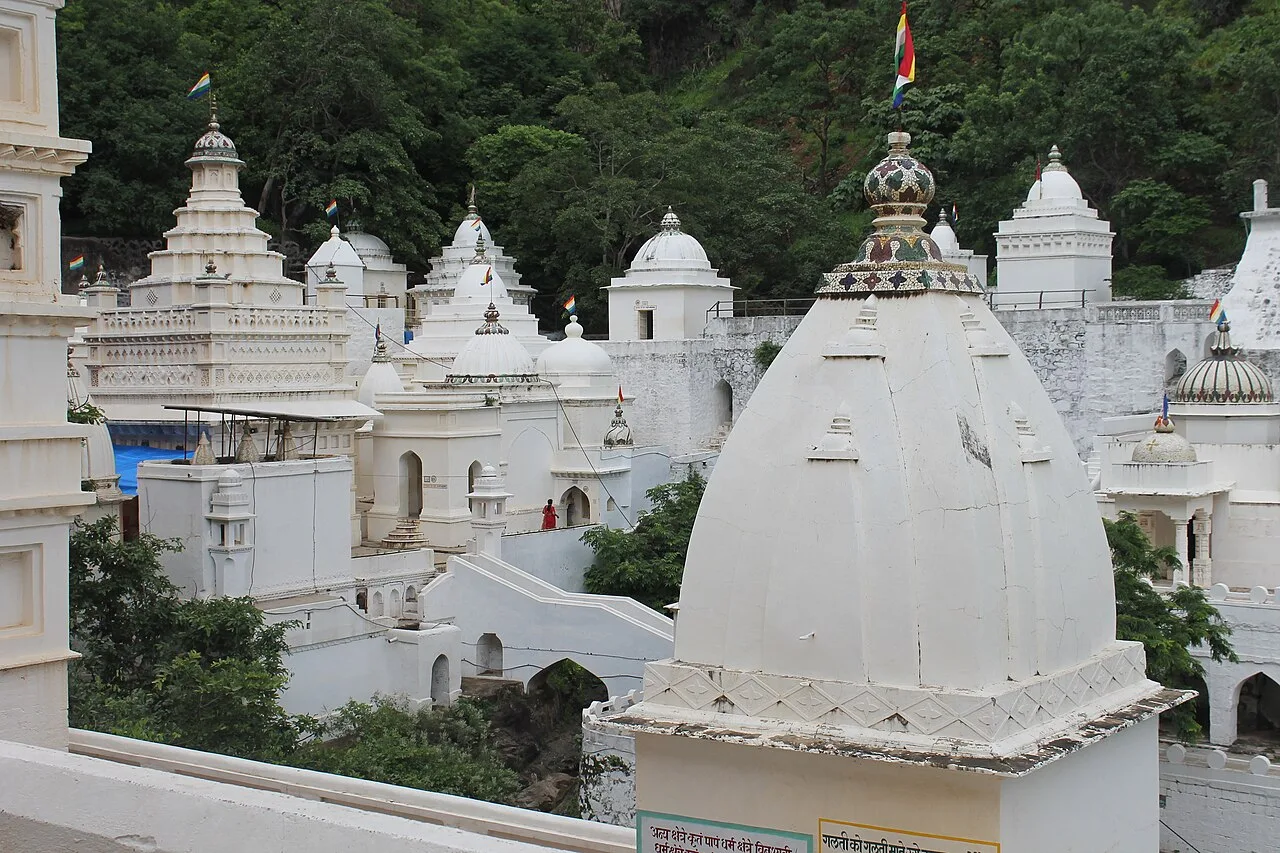
Places to explore include the source of the Purna River, the Prachin Shiv Temple and the hill country around Kukru, where sunset views near Bhondiyakund are especially appealing. Muktagiri, also called Mendhagiri, is known for its group of 52 temples and is a notable pilgrimage destination in the wider area. Bhainsdehi is also predominantly tribal, giving the region a distinctive mix of community traditions and rural life. Visitors can combine temple visits with short excursions into the Satpura landscape, while treating Bhainsdehi as a practical base for exploring this part of Betul district.

Famous for: crafts, trade & products

Bhainsdehi is not widely identified with a particular textile, handicraft, GI-tagged product or large-scale industry. Its importance is more as a local service and trading centre for surrounding villages. Small shops and market areas cater to everyday needs, including groceries, household goods and agricultural requirements. The town’s markets are the most practical places to look for locally made items or seasonal produce, though availability can vary and specialist craft outlets are not a defining feature of the town.

The wider Betul region has substantial tribal communities, and visitors may encounter local traditions and handmade work in village settings or at community events. These should not be assumed to be regular, formally marketed products in Bhainsdehi itself. For a more meaningful introduction, ask locally about community gatherings or nearby village markets, and seek permission before photographing people or their work. Bhainsdehi’s better-known visitor attractions are religious and scenic rather than commercial: the Prachin Shiv Temple, the Purna River source and the hill viewpoints around Kukru. Muktagiri’s temple complex is another draw in the surrounding region. There is no single established shopping district or signature product for which the town is especially known.

History

Local tradition associates Bhainsdehi with the ancient name Mahishmati and with the legendary Raghuvanshi king Gaya. In this account, the name changed over time through forms such as Mahishvati and Mahishadehi before becoming Bhainsdehi. This is a mythological explanation of the town’s name rather than a settled account of its documented political history.

Bhainsdehi developed as a settlement and administrative centre in the Satpura foothills, serving a predominantly rural and tribal hinterland. Its location close to the Maharashtra border has long placed it within a region shaped by movement between neighbouring communities and markets. In modern Madhya Pradesh, Bhainsdehi functions as a Nagar Parishad and tehsil centre within Betul district. Its role today is connected to local administration, trade and access to nearby religious and natural sites, rather than to a major industrial or metropolitan expansion.

Food, festivals & culture

Bhainsdehi’s cultural life reflects its rural setting, tribal communities and position near the Maharashtra border. Hindi is widely used, with Marathi and tribal languages also heard in the surrounding area. Community music, dance and oral traditions are part of local life, though practices vary between communities and villages. Visitors may find a more direct introduction to these traditions during local gatherings than in a formal performance venue.

Hindu festivals such as Holi in spring, Navratri and Dussehra in autumn, and Diwali in autumn are observed in the town and nearby settlements. Temple visits and seasonal fairs can bring communities together, while tribal customs and celebrations add further local character. Places of worship include the Prachin Shiv Temple, Hanuman Temple, Sheetla Mata Mandir, Ram Mandir and other shrines; the Dhuni Wale Dadaji and Shardha temples are also among the local religious sites.

Everyday food is broadly rooted in central Indian home cooking, with grains, lentils and seasonal vegetables.

Visiting the city

The cooler months, roughly from October to February, are generally the most comfortable for visiting. The monsoon brings greener hills but can make rural roads and outdoor excursions less predictable; summer is hot. Nagpur’s Dr. Babasaheb Ambedkar International Airport is a practical major air gateway, while Betul railway station is a useful rail access point for onward road travel to Bhainsdehi. Check current connections before setting out, as the final journey is by road.

Auto-rickshaws and local taxis are useful for getting around town; a hired vehicle is more convenient for Kukru, Bhondiyakund, the Purna River source and other outlying sites. Explore the central market and temple areas on foot where practical. Muktagiri is a worthwhile regional excursion, but allow time for the road journey and temple visit. Ask locally about road conditions and access before heading into the hills.

Short trips

Around Bhainsdehi

Within about 40 km — easy half-day or day trips from the city.

Map

Bhainsdehi on the map

  1. 1Muktagiri

Madhya Pradesh

Other cities to explore