
Ghumoopedia — Explore, Discover, Experience
Sign in
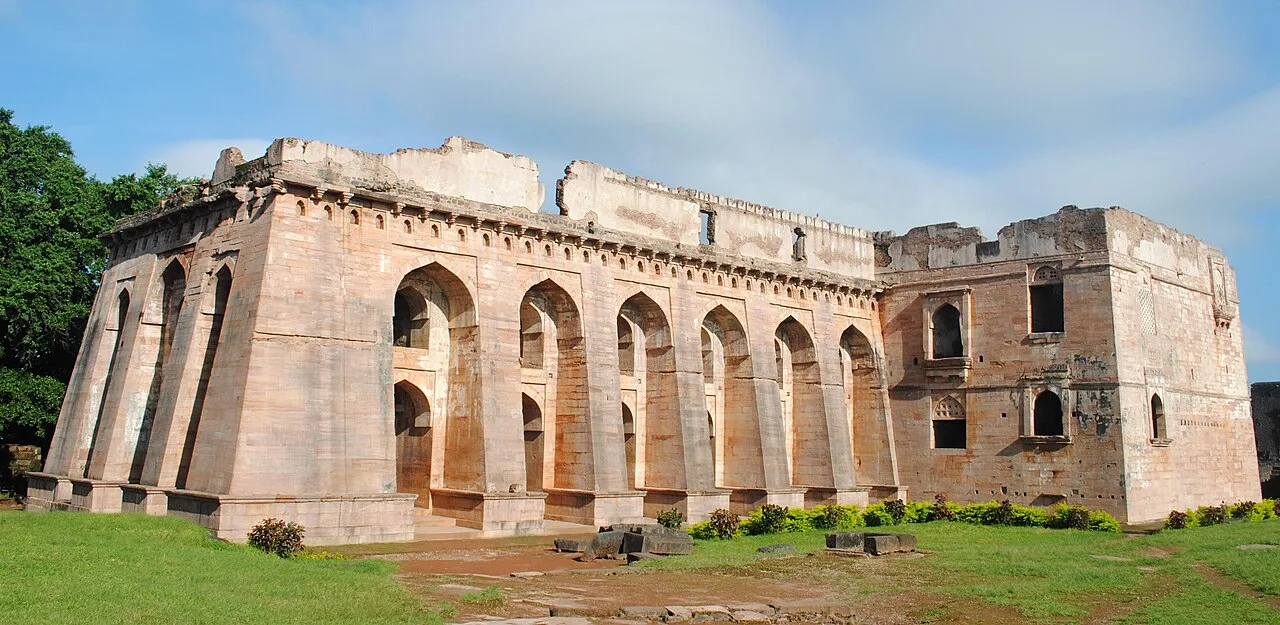
Hindola Mahal, Mandu, near Mandu

City guide · Madhya Pradesh

Mandu

Mandu, also called Mandav or Mandavgad, is a historic hilltop town in Dhar district, western Madhya Pradesh. Set on the Vindhya range above the Malwa plateau and the Narmada valley, it developed as a defensible stronghold and later became a celebrated capital of the Malwa Sultanate.

Famous for

  • Jahaz Mahal
  • Roopmati’s Pavilion
  • Jama Masjid
  • Mandu fort walls
  • Malwa Sultanate architecture
  • Monsoon landscapes
In the city
2
District
Dhar

Why Mandu matters

Mandu, also called Mandav or Mandavgad, is a historic hilltop town in Dhar district, western Madhya Pradesh. Set on the Vindhya range above the Malwa plateau and the Narmada valley, it developed as a defensible stronghold and later became a celebrated capital of the Malwa Sultanate. Its position and layers of history are reflected in a circuit of old fort walls and gateways enclosing palaces, mosques, tombs, reservoirs and Jain temples.

Visitors come chiefly for the architecture: the palace complex around Jahaz Mahal, the great Jama Masjid, Hoshang Shah’s marble-domed tomb, and the southern viewpoints associated with Roopmati’s Pavilion and Baz Bahadur’s Palace. The buildings are spread across a broad plateau, with open countryside between them. In the rains, the surrounding hills and ravines turn green, adding to Mandu’s appeal as a scenic heritage destination. Though small and quiet compared with nearby Indore, Mandu is an important stop for exploring Malwa’s history and architecture, often visited from Dhar or as part of a longer regional journey.
Famous for: crafts, trade & products

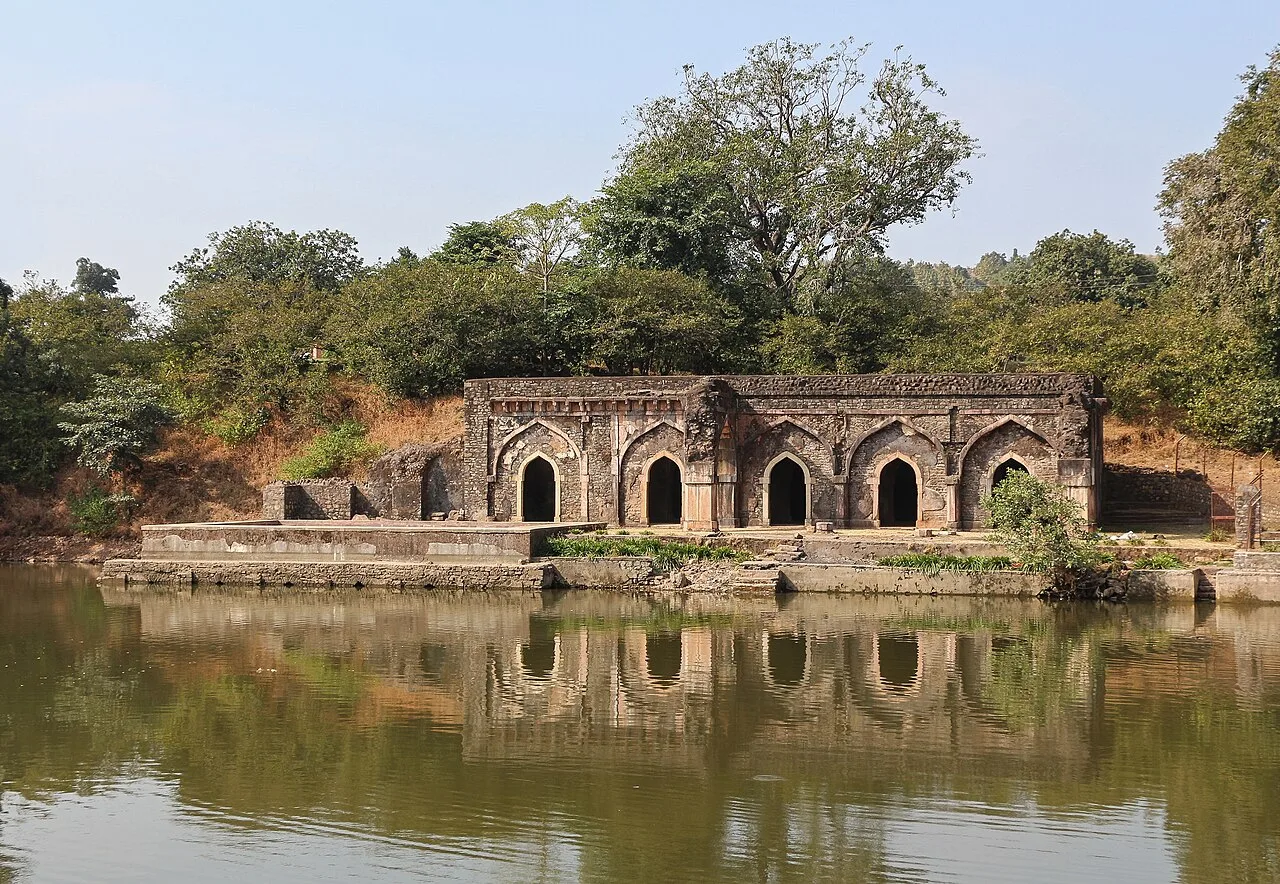
Mandu is best known for its historic buildings and landscape, rather than for a distinctive textile, handicraft, industrial product or major trading market. Its architectural heritage includes the palaces, mosques, tombs and water structures of the former Malwa Sultanate capital. The Jama Masjid and Hoshang Shah’s tomb are notable examples of the region’s medieval building traditions; Jahaz Mahal is among the town’s most recognisable landmarks. The fort’s gateways and walls are part of the same heritage setting.

There is no widely established Mandu-specific GI-tagged product or signature craft market to seek out. Small shops and stalls in Mandav village may offer snacks, refreshments and basic visitor goods, but travellers looking for a broader choice of textiles, handicrafts or regional products are more likely to find them in Dhar or Indore. These larger centres also serve as the area’s main commercial hubs. Local eateries around the monuments are convenient for meals during sightseeing, though Mandu is not particularly known as a food-shopping destination. It is best to treat the town as a heritage and nature visit, and plan dedicated shopping in a larger nearby city rather than expect a specialist bazaar in Mandu.

History

An inscription dated to 555 CE refers to a temple at Mandapa-Durg, suggesting that a settlement existed here by the sixth century. Mandu rose to prominence under the Paramaras, who used its elevated, naturally defended position as a royal stronghold. Delhi Sultanate forces captured it in 1305. In the early fifteenth century, Hoshang Shah made Mandu the capital of the independent Malwa kingdom, and the town acquired many of its best-known monuments under the Ghuri and Khalji rulers.

The Gujarat Sultanate took Mandu in 1531; Mughal control followed, though rule in Malwa remained contested. Baz Bahadur, remembered in local tradition alongside Roopmati, held the kingdom before Akbar’s forces brought it under Mughal authority in the 1560s. Maratha power reached Mandu in 1732, and the regional capital shifted back to Dhar. During the colonial period, Mandu formed part of the Dhar princely state under British paramountcy. After independence, it became part of Madhya Pradesh. Today, its monuments and fort landscape underpin its role as a heritage destination.

Food, festivals & culture

Mandu’s food reflects the broader Malwa region rather than a cuisine unique to the town. Visitors may find dishes such as dal bafla, poha and jalebi, along with everyday North Indian meals and snacks at local eateries. Seasonal produce and simple refreshments are common around sightseeing areas; for a wider choice of restaurants and regional specialities, Dhar and Indore offer more options.

Hindi is widely used, and Malwi is spoken across the region; Urdu is also part of the area’s historical and cultural fabric. Mandu’s built landscape brings together Islamic and Jain heritage, with mosques and tombs alongside Jain temples, including the Mandavagadh pilgrimage site. Local observances include major Hindu festivals such as Navratri, Diwali and Holi, as well as Eid celebrations. These follow the Hindu and Islamic calendars, so their dates vary each year. Folk music and devotional traditions are part of the wider Malwa culture, though Mandu is better known for its architecture and scenery than for a regular performance or festival calendar.

Visiting the city

October to March is generally the most comfortable season for exploring Mandu. The monsoon months bring dramatic greenery and waterfalls, but rain can make roads and outdoor visits less convenient. The nearest airport is Devi Ahilya Bai Holkar Airport in Indore, and the main railway station for most visitors is Indore Junction. Mandu is about 100 km from Indore by road and around 35 km from Dhar.

There is no railway station in Mandu. Visitors commonly travel by road from Indore or Dhar, arranging a taxi or other local vehicle for the dispersed monuments. The central Mandav village is a useful base. Explore the Royal Enclave around Jahaz Mahal, the Jama Masjid and tomb complex, then continue south towards Rewa Kund, Baz Bahadur’s Palace and Roopmati’s Pavilion. Allow time for walking between sites and for viewpoints along the old fort circuit.

Attractions

Places to visit in Mandu

Sights within about 12 km of each other, even when they fall in different districts.

Map

Mandu on the map

  1. 1Hindola Mahal, Mandu
  2. 2Mandu

Madhya Pradesh

Other cities to explore