
Ghumoopedia — Explore, Discover, Experience
Sign in
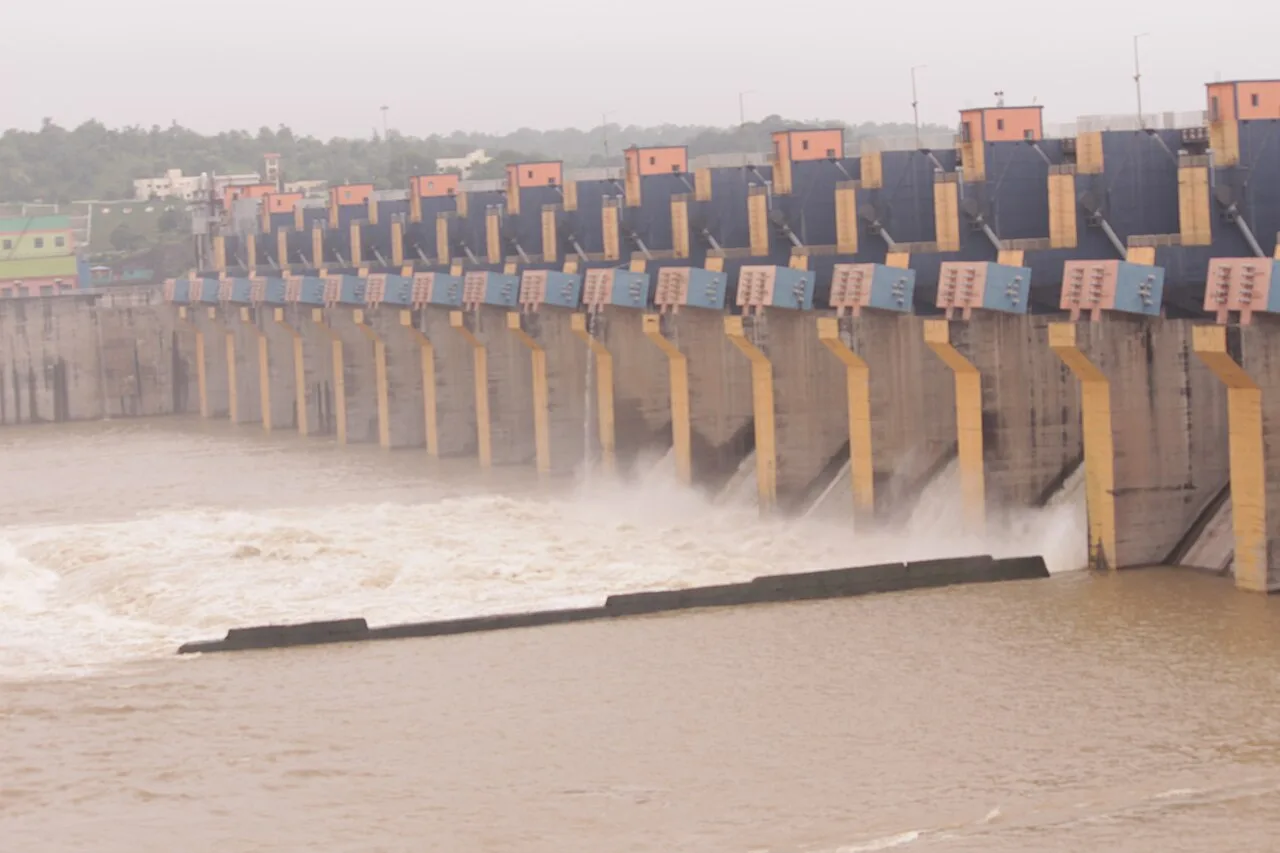
Omkareshwar Dam, near Omkareshwar

City guide · Madhya Pradesh

Omkareshwar

Omkareshwar is a pilgrimage town on the Narmada River in Madhya Pradesh, best known for Omkareshwar Temple, one of the twelve revered Jyotirlinga shrines of Shiva. The temple stands on Mandhata, also called Shivpuri, an island whose outline is traditionally said to resemble the sacred Om symbol.

Famous for

  • Omkareshwar Jyotirlinga
  • Mamleshwar Temple
  • Narmada River
  • Mandhata Island
  • Narmada parikrama
In the city
2
Districts
Khandwa, Omkareshwar

Why Omkareshwar matters

Omkareshwar is a pilgrimage town on the Narmada River in Madhya Pradesh, best known for Omkareshwar Temple, one of the twelve revered Jyotirlinga shrines of Shiva. The temple stands on Mandhata, also called Shivpuri, an island whose outline is traditionally said to resemble the sacred Om symbol. Across the river, on the southern bank, Mamleshwar—also known as Amaleshwar—is another important Shiva temple. Many visitors include both shrines in their pilgrimage.

The town’s religious life and visitor economy are closely tied to its temples, riverfront and the circuit around the island. Pilgrims come for worship, river rituals and the island parikrama; others visit to experience the Narmada’s landscape and the town’s historic sacred sites. Omkareshwar is also associated with stories of King Mandhata and with Adi Shankara, who is traditionally said to have met his teacher in a cave here. It is an important spiritual destination in the Nimar region, with Ujjain’s Mahakaleshwar Jyotirlinga another major Shiva pilgrimage in the state.
Famous for: crafts, trade & products

Omkareshwar is known more for pilgrimage and river worship than for a large textile, manufacturing or handicraft industry. There is no widely recognised local saree or GI-tagged product that defines the town. Its everyday commerce serves temple visitors and residents, particularly around the main shrine approaches, ghats and river crossings.

Small shops in these areas typically cater to worshippers with puja essentials, religious images and other devotional souvenirs; offerings and prasad are also part of the temple-going experience. The town’s most distinctive “local” offering is its sacred landscape: the paired Omkareshwar and Mamleshwar shrines, the Narmada ghats and the island pilgrimage circuit. Visitors looking for a broader range of regional goods or specialised crafts may find more choice in larger nearby towns and cities. Shop selections vary, so it is sensible to check the product and its origin rather than assume an item is locally made.

History

Omkareshwar’s history is closely linked to its status as a sacred Narmada site. Hindu traditions recount several origins for the shrine and the island’s name, including a story in which Shiva appeared as Omkareshwar and Amaleshwar after the mountain deity Vindhya worshipped him. Another tradition connects the place to King Mandhata, whose name is also associated with the island. These accounts are religious narratives rather than a single documented account of the town’s founding.

The temple is attributed to the Paramara period, around the 11th century. Later, Chauhan rulers held authority over the shrine. The complex underwent rebuilding under the Holkars in the 18th century, with work begun under Gautama Bai Holkar and completed under Ahilyabai Holkar. Omkareshwar subsequently came under British rule and, after Indian independence, the Archaeological Survey of India took responsibility for the temple with local administration. In modern times, pilgrimage remains central to the town, alongside tourism focused on the river, temples and island route.

Food, festivals & culture

Religious practice shapes daily life in Omkareshwar. Shiva worship is central at Omkareshwar and Mamleshwar, while the Narmada ghats draw visitors for prayer and river rituals. The island parikrama is a significant devotional walk. Mahashivratri, usually observed in February or March, is an especially important occasion for Shiva devotees. Narmada Jayanti, generally celebrated in January or February, honours the river; other Hindu festivals are observed according to the lunar calendar and local temple traditions.

Hindi is widely used, and Nimadi is spoken in the surrounding region. The town’s food options generally serve pilgrims and travellers, with familiar Madhya Pradesh fare such as poha and jalebi available; these are regional favourites rather than a distinctive Omkareshwar speciality. Simple meals and prasad are part of many visitors’ temple visits. Music and devotional singing are most visible in religious settings and during festivals. The main places of worship for visitors are Omkareshwar Temple on Mandhata Island and Mamleshwar Temple on the mainland, with smaller shrines and riverfront spaces adding to the pilgrimage experience.

Visiting the city

The cooler months, roughly October to March, are generally the most comfortable for exploring Omkareshwar on foot. Summers can be hot, while monsoon weather may affect river conditions and boat access. The nearest airport is in Indore; Khandwa Junction is a principal railway connection, and Mhow is another nearby railhead. From these hubs, travellers continue by road.

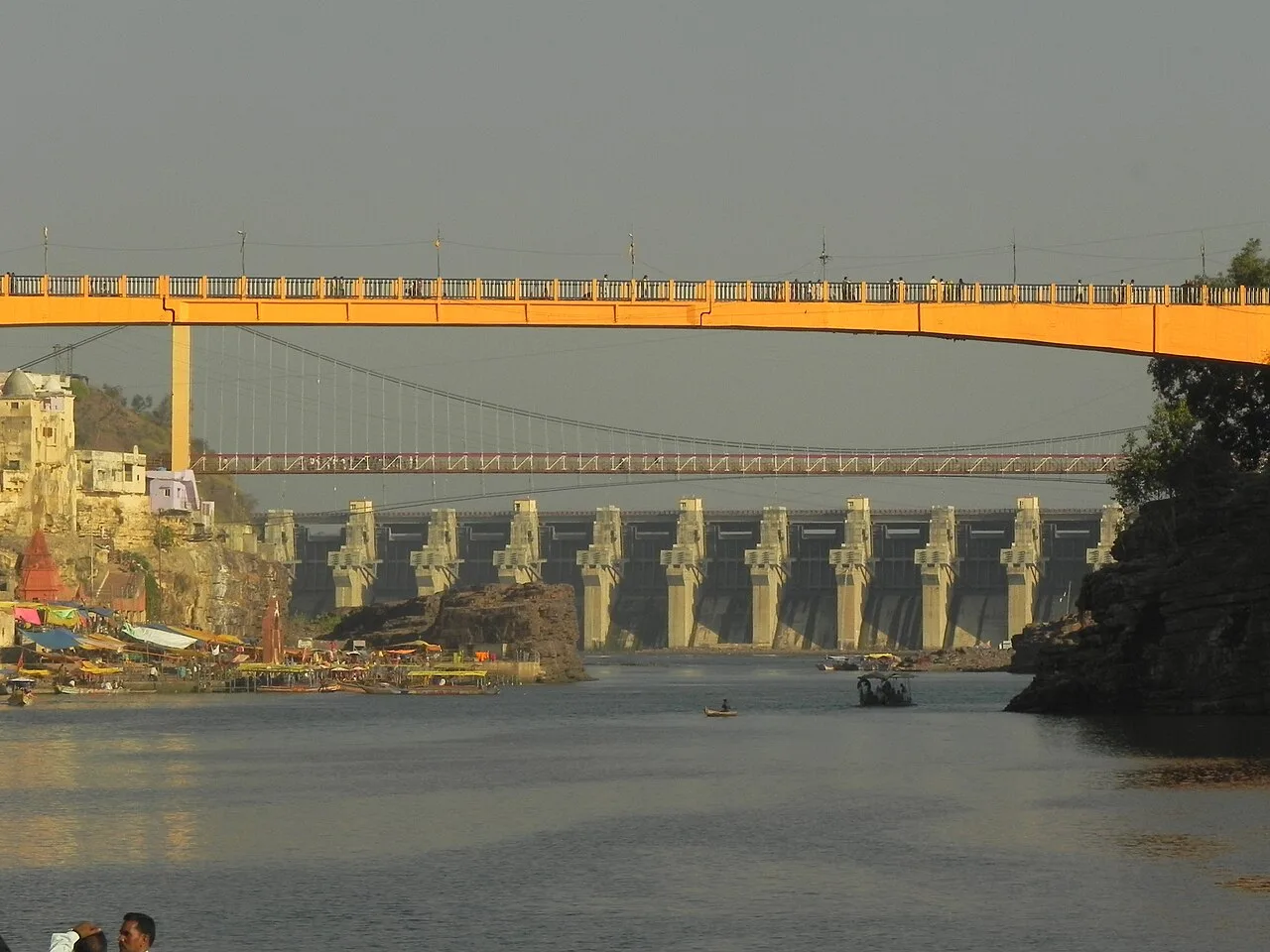
The town is compact, and visitors commonly explore on foot, using the bridges or locally available boats to move between the island and mainland when conditions allow. Focus on Mandhata Island, the Omkareshwar Temple approaches and the parikrama route, then cross to the southern bank for Mamleshwar Temple. The Narmada ghats are also worth exploring, especially for river views and a sense of the town’s devotional life. Allow time for crowds and walking around the shrines.

Attractions

Places to visit in Omkareshwar

Sights within about 12 km of each other, even when they fall in different districts.

Map

Omkareshwar on the map

  1. 1Omkareshwar Dam
  2. 2Omkareshwar Temple

Madhya Pradesh

Other cities to explore