
Ghumoopedia — Explore, Discover, Experience
Sign in
Maihar Sharda Temple, near Maihar

City guide · Madhya Pradesh

Maihar

Maihar is a pilgrimage and administrative centre in Madhya Pradesh’s Maihar district, best known for the revered Maa Sharda Temple on Trikut Hill. Visitors come to worship at the hilltop shrine, reached by a long stairway or ropeway, and to explore the temples and historic sites scattered through the town and its surroundings.

Famous for

  • Maa Sharda Temple
  • Trikut Hill pilgrimage
  • Maihar gharana music
  • Allauddin Khan legacy
  • Princely-state heritage
In the city
1
District
Satna

Why Maihar matters

Maihar is a pilgrimage and administrative centre in Madhya Pradesh’s Maihar district, best known for the revered Maa Sharda Temple on Trikut Hill. Visitors come to worship at the hilltop shrine, reached by a long stairway or ropeway, and to explore the temples and historic sites scattered through the town and its surroundings. The temple is especially busy during Navratri, when devotees arrive from across the region.

Maihar also has an important place in Indian classical music. It is associated with the Maihar gharana and with musician Allauddin Khan, whose legacy remains part of the city’s cultural identity. The restored home commemorating him offers another reason to look beyond the pilgrimage circuit. Today, Maihar serves as the district headquarters and a rail-connected stop between larger regional centres. Its combination of religious significance, musical heritage and former princely-state history makes it a distinctive destination in the Vindhya region.

Famous for: crafts, trade & products

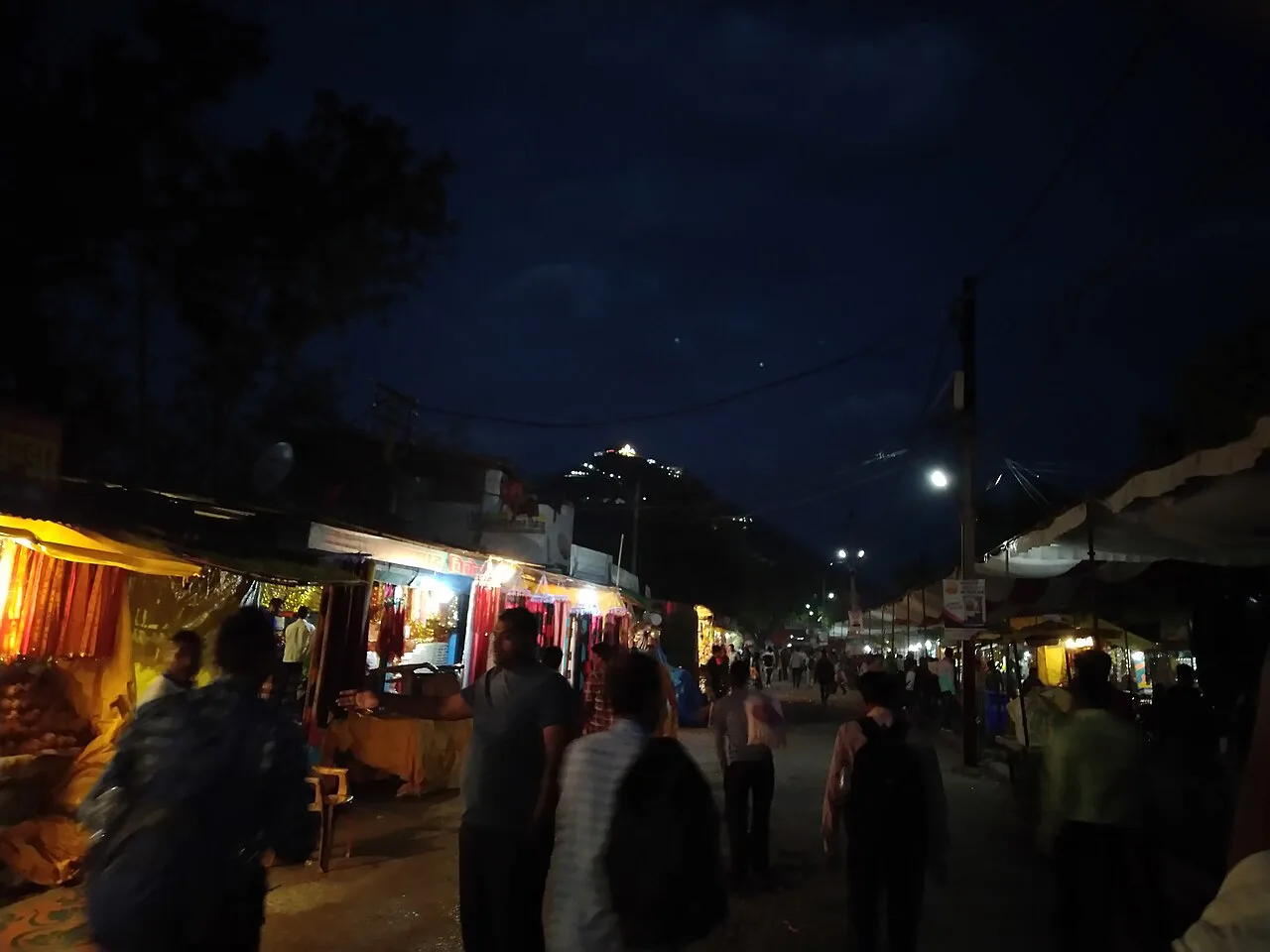
Maihar is not especially known for a signature textile, handicraft or GI-tagged product. Its strongest public identity is as a pilgrimage town centred on Maa Sharda Temple, with local trade serving residents, temple visitors and travellers. Shops and small markets in the town centre and around the station provide everyday goods, snacks and devotional items; the temple approach is the natural place to look for offerings and souvenirs. For locally made goods, ask traders about their origin rather than assuming an item is exclusive to Maihar.

The city’s best-known cultural institution is its musical legacy: Maihar is associated with the Maihar gharana, shaped by the work of Allauddin Khan. His restored home, maintained in his memory, is a point of interest for visitors drawn to Hindustani classical music. Maihar’s markets are practical places to find travel essentials and worship supplies, rather than destinations for a specialist craft district. The town’s economy also reflects its roles as a district headquarters and railway stop, with services and small businesses supporting pilgrimage and regional travel.

History

Maihar’s history reaches back to prehistoric times, and ruins of shrines and other structures in the surrounding area point to a long record of settlement and worship. The city later became the capital of the princely state of Maihar. The state was established in 1778, when Jogis received land from the ruler of Orchha. In the nineteenth century it became a princely state under British rule and was administered within the Central India Agency. It was first associated with Bundelkhand, then with Bagelkhand after that agency was formed in 1871; Maihar and several neighbouring states were returned to Bundelkhand in 1933.

The East Indian Railway, now part of the West Central Railway network, connected Maihar with regional centres and helped strengthen its role as a travel and trading stop. After Indian independence, the princely state was integrated into the country. Maihar is now the headquarters of its own district in Madhya Pradesh, while its temple and musical heritage remain central to its identity.

Food, festivals & culture

Religious life in Maihar centres on Maa Sharda Temple, and Navratri, observed in spring and autumn, brings especially large numbers of worshippers to Trikut Hill. Diwali, Holi, Dussehra and other Hindu festivals are also marked in the town. Badi Mai and other local temples add to the everyday rhythm of worship. Visitors should expect crowds and busy approaches during major festival periods.

Hindi is widely used, alongside regional Bagheli speech. Maihar’s most distinctive cultural contribution is its connection with Hindustani classical music: the Maihar gharana is associated with Allauddin Khan and his musical legacy. The town is not chiefly known for a particular dance form. Everyday food is broadly in keeping with central Indian tastes; visitors can look for familiar regional meals and snacks such as poha, jalebi and thali dishes, though menus vary among eateries. Devotional music and temple observances are part of the pilgrimage atmosphere, especially around festival days.

Visiting the city

The cooler months, roughly October to March, are generally comfortable for visiting; summer can be hot, while July and August bring much of the area’s rain. Navratri offers a lively pilgrimage experience but also means heavier crowds. The nearest airport commonly used by visitors is Khajuraho Airport; check current connections and onward road options before travelling. Maihar Railway Station is the town’s main rail stop.

Auto-rickshaws and local taxis are useful for reaching the temple base, the town centre and other local sights. The climb to Maa Sharda Temple involves 1,064 steps, with a ropeway as an alternative; conditions and access can vary. Explore the temple approach and central market, the station area, and the restored home associated with Allauddin Khan. Allow extra time for the hill visit, particularly during festivals.

Attractions

Places to visit in Maihar

Sights within about 12 km of each other, even when they fall in different districts.

Map

Maihar on the map

  1. 1Maihar Sharda Temple

Madhya Pradesh

Other cities to explore