
Jatashankar
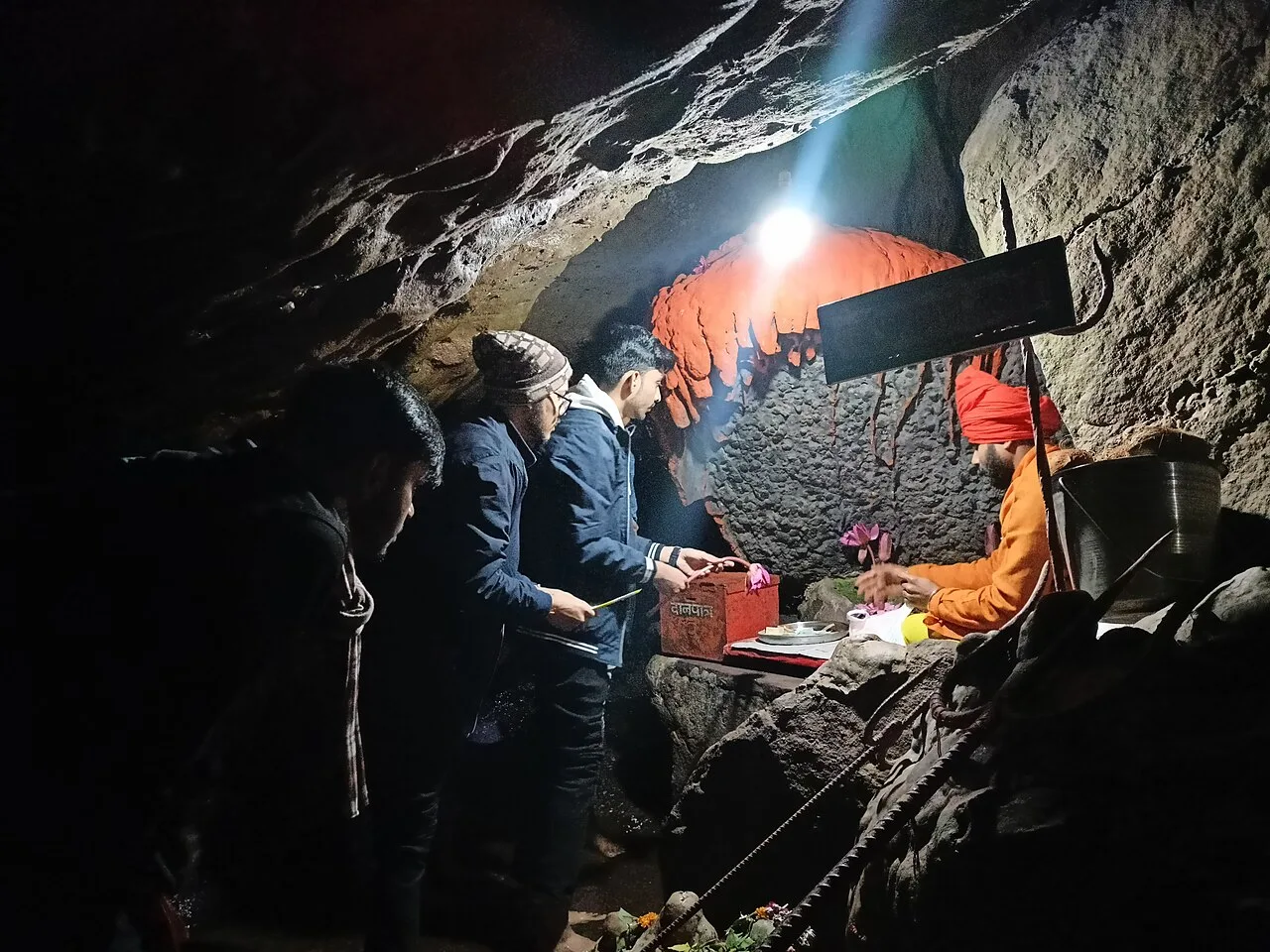
Jatashankar, also called Jata Shankar, is a cave shrine dedicated to Shiva north of Pachmarhi in Madhya Pradesh, visited by pilgrims to worship its natural lingams.
Key facts · verified by Ghumoopedia editors
- Type of place
- Heritage monument
- Best time to visit
- October to March
- Nearest railway station
- Pipariya (for Pachmarhi) · about 33 km (straight line)
- Verified
- 21 Nov 2026
Plan a trip from Jatashankar — a day-by-day route through places nearby.
Jatashankar, also called Jata Shankar, lies north of Pachmarhi in Madhya Pradesh. The site is associated with Hoshangabad district and is identified as being in Narmadapuram district. This natural cave occupies a deep ravine beneath huge boulders. Its stalagmites are revered as naturally formed lingams. Shiva is worshipped here, bringing pilgrims to the shrine. Jata means matted hair, while Shankara is a name used for Shiva. Nearby springs feed two pools, one cold and the other hot. The cave’s shape is said to resemble Shesha, Vishnu’s serpent mount, with its hundred heads. Madhya Pradesh holds three UNESCO World Heritage Sites — the temples of Khajuraho, the Buddhist stupas of Sanchi and the Bhimbetka rock shelters — plus the forts and palaces of Gwalior, Orchha and Mandu, the marble gorges of Bhedaghat, the pilgrim towns of Ujjain and Omkareshwar, and some of India's best tiger country in Kanha, Bandhavgarh, Pench and Satpura. The state has very hot summers from March to June (often above 42°C in the north and west), a monsoon from late June to September that greens the forests but closes the tiger reserves' core zones, and a cool, pleasant winter from November to February — the best season for almost everything. The usual best time to visit is October to March. Timings, fees and access arrangements must be confirmed locally. For official information, see Madhya Pradesh Tourism at https://www.mptourism.com.
Why it matters
Jatashankar, also written Jata Shankar, is a natural cave shrine north of Pachmarhi in Madhya Pradesh’s Narmadapuram district. Its religious importance comes from naturally formed stalagmites that devotees revere as Shiva lingams; the cave remains a place of worship as well as a destination for pilgrims and visitors to the Pachmarhi area. The setting—a deep ravine enclosed by large boulders—also makes it a notable example of the region’s cave landscape. The name is associated with Shiva: jata means matted hair, and Shankara is one of his names. The available source does not establish UNESCO or Archaeological Survey of India protection or another formal heritage designation, so visitors should not assume one.
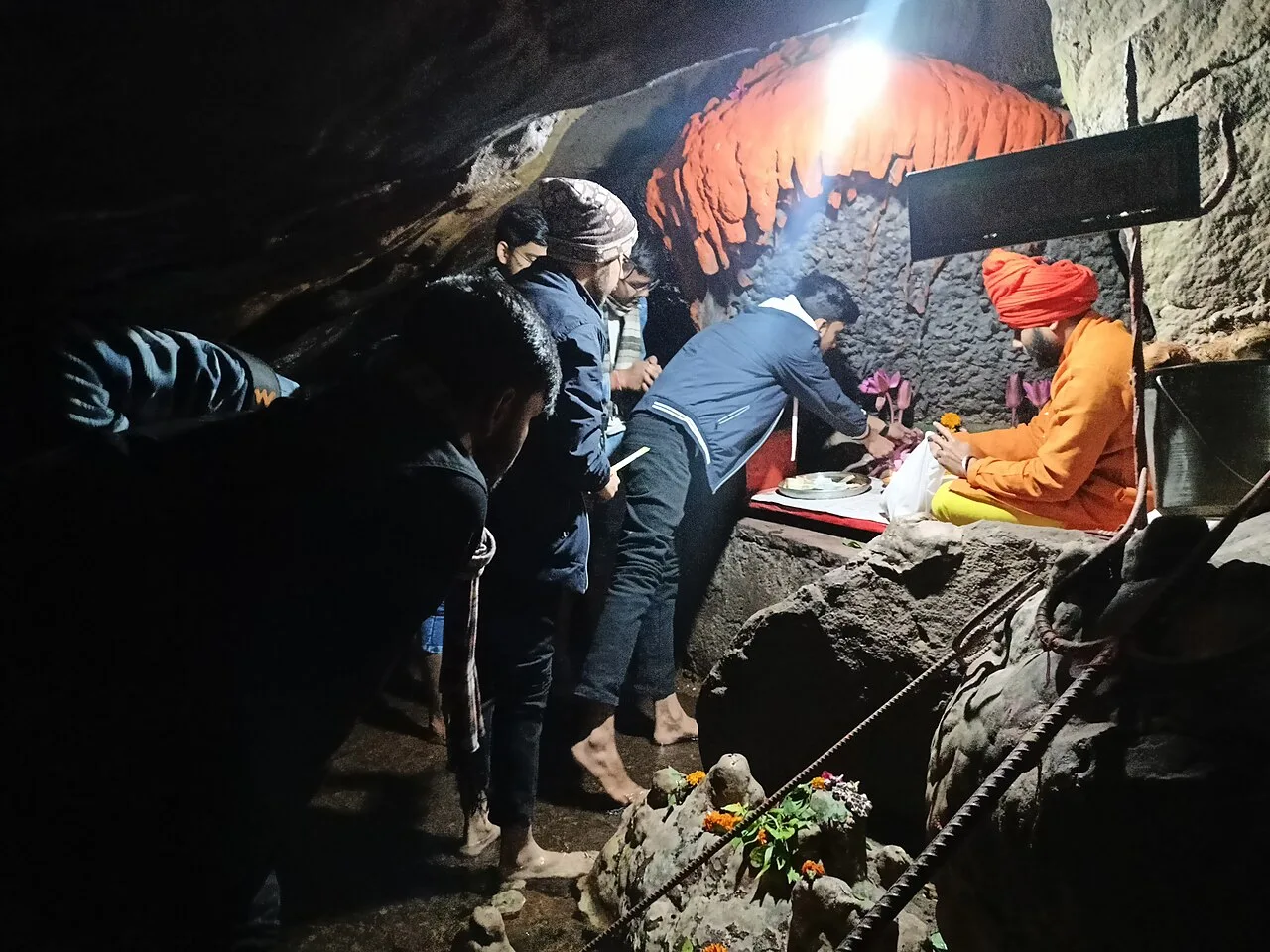
Jatashankar’s earliest human history is not clearly documented in the available references. The cave itself is a natural formation, not a structure attributed to a known ruler, architect or building community. Its main historical significance is as a Hindu place of worship, where naturally formed stalagmites came to be revered as lingams associated with Shiva. The name Jata Shankar reflects that association. Accounts describing the cave as resembling the many-headed serpent Shesha, Vishnu’s traditional mount, belong to religious interpretation rather than a documented account of its formation. The area around Pachmarhi has long drawn pilgrims and travellers, but a precise founding date for this shrine, a sequence of major historical periods, or a record of named patrons is not established here. Modern access has made the shrine a popular stop for visitors to Pachmarhi, while its natural setting remains central to the experience. Details of any conservation work, formal restoration, or changes to the cave’s visitor infrastructure should be checked with local authorities; they are not reliably specified in the available source. Treat the stalagmites and cave surfaces as natural and religiously significant features, and avoid touching or altering them.
Origin stories & folklore
According to local tradition, the cave is associated with Shiva and with the idea of his matted locks: jata means matted hair, while Shankara is a name for Shiva. Devotees regard the cave’s stalagmites as naturally formed lingams and worship them as manifestations of the deity. Another traditional description says the cave’s shape resembles the hundred-headed Shesha, the serpent-mount of Vishnu. These are religious beliefs and interpretations of the landscape, not geological explanations or claims that can be independently verified. Visitors can observe the shrine respectfully without needing to share or adopt a particular belief.
Architecture & design
Jatashankar is a natural cave shrine rather than a purpose-built temple with a documented architectural style. It lies in a deep ravine, with large boulders rising above and around the cave. Inside, stalagmites—mineral formations built up from deposits on the cave floor—are revered as naturally formed Shiva lingams. The cave’s layout follows the natural rock and cave passages, so visitors encounter an uneven setting rather than a formal sequence of constructed halls and courtyards. Springs in the locality feed two ponds, traditionally described as one cold and one hot. The cave is also said to resemble the many-headed Shesha, a religious reading of its natural form. No specific builder, construction material, measured plan, or engineered water system is established in the available account. Any paths, steps, rails or visitor structures encountered should be understood as access provisions, not evidence of the cave’s original design. Follow signs and local instructions, and do not climb on or handle the rock formations.
Important objects & sculptures
The principal features to notice are the stalagmites inside the cave, which devotees revere as naturally formed Shiva lingams. They are mineral formations rather than documented carved sculptures, and their religious significance is inseparable from the natural cave setting. The surrounding rock, boulders and cave passages are also part of the experience. The locality is described as having two spring-fed ponds, one associated with cold water and another with hot water; ask locally which areas are accessible and whether conditions have changed. The available account does not identify dated inscriptions, a historic collection, named sculptors or a museum display at the shrine. Avoid touching the stalagmites, leaving offerings outside designated areas, or removing stones.
Spend unhurried time at Jatashankar: walk the marked paths, use official viewpoints and ask locally whether a guide, entry ticket or forest permission is needed. Follow the marked route inside the caves, carry a small torch and never touch the ancient paintings or carvings — at Bhimbetka and Udayagiri the rock art is fragile and irreplaceable. A comfortable itinerary is one main visit in the morning, a local meal at midday and a short nearby stop before an afternoon return. Use the district list on this site to find other places in Hoshangabad, but check the route and its condition before combining stops. If a festival is on — such as the Khajuraho Dance Festival, the Tansen Samaroh in Gwalior, Lokrang in Bhopal or the Simhastha Kumbh at Ujjain — roads and stays can be busy, and the experience can be unforgettable. Leave no litter: many sites are protected by the communities around them.
Suggested itineraries
Half day: From Pachmarhi, travel to Jatashankar, allow about 1–2 hours for the approach walk, shrine and return, then have a relaxed meal back in town. Full day: Visit Jatashankar in the morning, return to Pachmarhi for lunch, then choose one nearby attraction such as Pandav Caves or a locally accessible viewpoint; confirm routes and conditions before combining stops. Gentler option: Ask locally about the closest vehicle drop-off, spend time only at the accessible approach or viewpoint, and skip the cave descent if steps or uneven ground are difficult.
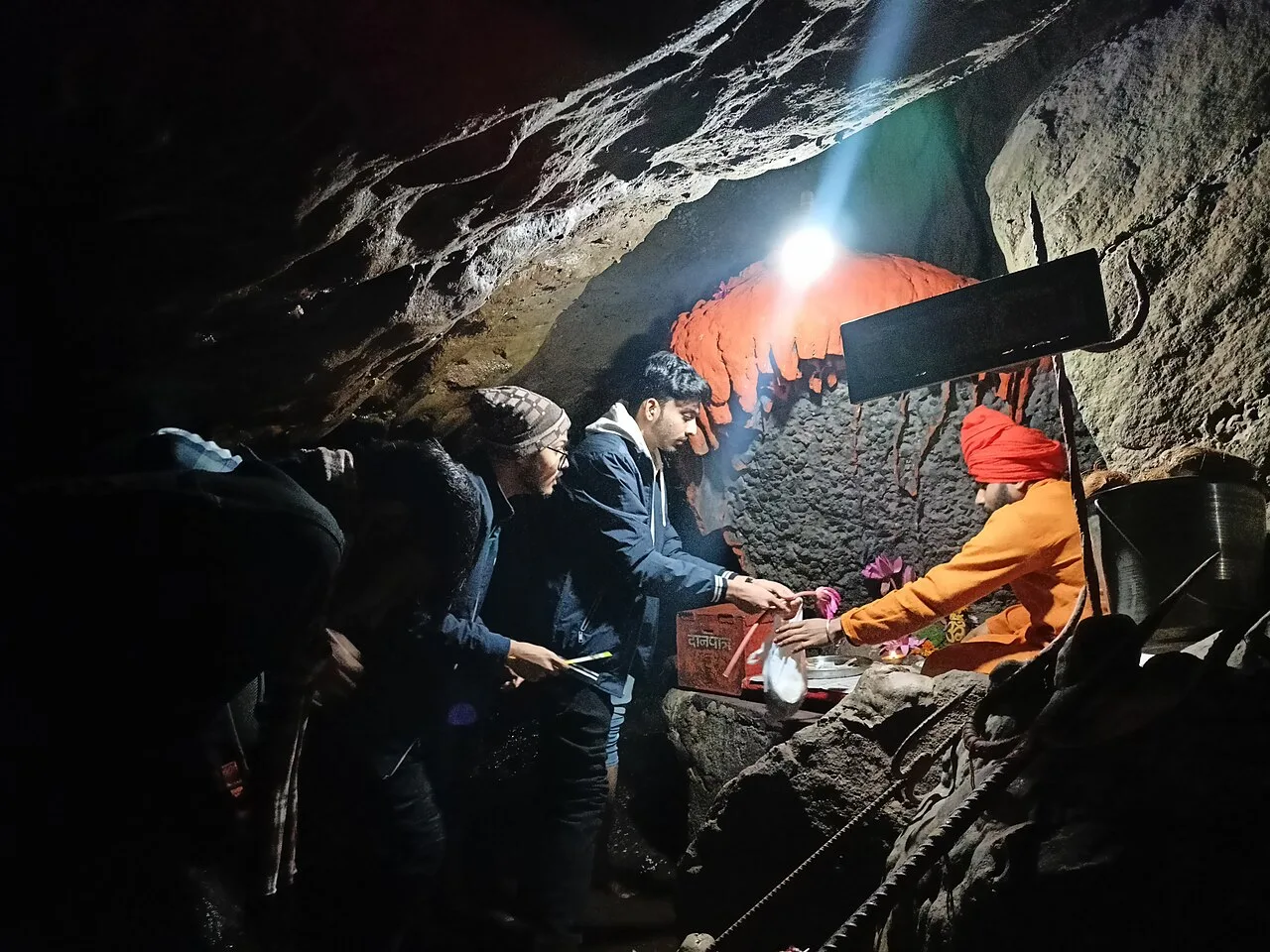
Jatashankar is a living Hindu shrine as well as a place visited for its natural setting. Visitors may encounter devotees offering prayers to Shiva and observing customary temple etiquette; practices can vary with the day and season. The wider Pachmarhi area serves residents, pilgrims and travellers, so a visit may bring different local and regional communities together. Hindi is widely useful for basic communication, though languages spoken by staff, guides and vendors can vary. Dress respectfully and give worshippers space, particularly near the shrine. Do not photograph people or rituals without permission, and follow any instructions from those responsible for the shrine. The available source does not document a distinctive resident performance tradition or a specific dress custom unique to Jatashankar.
Festivals & events
Shiva-related observances, including Maha Shivaratri and the Hindu month of Shravan, may bring increased devotional activity at shrines in the region; confirm locally whether special gatherings are held at Jatashankar itself. Festival dates follow the lunar calendar and vary from year to year. Pachmarhi also hosts seasonal visitor activity, but a particular fair or annual event at this cave is not established in the available source. On busy religious days, expect more visitors, slower movement through narrow or uneven areas, and possible changes to access arrangements. Check with local authorities before planning around an observance, and keep pathways clear for worshippers.
Local food in Madhya Pradesh includes poha with jalebi for breakfast, bhutte ka kees, dal bafla and dal baati, Indore's sarafa night-market snacks, Bhopal's seekh kebabs and biryani, mawa-bati and gajak sweets, and mahua-based tribal dishes in forest districts. Ask what is fresh that day; many small eateries cook a limited daily menu. Vegetarian travellers eat well across the state, and most towns also have good non-vegetarian food; Indore's Sarafa Bazaar turns into a famous night food market. Remote sites may have no restaurant at all. Carry water and snacks, eat a proper breakfast before long drives, and ask your accommodation for a packed lunch if you are heading out early. Try a home-cooked or local thali meal when you can — it is often the best food on the route. Choose busy, clean places, drink sealed or filtered water, and carry your packaging back with you.
Shopping & local experiences
Pachmarhi is the most practical place nearby to look for everyday supplies, local snacks and souvenirs. Small shops may carry regional produce, packaged foods, handicrafts or items associated with the hill station, but stock and origin vary. Ask vendors about the maker and materials, and favour locally made goods where possible. There is no well-documented specialist craft market at Jatashankar itself. Try local food in Pachmarhi after the visit, and carry any wrappers or disposable items back to a proper bin rather than leaving them around the cave or ponds.
October to March
The nearest principal railway station by straight-line distance is Pipariya (for Pachmarhi), roughly 33 km away. The nearest operating airport by straight-line distance is Raja Bhoj Airport, Bhopal, roughly 144 km away. These figures are calculated from map coordinates — actual road distance is longer. Bhopal, Indore, Jabalpur and Gwalior are the main rail and air gateways; Khajuraho has its own airport and station, Jhansi (UP) serves Orchha and Datia, and Pipariya is the railhead for Pachmarhi. For the final leg, Madhya Pradesh State Road Transport Corporation buses, private sleeper coaches between the big cities, and shared jeeps and autos in smaller towns link district towns. A private taxi gives more flexibility for remote sites such as forts, caves and forest gates. When comparing train, bus and flight, count the complete door-to-door time: a flight saves the most time only if the onward road transfer is short, while an overnight train can save a hotel night. Book your return before you leave, because seats fill quickly on weekends, festivals and holidays. Current train numbers, timings, return services and fares are not listed here; check IRCTC and NTES for trains and the airline's own schedule for flights. No permit is needed to visit Madhya Pradesh. Tiger safaris in Kanha, Bandhavgarh, Pench, Satpura and Panna must be booked in advance on the official MP Forest online portal — zones and gates sell out weeks ahead in peak season, and the core zones are closed during the monsoon (roughly July to mid-October). Boating and angling in the National Chambal Sanctuary also need forest-department bookings.
Confirm onward and return timings on IRCTC / NTES, the state bus operator or your airline before travel. A dash means current timings or fares have not been verified.
Getting around
Jatashankar is north of Pachmarhi, which is the practical base for arranging the final leg. Visitors can ask locally about taxis, shared jeeps or other available vehicles to reach the approach area; availability can vary with season and demand. The cave is reached on foot from the vehicle-access point, so allow time for the walk and any descent or steps. Confirm where vehicles may wait and whether parking is available before leaving town. Local buses may connect larger settlements, but they may not serve the shrine entrance directly. Follow signs and avoid entering restricted areas or attempting an unfamiliar route without local guidance.
Hours, tickets & permissions
Entry and movement through the cave may be affected by shrine practices, local management, weather or safety conditions. Do not assume that access is unrestricted, and ask locally whether a ticket, guide, forest permission or other rule applies to your visit. Dress modestly and follow any instructions about footwear, offerings or photography near the shrine. No reliable current opening schedule or fee information is established here. Confirm current hours, fees and access rules with the managing authority or local tourism office before setting out.
Facilities
Facilities at the cave itself may be limited and can change with the season. Toilets, drinking water, food, parking and guides are more likely to be found in Pachmarhi than directly beside the shrine; check locally before relying on any service at the entrance. Carry water and any personal supplies you need, and take litter back with you. Cash and mobile connectivity may be less dependable away from the town centre, so plan ahead. Ask shrine staff or local tourism representatives about visitor assistance, current access conditions and any facilities open on the day.
Accessibility
The approach to Jatashankar involves walking through a natural ravine, and reaching the cave may require negotiating steps, uneven surfaces or a descent. Exact conditions can vary with maintenance, weather and water, so ask locally before setting out. Shade may be available from the surrounding rocks, but do not count on continuous shelter or seating. The route may be challenging for wheelchair users and unsuitable for most strollers; there is no confirmed step-free access in the available information. Older visitors or anyone with balance, heart or mobility concerns should consider stopping at an accessible point rather than attempting the descent. Wear sturdy footwear and avoid the route when surfaces are slippery.
No permit is needed to visit Madhya Pradesh. Tiger safaris in Kanha, Bandhavgarh, Pench, Satpura and Panna must be booked in advance on the official MP Forest online portal — zones and gates sell out weeks ahead in peak season, and the core zones are closed during the monsoon (roughly July to mid-October). Boating and angling in the National Chambal Sanctuary also need forest-department bookings. Carry a photo ID at all times and save the emergency number 112 and your accommodation's contact offline. Heat in summer and heavy rain in the monsoon are the main weather risks; carry water, avoid midday sun and allow extra time when roads flood. Stay on marked paths, keep away from cliff edges and fast water, and never approach wild animals.
Photography
The ravine, boulders and cave entrance can be photogenic, with softer light often easier to work with earlier or later in the day; conditions inside may be dim. Use only established viewpoints and paths, and check locally whether photography is allowed near the shrine or inside the cave. Be considerate of worshippers and ask before photographing people or rituals. Do not use flash if it disturbs visitors or shrine activity. Drone use may be restricted by local, forest or aviation rules; do not fly one without confirming permission from the relevant authorities. Never climb on formations for a better angle.
Choose a stay by the full journey to Jatashankar, not just the district name. Bhopal, Indore, Gwalior and Jabalpur offer the widest choice; Khajuraho, Orchha and Pachmarhi have hotels and MP Tourism lodges, which are reliable value, and pilgrim towns have dharamshalas. In summer, check air-conditioning; in the monsoon, check that the property is accessible if roads flood. Book in advance for weekends, festivals and the peak season (October to March). Confirm the exact location, meals included, check-in time and cancellation terms in writing. Avoid sending money to unverified contacts or touts at stations. Carry some cash, as card and digital payments can be unreliable in remote areas.
Pachmarhi is the main nearby town and a useful base for exploring the Satpura hill landscape. Other well-known attractions in the area include Pandav Caves, Bee Falls, Dhoopgarh, Handi Khoh and Apsara Vihar; access and route conditions can vary, so check before combining them with Jatashankar. These places are not all necessarily close enough for a single easy outing, and some involve their own walks or steps. Ask locally which sites are open and practical on the day. Allow time to return to Pachmarhi rather than planning a tight sequence of distant stops.
For couples, Jatashankar rewards a slow pace: arrive early for soft light and fewer crowds, share a local meal and keep the evening free. Sunset over the marble rocks at Bhedaghat, a boat ride on the Narmada at Maheshwar or a night drive under the stars near a forest lodge makes the trip memorable. Public displays of affection can be frowned upon in conservative communities and at religious sites, so be discreet. Keep a buffer in your itinerary, because weather and road conditions can delay plans.
Q: How much time should I allow for Jatashankar? A: Allow a few hours for travel from Pachmarhi, the walk, time at the shrine and the return; the route and access conditions affect the total. Q: When is a good season to visit? A: October to March is generally a comfortable season for Madhya Pradesh travel. Check local weather and access conditions, especially during the monsoon. Q: Is there an entry fee or do I need permission? A: Ask the managing authority or locally whether a ticket, guide or permission is required. Q: Can children and elderly visitors go to the cave? A: Families may visit, but the uneven approach and possible steps or descent can be difficult. Assess mobility and conditions, and do not force the cave route. Q: Where should I stay nearby? A: Pachmarhi is the practical base for accommodation and meals. Check availability and travel arrangements locally, especially during busy periods.
Be the first to share photos, stories, advice or a helpful contact for Jatashankar.
Loading…