
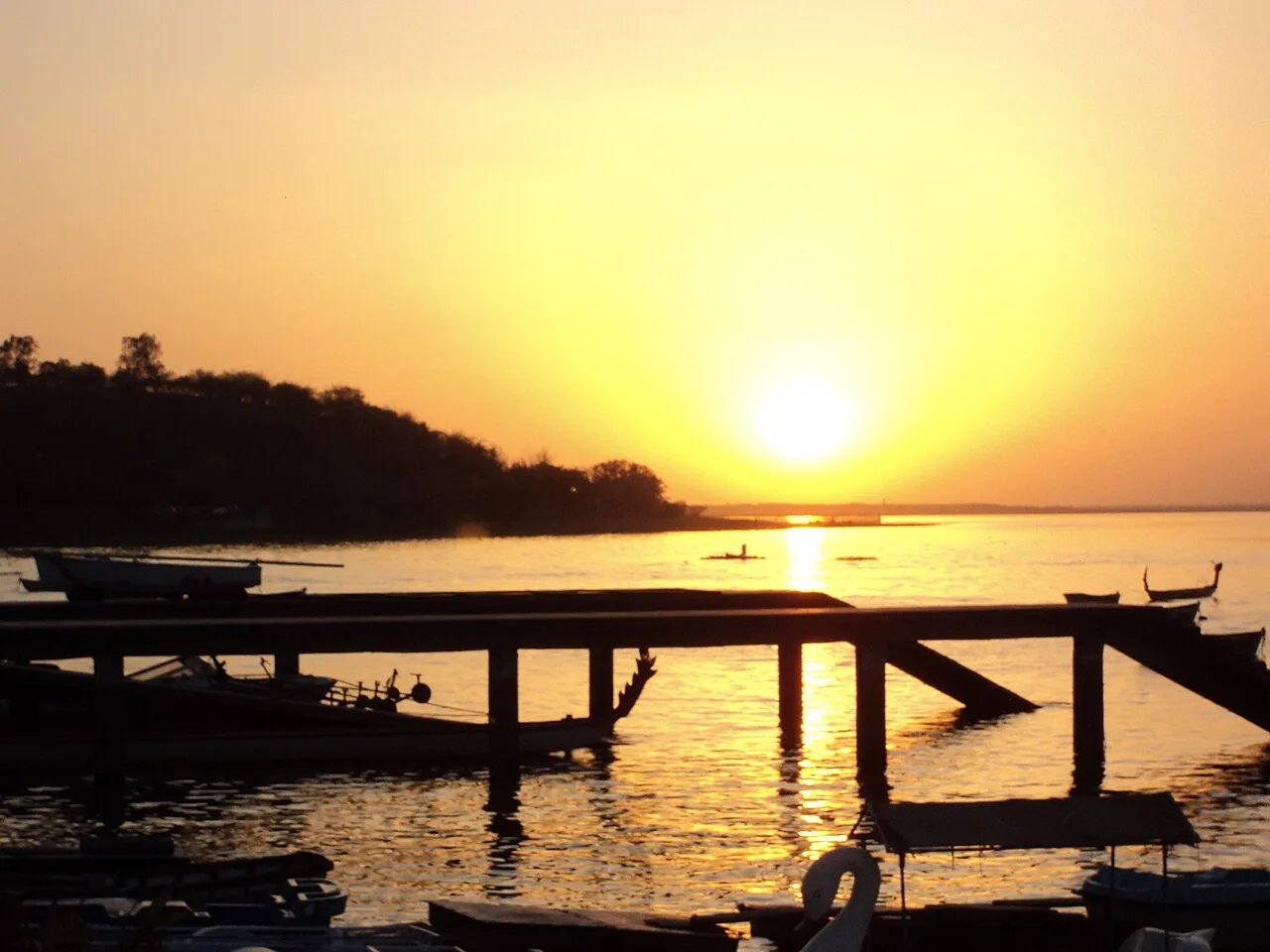
Bhoj Wetland, Bhopal
Bhoj Wetland is a two-lake complex in Bhopal, Madhya Pradesh. Visitors are drawn to its wetland habitats, varied wildlife and waterbirds.
Key facts · verified by Ghumoopedia editors
- Type of place
- Natural attraction
- Best time to visit
- October to March
- Nearest railway station
- Bhopal Junction · about 8 km (straight line)
- Verified
- 21 Nov 2026
Plan a trip from Bhoj Wetland, Bhopal — a day-by-day route through places nearby.
Bhoj Wetland lies in Sehore district, Madhya Pradesh, and includes two lakes within Bhopal, the state capital. Bhojtal, or the Upper Lake, and the Lower Lake are on the city’s western side. Bhojtal covers 31 km², with a drainage basin of 361 km². Most of this basin is rural, though some built-up land lies towards its eastern end. The Lower Lake covers 1.29 km² and has a 9.6 km² basin, largely urbanised. It also receives water that seeps below ground from Bhojtal. Bhojtal dates to the rule of Paramara Raja Bhoj (1005–1055), the Malwa ruler who founded Bhopal, naming it after himself, to protect his kingdom’s eastern boundary. He formed the lake by building an earthen barrier across the Kolans River. Once a tributary of the Halali, the Kolans now carries water from its upper reaches and Bhojtal towards the Kaliasot River through a diversion channel. At the lake’s south-eastern corner, Bhadbhada dam was built in 1965 to regulate water leaving Bhojtal for the Kaliasot. Nawab Chhote Khan, a minister to Nawab Hayath Mohammad Khan, had the Lower Lake made in 1794 to enhance the city. An earthen dam holds it back. Its outlet reaches the Halali River along the Kolans’s lower course, now called Patra Drain. Both the Kaliasot and Halali flow into the Betwa as tributaries. Together, the lakes support varied plant and animal life, including numerous waterbirds. Since August 2002, the wetland has held international recognition under the Ramsar Convention. Madhya Pradesh holds three UNESCO World Heritage Sites — the temples of Khajuraho, the Buddhist stupas of Sanchi and the Bhimbetka rock shelters — plus the forts and palaces of Gwalior, Orchha and Mandu, the marble gorges of Bhedaghat, the pilgrim towns of Ujjain and Omkareshwar, and some of India's best tiger country in Kanha, Bandhavgarh, Pench and Satpura. The state has very hot summers from March to June (often above 42°C in the north and west), a monsoon from late June to September that greens the forests but closes the tiger reserves' core zones, and a cool, pleasant winter from November to February — the best season for almost everything. The usual best time to visit is October to March. Timings, fees and access arrangements must be confirmed locally. For official information, see Madhya Pradesh Tourism at https://www.mptourism.com.
Why it matters
Bhoj Wetland is an important urban freshwater landscape in Bhopal, comprising Bhojtal, also called the Upper Lake, and the Lower Lake. The lakes support waterbirds and other wetland life while serving as prominent parts of the city’s environment and recreation. Bhojtal also receives water from a largely rural catchment, while the smaller Lower Lake has a more urbanized catchment and receives subsurface seepage from the Upper Lake. The two lakes are linked to the wider river system through the Kolans, Kaliasot and Halali waterways. The Ramsar Convention lists Bhoj Wetland as a wetland of international importance; it was designated in August 2002. This recognition reflects its wetland value, not a guarantee of wildlife sightings or unrestricted access.
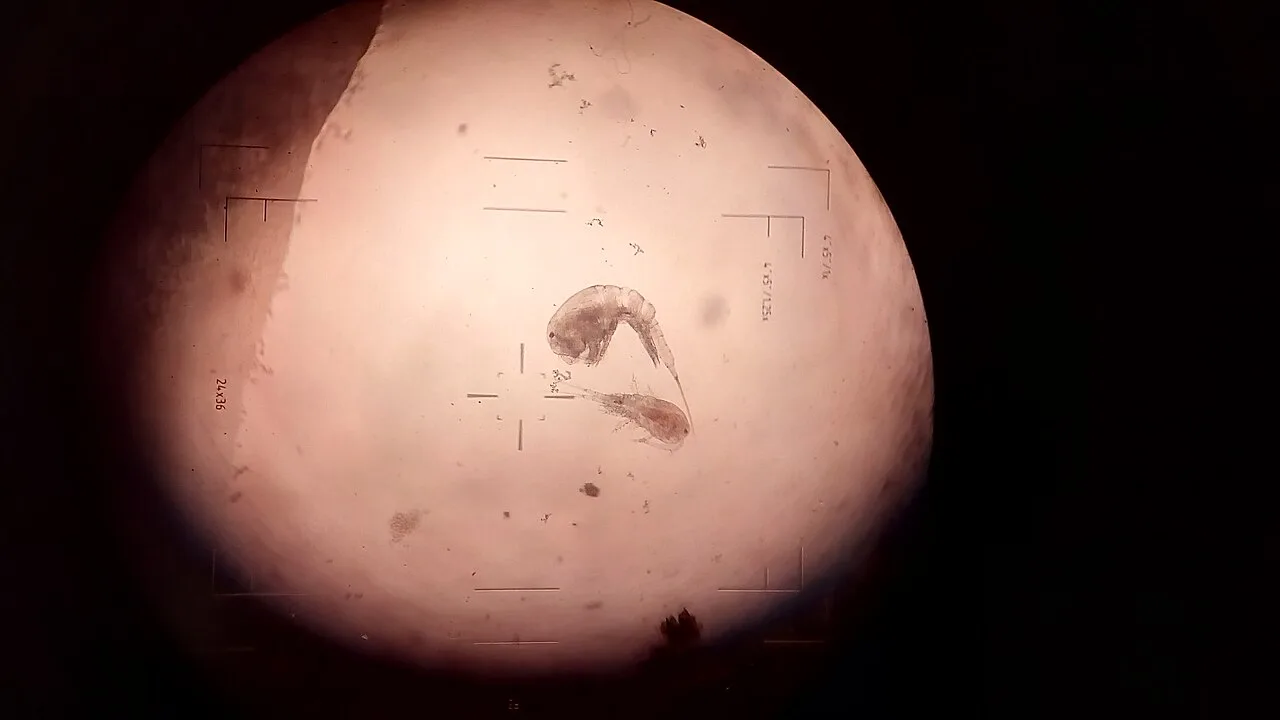
Bhojtal is traditionally associated with Paramara ruler Raja Bhoj, whose reign is dated to 1005–1055. Historical accounts describe the lake as having been formed by building an earthen dam across the Kolans River. Bhopal is also traditionally linked to Raja Bhoj, though the city developed and changed over many later periods. The lake’s watercourses have been altered over time: the upper Kolans and Bhojtal now drain toward the Kaliasot River through a diversion, and Bhadbhada dam, built in 1965 at the lake’s southeastern edge, controls outflow toward the Kaliasot. The smaller Lower Lake was created in 1794 by Nawab Chhote Khan, a minister of Nawab Hayath Mohammad Khan, as an urban water feature and amenity. It was also held behind an earthen dam; its drainage route is now associated with the Patra Drain and the lower Kolans system. Both rivers ultimately connect to the Betwa basin. As Bhopal expanded, urban activity increased pressure on the lakes and their catchments. Ramsar designation in 2002 brought international recognition to the wetland and its conservation importance.
Origin stories & folklore
According to local tradition, Raja Bhoj suffered from a skin ailment and was advised to bathe in water gathered from many streams. One popular version says that a large lake was created by damming a river after watercourses were brought together; some retellings mention 365 streams. The story is part of the lake’s folklore, not a verified account of its construction. Historical descriptions instead associate Bhojtal with an earthen dam across the Kolans River and with Raja Bhoj’s rule. The Lower Lake has a more recent documented origin, linked to Nawab Chhote Khan in 1794. Visitors may hear different versions of these stories around Bhopal.
Spend unhurried time at Bhoj Wetland: walk the marked paths, use official viewpoints and ask locally whether a guide, entry ticket or forest permission is needed. Enjoy the water from safe, marked points; rocks near falls and dams are slippery and currents are dangerous, especially in the monsoon. A comfortable itinerary is one main visit in the morning, a local meal at midday and a short nearby stop before an afternoon return. Use the district list on this site to find other places in Sehore, but check the route and its condition before combining stops. If a festival is on — such as the Khajuraho Dance Festival, the Tansen Samaroh in Gwalior, Lokrang in Bhopal or the Simhastha Kumbh at Ujjain — roads and stays can be busy, and the experience can be unforgettable. Leave no litter: many sites are protected by the communities around them.
Suggested itineraries
Half day: Choose one accessible lakefront or official viewpoint, spend about 1–2 hours walking and observing the water, then take a short break at a nearby café or food stop. Full day: Begin with a morning visit to a permitted viewpoint or boating area (about 2–3 hours), have lunch in Bhopal, then visit Van Vihar National Park or another nearby city attraction (about 2–3 hours). Gentler option: Select a lakeside viewpoint with nearby seating, keep walking to a minimum, and arrange a taxi between stops.
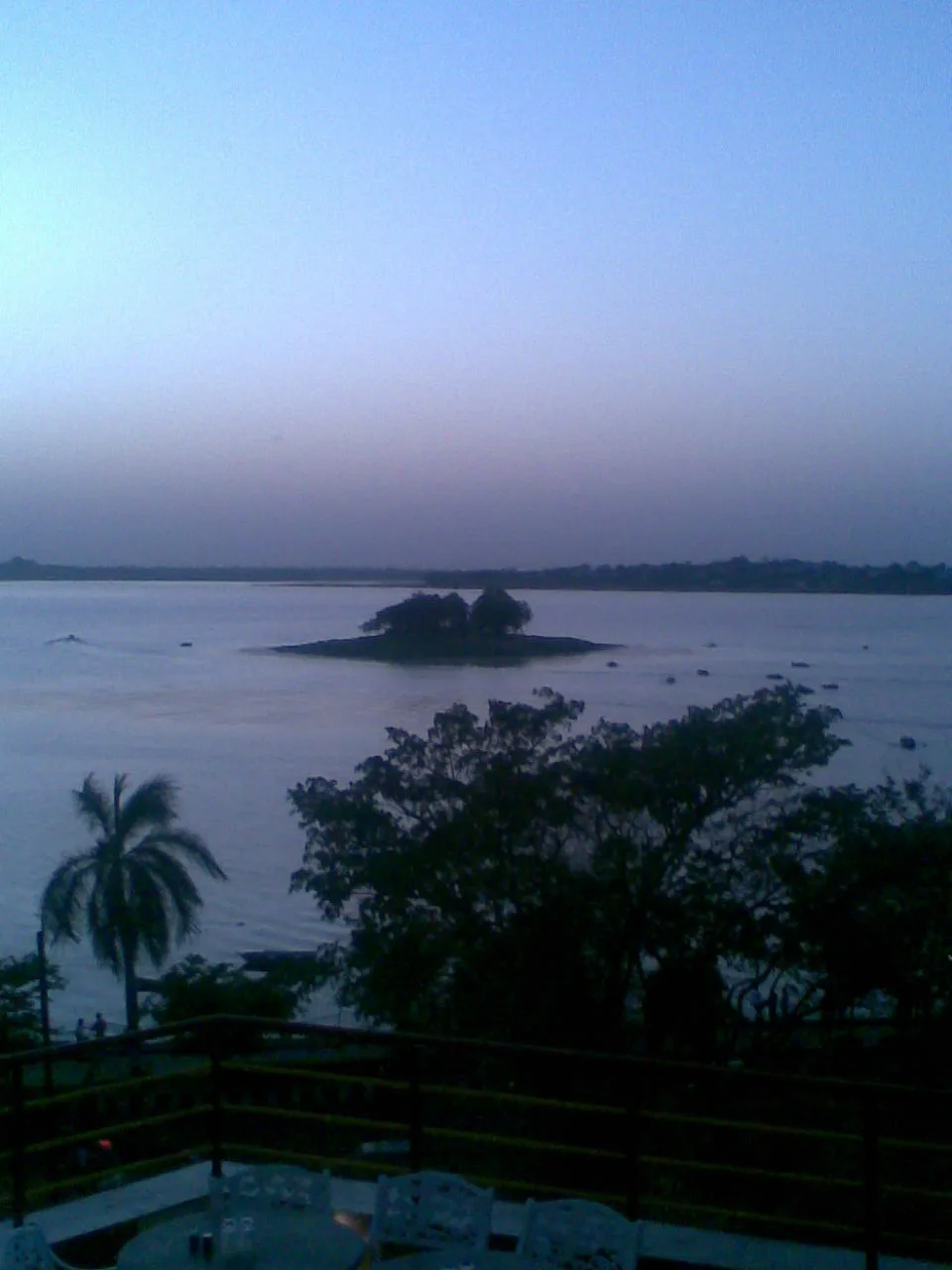
Bhoj Wetland is woven into everyday life in Bhopal: residents come to the lakefront for views, outdoor recreation and time by the water. Hindi is widely spoken, and Urdu is also an important language in the city’s cultural life. Bhopal’s food traditions include poha, kebabs, biryani and sweets, though offerings vary by neighbourhood and venue. The city has a lively performance calendar, with folk and contemporary arts represented at events such as Lokrang. The lakes themselves are not a single ceremonial venue, and activities at the water’s edge vary by location. Visitors should follow local signs and avoid disturbing people using the shoreline.
Local communities
The wetland is part of a large urban landscape, and its users include nearby residents, walkers, birdwatchers, boat operators and food vendors. Some local livelihoods are connected with fishing, boating or visitor services, subject to applicable rules and conditions. The Upper Lake’s catchment is largely rural, so farming communities also form part of the wider landscape that influences its water. Conservation groups, researchers and public agencies have roles in monitoring and protecting the wetland. The lakes are shared spaces: visitors can help by keeping shorelines clean, respecting access restrictions and asking before photographing people at work or leisure.
Festivals & events
Bhoj Wetland is not known as the venue for one major annual festival, but Bhopal’s cultural calendar can shape a visit. Lokrang, generally held in January, brings folk and other performances to the city. Eid, Diwali and Ganesh Chaturthi are observed across Bhopal, with local celebrations varying by neighbourhood. Large gatherings elsewhere in the city may increase traffic and demand for accommodation, even if the lake is not hosting an event. Check current local listings before travelling, and allow extra time on roads during festival periods.
Local food in Madhya Pradesh includes poha with jalebi for breakfast, bhutte ka kees, dal bafla and dal baati, Indore's sarafa night-market snacks, Bhopal's seekh kebabs and biryani, mawa-bati and gajak sweets, and mahua-based tribal dishes in forest districts. Ask what is fresh that day; many small eateries cook a limited daily menu. Vegetarian travellers eat well across the state, and most towns also have good non-vegetarian food; Indore's Sarafa Bazaar turns into a famous night food market. Remote sites may have no restaurant at all. Carry water and snacks, eat a proper breakfast before long drives, and ask your accommodation for a packed lunch if you are heading out early. Try a home-cooked or local thali meal when you can — it is often the best food on the route. Choose busy, clean places, drink sealed or filtered water, and carry your packaging back with you.
Shopping & local experiences
Bhopal markets are a good place to look for locally made textiles, embroidered garments, zardozi work and small souvenirs; quality and provenance vary, so ask sellers about the craft and materials. Chowk Bazaar and New Market are established city shopping areas, but neither is a wetland facility. Food is another part of the visit: look for Bhopali snacks, poha, kebabs, biryani and regional sweets at reputable local eateries. Carry reusable bags where practical and avoid buying products made from wildlife or other protected materials.
The wetland’s two principal water bodies have distinct catchments: Bhojtal covers about 31 square kilometres and drains a watershed of roughly 361 square kilometres, while the Lower Lake covers about 1.29 square kilometres and has a catchment of about 9.6 square kilometres. Much of the Upper Lake catchment is rural, whereas the Lower Lake catchment is mostly urban. Shoreline conditions vary from built-up edges to greener stretches. The lakes support diverse aquatic life and waterbirds, and the wetland is recognized under the Ramsar Convention. Bird numbers and species change with season, water levels and disturbance, so sightings are never assured. Keep to permitted paths and do not feed or approach wildlife.
October to March
The nearest principal railway station by straight-line distance is Bhopal Junction, roughly 8 km away. The nearest operating airport by straight-line distance is Raja Bhoj Airport, Bhopal, roughly 4 km away. These figures are calculated from map coordinates — actual road distance is longer. Bhopal, Indore, Jabalpur and Gwalior are the main rail and air gateways; Khajuraho has its own airport and station, Jhansi (UP) serves Orchha and Datia, and Pipariya is the railhead for Pachmarhi. For the final leg, Madhya Pradesh State Road Transport Corporation buses, private sleeper coaches between the big cities, and shared jeeps and autos in smaller towns link district towns. A private taxi gives more flexibility for remote sites such as forts, caves and forest gates. When comparing train, bus and flight, count the complete door-to-door time: a flight saves the most time only if the onward road transfer is short, while an overnight train can save a hotel night. Book your return before you leave, because seats fill quickly on weekends, festivals and holidays. Current train numbers, timings, return services and fares are not listed here; check IRCTC and NTES for trains and the airline's own schedule for flights. No permit is needed to visit Madhya Pradesh. Tiger safaris in Kanha, Bandhavgarh, Pench, Satpura and Panna must be booked in advance on the official MP Forest online portal — zones and gates sell out weeks ahead in peak season, and the core zones are closed during the monsoon (roughly July to mid-October). Boating and angling in the National Chambal Sanctuary also need forest-department bookings.
Confirm onward and return timings on IRCTC / NTES, the state bus operator or your airline before travel. A dash means current timings or fares have not been verified.
Getting around
Autos and taxis can take visitors from central Bhopal to lakefront areas; local buses serve parts of the city, but routes and convenience depend on the particular destination. Walking is pleasant on suitable marked paths and promenades, though the lakeshore is extensive and not every stretch connects to the next. Boats operate only at designated points when services are available, and visitors should use authorized operators and follow safety instructions. Parking may be available near popular access points but can be limited during busy periods. Check your return transport locally, particularly if visiting a quieter shoreline.
Hours, tickets & permissions
Access depends on which part of the lakefront or managed attraction you plan to visit. Public shoreline areas, boating facilities and nearby parks may have different entry rules, operating arrangements or temporary restrictions. Tickets, permits, identification requirements and camera rules can apply at particular facilities; do not assume that one rule covers the whole wetland. Confirm current opening arrangements and any fees with the relevant managing authority or official visitor information before setting out. Follow signs at the site, especially around dams, water-control structures and restricted conservation areas.
Facilities
Facilities differ between lakefront locations. Popular visitor areas usually have some combination of seating, food stalls or cafés, and parking nearby; toilets and drinking water may be available at managed attractions but should not be assumed at every shoreline. Boating, where offered, is concentrated at designated points. Guides are not necessarily stationed at the wetland, so arrange specialist birding help in advance if needed. ATMs, pharmacies and a wider choice of food and services are available in Bhopal. Check locally for current facilities and carry drinking water, while taking all litter away.
Accessibility
Accessibility varies considerably by shoreline and facility. Some popular promenades and viewpoints are relatively level, but paths may be uneven, exposed to sun or interrupted by steps; access to the water’s edge can involve rough ground. Do not assume that ramps, accessible toilets or wheelchair-friendly boat boarding are available. Strollers may be manageable on smoother paths but difficult on unpaved sections. Older visitors and people with limited mobility may prefer a vehicle-based visit with a short stop at a convenient viewpoint. Check conditions at the chosen access point in advance, and avoid steep, slippery or unmarked edges.
No permit is needed to visit Madhya Pradesh. Tiger safaris in Kanha, Bandhavgarh, Pench, Satpura and Panna must be booked in advance on the official MP Forest online portal — zones and gates sell out weeks ahead in peak season, and the core zones are closed during the monsoon (roughly July to mid-October). Boating and angling in the National Chambal Sanctuary also need forest-department bookings. Carry a photo ID at all times and save the emergency number 112 and your accommodation's contact offline. Heat in summer and heavy rain in the monsoon are the main weather risks; carry water, avoid midday sun and allow extra time when roads flood. Waterfalls and dams are dangerous in the monsoon: keep behind barriers and leave the area if the water level rises suddenly.
Photography
Early morning and late afternoon often give softer light over the water; the best viewpoint depends on the lakefront and current conditions. Photography is generally suited to public viewpoints, but managed attractions may set their own rules. Confirm before using professional equipment, and do not fly a drone without checking applicable permissions and airspace restrictions. Keep a respectful distance from birds and other wildlife, and ask people before making close portraits. Avoid photographing restricted facilities or interrupting ceremonies and private activities.
Choose a stay by the full journey to Bhoj Wetland, not just the district name. Bhopal, Indore, Gwalior and Jabalpur offer the widest choice; Khajuraho, Orchha and Pachmarhi have hotels and MP Tourism lodges, which are reliable value, and pilgrim towns have dharamshalas. In summer, check air-conditioning; in the monsoon, check that the property is accessible if roads flood. Book in advance for weekends, festivals and the peak season (October to March). Confirm the exact location, meals included, check-in time and cancellation terms in writing. Avoid sending money to unverified contacts or touts at stations. Carry some cash, as card and digital payments can be unreliable in remote areas.
Within Bhopal, visitors can combine the wetland with Van Vihar National Park, which borders part of the Upper Lake, subject to its own entry rules. Other city attractions include Bharat Bhavan, the Madhya Pradesh Tribal Museum and Taj-ul-Masajid. The old city’s markets and historic neighbourhoods offer a different perspective on Bhopal from the lakefront. These are separate stops rather than parts of one continuous wetland route; allow for city traffic and check each attraction’s current access arrangements before planning a packed day.
For couples, Bhoj Wetland rewards a slow pace: arrive early for soft light and fewer crowds, share a local meal and keep the evening free. Sunset over the marble rocks at Bhedaghat, a boat ride on the Narmada at Maheshwar or a night drive under the stars near a forest lodge makes the trip memorable. Public displays of affection can be frowned upon in conservative communities and at religious sites, so be discreet. Keep a buffer in your itinerary, because weather and road conditions can delay plans.
Q: How much time should I allow for Bhoj Wetland? A: A few hours is enough for one viewpoint and a short lakeside walk; allow longer if combining it with another Bhopal attraction. Q: When is a good season to visit? A: October to March is generally a comfortable period for visiting Madhya Pradesh. Conditions and birdlife vary through the year. Q: Is there an entry fee or permit? A: Rules differ between public lakefront areas and managed facilities. Confirm current entry requirements and fees with the relevant authority. Q: Is the wetland suitable for children and older visitors? A: It can be, if you choose an accessible viewpoint and supervise children closely. Uneven paths, open water and slippery edges require care. Q: Where can I stay nearby? A: Bhopal has accommodation across a range of neighbourhoods. Choose based on your preferred lake access and transport, and check current availability before travelling.
Be the first to share photos, stories, advice or a helpful contact for Bhoj Wetland, Bhopal.
Loading…