Ghumoopedia — Explore, Discover, Experience
Sign in
Madhav National Park, near Narwar

City guide · Madhya Pradesh

Narwar

Narwar is a historic town in Shivpuri district, set amid the river valleys and wooded landscapes of northern Madhya Pradesh. Its principal landmark is Narwar Fort, a hilltop stronghold near the Sindh River and about 42 kilometres from Shivpuri.

Famous for

  • Narwar Fort
  • Nalpura legends
  • Sindh River setting
  • Abu’l Fazl’s history
  • Tatya Tope’s story

Why Narwar matters

Narwar is a historic town in Shivpuri district, set amid the river valleys and wooded landscapes of northern Madhya Pradesh. Its principal landmark is Narwar Fort, a hilltop stronghold near the Sindh River and about 42 kilometres from Shivpuri. Fort walls, gateways and historic remains make the town a rewarding stop for visitors interested in regional architecture and the layered history of central India.

Narwar also carries an older literary identity: it is often associated with Nalapura, the town linked to King Nala and Damayanti in tradition and medieval Sanskrit literature. Later episodes in its history connect it to Mughal politics and the upheavals of the 1857 uprising. Today, Narwar is a small local centre rather than a major commercial destination. Travellers come chiefly for the fort, its setting and the stories attached to the town, often combining a visit with Shivpuri and other places in the district. The surrounding countryside, including nearby dams, adds interest for visitors exploring the region by road.
Famous for: crafts, trade & products

Narwar is best known for its fort and historical associations, not for a nationally recognised textile, handicraft or food industry. No particular GI-tagged product or signature craft is firmly associated with the town. Visitors should therefore not expect specialist shopping districts or established craft markets of the kind found in larger heritage centres.

The town’s shops mainly serve residents and nearby villages, with everyday goods and necessities rather than a distinctive range of souvenirs. Small retailers and local markets around the town centre are the practical places to look for snacks, household items and routine supplies. Availability can be limited, so visitors seeking a wider choice of clothing, crafts or regional products may find more options in Shivpuri.

Narwar’s most distinctive heritage asset is the fort itself. Its architecture and landscape are the principal reasons to visit, although it is not a retail site. Visitors interested in local history can ask locally about access and the condition of different areas, as conservation work and site conditions may change. The town’s wider identity is shaped more by its historic setting and nearby river and dam landscapes than by manufactured goods.

History

Narwar’s early identity is associated with Nalapura, a name found in medieval Sanskrit inscriptions and linked in literary tradition to King Nala and Damayanti. The town’s fort later became a major regional stronghold. Narwar was also known as a district under the Gwalior State, reflecting its importance within changing local systems of rule.

In 1602, Akbar’s courtier and historian Abu’l Fazl was killed near Narwar while returning from the Deccan. His death was part of the political conflict surrounding Prince Salim, later Emperor Jahangir. In the eighteenth century, Narwar came under the authority of different rulers, including the Bhadawar state’s Maharaja Gopal Singh, who was appointed imperial governor of Narwar by Mughal emperor Bahadur Shah I.

During the 1857 uprising, Narwar’s ruler Man Singh Kachwaha became involved in the events leading to the capture of the rebel leader Tatya Tope. In modern times, Narwar has remained a small town in Shivpuri district. The fort is a key heritage site, with conservation work associated with the Archaeological Survey of India.

Food, festivals & culture

Everyday food in Narwar reflects the broader cuisine of northern and central Madhya Pradesh. Meals commonly draw on wheat, pulses and seasonal vegetables; simple breads and lentil dishes are more characteristic than a single celebrated local speciality. Visitors may find familiar regional snacks and sweets at local eateries and shops, though menus and availability vary. Shivpuri offers a broader choice of places to eat.

Hindi is widely used, alongside local speech shaped by the Bundeli and neighbouring dialect regions. Festivals observed across the area include Holi in spring, Navratri in autumn and Diwali in autumn, as well as major Hindu calendar celebrations. These occasions bring family gatherings, worship and community activity; the scale of public events may differ from year to year. Religious life is expressed through local temples and shrines, while Narwar Fort provides a strong connection to the town’s historic past. Visitors should ask locally about particular worship places or seasonal events rather than assume a fixed festival programme.

Visiting the city

The cooler months, roughly October to March, are generally the most comfortable time to explore Narwar’s fort and surrounding countryside. Summer can be very hot, while the monsoon brings greener scenery but may make some roads or outdoor areas less convenient. Allow time for the fort and its uneven historic terrain, and check locally on access and conservation work before setting out.

Narwar is reached by road from Shivpuri, the nearest main town and railway station. Gwalior Airport is the nearest major airport; onward travel is by road. Local transport options may include shared vehicles, taxis or auto-rickshaws, but availability can be limited, so arranging transport in advance is useful. Explore the old town and fort area on foot where access permits, and consider the river surroundings and nearby dams as road-trip extensions. Shivpuri is a practical base for wider district visits.

Trips from the city

Nearest places to visit from Narwar

Our closest destination guides, by straight-line distance.

Madhav National Park

19 km away · Shivpuri district

Madhav National Park

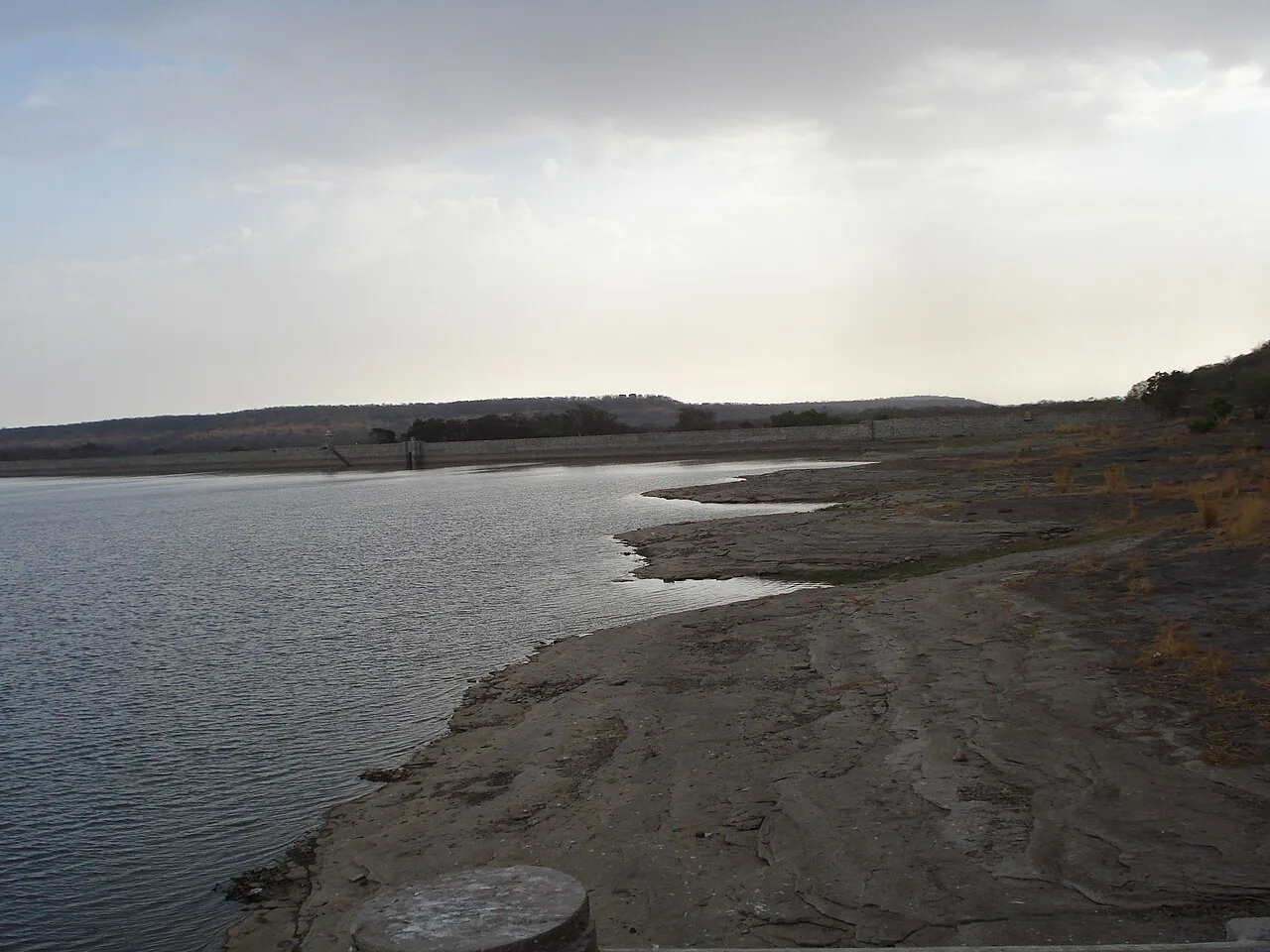
Madhav National Park is a protected area in Shivpuri district, Madhya Pradesh. Visitors come to explore its natural setting and see Sakhya Sagar, the reservoir within the park.

Datia Palace

54 km away · Datia district

Datia Palace

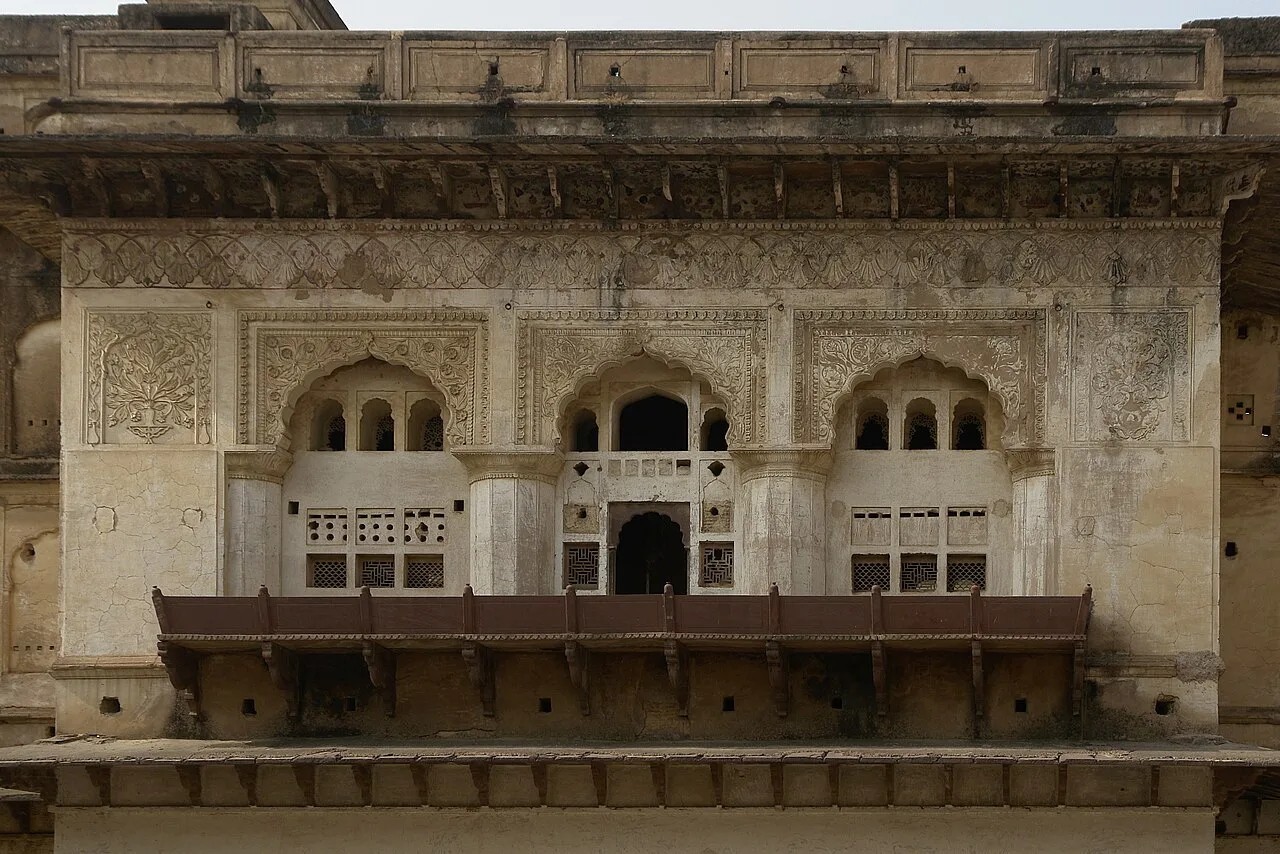
Datia Palace, also known as Bir Singh Palace, is a seven-storey monument in Datia, Madhya Pradesh. Visitors come to see its scale and blend of Mughal and Rajput design.

Jai Vilas Mahal

67 km away · Gwalior district

Jai Vilas Mahal

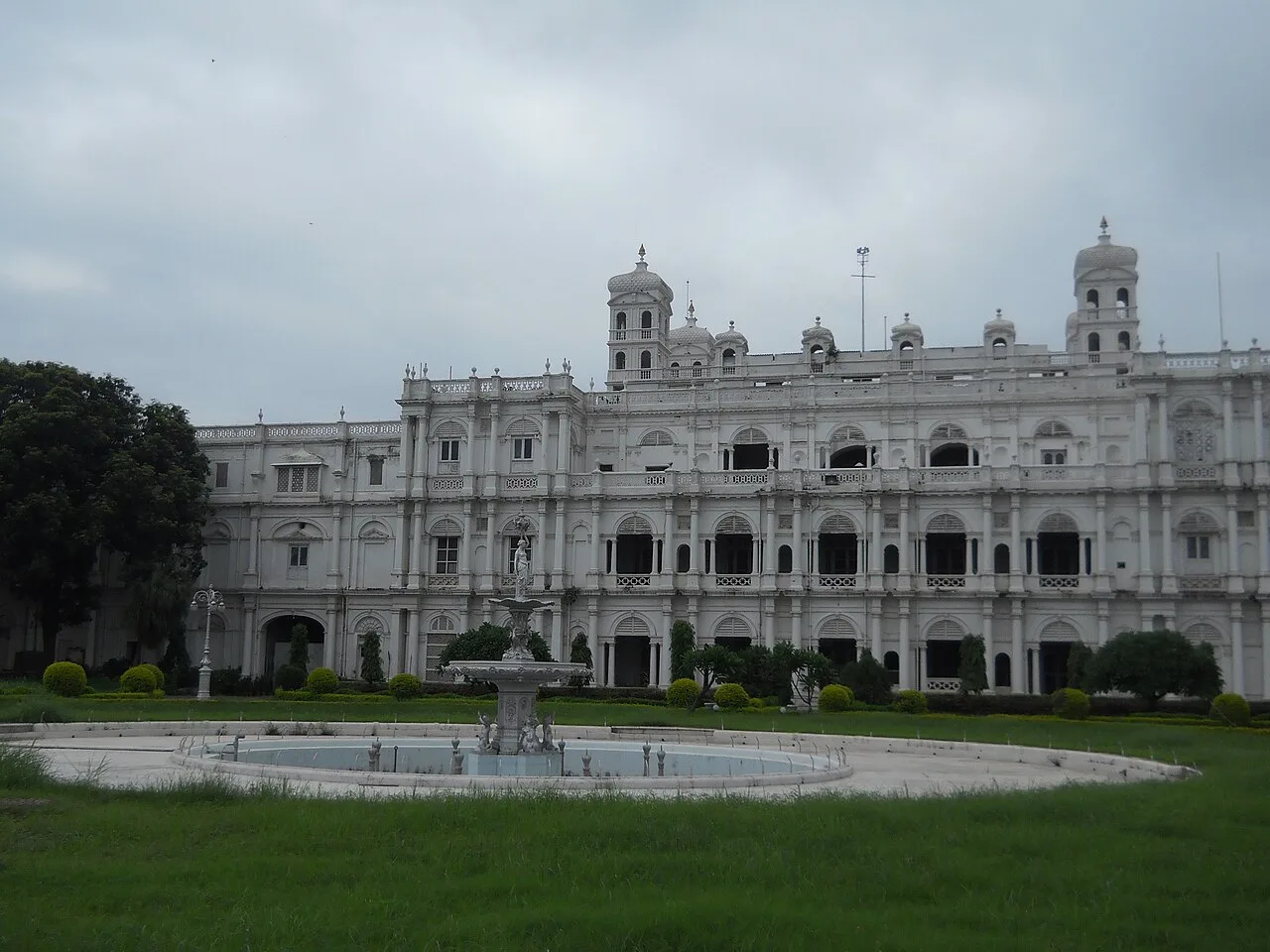
Jai Vilas Mahal is a royal residence dating to the 1800s in Gwalior, Madhya Pradesh. Visitors come to see the Jiwajirao Scindia Museum, which occupies most of the palace.

Sasbahu Temple

69 km away · Gwalior district

Sasbahu Temple

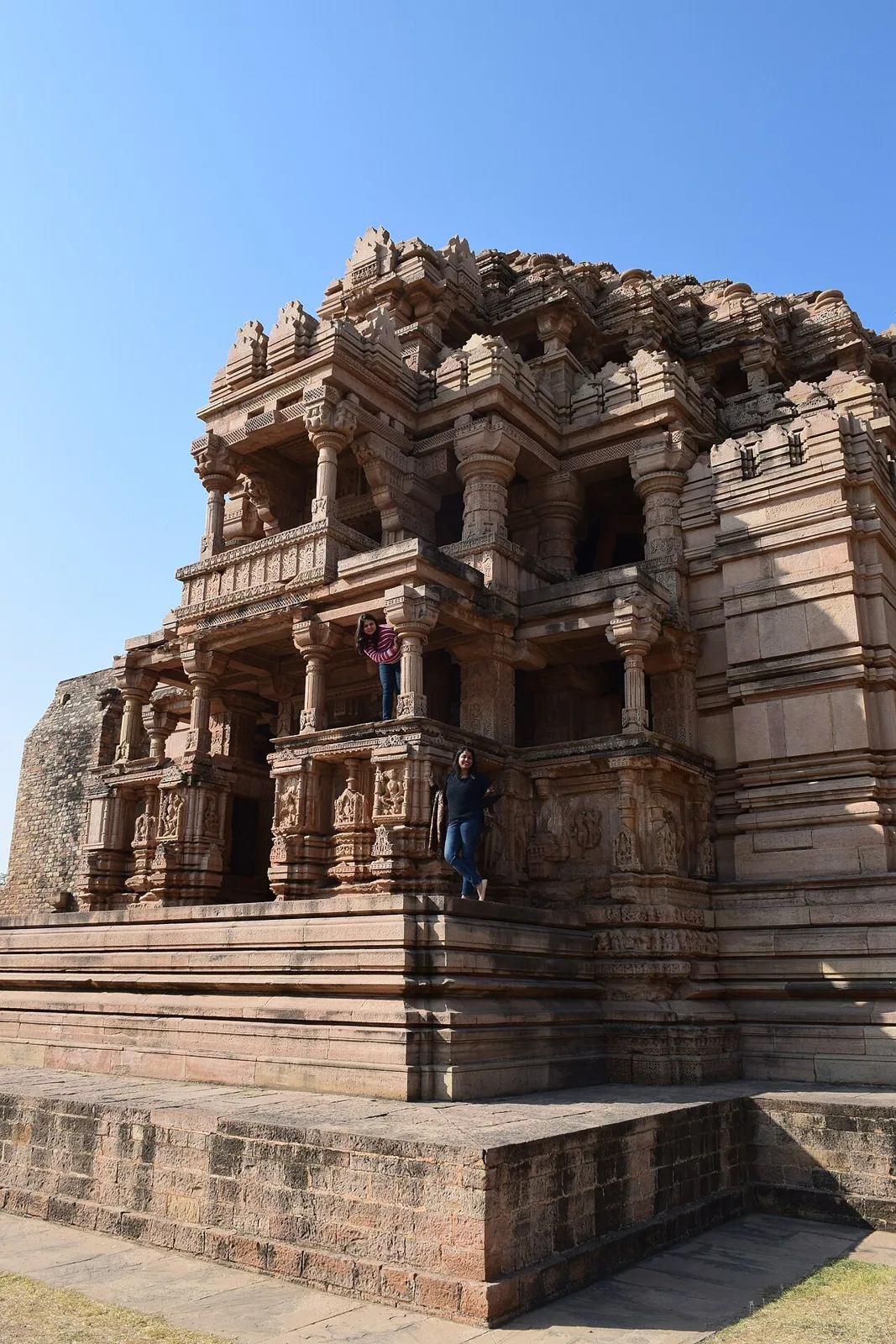
The Sasbahu Temples are a pair of eleventh-century shrines within Gwalior Fort, Madhya Pradesh. Visitors come to see their surviving architecture and damaged stone carvings.

Teli ka Mandir

69 km away · Gwalior district

Teli ka Mandir

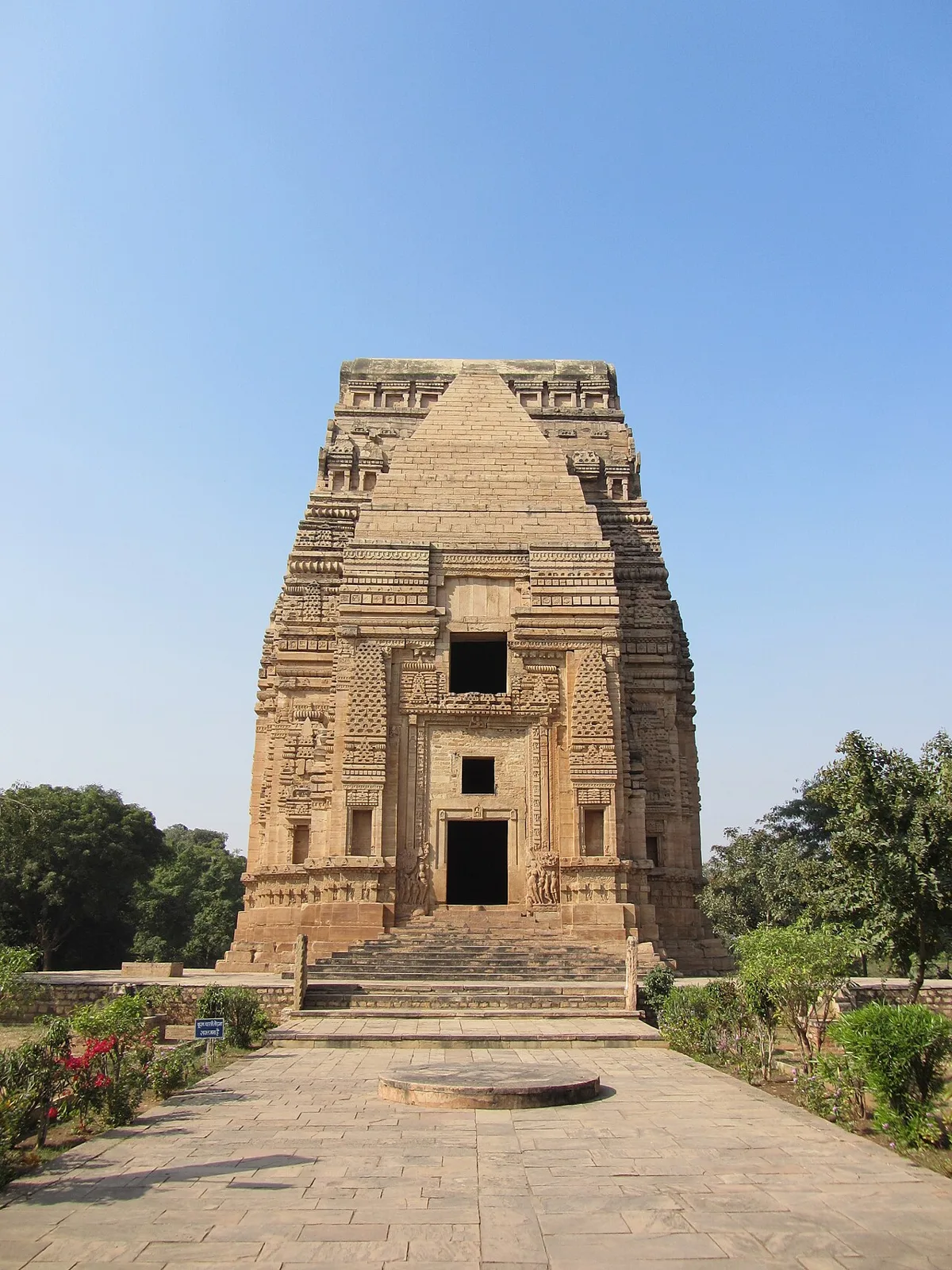
Teli ka Mandir is a Hindu shrine within Gwalior Fort, noted for its unusual rectangular sanctuary and blend of architectural traditions. Visitors come to see its distinctive design and historic character.

Gwalior Fort

70 km away · Gwalior district

Gwalior Fort

Gwalior Fort is an ancient hill stronghold in Madhya Pradesh, visited for its historic palaces, successive rulers and inscriptions, including an early place-value record of zero.

Orchha

80 km away · Orchha district

Orchha

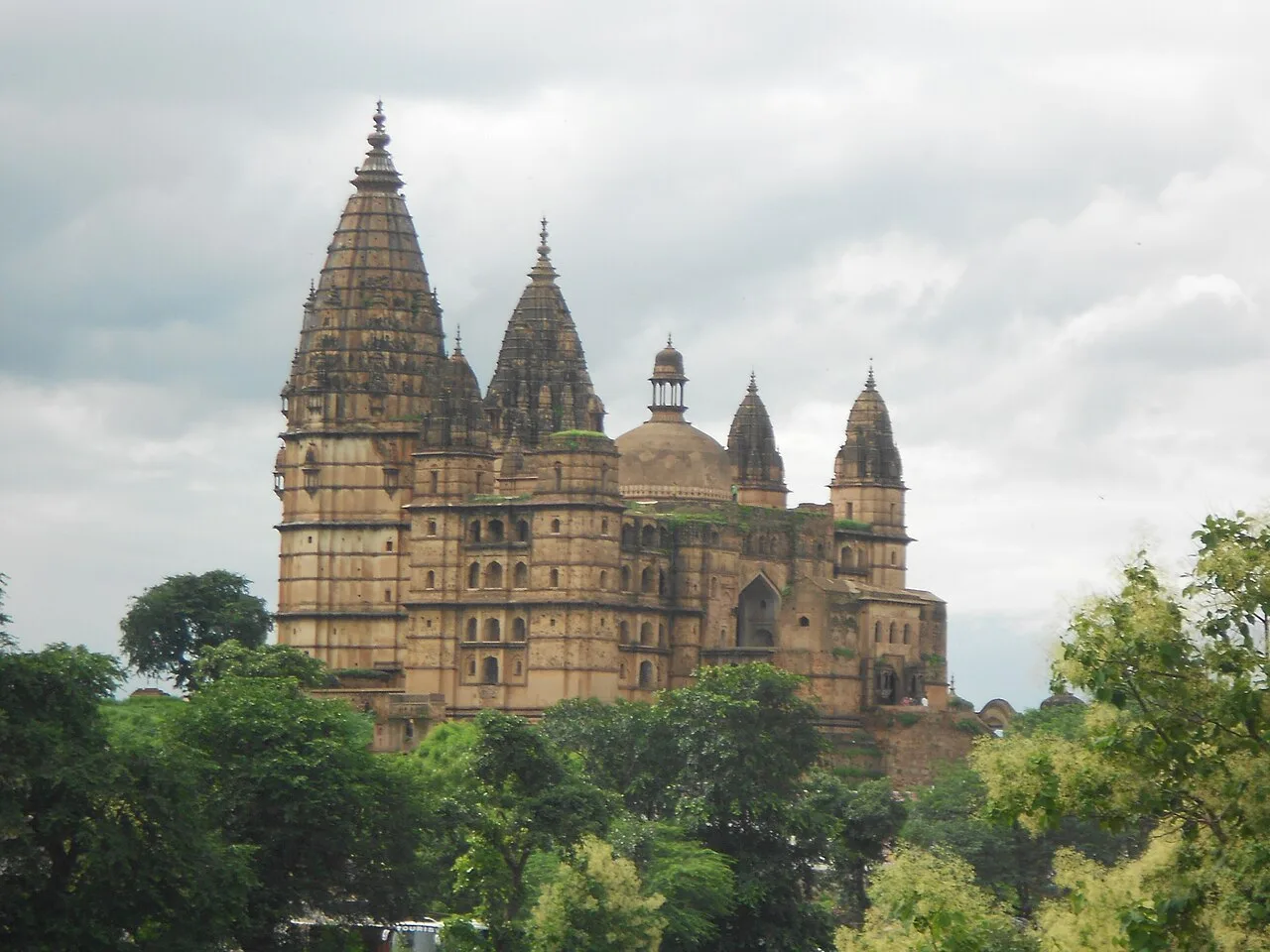
Orchha is a town in Madhya Pradesh beside the Betwa River, founded as the centre of a Bundela princely state. Its history and former royal role are reasons to visit.

Orchha Fort

80 km away · Orchha district

Orchha Fort

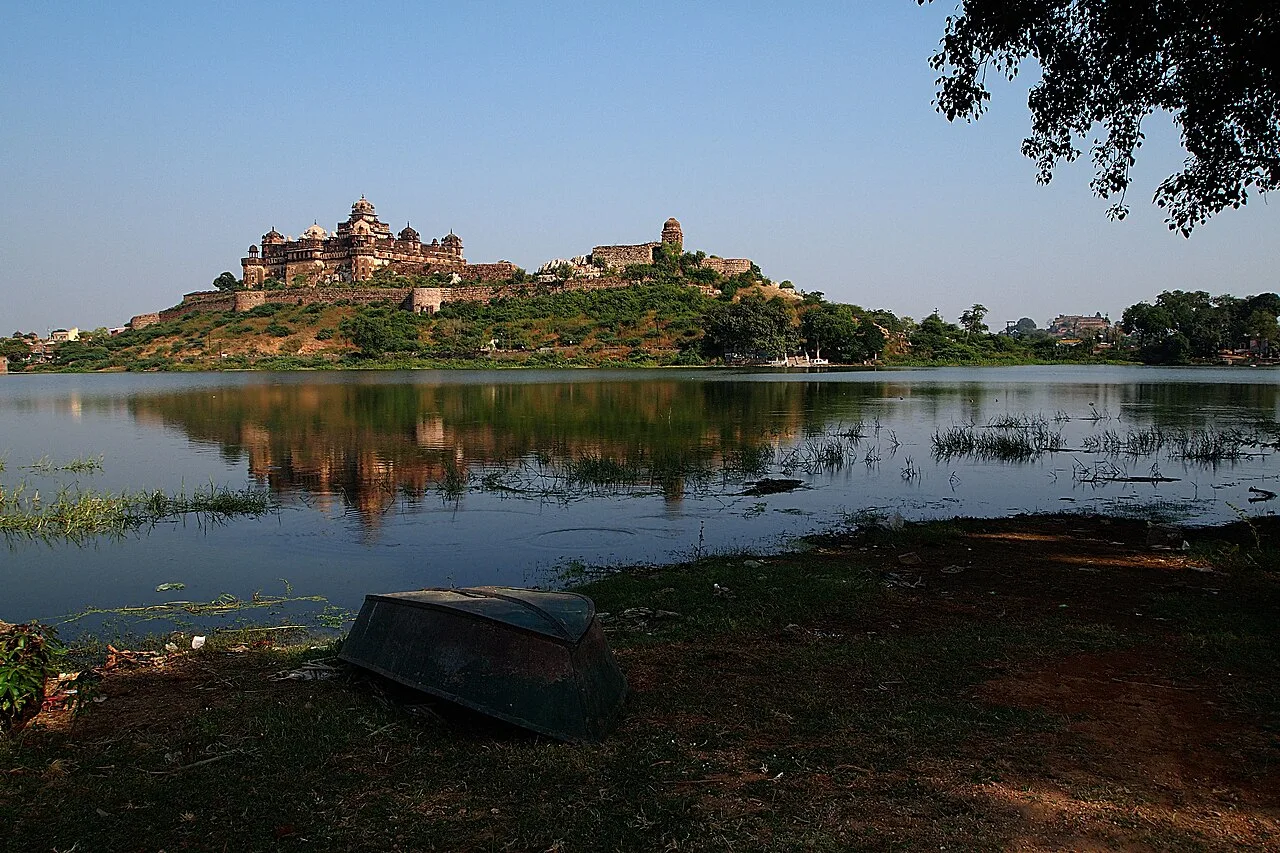
Orchha Fort is a historic complex in Orchha, Madhya Pradesh, built by Bundela rulers. Visitors come to explore its palaces, temple, courtyard and distinctive architectural features.

Map

Narwar on the map

  1. 1Madhav National Park
  2. 2Datia Palace
  3. 3Jai Vilas Mahal
  4. 4Sasbahu Temple
  5. 5Teli ka Mandir
  6. 6Gwalior Fort
  7. 7Orchha
  8. 8Orchha Fort

Madhya Pradesh

Other cities to explore