Ghumoopedia — Explore, Discover, Experience
Sign in

City guide · Madhya Pradesh

Panth Piplia

Panth Piplia is a small settlement in Madhya Pradesh’s Malwa region, where everyday life is shaped more by local agriculture and community connections than by major urban attractions. It is not widely known as a destination for large monuments, major institutions or a nationally recognised craft.

Famous for

  • Malwa rural landscape
  • Agricultural hinterland
  • Local village markets
  • Malwi food traditions

Why Panth Piplia matters

Panth Piplia is a small settlement in Madhya Pradesh’s Malwa region, where everyday life is shaped more by local agriculture and community connections than by major urban attractions. It is not widely known as a destination for large monuments, major institutions or a nationally recognised craft. Its importance is chiefly local: it serves residents and surrounding rural communities through shops, services and market activity, while remaining connected to larger towns and cities in the region.

Visitors are most likely to encounter Panth Piplia as part of a wider journey through Malwa or as a stop to meet local people and see the countryside. The landscape, village streets and rhythm of daily life offer a quieter contrast with nearby Indore’s busy commercial districts. Regional food and seasonal festivals reflect cultural traditions shared across Malwa. Travellers seeking museums, extensive shopping or a broad range of visitor facilities will generally find more options in Indore, while Panth Piplia offers a more modest, everyday view of the region.
Famous for: crafts, trade & products

Panth Piplia is not widely identified with a distinctive textile, handicraft, GI-tagged product or large-scale industry. Its local economy is more closely associated with the needs of a rural settlement and its surrounding agricultural area. Small shops and local market activity serve residents, but the settlement is not a major destination for specialist shopping or organised craft sales.

For visitors, the most grounded way to explore local commerce is to look around the village’s everyday shops and market area, where available goods reflect daily needs and the wider Malwa region. Product selection and market activity can vary, and there is no single established craft district or visitor-oriented bazaar to seek out. Those interested in a broader choice of textiles, handicrafts, packaged regional foods or larger retail markets can look to Indore, which is the principal commercial centre for the area. Malwa foods may also be encountered locally, though Panth Piplia is not known for a signature product or a specific food market.

History

Panth Piplia’s local history is not widely recorded as a separate account of a major town or princely centre. Its past is best understood in the context of Malwa, a region whose fertile plateau and trade routes supported settlements, farming and changing political powers over many centuries. Malwa came under different regional and imperial rulers, including the Paramaras, the Malwa Sultanate and the Mughals; Maratha influence later expanded across the region.

During British rule, much of Malwa was administered through princely states and adjoining territories, so local political arrangements varied from place to place. The settlement’s growth appears to have followed the gradual development of rural services, roads and agricultural trade rather than a single documented founding event or major colonial-era transformation. In modern times, improved road links and the economic pull of Indore have connected villages in the area more closely to urban markets, education and services. Panth Piplia remains principally a local settlement rather than a major historic city.

Food, festivals & culture

Daily culture in Panth Piplia reflects the wider Malwa region. Hindi is widely used, and Malwi, a regional variety of speech, is part of local life. Food commonly associated with Malwa and nearby Indore includes poha, often eaten for breakfast, as well as dal bafla and sweets such as jalebi or malpua. These are regional traditions rather than dishes unique to Panth Piplia; what is available locally depends on the season and the shops or gatherings taking place.

Holi, usually celebrated in spring, and Diwali, in autumn, are important occasions, while Navratri brings devotional observances and community gatherings. Local worship is centred on neighbourhood and village shrines, alongside household religious practices. Music at festivals and family events may include devotional songs and popular regional or Hindi music. For a fuller programme of performances, larger religious gatherings and cultural venues, visitors will find more choice in nearby Indore.

Visiting the city

The cooler months, broadly from October to March, are generally the most comfortable time to visit; summer can be very hot, and the monsoon brings rain. The nearest major air gateway is Devi Ahilya Bai Holkar Airport in Indore, and Indore Junction is the main railway station for onward travel. From Indore, road transport such as buses, taxis or shared vehicles can be used, though local services and connections may vary.

Within Panth Piplia, getting around is simplest on foot for the village centre, with local vehicles useful for longer trips. Visitors can explore the market area and surrounding countryside, keeping in mind that visitor facilities are limited. Indore is a practical base for accommodation, dining and additional sightseeing; allow for road travel between the city and the settlement when planning a visit.

Trips from the city

Nearest places to visit from Panth Piplia

Our closest destination guides, by straight-line distance.

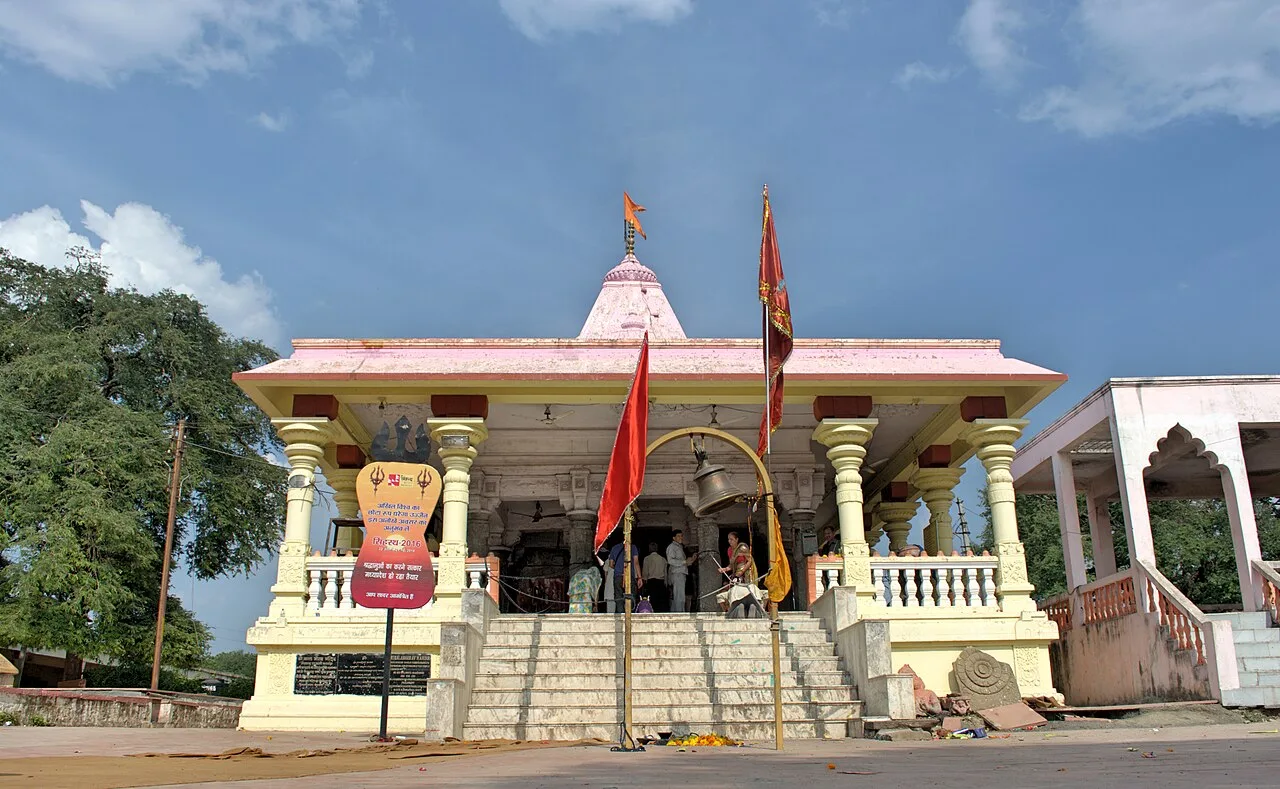
Kal Bhairav Temple

134 km away · Ujjain district

Kal Bhairav Temple

A Hindu shrine in Ujjain, Madhya Pradesh, Kal Bhairav Temple honours the city’s guardian deity. Worshippers visit its setting by the Shipra River, and liquor is among the offerings made there.

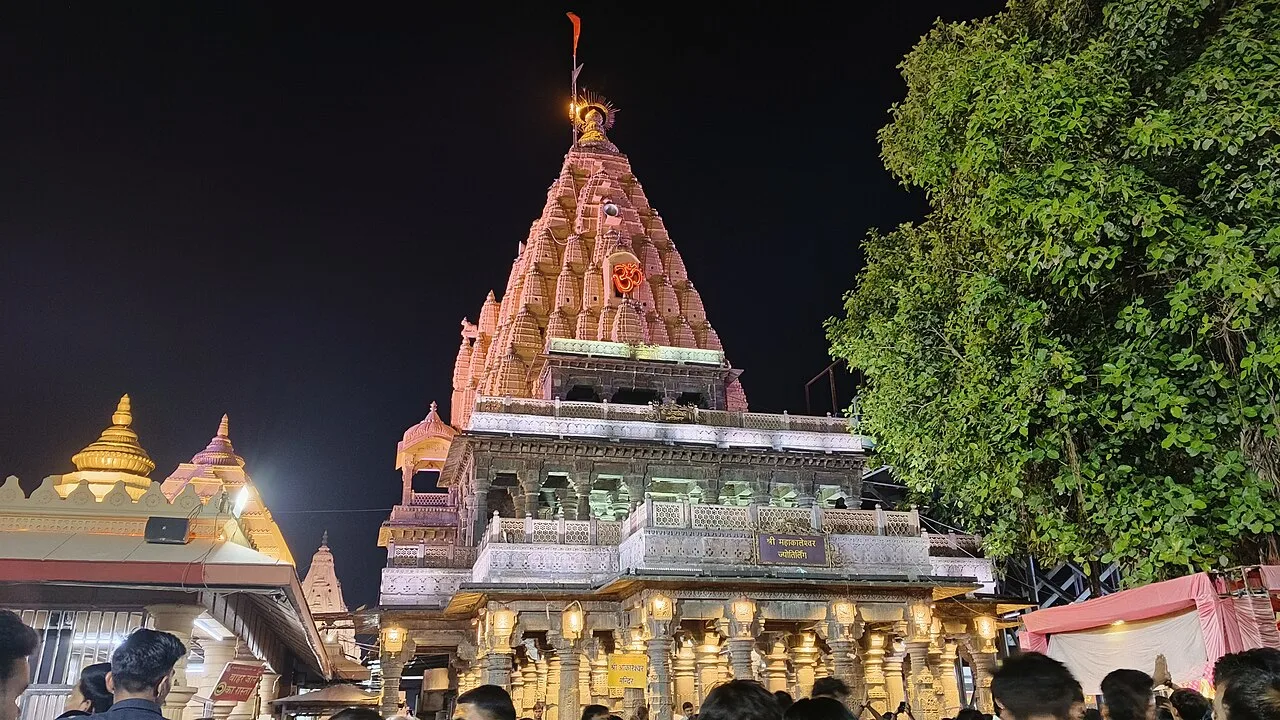
Mahakaleshwar Jyotirlinga

137 km away · Ujjain district

Mahakaleshwar Jyotirlinga

Mahakaleshwar Jyotirlinga is a Shiva temple in Ujjain, revered as one of twelve especially sacred Jyotirlinga shrines. Visitors come to worship its lingam, which is believed to be Swayambhu.

Bhojshala

181 km away · Dhar district

Bhojshala

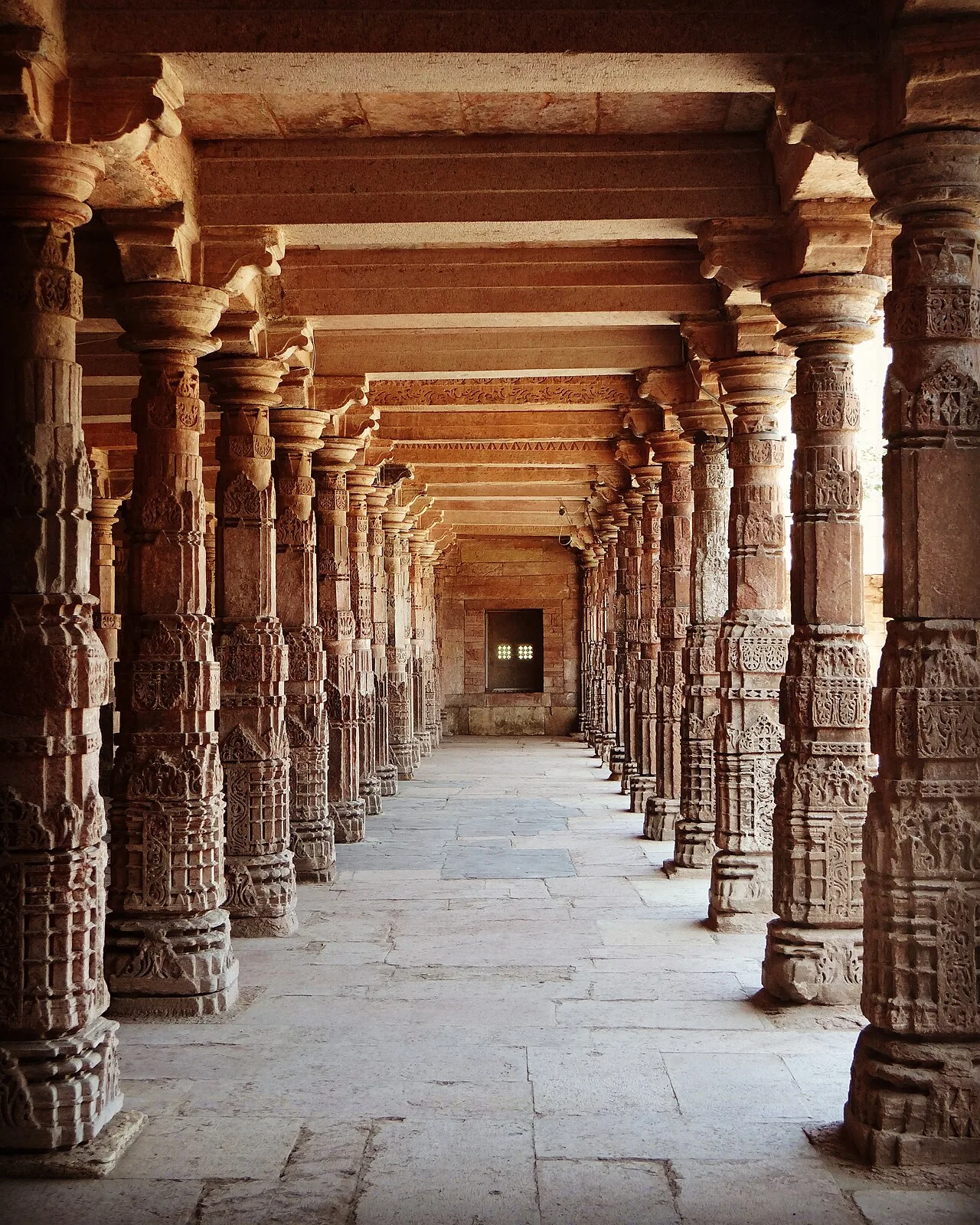
Bhojshala is a historic complex in Dhar, Madhya Pradesh, associated with Sanskrit learning under the Paramāras. Visitors come to see its architecture, inscriptions and archaeological remains, as well as its layered religious history.

Kanch Mandir

184 km away · Indore district

Kanch Mandir

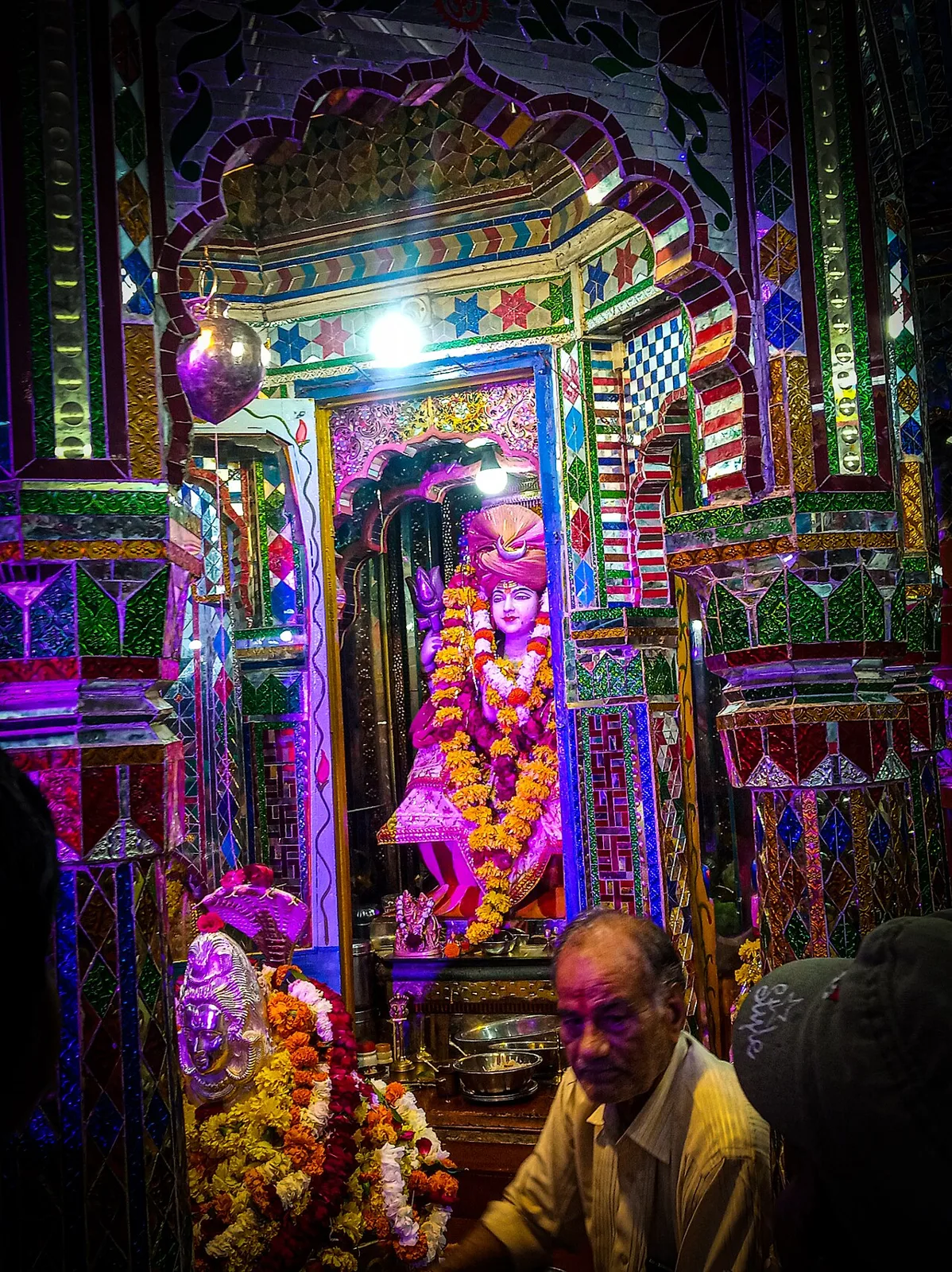
Kanch Mandir is a well-known Jain temple in Indore, built by Sir Seth Hukumchand Jain. Visitors come to see the place of worship whose name means Temple of Glass.

Rajwada

186 km away · Indore district

Rajwada

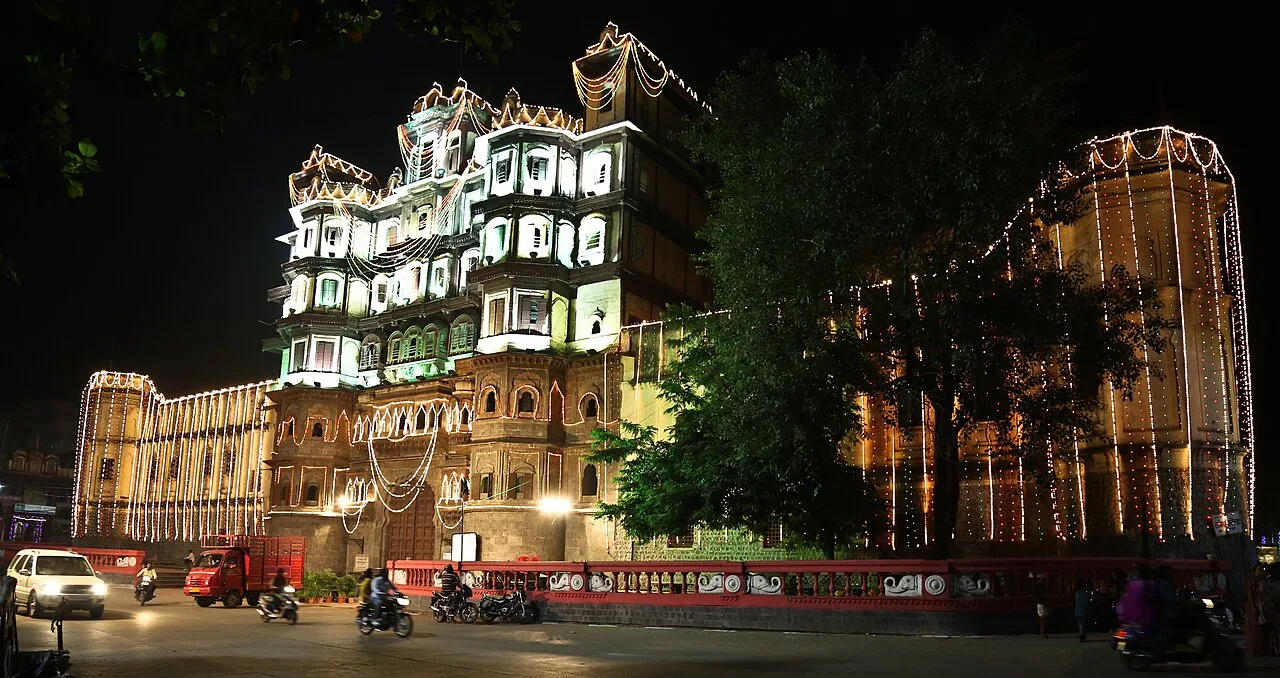
Rajwada is a historic, seven-storey Holkar residence in Indore. Visitors come for its period architecture, dynastic history and the garden with fountains and a waterfall.

Sarafa Bazaar

186 km away · Indore district

Sarafa Bazaar

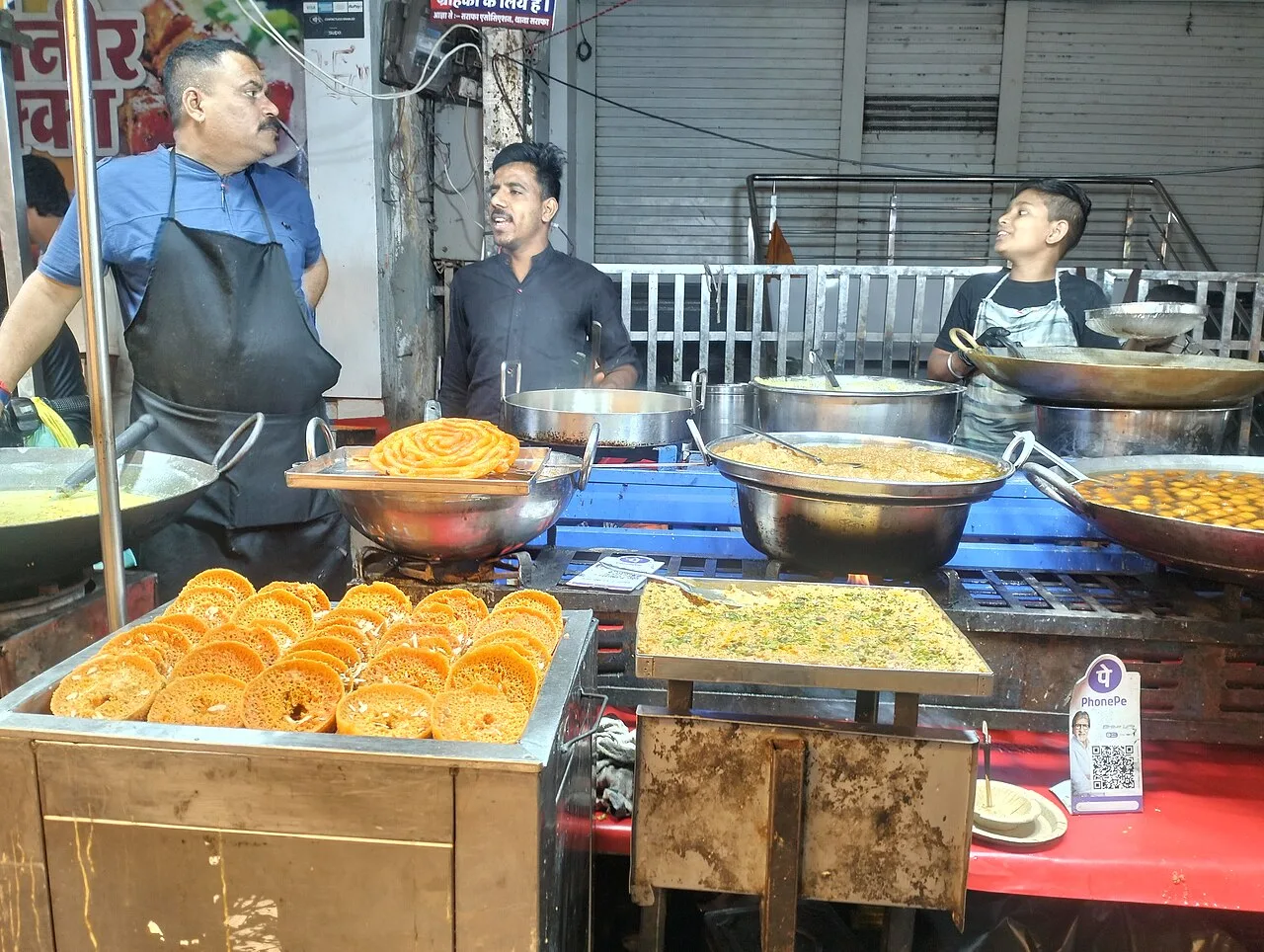
In central Indore, Sarafa Bazaar is a jewellery-trading area by day that becomes a street-food destination at night, drawing visitors for its varied cuisine and evening atmosphere.

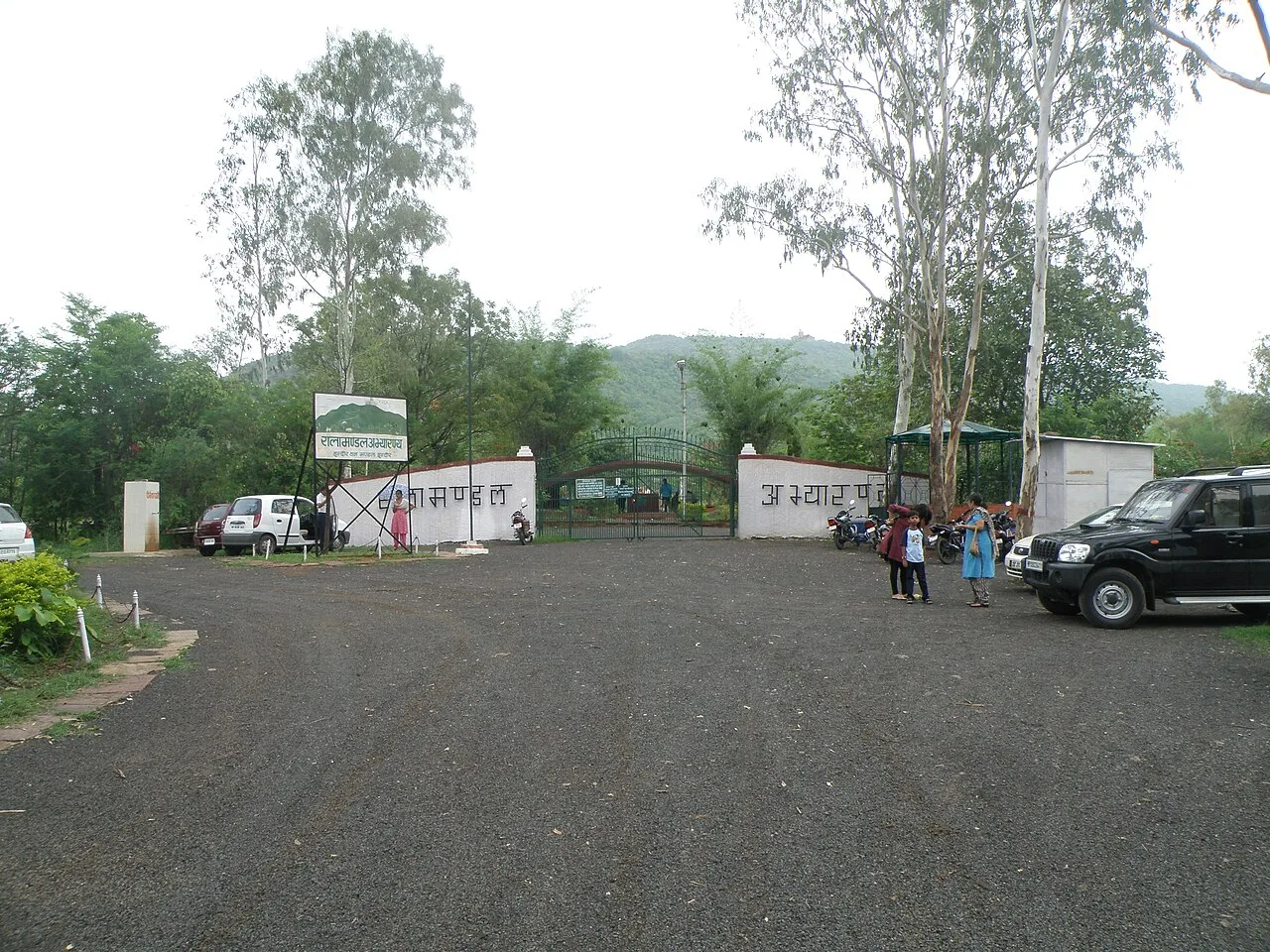
Ralamandal Wildlife Sanctuary

195 km away · Indore district

Ralamandal Wildlife Sanctuary

Established in 1989, Ralamandal Wildlife Sanctuary is a five-square-kilometre protected area in Indore district, Madhya Pradesh. Visitors come to see its birds, other wildlife and old hunting lodge.

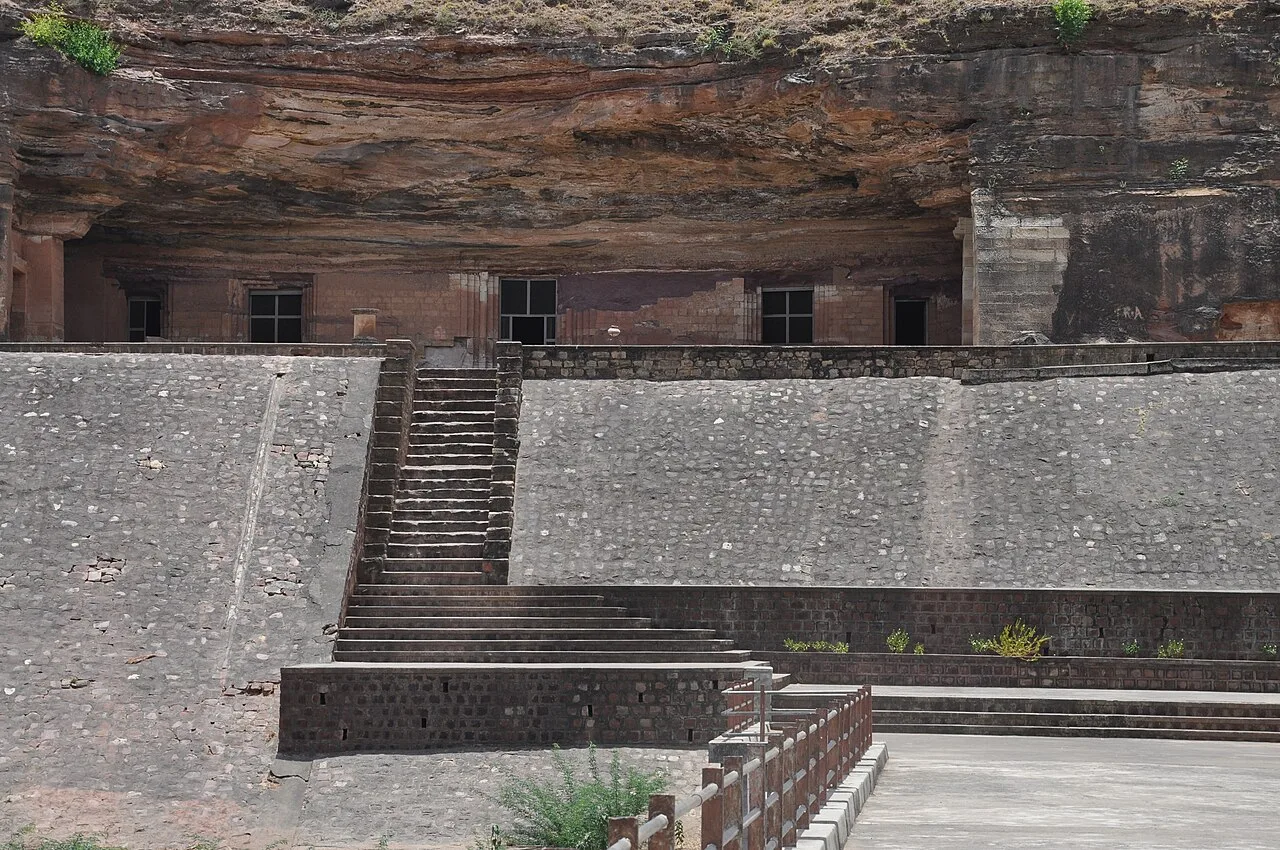
Bagh (Bagh Print Village)

204 km away · Dhar district

Bagh (Bagh Print Village)

In Madhya Pradesh’s Dhar district, Bagh is a settlement associated with the Bagh Caves, whose Buddhist rock-cut chambers and murals attract visitors.

Map

Panth Piplia on the map

  1. 1Kal Bhairav Temple
  2. 2Mahakaleshwar Jyotirlinga
  3. 3Bhojshala
  4. 4Kanch Mandir
  5. 5Rajwada
  6. 6Sarafa Bazaar
  7. 7Ralamandal Wildlife Sanctuary
  8. 8Bagh (Bagh Print Village)

Madhya Pradesh

Other cities to explore